

Setting Up Miniature Dollhouse Scenes That Inspire Longer Play
How do you set up miniature dollhouse scenes that keep kids playing longer?
Setting up miniature dollhouse scenes works best when spaces feel realistic, easy to understand, and open to change. By arranging rooms with clear purposes, using familiar layouts like 1 story house styles or a 2 story villa, and rotating small details, setting up miniature dollhouse scenes encourages longer, deeper play and richer storytelling.
Setting Up Miniature Dollhouse Scenes That Inspire Longer Play
Setting up miniature dollhouse scenes is one of the simplest ways to turn short bursts of play into long, focused storytelling sessions. When rooms feel intentional, familiar, and easy to explore, children naturally slow down, imagine more, and stay engaged without needing new toys or constant guidance.
⏱ 6 min read
Ever notice how kids rush through dollhouse play, dump the pieces, then move on? Often, it’s not boredom—it’s confusion. When scenes feel unfinished or overwhelming, play ends early. A few intentional setup choices can change that fast.
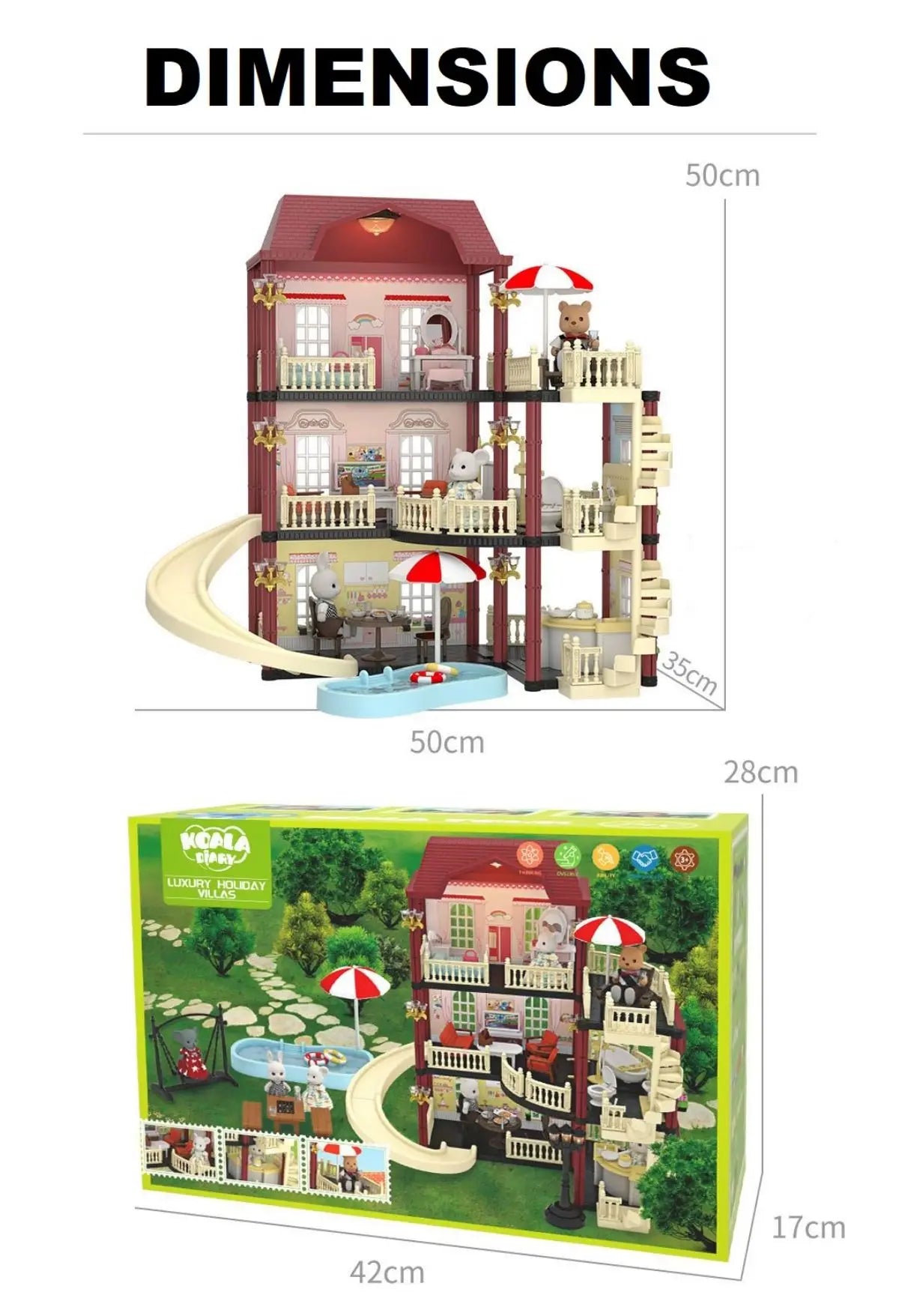
Setting up miniature dollhouse scenes inspired by 1 story house styles for cozy, focused play 💡 See it in action
Why Scene Setup Changes How Long Kids Play
Setting up miniature dollhouse scenes gives children visual cues that guide play without instructions. When rooms look complete and relatable, kids spend less time deciding what to do and more time acting out stories.
- Clear scenes reduce decision fatigue
- Defined rooms encourage role-based play
- Realistic layouts mirror everyday life
- Open space allows imagination to expand
Parents often see longer independent play simply by rearranging what they already have.
Start With Familiar House Layouts Kids Understand
Setting up miniature dollhouse scenes works best when the structure makes sense at a glance. Familiar layouts help children instantly recognize how the house “works.”
1 story house styles for younger storytellers
Single-level layouts are perfect for early imaginative play. Everything is visible, which reduces frustration and keeps stories flowing.
- Kitchen, living room, and bedroom clearly separated
- Open floor plans for easy movement
- Fewer stairs means fewer interruptions
2 story villa layouts for advanced storytelling
A 2 story villa adds depth once kids are ready for more complex scenes. Upstairs/downstairs naturally creates story contrast.
- Private spaces upstairs (bedrooms, bathrooms)
- Social spaces downstairs (kitchen, lounge)
- Stairs become part of the narrative
These layouts mirror real homes, helping children draw from real-life experiences.
Create Story Zones That Invite Action
Direct answer: Setting up miniature dollhouse scenes is most effective when each room has a clear purpose. Story zones guide children toward actions like cooking, resting, or hosting guests. This structure helps kids jump straight into play, build longer story arcs, and return to scenes again and again.
- Assign one main action to each room
- Limit furniture to essentials
- Leave open space for figures to move
- Group accessories by activity
For example, a joce dollhouse kitchen only needs a table, stove, and a few accessories to spark pretend cooking for 20+ minutes.
Use Small Details to Spark Big Stories
Once the main layout is set, details bring scenes to life. The key is choosing pieces that suggest action, not clutter.
- A book on a bed suggests bedtime routines
- A cup on a table hints at a family meal
- A rug defines gathering spaces
- Plants soften rooms and inspire care-based stories
Children often narrate what they see, so each object becomes a story prompt.
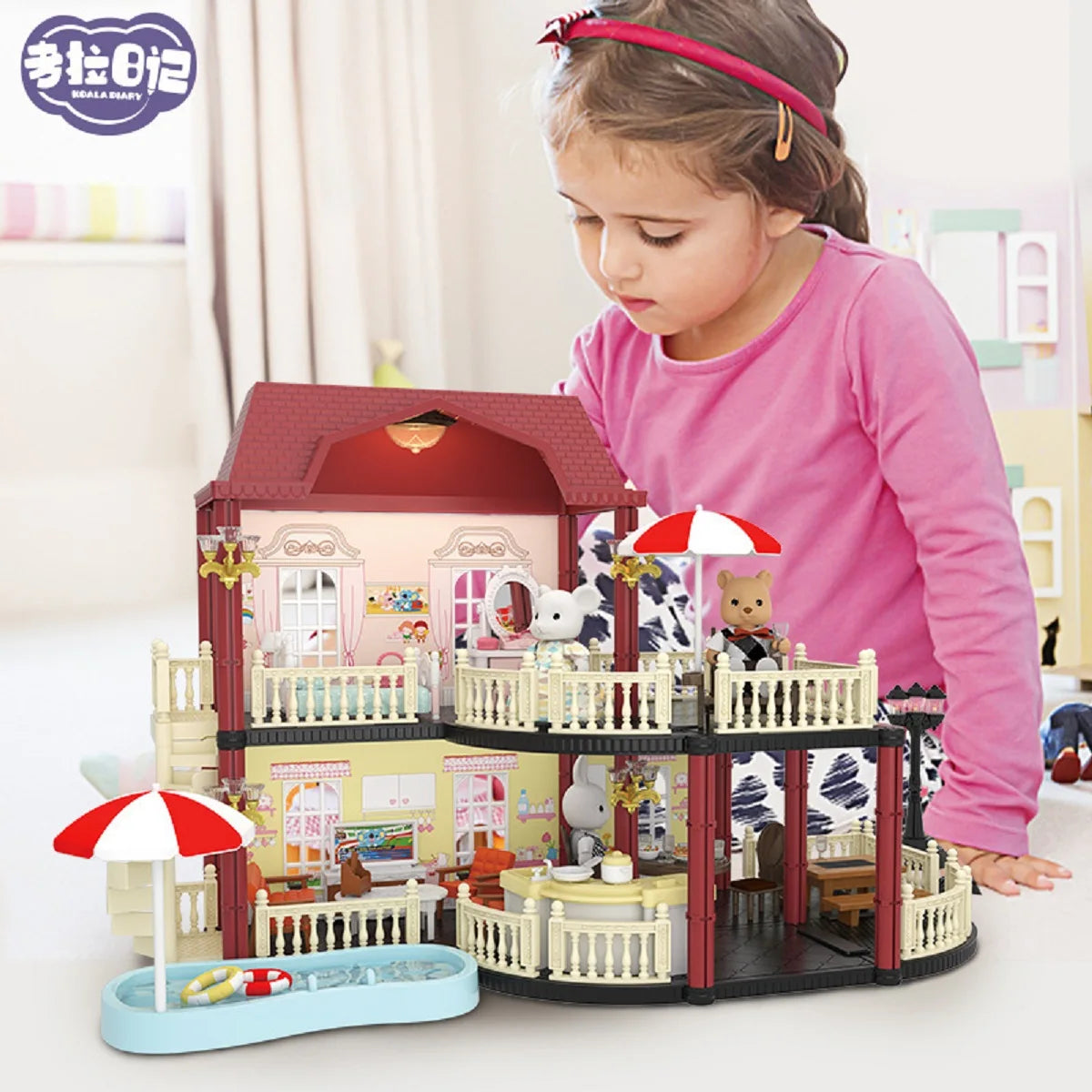
Setting up miniature dollhouse scenes with joce dollhouse details that inspire everyday stories 💡 See it in action
Parents report that fewer, well-placed accessories lead to longer play than bins of loose pieces.
Rotate Scenes Without Rebuilding Everything
One of the easiest ways to refresh play is rotating scenes instead of toys. Small swaps keep curiosity high.
- Change room functions weekly
- Swap accessories between rooms
- Rearrange furniture orientation
- Add seasonal details
This approach keeps play feeling new without overwhelming kids—or parents.
Why This Dollhouse Makes Scene Setup Easier
Direct answer: The Miniature Dollhouse Princess Castle supports setting up miniature dollhouse scenes with flexible rooms, easy-access levels, and balanced proportions. Parents find it simpler to create clear story zones, while kids stay engaged longer thanks to intuitive layouts inspired by 1 story house styles and a 2 story villa feel.
| What Parents Notice | Why It Helps |
|---|---|
| Open room design | Faster scene setup |
| Sturdy structure | Less interruption during play |
| Balanced scale | Easier storytelling |
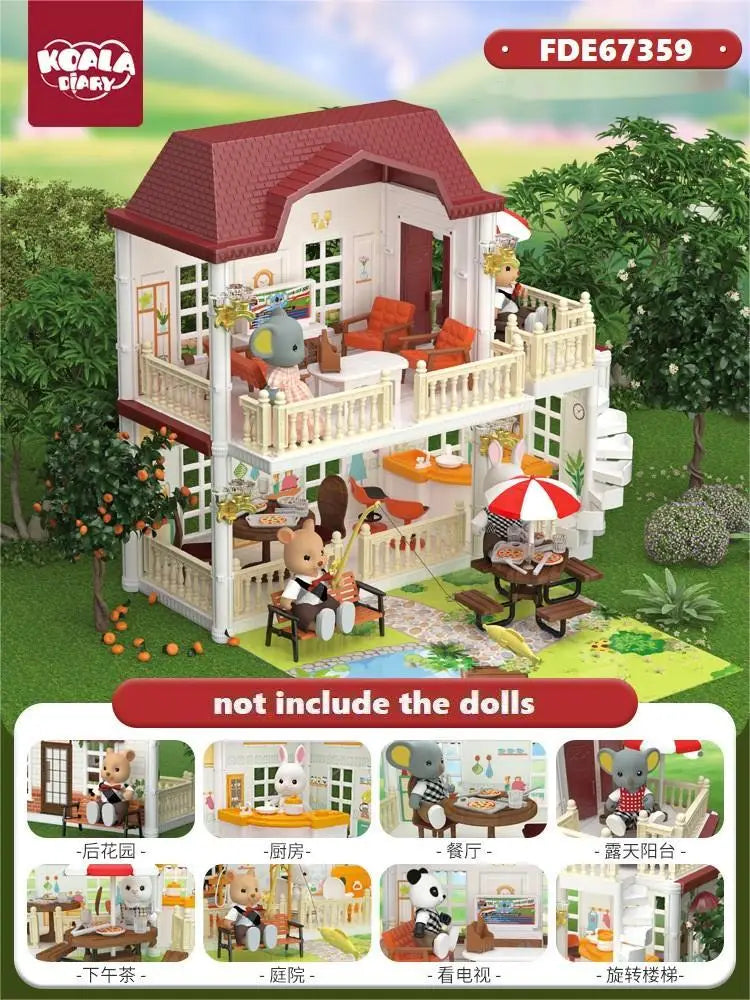
Setting up miniature dollhouse scenes in a 2 story villa layout that keeps kids engaged 💡 See it in action
Many families pair dollhouse play with calming routines and sensory breaks found in Sensory Toys to support longer focus and smoother transitions.
Mini FAQ
How long should a dollhouse scene stay the same?
Most children engage longest when scenes stay consistent for several days. Small changes after 3–5 days keep interest high without disrupting ongoing stories.
Is it better to use all accessories at once?
No. Fewer items placed intentionally help children focus and imagine more. Extra pieces can be rotated later to refresh play.
What age benefits most from scene-based dollhouse play?
Children ages 3–8 benefit greatly, but older kids often enjoy more complex layouts like a 2 story villa with layered storytelling.
Related Guide: How to Encourage Imaginative Play at Home Step by Step





