

Single Line Kite Flying: Easy Control Tips for Beginners
Does single line kite flying really work for beginners?
Single line kite flying is one of the easiest ways for beginners to enjoy smooth, steady flights with minimal effort. By choosing the best beginner kite and using simple control techniques, you can improve kite stability, reduce crashes, and keep your kite soaring longer—even in light wind conditions.
⏱ 6 min read
Single Line Kite Flying: Easy Control Tips for Beginners
Single line kite flying may seem effortless when you watch experienced flyers, yet many beginners struggle with wobbling, sudden drops, or tangled strings. The good news? With the right kite choice and a few proven techniques, you can enjoy calm, controlled flights that feel relaxing rather than frustrating.
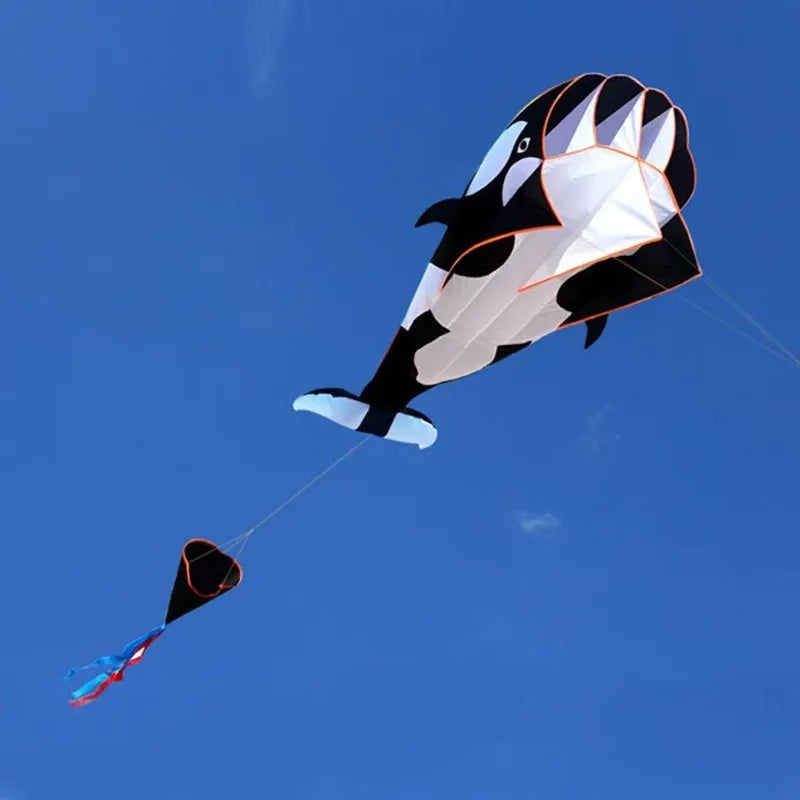
Single line kite flying with improved kite stability — 💡 See it in action
Enjoy Stress-Free Flights with Simple One-Line Control
Single line kite flying removes complicated steering and replaces it with gentle pull-and-release control. This makes it perfect for kids, parents, and anyone new to flying.
- Requires less hand coordination
- Stays balanced in light to moderate wind
- Easier recovery after dips
- Longer flight time with less effort
Families often pair outdoor play with engaging activities like Sensory Toys to boost coordination and focus.
| Feature | Single Line Kite | Dual Line Kite |
|---|---|---|
| Control | Simple pull-and-hold | Requires steering skills |
| Stability | Very high for beginners | Medium |
| Learning Curve | Fast | Steep |
How Do You Pick the Best Beginner Kite for Smooth Stability?
Single line kite flying becomes dramatically easier when the kite is designed for balance and steady lift. The best beginner kite uses wide wings, lightweight fabric, and reinforced seams to stay upright even during sudden wind changes.
Key Features That Improve Kite Stability
- Wide wing span for better airflow
- Lightweight frame to prevent drops
- Strong tail for balance
- Durable stitching for longer use
Parents often look for safe outdoor play alongside learning tools found in Baby Growth & Learning Tips collections.
How to Control a Single Line Kite Without Crashes
Single line kite flying becomes smooth when you follow a simple rhythm of tension and release. These beginner-friendly steps help maintain height and balance.
- Stand facing the wind with arms relaxed
- Gently pull the string as the kite lifts
- Release slightly once it reaches height
- Make small pulls to correct drifting
- Let the kite float naturally
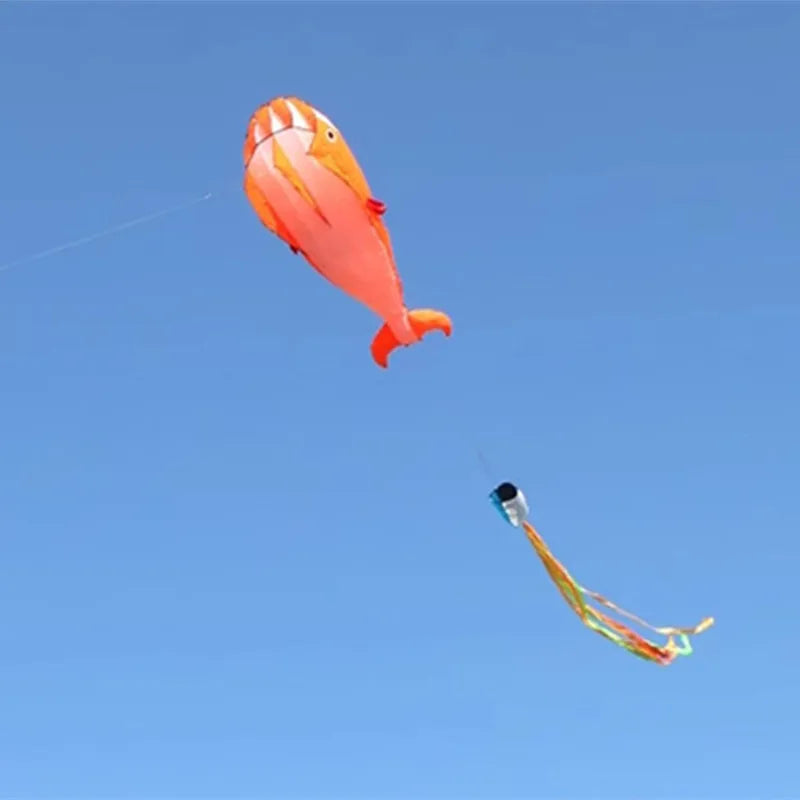
Best beginner kite design for smooth single line kite flying — 💡 See it in action
Many beginners report doubling their flight time within their first session using these steps.
Fix These Beginner Errors That Cause Crashes
- Pulling too hard instead of gently adjusting
- Flying in gusty wind zones near buildings
- Using heavy kites not made for beginners
- Ignoring tail balance
For safer outdoor routines, families often explore helpful gear from Health & Safety Tips.
Why the Whale Dolphin Kite Makes Single Line Flying So Easy
Single line kite flying feels effortless with the Whale Dolphin Kite thanks to its wide wings, balanced tail, and lightweight build. Designed specifically as a good beginner kite, it improves kite stability, lifts quickly in light wind, and stays steady without constant pulling.
- Wide airflow wings for smooth lift
- Strong fabric for long-term use
- Kid-friendly control
- Bright design for easy visibility
👉 Get yours now — enjoy smooth flights today
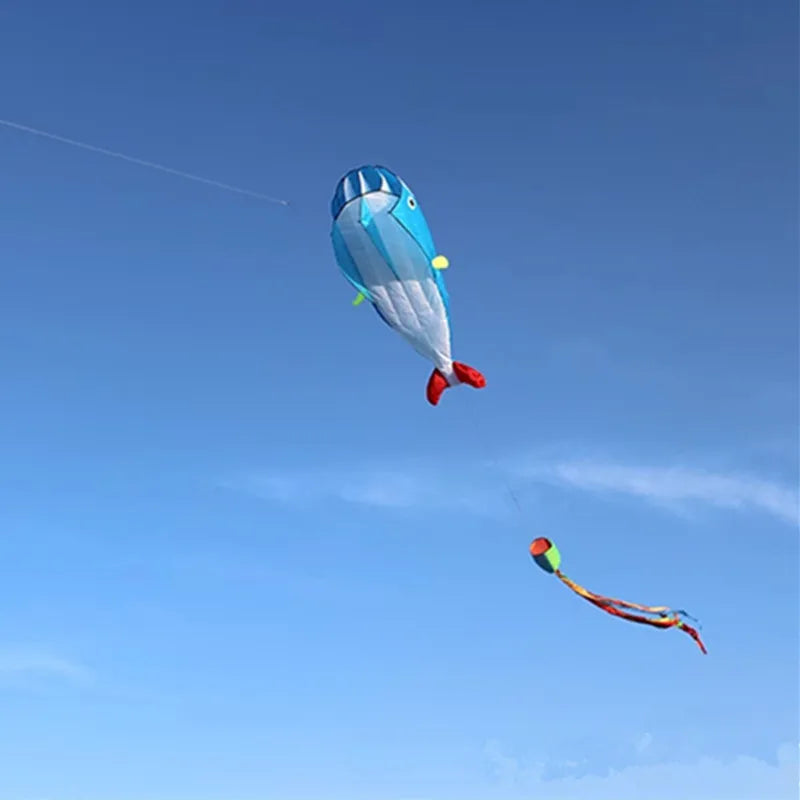
Good beginner kite built for kite stability — 💡 See it in action
Real Parent Feedback: “My kids kept crashing their old kite. This one stayed up for minutes on the first try!” — Amanda T.
Make Kite Flying Safe, Relaxing, and Family-Friendly
Choose open fields, avoid power lines, and supervise young flyers. Combining outdoor fun with educational play boosts confidence and coordination.
Many parents balance outdoor playtime with comfort-focused items from Sleep & Comfort for smoother routines afterward.
Quick Beginner FAQ
Is single line kite flying easier than dual line kites?
Yes, it requires less coordination and offers better stability for beginners.
What wind speed works best for beginners?
Light to moderate wind between 5–12 mph is ideal.
Can kids fly single line kites safely?
Absolutely—especially with wide-wing beginner kites and open spaces.
Related Guide: How to Fly a Kites: Step-by-Step Setup and First Launch





