

Most Stable Kite Design Explained: Which Shape Flies Best?
Are single line kites really more stable than other kite designs?
Single line kites are among the most stable kite designs because they use one tether point, a balanced bridle, and passive aerodynamic stability instead of constant steering. They typically fly more predictably than dual line stunt kites in light to moderate wind, making them easier for beginners, families, and anyone looking for relaxed recreational flying.
Single Line Kites Review: Pros, Cons, and Stability Compared
⏱ 7 min read
Single line kites remain one of the best choices for stress-free outdoor fun because they prioritize stability over tricks. Whether you're flying at the beach, in a park, or with young children, understanding how kite design affects stability can help you choose the right model, fly more confidently, and enjoy longer sessions with fewer crashes.
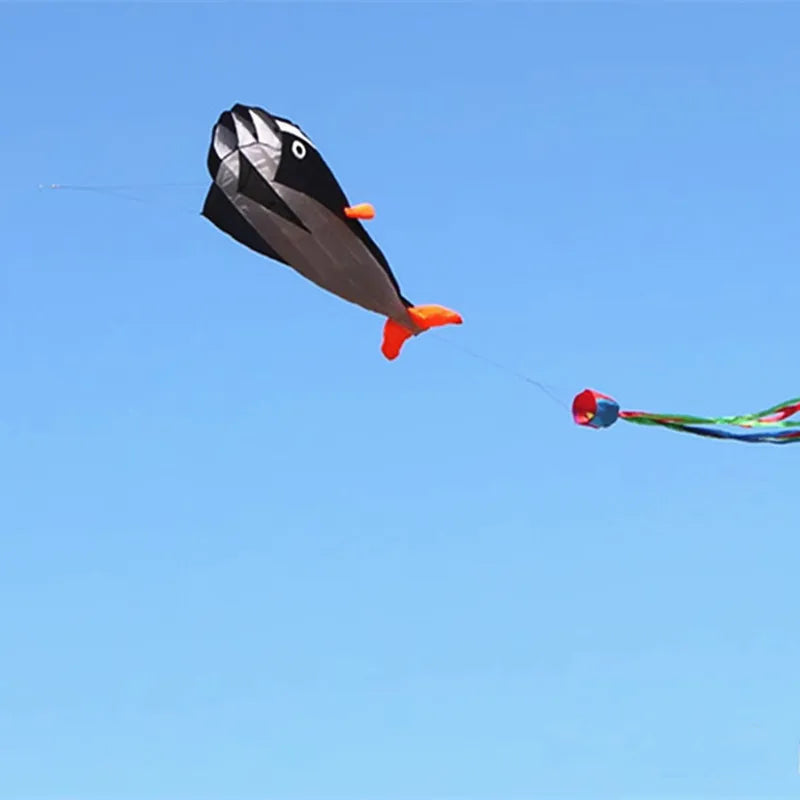
Single line kites deliver smooth kite stability for relaxed flying — See it in action
What Is the Most Stable Kite Design?
There isn't one perfect kite for every condition, but several designs consistently rank among the most stable kite designs. The ideal choice depends on wind speed, flying location, and your experience level.
Which kite shape is most stable in different wind conditions?
- Delta kites perform well in light to moderate wind and launch easily.
- Parafoil kites handle changing winds smoothly without rigid spars.
- Sled kites are forgiving and excellent for beginners.
- Box and cellular kites provide outstanding stability in stronger steady winds.
- Diamond kites remain popular but usually require proper tail adjustment for the best balance.
Why there is no single best design for every situation
Kite stability depends on far more than shape alone. Wind consistency, bridle adjustment, tail length, and frame materials all influence how smoothly a kite flies. A recreational kite that performs beautifully on a beach may struggle in gusty inland conditions, so matching the kite to the environment is just as important as choosing the design.
Why Kite Stability Matters for Relaxed Outdoor Flying
Stable flight creates a more enjoyable experience by reducing sudden dives, line twists, and unpredictable pulling. Instead of constantly correcting the kite, flyers can simply enjoy watching it remain balanced overhead.
How stability improves control and safety
Good kite stability offers several practical benefits:
- More predictable flight paths
- Less physical effort to control
- Reduced risk of sudden crashes
- Easier launches and relaunches
- Greater confidence for first-time flyers
These qualities make an easy to fly kite especially valuable for families and casual weekend recreation.
What Are Single Line Kites?
Single line kites fly using one flying line connected to a carefully positioned bridle. Unlike stunt kites that depend on active steering, they naturally seek balance in the airflow, allowing the wind to do most of the work.
How single line kites generate lift
As wind flows over the sail, pressure differences create lift while the bridle holds the kite at an efficient flying angle. When designed correctly, the kite automatically returns to a balanced position after small gusts, creating excellent passive stability.
Common recreational designs
Popular recreational kites include delta kites, diamonds, sleds, parafoils, animal-shaped display kites, and large character kites. Most prioritize steady flight rather than aerobatic performance, making them ideal for parks, beaches, and family outings.
Most Stable Kite Designs Compared
Diamond kite
A timeless design that's lightweight and affordable. Diamond kites perform best in steady wind and often benefit from a tail to prevent spinning.
Delta kite
Known for easy launching and wide wind range, delta kites remain one of the most beginner-friendly options available.
Sled kite
Sled kites have no rigid frame across much of the sail, allowing them to absorb gusts while remaining stable. They're an excellent choice for children.
Parafoil kite
Inflatable air cells create a lightweight structure that flies efficiently with few moving parts. Parafoils pack small and tolerate changing wind surprisingly well.
Box and cellular kites
These three-dimensional designs generate exceptional lift and stability in stronger steady winds. However, they generally require more space and experience to launch successfully.
Single Line vs Dual Line: Stability Compared
| Feature | Single Line Kites | Dual Line Kites |
|---|---|---|
| Control Complexity | Very simple | Requires active steering |
| Kite Stability | High passive stability | Depends heavily on pilot skill |
| Primary Purpose | Relaxed recreational flying | Precision tricks and aerobatics |
| Learning Curve | Minimal | Moderate to advanced |
| Best Users | Families and beginners | Experienced hobbyists |
Dual line kites reward skilled pilots with impressive maneuverability, but they demand constant input. For relaxed flying, single line kites generally provide the calmer experience.
What Design Features Improve Kite Stability?
Several engineering details work together to keep a kite balanced.
Bridle position
The bridle controls the kite's angle of attack. Even small adjustments can noticeably improve balance.
Center of pressure
A well-balanced center of pressure allows the kite to naturally recover from brief gusts instead of diving.
Tail length
Longer tails increase drag, reducing unwanted spinning while helping the kite point steadily into the wind.
- Wide wings create smoother lift.
- Flexible frames absorb turbulence.
- Balanced aspect ratios improve stability.
- Quality materials reduce unwanted flexing.
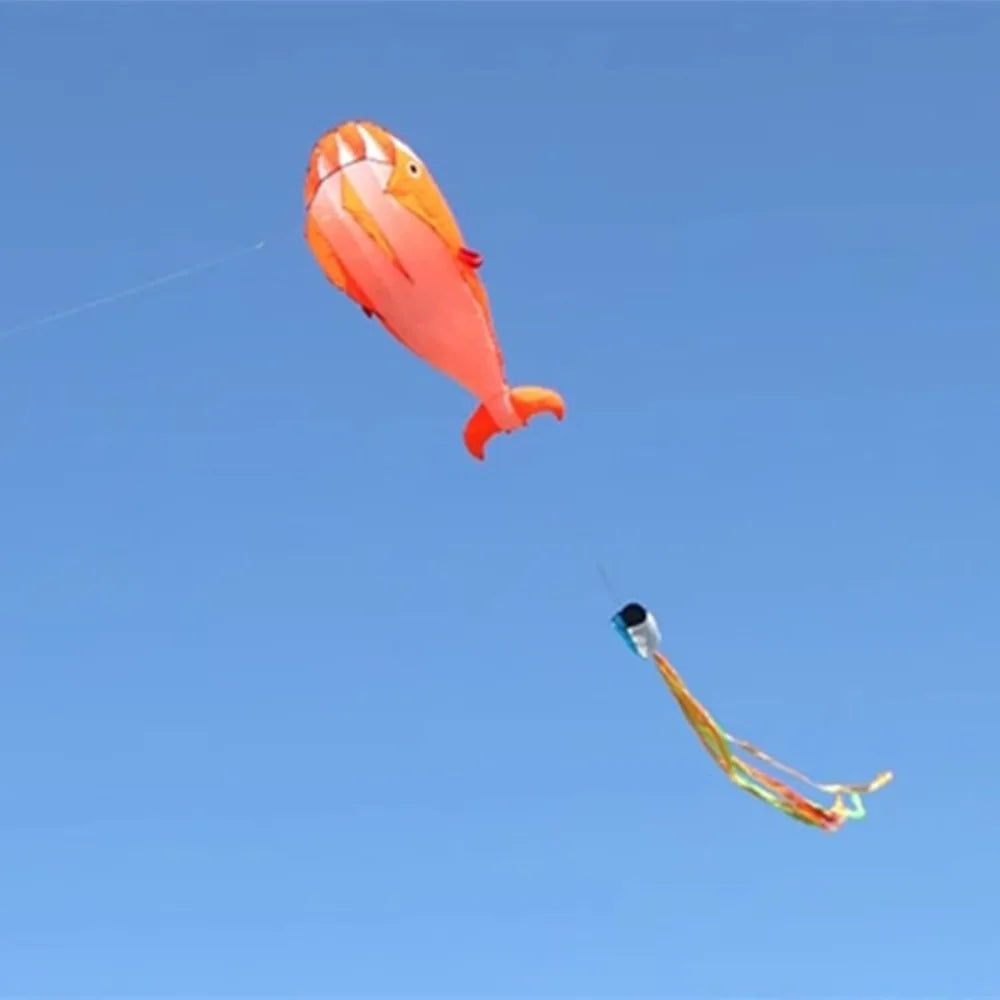
Balanced frames help recreational kites stay steady — See it in action
How Wind Speed Affects Kite Stability
Recommended kite by wind range
| Wind Speed | Recommended Kite | Expected Stability |
|---|---|---|
| 4–7 mph | Delta or lightweight parafoil | Good |
| 8–15 mph | Most single line recreational kites | Excellent |
| 16–22 mph | Box or stronger framed kites | Good with experience |
| Over 22 mph | Avoid casual recreational flying | Potentially unsafe |
Common stability problems by wind condition
- Very light wind can cause repeated stalls.
- Gusty wind often creates sudden dives.
- Strong wind increases pulling force and structural stress.
- Turbulent air near buildings can make even stable kites wobble.
Pros and Cons of Single Line Kites
- ✅ Excellent passive kite stability
- ✅ Easy setup and launch
- ✅ Gentle pull suitable for families
- ✅ Great for recreational flying
- ❌ Limited aerobatic capability
- ❌ Less maneuverable than stunt kites
- ❌ Performance still depends on suitable wind conditions
Who Should Choose a Single Line Kite?
Beginners
New flyers benefit from forgiving handling and a short learning curve.
Families
Parents often appreciate predictable flight, reduced pulling force, and simpler launches during shared outdoor activities.
Hobbyists
Experienced flyers who simply want relaxing recreational sessions frequently keep a reliable single line kite alongside their stunt collection.
These scenarios often overlap with families exploring learning-through-play tools found in Baby Growth & Learning collections, where simplicity and safety come first.
Explore the Whale & Dolphin Kite
Families interested in calm sensory experiences often pair outdoor play with indoor tools from Sensory Toys to keep stimulation balanced throughout the day.
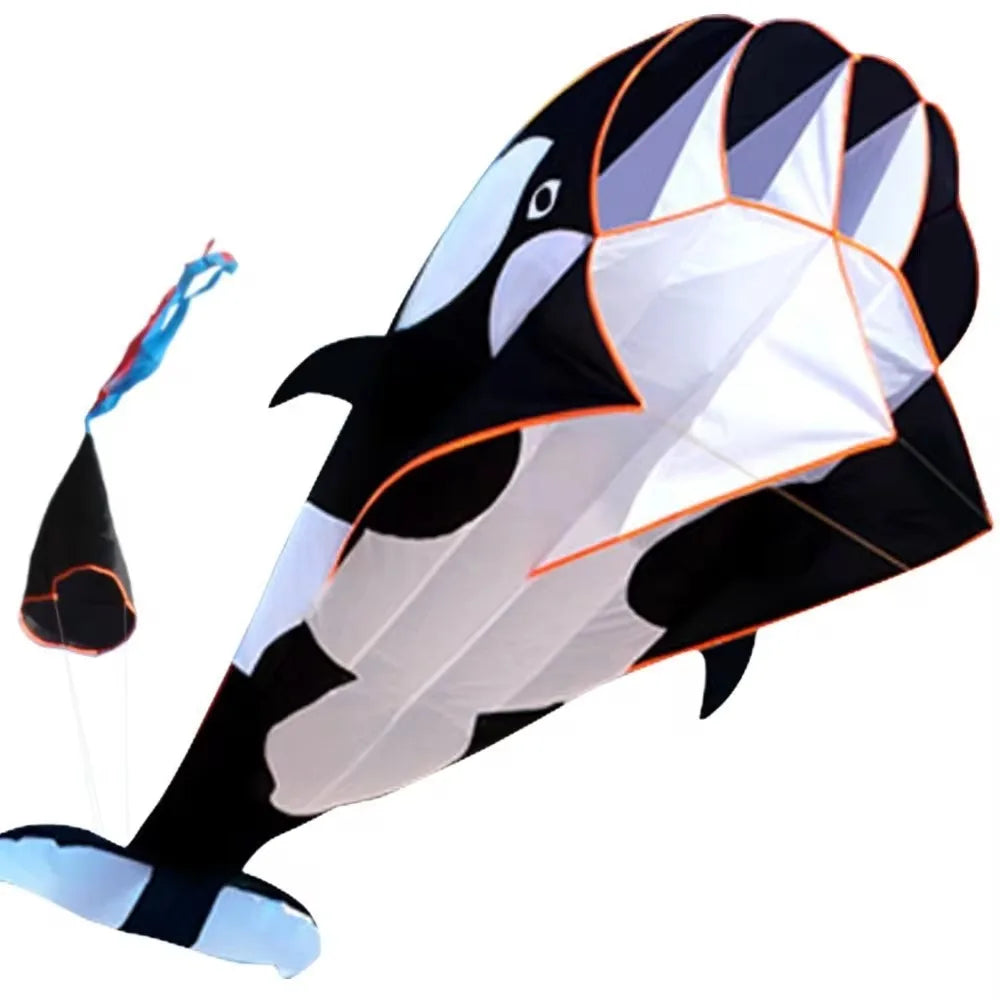
Single line kites offer smooth control and kite stability — See it in action
Comparison Table: Stability, Wind Range, and Skill Level
| Kite Design | Stability | Wind Range | Skill Level | Best For |
|---|---|---|---|---|
| Delta | Excellent | Light to moderate | Beginner | Families |
| Sled | Excellent | Light to moderate | Beginner | Children |
| Parafoil | Very Good | Moderate | Beginner to Intermediate | Travel |
| Diamond | Good | Moderate | Beginner | Traditional flying |
| Box | Excellent | Moderate to strong | Intermediate | Steady wind |
Tips for Getting the Steadiest Flight
Launching techniques
- Choose an open area away from trees and buildings.
- Face directly into the wind.
- Allow the kite to climb gradually instead of pulling sharply.
Bridle adjustment
If the kite repeatedly stalls or dives, small bridle adjustments can improve its flying angle.
Tail tuning
Adding a slightly longer tail often helps reduce spinning in gusty conditions.
Troubleshooting unstable flight
- Check for twisted lines.
- Inspect frame connections.
- Avoid flying in turbulent wind behind buildings.
- Match the kite to the current wind strength.
Calm outdoor routines complement wellness-focused gear often found in Beauty & Wellness collections, where stress reduction matters.
Frequently Asked Questions
Are single line kites safe for kids?
Yes. Their gentle pull, predictable flight, and simple controls make them an excellent choice when children are supervised by adults.
What wind is best for single line kites?
Most recreational kites perform best in steady winds between approximately 5 and 15 mph.
Do single line kites require special skills?
No. Most beginners can learn to launch and maintain stable flight within a few minutes.
Which kite design is easiest for beginners?
Delta, sled, and other well-designed single line kites are widely considered the easiest options because they naturally stabilize themselves.
Why does my kite keep spinning or diving?
Common causes include insufficient wind, poor bridle adjustment, flying in turbulent air, or using a tail that's too short for the design.
Are box kites more stable than delta kites?
In stronger, consistent winds, box kites can be exceptionally stable. For general recreational use and lighter winds, delta kites are usually easier to launch and fly.
Related Guide: Best Kite for Beginners: Top Picks Compared for Easy Flying





