

Single line parafoil kite: Most stable kite design-Worth it?
Does a single line parafoil kite deliver smoother, more stable lift?
A single line parafoil kite uses a soft, air-filled canopy and multiple bridle lines to create steady airflow and balanced tension. This design naturally stabilizes flight, making it one of the most stable kite design options and among the kites that fly in low wind, offering consistent lift with minimal user control.
Single Line Parafoil Kite: The Design That Delivers Smooth Lift
Single line parafoil kite designs quietly solve the biggest frustrations flyers face: sudden dives, tangled lines, and unpredictable pull. Built with a soft, bridled canopy, this approach is often considered the most stable kite design for beginners and casual flyers alike. It’s also one of the few kites that fly in low wind, delivering steady lift when others fall flat. If you want an easy to fly kite that feels calm yet powerful, this design may surprise you—so what makes it work so well?
⏱ 7 min read
Family outdoor time should feel relaxing, not frustrating. Many parents and beginners struggle with kites that crash repeatedly or require advanced handling skills. A design that launches easily and maintains smooth lift can transform outdoor play into a stress-free bonding experience.
Wondering which kite makes outdoor play easier and safer for beginners? Keep reading to discover why this design stands out.
👉 Explore how smooth-lift kite designs improve outdoor play and family bonding
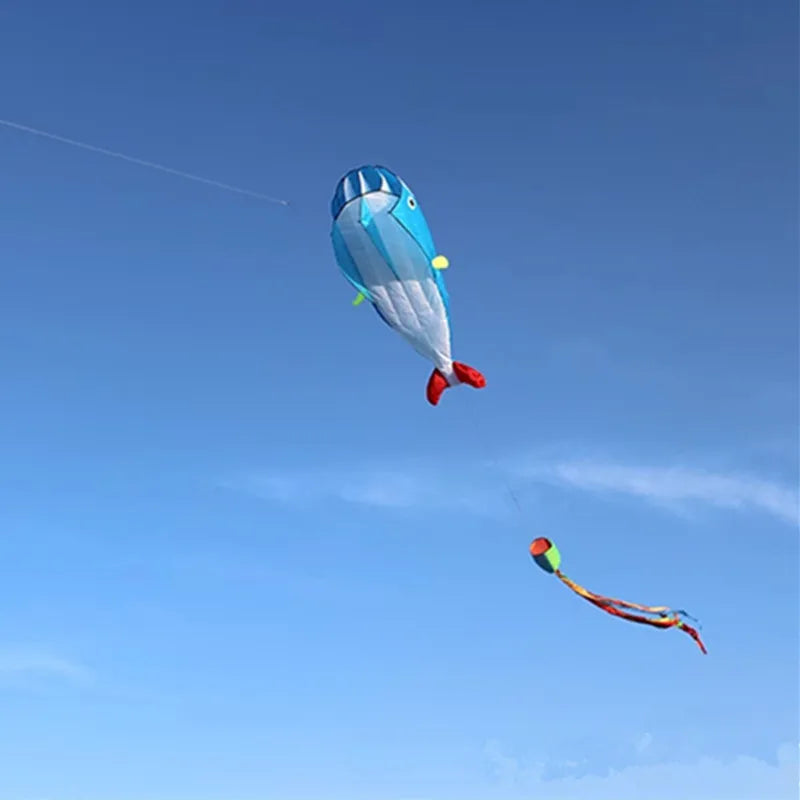
Single line parafoil kite showing most stable kite design performance 💡 See it in action
What Is a Single Line Parafoil Kite?
A single line parafoil kite is a soft-structured kite that uses internal air cells instead of rigid frames to create lift. Its bridled lines distribute airflow evenly, allowing the kite to hold shape naturally. This makes it an easy to fly kite and one of the most stable kite design options available for recreational flyers.
Unlike rigid kites, parafoil designs inflate with wind, forming an aerodynamic wing. The absence of sticks or spars reduces breakage risks and improves safety for beginners and children.
Key Structural Features
- Flexible canopy that fills with wind automatically
- Multiple bridle points distributing tension evenly
- Lightweight construction that responds quickly to airflow
- Compact, foldable design for travel and storage
These features help families enjoy outdoor activities with less setup time and fewer frustrations. For parents encouraging outdoor learning and sensory play, pairing activities with tools from Sensory Toys collections can further enhance engagement.
Why Parafoil Design Creates Superior Stability
The most stable kite design often depends on how airflow interacts with structure. Parafoil kites use aerodynamic chambers that self-correct during flight.
How Bridled Airflow Prevents Sudden Dives
- Air chambers maintain wing shape automatically
- Multiple tension points reduce imbalance
- Soft canopy absorbs gust changes smoothly
- Distributed lift minimizes spinning or collapsing
Traditional kites rely on rigid frames to hold shape. If wind changes suddenly, they may tilt or crash. Parafoil designs adapt to airflow naturally, improving reliability and safety.
Parents looking for safe outdoor play activities often combine these experiences with educational growth tools found in Baby Growth & Learning.
👉 Learn how to choose outdoor gear that builds confidence and coordination
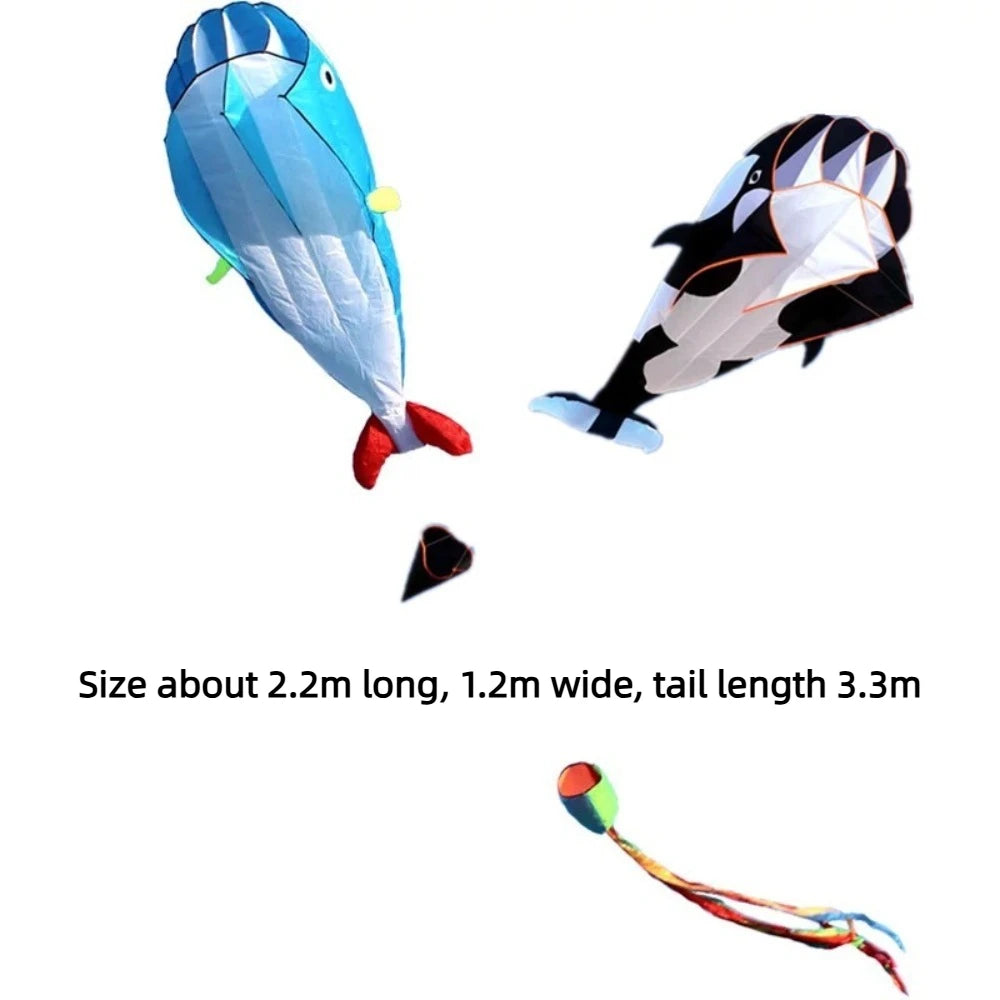
Easy to fly kite demonstrating stable kites performance in changing wind 💡 See it in action
How This Kite Performs When Wind Is Weak
Many flyers give up when wind conditions are inconsistent. Parafoil kites are known as reliable kites that fly in low wind because their lightweight canopy captures airflow efficiently.
Low Wind Performance Advantages
- Light materials require less wind to lift
- Air cell design maximizes airflow capture
- Bridle system keeps wing balanced during weak gusts
- Soft canopy maintains lift longer than rigid frames
This capability allows families to enjoy kite flying even on calm afternoons, reducing the frustration of canceled outdoor plans.
For wellness-focused family routines, outdoor play pairs well with relaxation solutions from Massage & Relaxation to create balanced daily activities.
Why This Is an Easy to Fly Kite for Families
Learning kite flying can be discouraging if equipment requires advanced control skills. Parafoil kites simplify the experience dramatically.
Beginner-Friendly Advantages
- Quick launch without complex assembly
- Minimal steering adjustments required
- Reduced crash risk improves safety
- Light pull strength makes handling comfortable
These qualities make this design particularly suitable for family outings, school activities, and first-time flyers.
Families focused on safe play environments often integrate outdoor play with safety essentials available through Health & Safety.
Explore real product details and design examples here: /products/whale-dolphin-kite
Comparing Parafoil Kites vs Traditional Rigid Kites
| Feature | Single Line Parafoil Kite | Traditional Frame Kite |
|---|---|---|
| Stability | High – self-correcting airflow | Moderate – depends on rigid frame balance |
| Wind Requirements | Works in lower wind speeds | Requires steady wind conditions |
| Durability | No rigid parts to break | Frames may snap or bend |
| Ease of Use | Beginner friendly | May require practice |
| Portability | Folds compactly | Bulkier storage |
Pros and Cons Overview
| Pros | Cons |
|---|---|
| Extremely stable flight | Less steering control for advanced tricks |
| Strong low wind performance | May generate lighter pull than sport kites |
| Simple setup and launch | Not designed for stunt flying |
These comparisons help families and casual flyers determine whether stability and ease of use outweigh trick performance needs.
Real Performance Experiences From Users
Many parents report noticeable differences when switching to parafoil designs.
- “Our kids launched it successfully on the first try.”
- “It stayed airborne even when other kites kept falling.”
- “No broken parts after repeated outdoor use.”
Usage feedback consistently highlights reduced frustration and improved confidence for beginners. Families often combine outdoor play with relaxation routines from Sleep & Comfort collections to encourage balanced daily schedules.
View design and performance examples here: /products/whale-dolphin-kite
How to Choose the Right Parafoil Kite
Key Buying Considerations
- Size – Larger canopies generate stronger lift
- Material – Durable ripstop fabric improves longevity
- Bridle Quality – Even tension improves stability
- Wind Range – Choose models suited for local climate conditions
When evaluating beginner kites, selecting designs with balanced pull strength and reliable airflow capture can improve overall enjoyment and safety.
👉 Get yours now — limited availability for high-stability parafoil designs
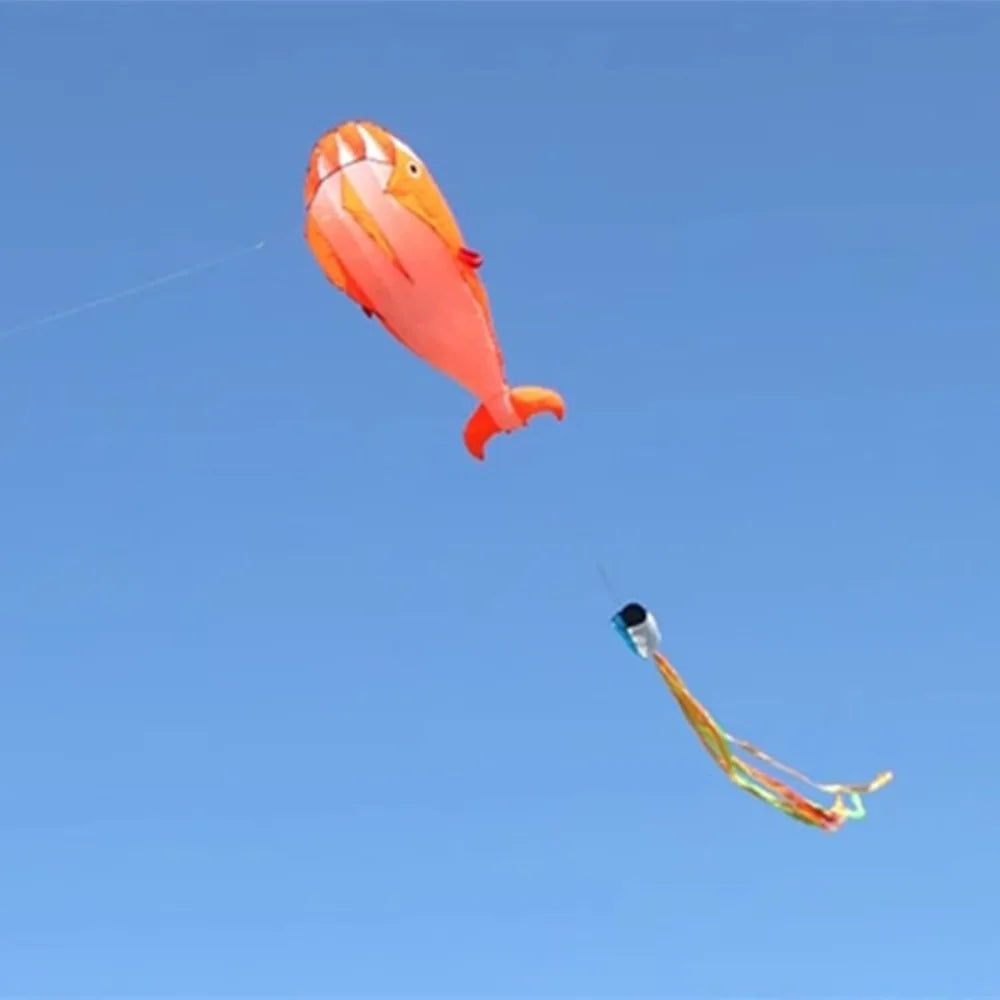
Kites that fly in low wind demonstrating stable kites flight reliability 💡 See it in action
Frequently Asked Questions
Are single line parafoil kites good for beginners?
Yes. Their bridled canopy balances airflow automatically, reducing control difficulty and crash frequency. This makes them one of the most beginner-friendly kite options available.
Do parafoil kites require strong wind?
No. Many parafoil kites perform well in light wind conditions due to lightweight fabric and air-cell structure, making them dependable when traditional kites struggle to stay airborne.
Are parafoil kites durable?
Yes. The absence of rigid frames reduces breakage risk, and ripstop materials resist tearing, improving long-term durability and travel convenience.
Can children safely use parafoil kites?
With adult supervision, parafoil kites are considered safe due to stable flight patterns and softer structural design compared to rigid frame kites.
Related Guide: Glass Coated Kite String: Why It Boosts Control and Durability





