

Baby Slipping on Hard Floors: Causes and Easy Safety Fixes
Are slippery floors dangerous for babies?
Yes, slippery floors for babies can make crawling and early movement more challenging by reducing traction on smooth surfaces like hardwood, laminate, and tile. Occasional slipping is normal as infants develop strength and coordination, but frequent sliding may lower confidence, interrupt tummy time, and discourage exploration. From a pediatric safety perspective, improving grip with simple environmental changes helps babies practice natural movement more comfortably while reducing unnecessary falls.
Slippery Floors for Babies: How to Make Every Room Safer
⏱ 7 min read
Slippery floors for babies are one of those hidden household hazards parents often discover once crawling begins. If your baby keeps sliding instead of moving forward, the floor may be part of the problem—not your child's development. Fortunately, a few practical adjustments can improve traction, encourage confident movement, and make crawling safer throughout your home.
Which room in your home causes the most slipping? Understanding why babies lose traction is the first step toward creating a safer place to explore.
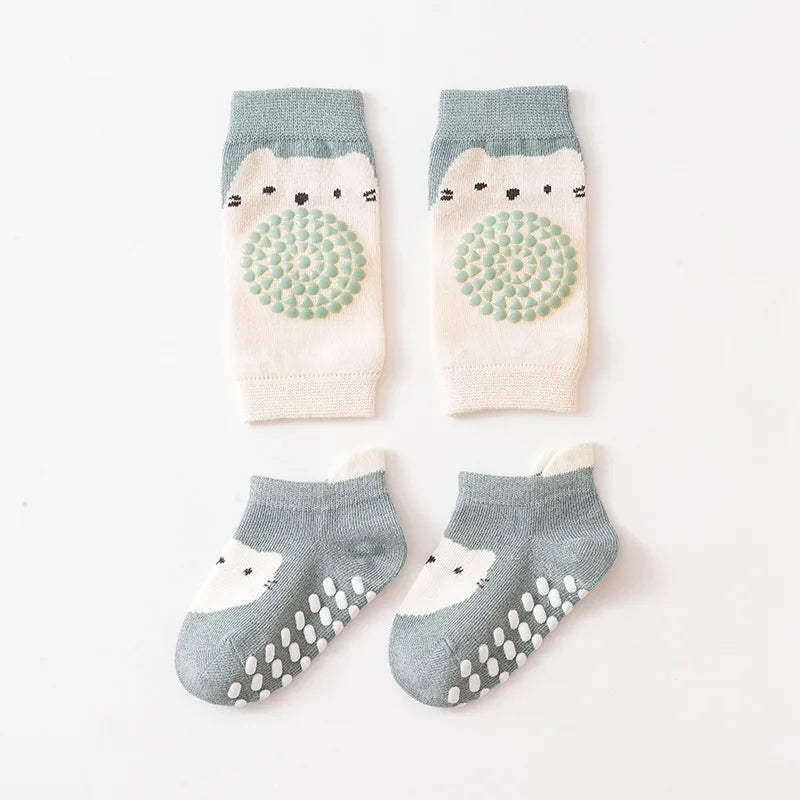
Slippery floors for babies can reduce crawling safety—see how better traction improves movement.
Why Babies Slip on Hard Floors
Babies rely on friction between their hands, knees, and the floor to move efficiently. Smooth flooring offers less grip than carpet, making it harder for developing muscles to generate forward movement. Most babies adapt over time, but some need a little extra support while they build strength and coordination.
Low Friction Surfaces: Tile vs Hardwood
Tile, polished hardwood, laminate, and vinyl all provide relatively low friction. Hardwood usually feels warmer and slightly more forgiving, while glossy tile often becomes even more slippery if dust or moisture is present.
- Tile typically provides the least traction.
- Laminate and polished hardwood allow hands and knees to slide more easily.
- Carpet naturally increases grip but may slightly increase crawling effort.
Developmental Stage and Muscle Strength
Early crawlers are still developing core stability, shoulder strength, and hip control. During this stage, baby slipping on hardwood floors is common because muscles cannot yet compensate for reduced traction.
Clothing and Socks Can Reduce Grip
Loose pants, slippery fabrics, or oversized socks may increase sliding. Bare feet often provide excellent traction on clean floors, while properly fitted grip socks can help when floors are cold or especially smooth.
Crawling Posture and Technique
Babies learning to transition from tummy time to hands-and-knees crawling frequently push backward before moving forward. If they also keep slipping during tummy time, low floor friction may exaggerate this normal learning phase.
Is hardwood floor safe for a crawling baby? Generally, yes—but only if the environment is free of hazards and provides enough traction for comfortable movement.
Common situations include:
- Hands sliding forward unexpectedly during crawling.
- Knees drifting apart instead of staying underneath the body.
- Repeated belly sliding during tummy time.
- Difficulty changing direction or climbing onto soft surfaces.
- Reduced confidence exploring larger open spaces.
Tile floors often create more slipping than hardwood because of their smoother finish. Regardless of floor type, babies usually benefit from a combination of better traction and continued opportunities to practice crawling.
Quick Fixes to Stop Baby Slipping Immediately
Switch to Bare Feet or Grip Socks
Start with the simplest solution. Bare feet work well on many clean surfaces, while non-slip socks are useful on colder hardwood and tile floors.
Use Non-Slip Play Mats or Rugs
Create one or two dedicated crawling areas rather than covering every room. Foam mats or secured rugs provide comfortable practice zones while keeping the rest of the home functional.
Adjust Clothing for Better Traction
Avoid silky fabrics that slide across the floor. Lightweight cotton clothing generally offers better grip without restricting movement.
Create a Safe Crawling Zone
Choose a clutter-free space with enough room for turning, reaching, and exploring. Remove loose rugs that can bunch up and secure any nearby furniture.
Explore supportive developmental resources in Baby Growth & Learning .
Long-Term Solutions for Safer Crawling
Improve Strength Through Daily Tummy Time
Regular tummy time strengthens the shoulders, neck, core, and hips, making it easier for babies to control their movements on smooth flooring.
Encourage Proper Crawling Form
Place favorite toys slightly out of reach to motivate balanced crawling instead of dragging forward on the stomach.
Gradually Introduce Different Surfaces
Allow babies to practice on carpet, foam mats, hardwood, and other safe surfaces. Exposure to different textures helps develop balance and adaptability.
Upgrade Flooring Solutions Only When Needed
If slipping continues despite normal strength development, consider adding additional non-slip mats in high-use play areas instead of permanently changing your flooring.
Parents looking for additional safety products can also browse Health & Safety .
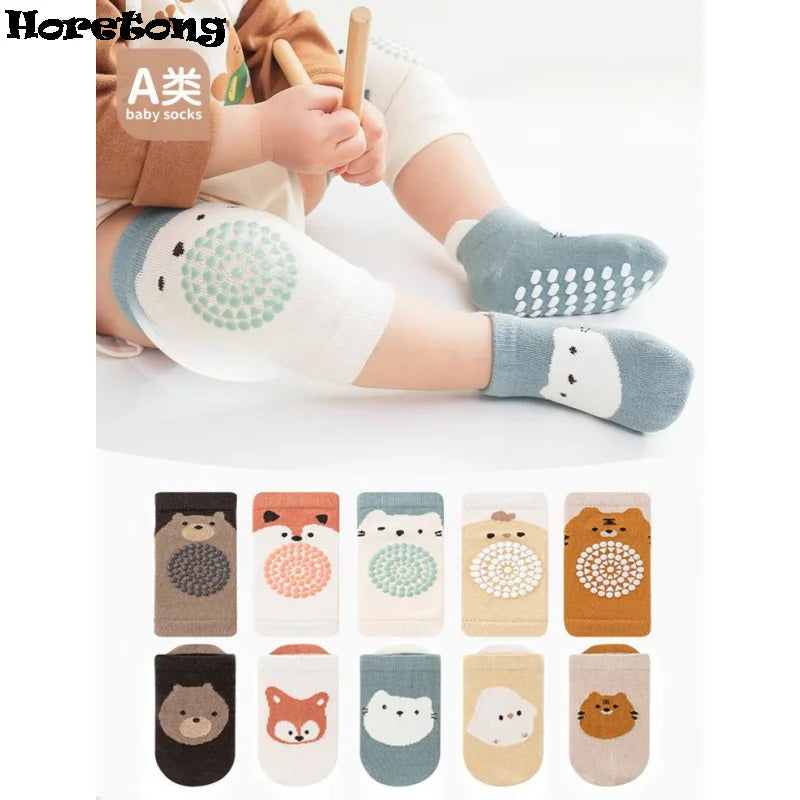
Better traction helps babies practice crawling with greater confidence.
Best Grip Solutions: Socks, Mats, and Flooring Options
How to Choose Non-Slip Baby Socks
Choose socks with silicone grips covering the sole, a snug fit that won't twist, and breathable cotton fabric for everyday comfort.
Play Mats vs Foam Tiles vs Rugs
| Solution | Best For | Advantages | Limitations |
|---|---|---|---|
| Foam Play Mats | Dedicated play areas | Excellent cushioning and traction | Require storage space |
| Area Rugs | Living rooms | Comfortable and attractive | Must be secured to prevent slipping |
| Grip Socks | Whole-house mobility | Portable and inexpensive | Need proper sizing |
| Bare Feet | Clean indoor floors | Natural sensory feedback | Less comfortable on cold surfaces |
Floor Material Comparison
Carpet generally offers the most traction, followed by textured flooring. Hardwood performs well when clean and dry, while polished tile usually provides the least grip.
When Barefoot Is Better
If your home's floors are warm, clean, and safe, barefoot crawling gives babies natural sensory input that supports balance and coordination. Grip socks become more useful on colder or extra-smooth surfaces.
Many families combine these options with products from Baby Care Essentials and Mobility & Training .
Step-by-Step: How to Make Floors Baby-Safe
- Identify where your baby slips most often.
- Clean floors regularly to remove dust that reduces traction.
- Use barefoot crawling or properly fitted non-slip socks.
- Add non-slip mats only in high-use crawling areas.
- Remove loose rugs and other tripping hazards.
- Continue daily tummy time to build strength.
- Reassess your setup every few weeks as your baby becomes more mobile.
For additional support, many parents choose baby knee pads socks non-slip to improve comfort and traction during everyday crawling.
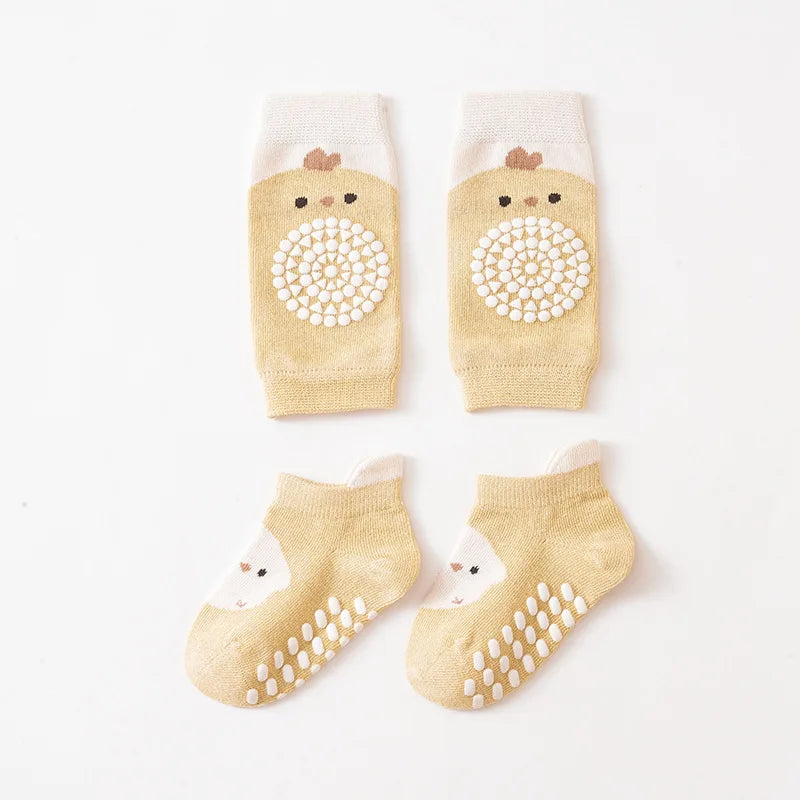
Simple traction improvements can help babies move more confidently across smooth floors.
FAQs About Babies Slipping on Hard Floors
Why does my baby keep slipping during tummy time?
Babies often slide during tummy time because they are still developing shoulder and core strength. Smooth flooring can make this learning stage more noticeable by reducing traction.
Is it safe for babies to crawl on hardwood floors?
Yes. Hardwood floors are generally safe when they are clean, dry, and free from hazards. Adding grip through barefoot crawling, non-slip socks, or play mats can improve stability.
Do babies need grip socks or should they go barefoot?
Both options work well depending on the surface. Bare feet provide natural grip on clean floors, while grip socks help on cold or especially slippery surfaces.
Can slippery floors delay crawling development?
Slippery floors rarely cause developmental delays by themselves, but they can temporarily reduce confidence and make crawling more difficult. Improving traction allows babies to practice movement more comfortably.
When should I be concerned about slipping?
If your baby consistently struggles to bear weight, avoids movement entirely, or shows concerns beyond occasional slipping, discuss their development with your pediatrician.
Do I need to babyproof all floors?
No. Most families only need to improve traction in the rooms where babies spend the most time crawling.
What is the best way to stop a baby from sliding on floors?
Start by allowing barefoot crawling or using properly fitted grip socks, then add non-slip mats in frequently used play areas while continuing tummy time to build strength.
Related Guide: Prevent Baby Slipping Indoors Step by Step Safety Guide





