

Soccer Practice Indoors: A Simple Setup for Any Room
What is soccer practice indoors and does it really work?
Soccer practice indoors works by using controlled movements, light equipment, and small space indoor soccer drills to build footwork, balance, and confidence at home. With the right setup, soccer practice indoors helps beginners and kids stay active, improve ball control, and practice consistently without needing a full field.
⏱ 7 min read
Soccer Practice Indoors: A Simple Setup for Any Room
Rain outside, limited time, or worried about broken lamps? Soccer practice indoors is a practical way for families to keep kids moving, learning, and having fun without leaving the house. With a simple setup, small space indoor soccer drills, and beginner-friendly routines, your living room can become a safe, consistent training zone that builds skills and confidence.
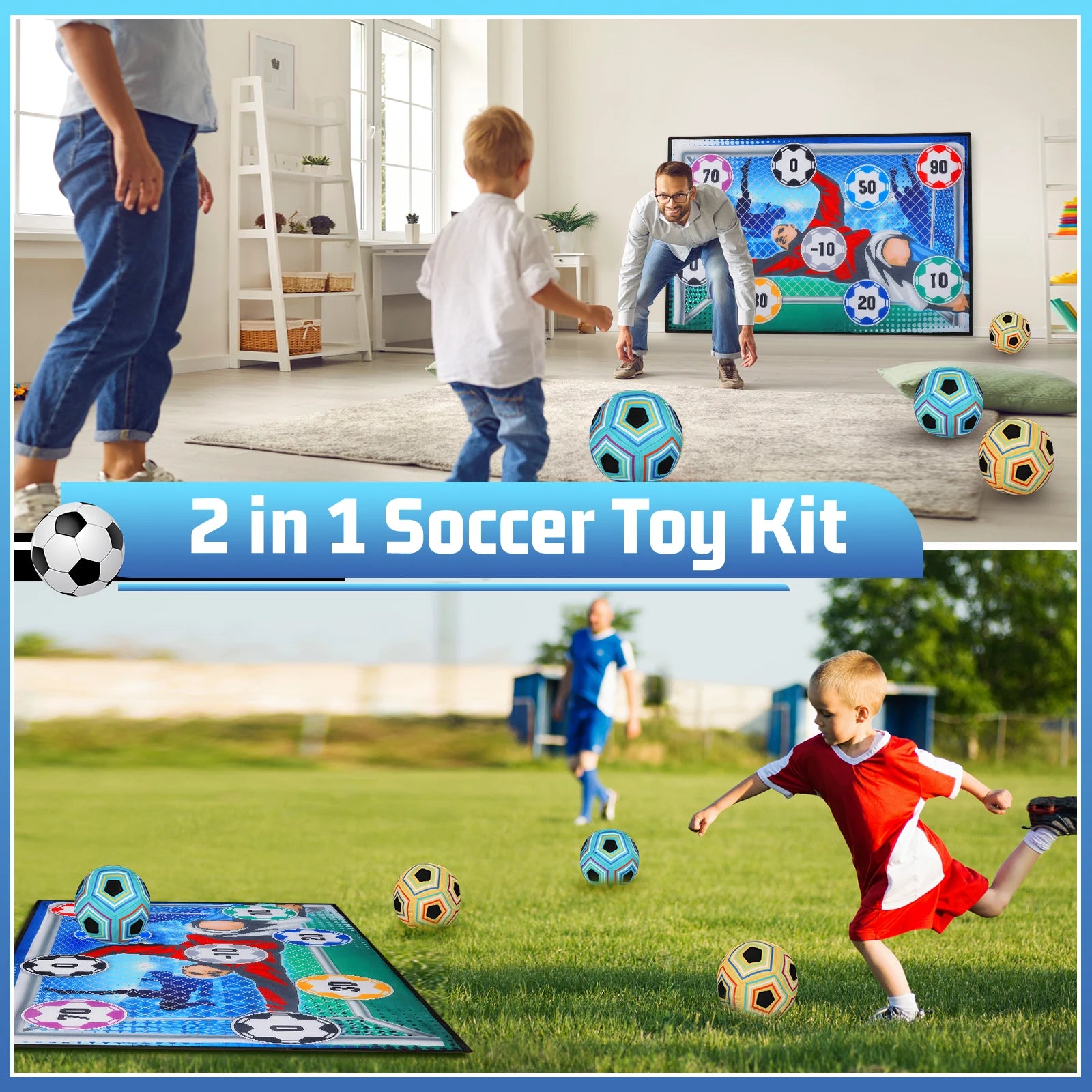
Soccer practice indoors with small space indoor soccer drills that keep training safe and fun 💡 See it in action
Why soccer practice indoors solves common home challenges
Soccer practice indoors removes many barriers families face. No driving, no weather stress, and no missed sessions. It’s especially helpful for younger players who need repetition and confidence more than full-speed scrimmages.
- Consistent practice, even on busy weekdays
- Perfect for apartments or shared living spaces
- Supports beginner soccer lessons with low pressure
- Keeps kids active while staying supervised
Parents often notice improved focus and coordination after just a few weeks of short indoor sessions.
How to set up soccer practice indoors safely
Soccer practice indoors starts with a smart layout. You don’t need much space, but you do need intention.
Soccer practice indoors works best in a cleared area of 6–10 feet, using soft balls, clear boundaries, and simple targets. This setup protects furniture, reduces noise, and allows kids to focus on footwork, control, and balance without distractions.
- Move fragile items and create a clear zone
- Use soft or foam soccer balls
- Mark boundaries with tape or cones
- Set one clear target or goal area
Families often combine this setup with activity tools from Mobility & Training to support coordination and balance during drills.
Choosing the right indoor goal
A lightweight, wall-friendly goal keeps practice focused. A sticky or soft-surface goal allows kids to aim accurately without risk.
Many parents find the Kids Soccer Sticky Goal Toy helpful for encouraging accuracy and making drills feel like a game.
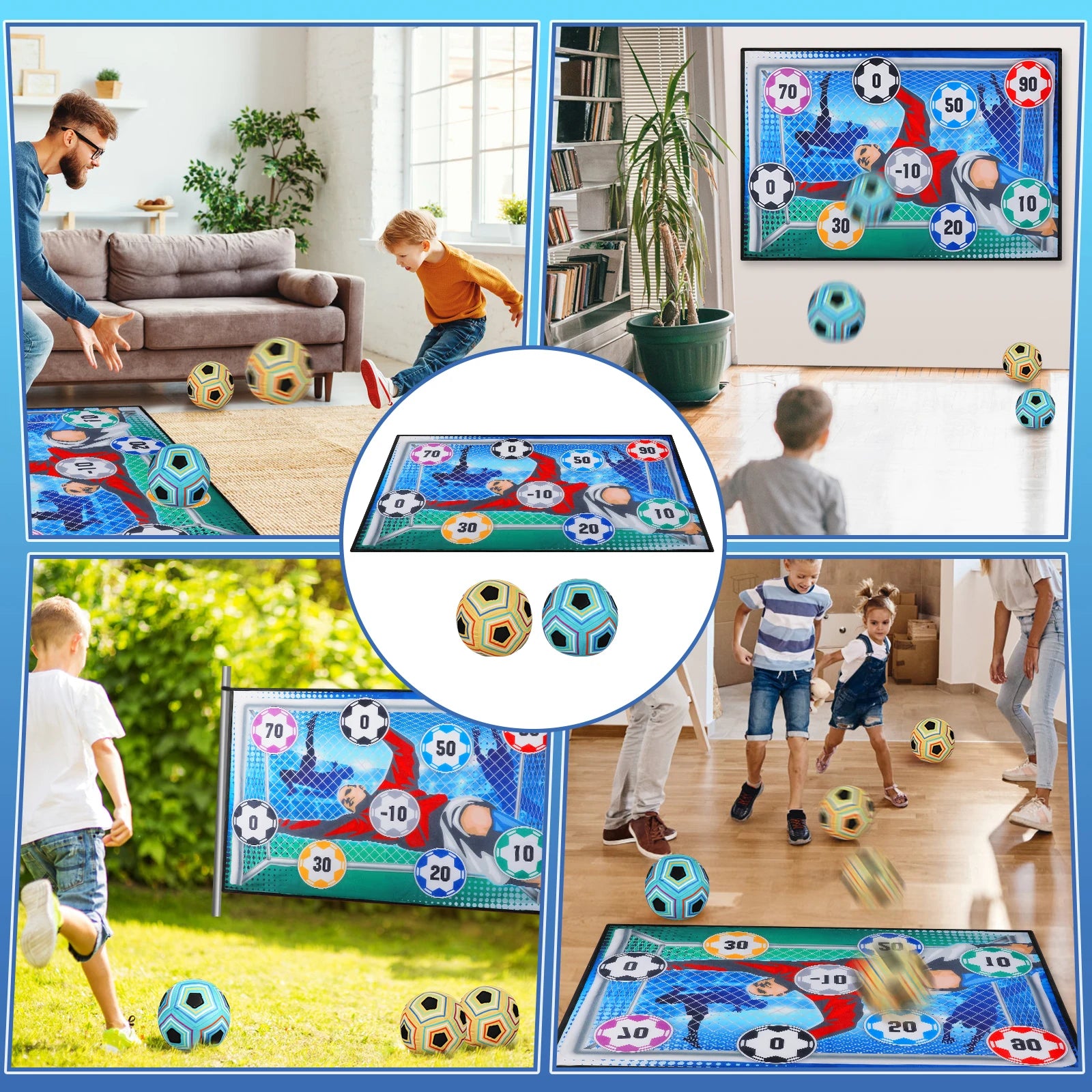
Small space indoor soccer drills that build confidence and control 💡 See it in action
Beginner soccer lessons that work in small spaces
Beginner soccer lessons indoors should focus on touch, balance, and comfort with the ball rather than speed or power.
Beginner soccer lessons indoors focus on controlled touches, simple movements, and repetition. Soccer practice indoors helps new players develop coordination, learn basic footwork, and gain confidence without pressure, making it ideal for younger kids and first-time learners.
- Toe taps and sole rolls
- Inside-foot passes against a wall
- Slow dribbling in tight patterns
- Aiming drills using soft targets
Short sessions paired with movement breaks help kids stay engaged. Some families combine drills with sensory breaks using items from Sensory Toys to reset focus.
Fun indoor soccer drills kids actually enjoy
Fun indoor soccer drills keep motivation high. When drills feel like games, kids practice longer without realizing it.
- Target challenge: Hit the goal from different distances
- Color call-out: Dribble to a named marker
- Time trial: Complete touches in 30 seconds
- Balance freeze: Stop the ball and hold position
Parents report that turning drills into challenges boosts confidence and reduces resistance to practice.
| Drill Type | Main Benefit | Best For |
|---|---|---|
| Target Practice | Accuracy | All ages |
| Footwork Circles | Ball control | Beginners |
| Timed Touches | Focus | Kids 5+ |
A simple weekly indoor soccer routine
Consistency matters more than duration. Soccer practice indoors works best with short, repeatable routines.
- Day 1: Footwork and balance drills
- Day 2: Passing and target practice
- Day 3: Fun indoor soccer drills
- Day 4: Review and free play
Pairing soccer practice with recovery tools from Massage & Relaxation can help kids wind down after activity.
Keeping indoor soccer practice safe for kids
Safety is a top concern for parents. Indoor practice should feel controlled and predictable.
- Use non-slip socks or barefoot play
- Limit hard kicks
- Supervise younger children
- Set clear start and stop signals
Many families store equipment nearby with items from Health & Safety to keep spaces organized and hazard-free.
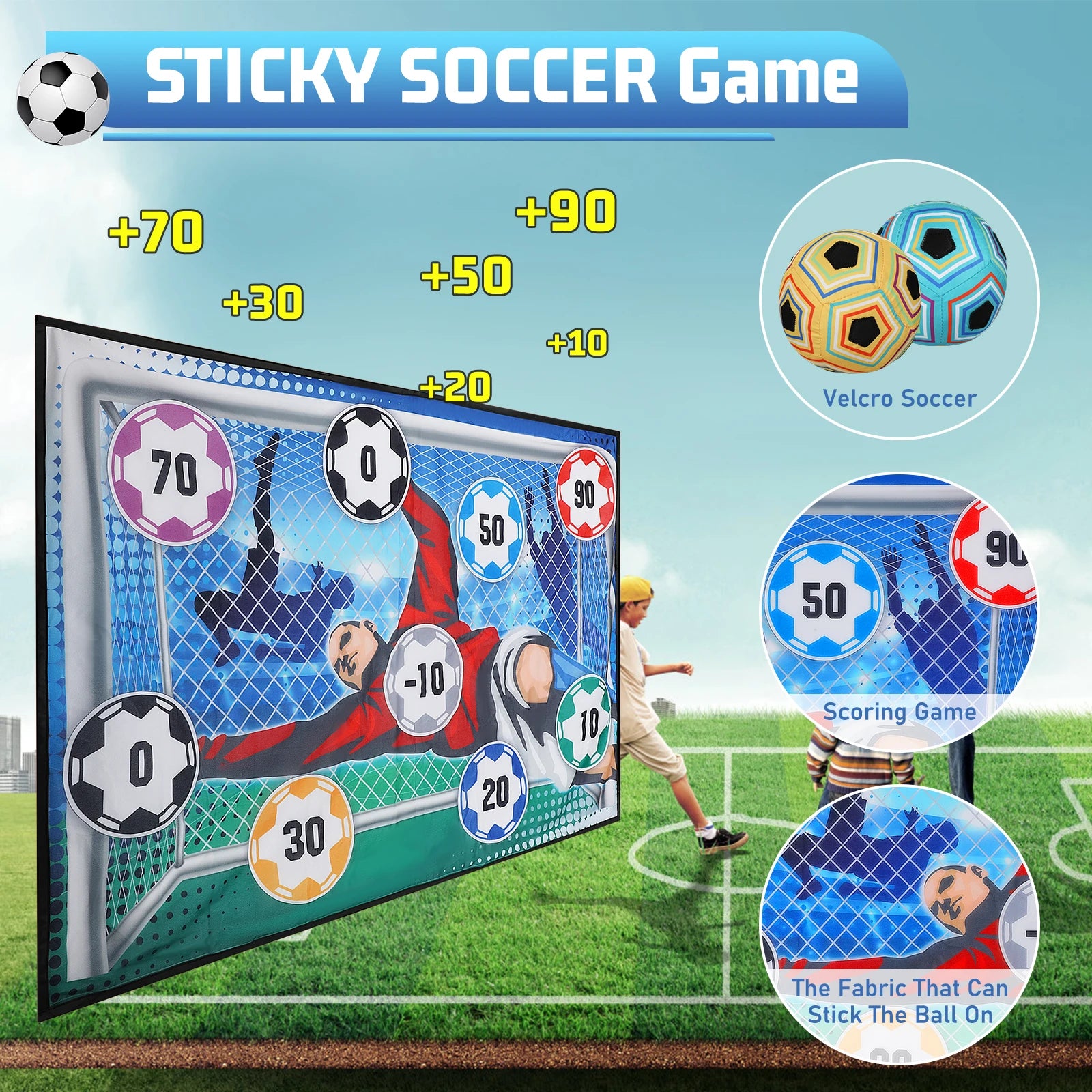
Fun indoor soccer drills that fit real family routines 💡 See it in action
Quick FAQs parents ask
Can soccer practice indoors replace outdoor training?
Indoor practice supports skill-building and consistency, but outdoor play is still helpful for running and teamwork.
How long should indoor sessions be?
Most kids benefit from 15–30 minutes of focused soccer practice indoors.
Is indoor soccer safe for toddlers?
Yes, with soft balls, supervision, and beginner soccer lessons designed for small spaces.
Related Guide: Indoor Soccer Practice Drills You Can Do at Home





