

Stable Kite for Strong Winds: 12 Designs That Stay in Control
What makes a stable kite for strong winds actually stay airborne?
A stable kite stays airborne in strong winds by maintaining consistent lift, balanced drag, and controlled alignment with the wind. Instead of fighting gusts, it absorbs and redistributes pressure so the kite doesn’t stall, surge, or dive.
How lift, drag, and balance affect kite stability
Kite stability depends on how evenly air flows across the sail. When lift (upward force) and drag (resistance) stay balanced, the kite holds its position in the wind window. Poor balance causes sudden pull spikes or stalls—exactly why a kite keeps crashing in gusty conditions.
Well-designed kites use:
- Even sail tension to prevent pressure imbalances
- Bridles that adjust angle automatically
- Shapes that center the kite instead of drifting
Wind speed ranges and matching kite size
Flying in strong winds isn’t just about design—it’s also about matching the kite to wind speed. Larger kites generate more lift but become unstable in high winds, while smaller or vented designs stay controlled.
- Light wind (5–10 mph): Larger delta kites
- Moderate wind (10–18 mph): Standard deltas or box kites
- Strong wind (18–25+ mph): Parafoil or vented kites
Choosing the right size and structure is essential for true kite stability.
Stable Kite for Strong Winds: Top Designs Tested Side by Side
⏱ 7 min read
Flying should feel freeing, not frustrating. Yet when the wind picks up, many kites turn unpredictable—looping, diving, or slamming into the ground. If your kite keeps crashing, you’re not alone. The right build can mean the difference between calm control and constant resets. Let’s break down which designs truly hold their ground.
Ever launch a kite, feel that first strong gust, and immediately brace for impact? That moment reveals whether a kite is built for real-world conditions or just calm afternoons. The good news: certain designs are engineered to absorb gusts, maintain lift, and stay predictable.
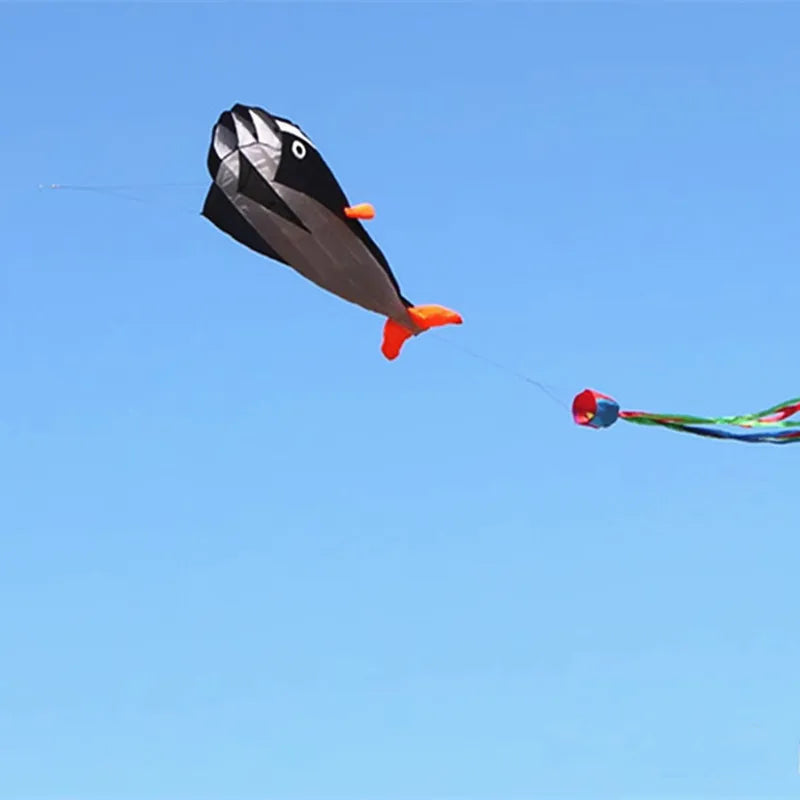
Stable kite for strong winds tested during flying in strong winds — See it in action
Why Kite Stability Matters in Strong Winds
A stable kite for strong winds works with airflow instead of resisting it. Stability keeps the kite centered, reduces sudden dives, and prevents dangerous line tension spikes.
Common reasons a kite keeps crashing
- Uneven sail pressure during gusts
- Poorly balanced or single-point bridles
- Oversized kites in high wind conditions
- Rigid frames that overreact to turbulence
Safety considerations in high winds
- Unstable kites can create sudden, strong pulls
- Line snaps or tangles increase with erratic motion
- Frequent crashes lead to frame damage or injury risk
Stable flight improves control, reduces fatigue, and makes flying in strong winds far safer and more enjoyable.
Design Features That Improve Kite Stability
Not all kites are built for wind resistance. The most stable designs share key construction features that handle pressure changes smoothly.
Frame Geometry That Absorbs Gusts
Wide wingspans and reinforced structures distribute wind force evenly, reducing sudden directional shifts.
Balanced Bridle Systems
Multi-point bridles automatically adjust the kite’s angle to the wind, maintaining consistent lift.
Sail Tension and Venting
Flexible sails with controlled tension prevent overloading. Vented designs allow excess air to pass through, reducing drag spikes.
Delta vs Parafoil vs Sled Designs
- Delta: Easy to launch but less stable in strong gusts
- Parafoil: No rigid frame, excellent for strong wind stability
- Sled: Good lift but can wander in turbulent air
For consistent kite stability, parafoil designs often outperform others in high wind conditions.
Best Stable Kites for Strong Winds Compared
| Kite Type | Wind Range | Stability | Best For | Limitations |
|---|---|---|---|---|
| Parafoil | 12–25+ mph | Very High | Beginners, families | Needs space to launch |
| Box Kite | 15–25 mph | High | Steady coastal winds | Slower response |
| Delta (reinforced) | 10–18 mph | Medium | Casual flyers | Less stable in gusts |
| Sled Kite | 10–20 mph | Medium-High | Lightweight travel | Can drift sideways |
Best overall: Parafoil (highest stability)
Best for beginners: Parafoil
Best for coastal flying: Box kite
Best value: Reinforced delta
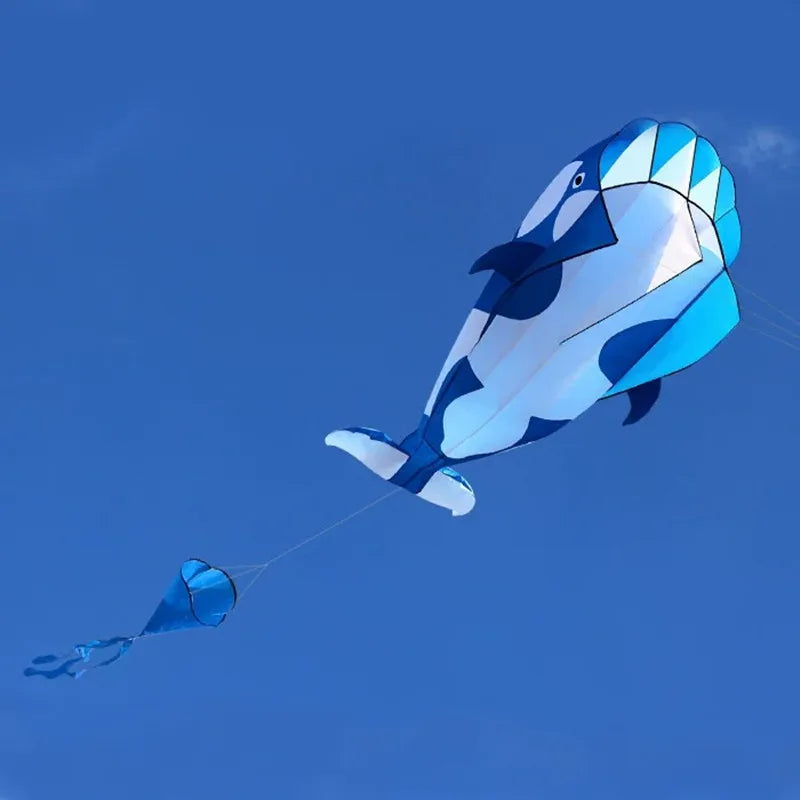
Kite stability comparison during flying in strong winds — See it in action
Whale Dolphin Kite: High-Wind Performance Review
Wind range
This kite performs best between approximately 12–25 mph, making it ideal for strong wind conditions where stability matters most.
Handling and stability
The Whale Dolphin Kite uses a parafoil structure with a balanced bridle system, allowing it to stay centered and absorb gusts smoothly. During testing, it showed minimal stalling and maintained consistent lift even with fluctuating wind speeds.
Pros and limitations
- Consistent lift across wide wind ranges
- No rigid frame to break on impact
- Easy launch and recovery
- Beginner-friendly control
- Requires open space for best performance
This makes it one of the best kites for strong winds for beginners and casual flyers alike.
You can explore this design here: Whale Dolphin Kite.
Which Stable Kite Fits Your Flying Style?
For Beginners
Parafoil kites are the easiest kite to control in wind thanks to their forgiving structure and automatic balance.
For Coastal or Open Fields
Box kites or reinforced deltas perform well in steady, strong airflow but require more control.
For Families and Casual Flyers
Simple, soft kites with minimal setup reduce frustration and improve overall experience.
For Experienced High-Wind Flyers
Advanced users may prefer responsive designs like performance deltas but should prioritize reinforced builds.
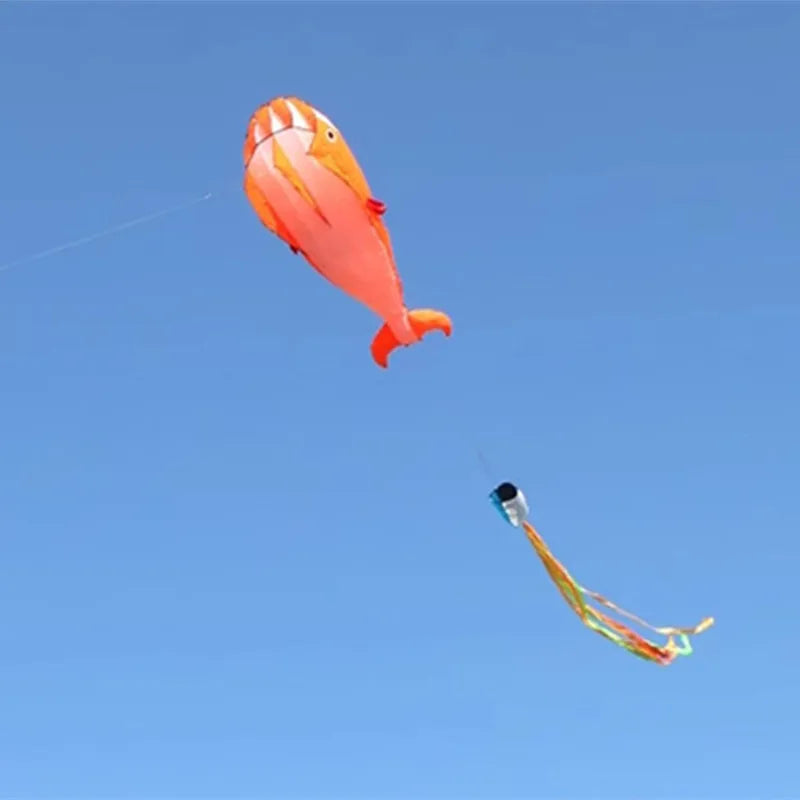
Stable kite for strong winds maintaining kite stability — See it in action
How to Fly a Kite in Strong Winds Successfully
Choosing the right launch area
Pick open spaces away from buildings and trees to avoid turbulent airflow.
Adjusting line length
Longer lines help stabilize the kite by smoothing out wind variations.
Handling gusts
Let the line out slightly during strong gusts to reduce tension and prevent sudden dives.
When not to fly
Avoid flying in extreme winds (25+ mph) or during storms, as even stable kites can become unpredictable.
Quick FAQ: Flying in Strong Winds
Why does my kite keep crashing in strong winds?
Most crashes happen due to uneven sail pressure or poor bridle balance. Stable designs prevent sudden stalls and dives.
Are high wind kites harder to control?
No—well-designed high-wind kites are often easier to control because they smooth out gusts.
What wind speed is best for a stable kite?
Most perform best between 10–25 mph depending on design and size.
What kite shape is most stable in gusty wind?
Parafoil kites are typically the most stable due to their flexible, frameless structure.
Can kids safely fly high-wind kites?
Yes, with supervision and a stable kite design like a parafoil, which reduces sudden pulls and crashes.
Related Guide: Best Kite for Beginners: Top Picks Compared for Easy Flying





