

Scooter Height Adjustment Button: Unlock, Adjust & Fix Issues
What is the correct scooter handlebar height?
The correct scooter handlebar height depends on the rider's size and experience. For most children, the handlebars should sit between the waist and belly button when standing naturally on the scooter deck. For adults, the ideal height is usually around the upper thigh to just below the hips. Proper scooter handlebar height improves steering control, riding comfort, and scooter balance while reducing unnecessary strain on the wrists, shoulders, and back. An adjustable height kids scooter makes it easy to maintain the correct fit as your child grows.
Step-by-Step Guide to Adjusting Scooter Handlebar Height
Scooter handlebar height has a direct impact on comfort, confidence, and safety. When the handlebars are adjusted correctly, riders maintain better posture, steer more naturally, and enjoy smoother rides with less fatigue. Even a small adjustment can make a noticeable difference, especially for growing children. This guide explains how tall scooter handlebars should be, how to find the ideal height for different riders, and how to set them correctly in just a few minutes.
⏱ 6 min read
If your child leans excessively forward, locks their elbows while steering, or complains about sore arms after riding, the handlebar height may need adjusting. Fortunately, most modern scooters can be adjusted quickly, allowing you to improve comfort and control without special tools.
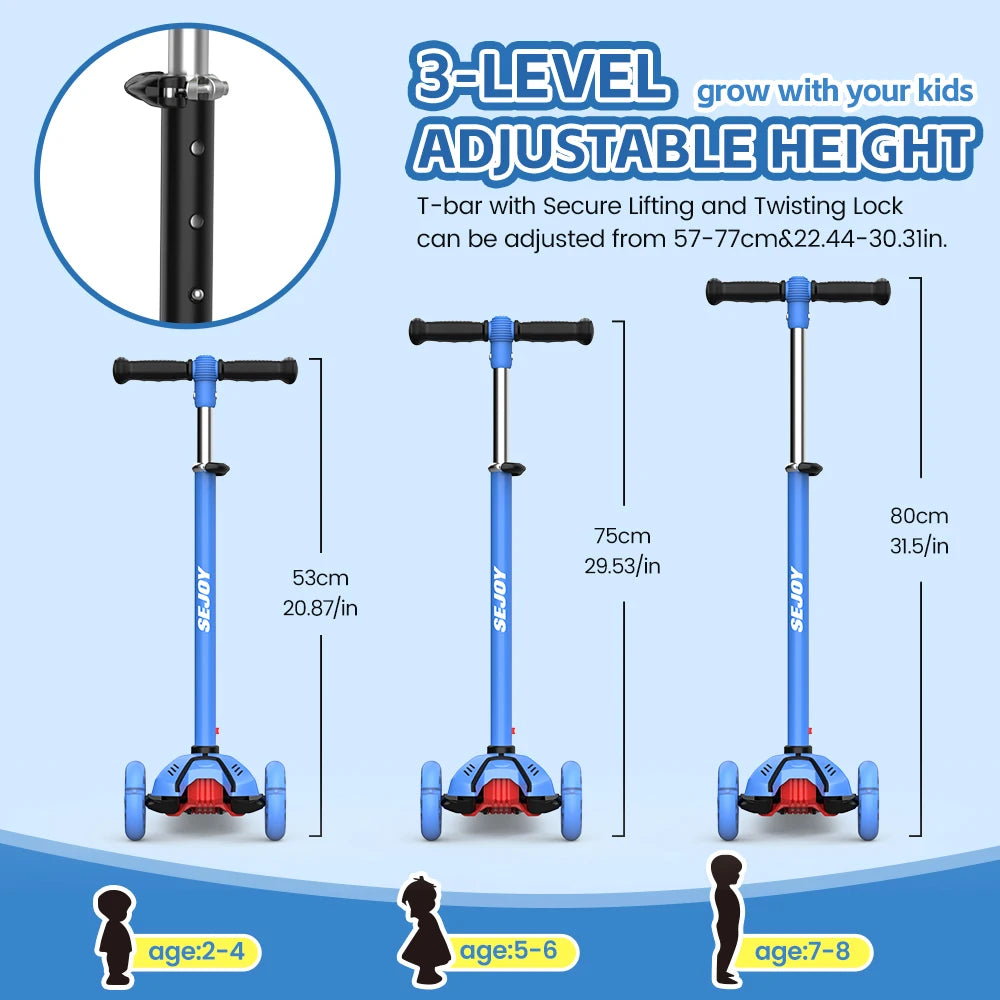
Proper scooter handlebar height improves scooter balance and riding comfort. See it in action.
Explore an adjustable scooter designed to grow with kids
What Is the Correct Scooter Handlebar Height?
The height of scooter handlebars should allow the rider to stand comfortably with relaxed shoulders, a straight back, and slightly bent elbows. This riding position improves steering precision, keeps body weight centered over the deck, and reduces fatigue during longer rides. If the handlebars are too high, steering can feel unstable. If they are too low, riders often hunch forward and place excess pressure on their wrists.
Recommended height for kids
For children, scooter handlebars should generally align between the waist and belly button while they stand naturally on the scooter. This sizing provides a comfortable grip and supports better balance without forcing the shoulders upward.
- New riders: Position the handlebars near waist height to encourage greater control and confidence.
- Intermediate riders: A mid-waist setting offers a comfortable balance between maneuverability and relaxed posture.
- Taller or older children: Raising the handlebars closer to belly-button height helps maintain comfort as they grow.
Recommended height for adults
Adults typically benefit from handlebars positioned slightly below the hips or around the upper thigh when standing next to the scooter. This allows natural arm movement while maintaining responsive steering. Riders who commute longer distances may prefer a slightly higher setting for comfort, while those focused on agility often choose a slightly lower position for improved control.
If you're wondering how tall scooter handlebars should be, prioritize proper riding posture over an exact measurement. The ideal height is one that allows comfortable steering with relaxed shoulders and bent elbows rather than locked arms.
If you're helping a younger child, pairing proper scooter setup with coordination play from Mobility & Training activities can help build confidence and riding skills even faster.
Step-by-Step Guide to Adjusting Scooter Handlebar Height
Most scooters can be adjusted in just a few minutes without special tools. Depending on the model, the scooter height adjustment may use a push-button locking pin, a clamp-lock collar, or a quick-release lever. Regardless of the mechanism, the goal is the same: position the handlebars correctly and make sure they lock securely before riding.
- Park the scooter on a flat, stable surface. Keeping the scooter level makes it easier to judge the correct handlebar position.
- Ask the rider to stand naturally on the deck. Feet should be in a comfortable riding stance with eyes looking forward.
- Release the height adjustment mechanism. Press the adjustment button, loosen the clamp, or open the quick-release lever according to your scooter's design.
- Raise or lower the handlebars. Adjust until they reach the recommended riding height for the rider, keeping shoulders relaxed and elbows slightly bent.
- Lock the mechanism securely. Ensure the push button fully clicks into place or tighten the clamp firmly so the handlebar cannot slide during use.
- Perform a quick function check. Hold the handlebars and gently apply upward pressure while turning left and right. There should be no movement, wobble, or slipping.
Before every ride, verify that the locking mechanism is fully engaged. A properly secured handlebar provides more predictable steering and helps maintain safe scooter balance.
See how an adjustable height kids scooter simplifies setup
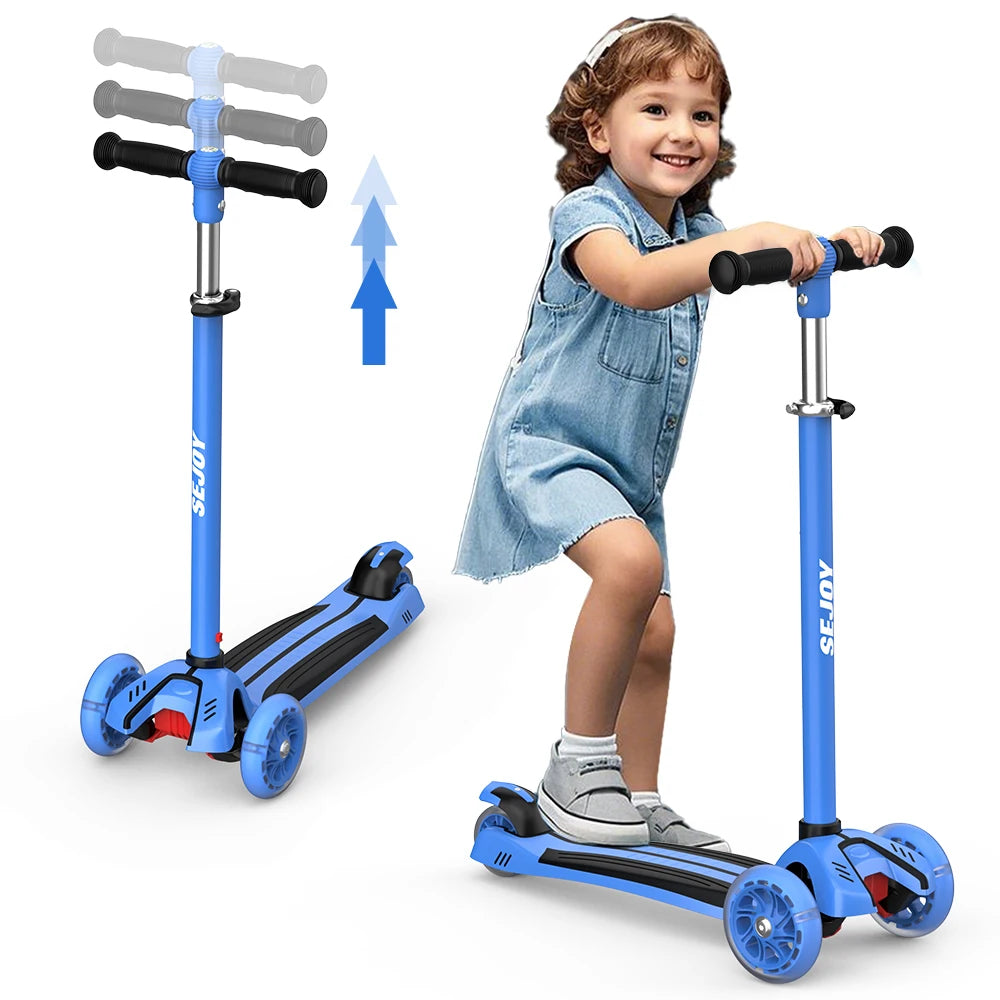
Scooter height adjustment helps kids ride longer with better balance. See it in action.
Why Adjustable Height Kids Scooters Make Sense for Growing Riders
Children can outgrow sporting equipment surprisingly quickly. An adjustable height kids scooter allows the handlebars to be raised as your child grows, helping maintain the correct riding posture without replacing the scooter every year. Regular scooter height adjustment also helps preserve comfort and steering control throughout different stages of development.
Beyond accommodating growth, adjustable models provide long-term value by allowing multiple siblings of different heights to use the same scooter. As riding skills improve, the handlebar position can also be fine-tuned for comfort without compromising stability.
Parents often appreciate products that adapt alongside their children, similar to learning resources found in Baby Growth & Learning collections.
| Feature | Fixed Height Scooter | Adjustable Height Scooter |
|---|---|---|
| Fits Growing Kids | ❌ Limited | ✅ Multiple height settings |
| Riding Comfort | May decrease over time | ✅ Easily maintained |
| Scooter Balance | Can decline as children grow | ✅ Supports proper posture |
| Long-Term Value | Often replaced sooner | ✅ Adapts for years of use |
Common Scooter Height Adjustment Mistakes to Avoid
Even a well-designed scooter can feel unstable if the height adjustment is performed incorrectly. Avoiding these common mistakes helps improve safety, comfort, and overall riding performance.
- Setting the handlebars too high to "grow into". Excessive height reduces steering control and encourages poor posture.
- Failing to lock the adjustment mechanism completely. Always confirm the push button, clamp, or quick-release system is fully secured before riding.
- Forcing a stuck adjustment button. If the mechanism does not move freely, inspect it for dirt, debris, or misalignment instead of applying excessive force.
- Ignoring riding posture after adjustment. The correct scooter handlebar height should allow relaxed shoulders and slightly bent elbows.
- Skipping routine inspections. Recheck the scooter height adjustment every few months or whenever your child experiences a noticeable growth spurt.
Just like routine equipment inspections recommended in Health & Safety guides, periodically checking the handlebar locking mechanism helps ensure every ride starts safely.
Quick Safety Check Before Every Ride
Taking less than a minute to inspect your scooter before riding can prevent many common problems. A quick safety check confirms that the scooter handlebar height is still correct, the locking mechanism is secure, and every component is ready for a safe ride.
- Verify the handlebar lock. Make sure the height adjustment button, clamp, or quick-release mechanism is fully engaged.
- Check for unwanted movement. Grip the handlebars and gently pull upward while turning left and right. They should remain firmly in place.
- Inspect fasteners. Confirm that clamps, bolts, and folding mechanisms are tight and show no signs of looseness.
- Confirm proper riding posture. The rider should steer comfortably with relaxed shoulders and slightly bent elbows.
- Check foot placement. Both feet should rest securely on the deck without affecting balance.
- Take a short test ride. Roll forward slowly and test steering and braking before riding at normal speed.
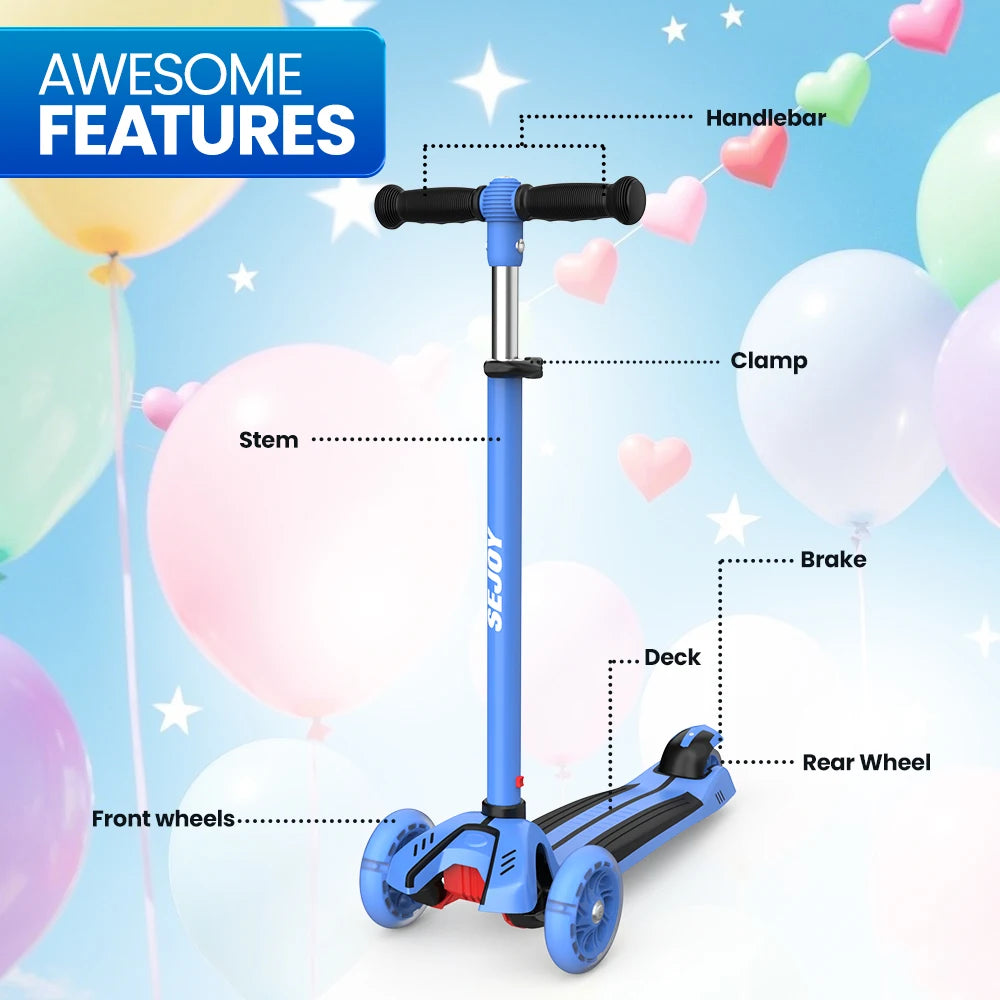
Correct scooter handlebar height supports safety and confidence. See it in action.
Get an adjustable scooter that grows with your child
Frequently Asked Questions
How often should I adjust scooter handlebar height?
Check the scooter handlebar height every three to four months, after a noticeable growth spurt, or whenever the rider's posture changes. Regular scooter height adjustment helps maintain comfort, control, and safe handling.
Can incorrect height cause falls?
Yes. Handlebars that are too high or too low can shift the rider's weight, reduce steering precision, and increase the risk of losing balance during turns or sudden stops.
Is adjustable height better for beginners?
Yes. An adjustable height kids scooter lets parents fine-tune the riding position as children build confidence and improve their skills, making it easier to maintain proper posture and control.
Why is my scooter height adjustment button stuck?
A scooter height adjustment button may stick because of dirt, dried mud, corrosion, or a misaligned locking pin. Clean the mechanism first and realign the handlebar if necessary. Avoid forcing the button, as excessive pressure can damage the internal locking system.
Can I use lubricant on the adjustment button?
A light silicone-based lubricant can help if the mechanism feels stiff after cleaning. Apply only a small amount and wipe away excess to avoid attracting dirt and debris that could interfere with the locking pin.
Are adjustment buttons different between scooter brands?
Yes. Some scooters use spring-loaded push buttons, while others rely on clamp-lock or quick-release systems. Always follow the manufacturer's instructions and confirm that the handlebars are fully locked before every ride.
Related Guide: How to Choose the Right Scooter for 4 Year Olds





