

Step-by-Step Guide to Developing Hand Eye Coordination
How to develop hand eye coordination in young children?
How to develop hand eye coordination starts with simple, playful activities that connect what children see with how they move. Using everyday games, guided routines, and early childhood development toys helps strengthen focus, timing, and motor control. Consistent sensory-rich play builds these skills faster than passive activities.
Step-by-Step Guide to Developing Hand Eye Coordination
⏱ 7 min read
How to develop hand eye coordination is a question many parents ask when they notice their child struggling to catch a ball, stack blocks, or feed themselves neatly. The good news? These skills are not fixed. With the right daily habits, playful guidance, and thoughtful use of early childhood development toys, children can build coordination naturally while having fun.
Explore safe, age-appropriate options in Sensory Toys.
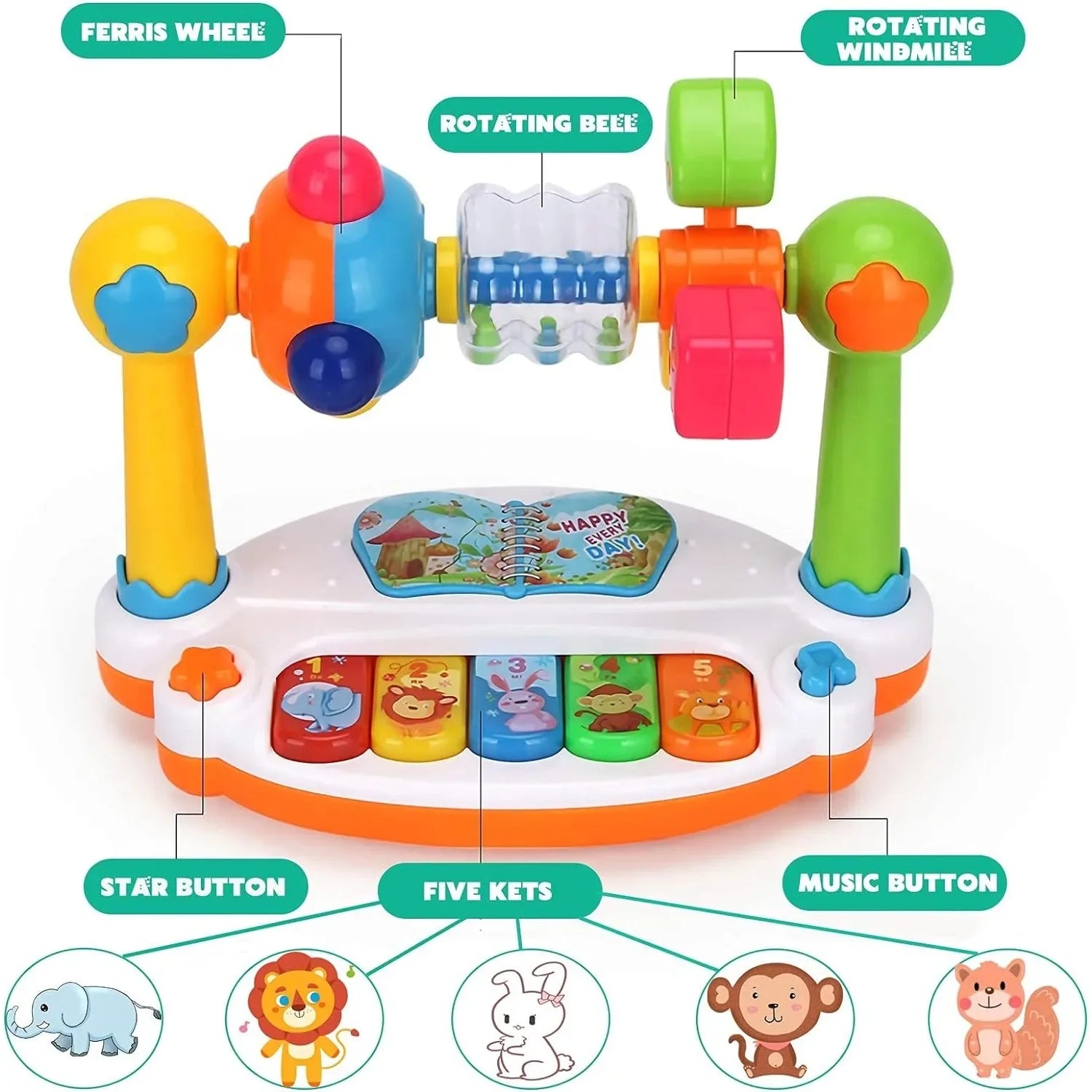
How to develop hand eye coordination through playful routines that feel natural 💡 See it in action
Why Hand Eye Coordination Matters More Than You Think
Hand eye coordination affects far more than playtime. It influences feeding, dressing, writing, sports, and even confidence. When children struggle to align what they see with how their hands move, frustration builds quickly.
Strong coordination helps children:
- Feed themselves with less mess
- Hold crayons, spoons, and tools with control
- Participate confidently in group play
- Build independence in daily routines
What Is Hand Eye Coordination?
Hand eye coordination is the ability to process visual information and guide hand movements accurately. When a child sees an object and reaches, presses, stacks, or throws, their brain is synchronizing vision with motor action.
This skill develops gradually, especially during early childhood, and improves fastest through repeated, engaging experiences rather than forced practice.
Step-by-Step: How to Develop Hand Eye Coordination Through Play
How to develop hand eye coordination works best when learning feels like play. Below is a simple, parent-friendly approach that fits into everyday life.
- Start with large, slow movements. Rolling a ball back and forth or dropping toys into a container builds early timing.
- Introduce cause-and-effect toys. Pressing buttons, flipping switches, or tapping keys helps children connect action with outcome.
- Gradually increase precision. Stacking blocks, fitting shapes, or turning pages refines control.
- Repeat daily in short sessions. Five to ten minutes, multiple times a day, is more effective than long drills.
Browse hands-on options in Baby Growth & Learning.
How Toys for Sensory Development Speed Up Progress
How do you improve hand eye coordination without constant instruction? Sensory-rich toys do much of the work for you. These toys engage sight, sound, and touch at the same time, helping the brain build stronger connections.
Why Sensory Play Works So Well
- Bright colors guide visual tracking
- Textures encourage grasping and exploration
- Sounds reward accurate movements
- Interactive feedback keeps attention longer
Parents often notice faster progress when children use toys designed for sensory development instead of passive screens or single-function objects.
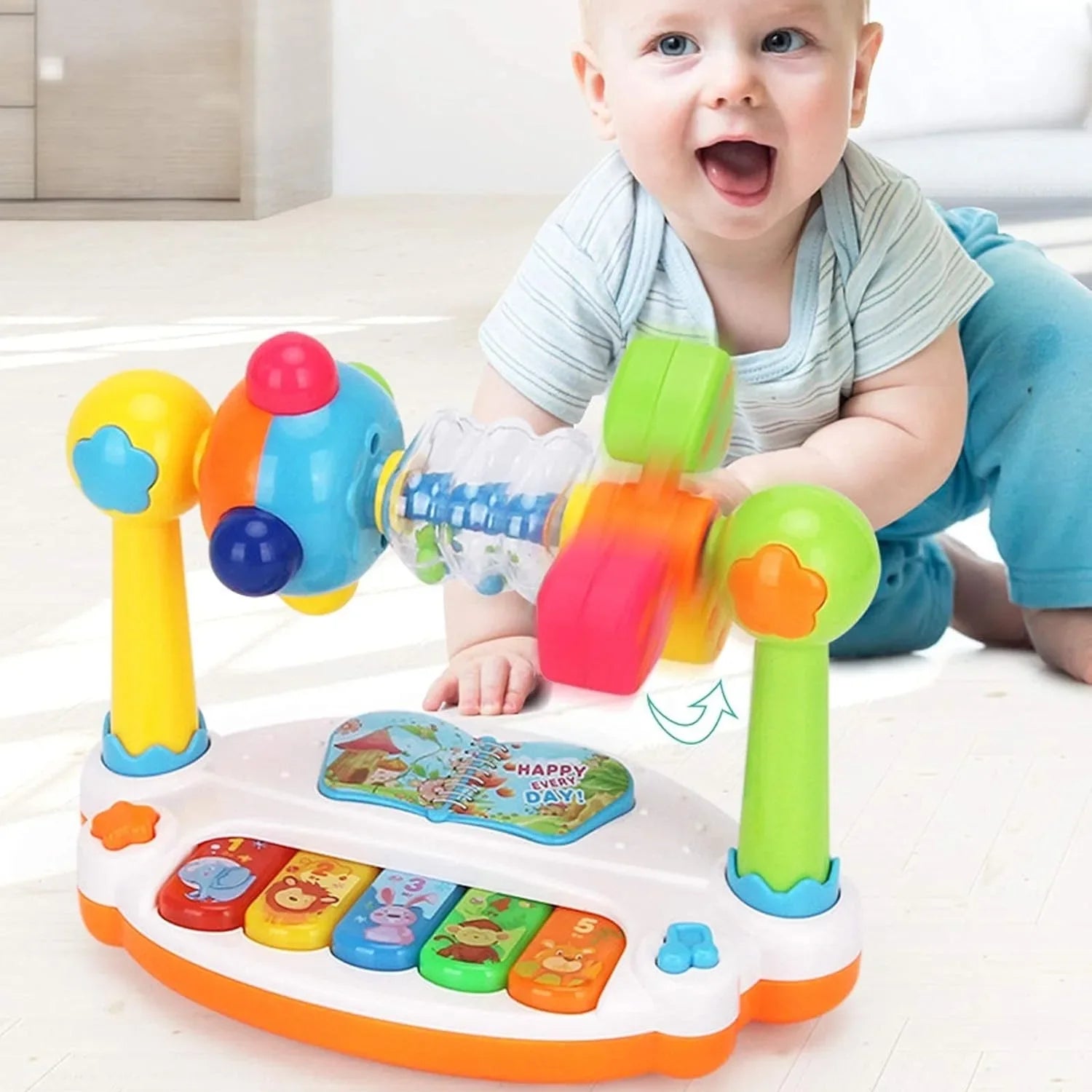
How do you improve hand eye coordination? Sensory play makes learning intuitive 💡 See it in action
Easy Daily Routines Parents Can Follow
You do not need special classes to support coordination. Simple routines at home make a measurable difference.
- Meal prep play: Let children scoop, pour, or stir with supervision.
- Bath time tasks: Squeezing toys and pouring water builds control.
- Music moments: Pressing keys or tapping rhythms links sound with movement.
- Tidy-up games: Placing toys into bins improves aim and focus.
These small moments, repeated daily, strengthen skills naturally without pressure.
Common Mistakes That Slow Progress
Even with good intentions, some habits can limit improvement.
- Expecting precision too early
- Correcting every movement instead of encouraging effort
- Relying heavily on screens
- Skipping play in favor of worksheets
Children learn coordination through movement, not memorization.
A Simple Toy That Supports Multiple Skills
Many parents ask how do you improve hand eye coordination while keeping children engaged longer. Interactive music toys are a powerful option because they combine sound, touch, and visual cues.
An example is a playful keyboard-style toy that encourages pressing, tapping, and exploring cause and effect. Each interaction reinforces timing and accuracy while keeping children motivated.
👉 Explore the baby piano toy keyboard that supports playful learning
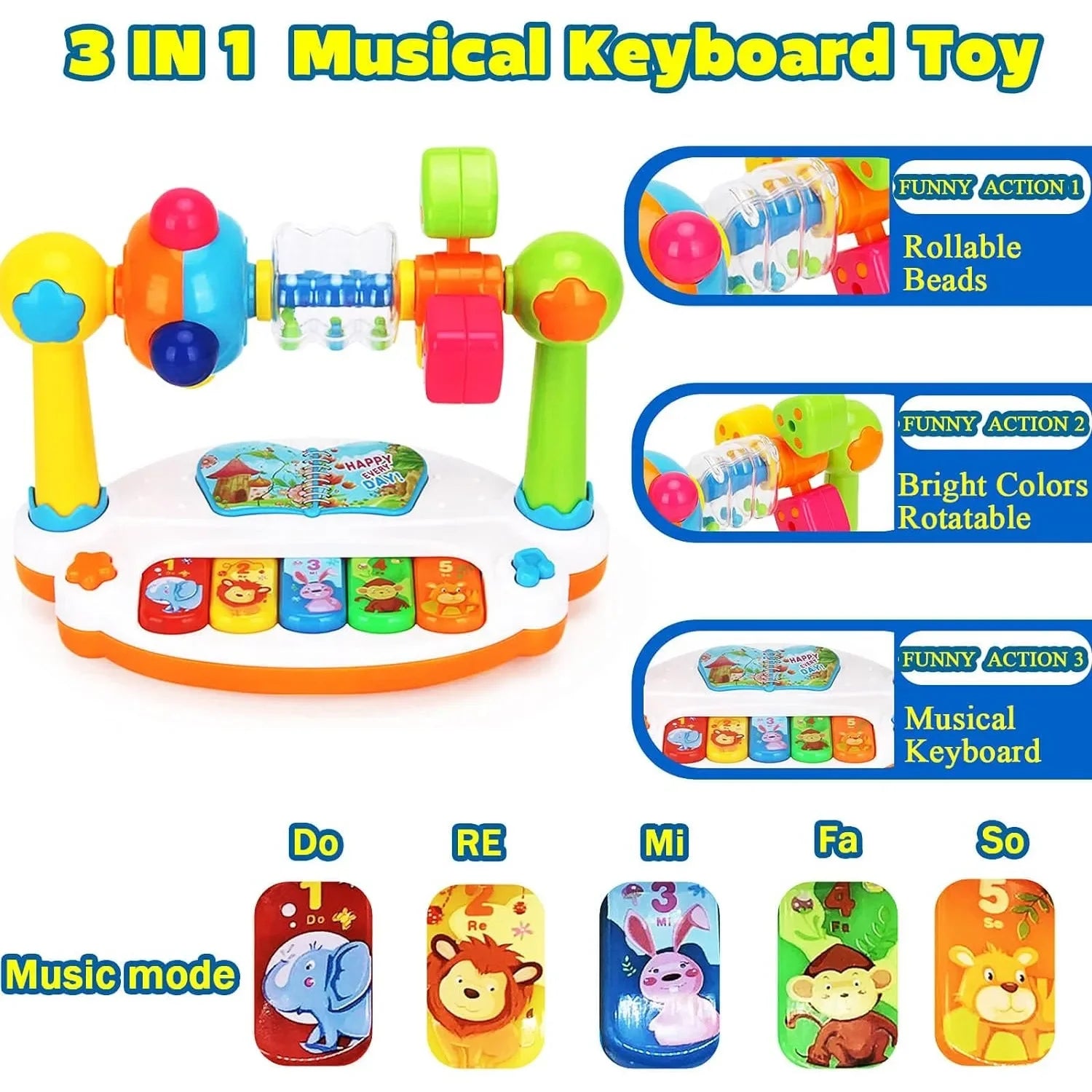
Early childhood development toys that build confidence through play 💡 See it in action
Parents often report that children return to this type of toy repeatedly, strengthening coordination without feeling like practice.
Discover more engaging options in Sensory Toys.
Quick Parent Questions Answered
At what age should I start focusing on coordination?
Hand eye coordination begins developing in infancy. Simple grasping and reaching activities can start early, with more structured play introduced as children grow.
How long does it take to see improvement?
With short daily play sessions, many parents notice better focus and smoother movements within a few weeks.
Do toys really make a difference?
Yes. Early childhood development toys designed for sensory engagement often lead to faster, more consistent progress than passive activities.
Is messy play a problem?
Messy play is part of learning. Spills and mistakes help children refine control and confidence over time.
Related Guide: How to Improve Fine Motor Skills in Young Children





