

Swim Training Aids Children Can Use Correctly at Home
Do swim training aids really help children learn safely at home?
Swim training aids children can use correctly at home provide added buoyancy, confidence, and structure during early water practice. When chosen and supervised properly, these tools help kids stay afloat, practice body position, and follow basic water safety rules without replacing hands-on adult guidance.
Swim Training Aids Children Can Use Correctly at Home
⏱ 7 min read
Swim training aids children use at home can turn nervous splashing into calm, confident practice—but only if they’re used the right way. Many parents ask, do swim vests keep you afloat safely, or does a swim vest with arm floats actually teach swimming skills? With clear water safety rules for preschoolers and the right setup, home practice becomes safer, smoother, and more effective.
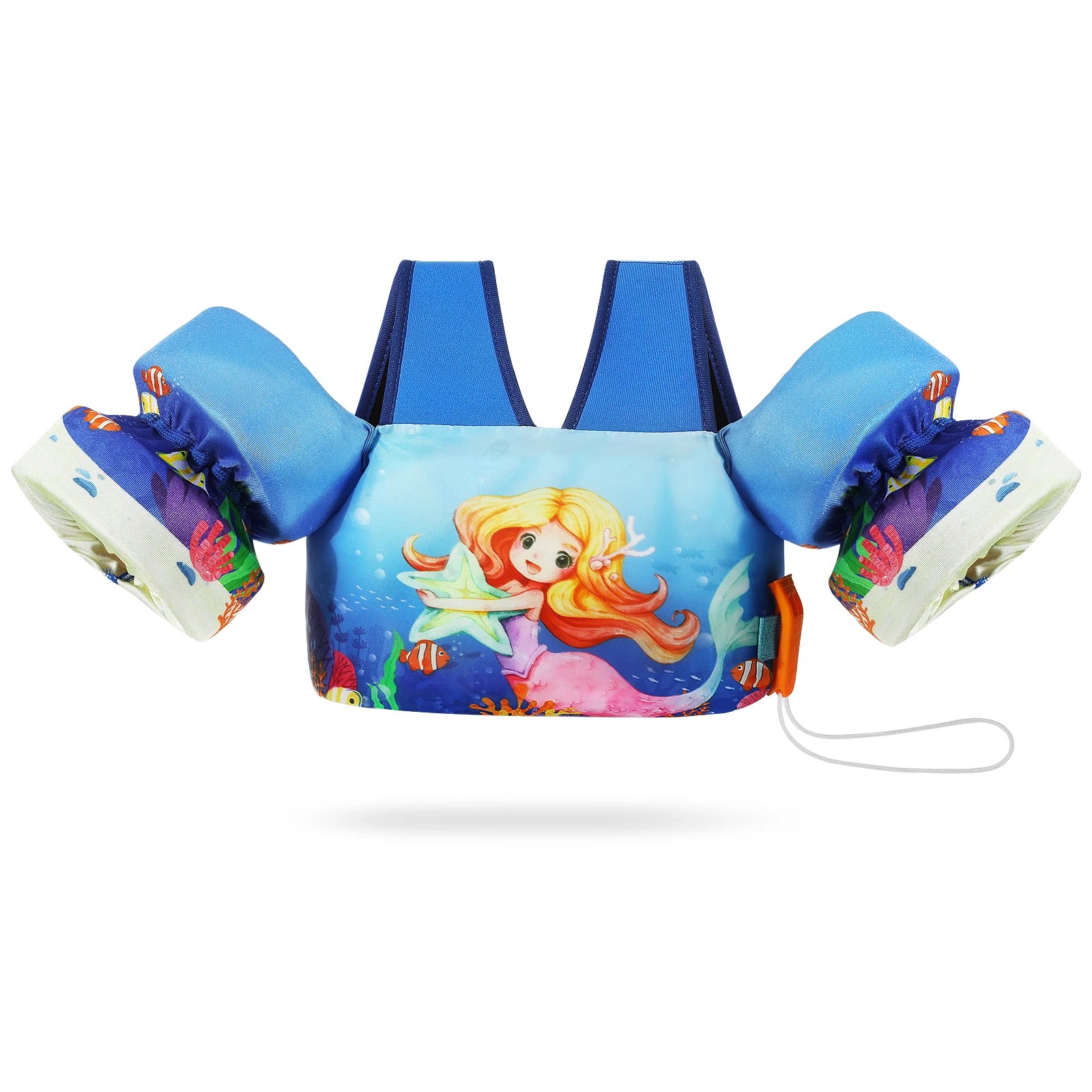
Swim training aids children use correctly build confidence fast — 💡 See it in action
Why parents use swim training aids at home
Swim training aids children rely on help bridge the gap between fear and familiarity. At home, pools and water play areas feel less intimidating, allowing kids to focus on comfort and movement instead of anxiety.
- They reduce panic during first water exposure
- They support proper floating position
- They help parents maintain control and supervision
- They make practice consistent between lessons
Many families pair water tools with items from Health & Safety collections to create a calmer, more controlled swim environment.
Types of swim training aids children can use
Not all swim aids work the same way. Choosing the right one depends on your child’s age, comfort level, and water depth.
| Swim Aid | Best For | Key Benefit |
|---|---|---|
| Swim vest | Beginners | Balanced flotation |
| Swim vest with arm floats | Early movers | Upper-body stability |
| Kick boards | Leg practice | Builds propulsion |
| Noodle floats | Confidence play | Low-pressure support |
For active learning and body coordination, parents often combine swim aids with products from Baby Growth & Learning.
Do swim vests keep you afloat?
Swim training aids children wear, like swim vests, are designed to keep the torso buoyant while allowing natural movement. They help kids stay afloat in shallow water when properly sized and secured, but they are not a substitute for supervision or full swimming ability.
- They distribute buoyancy evenly
- They reduce vertical sinking
- They allow arm and leg motion
- They encourage upright positioning
Parents often find a well-fitted vest from the Mobility & Training category provides the most stable experience.
How to use a swim vest with arm floats correctly
Swim training aids children benefit from most when used with intention. A swim vest with arm floats should support—not restrict—movement.
- Adjust straps snugly without squeezing
- Start in shallow water where feet can touch
- Guide arms forward to prevent floating backward
- Practice short sessions to avoid fatigue
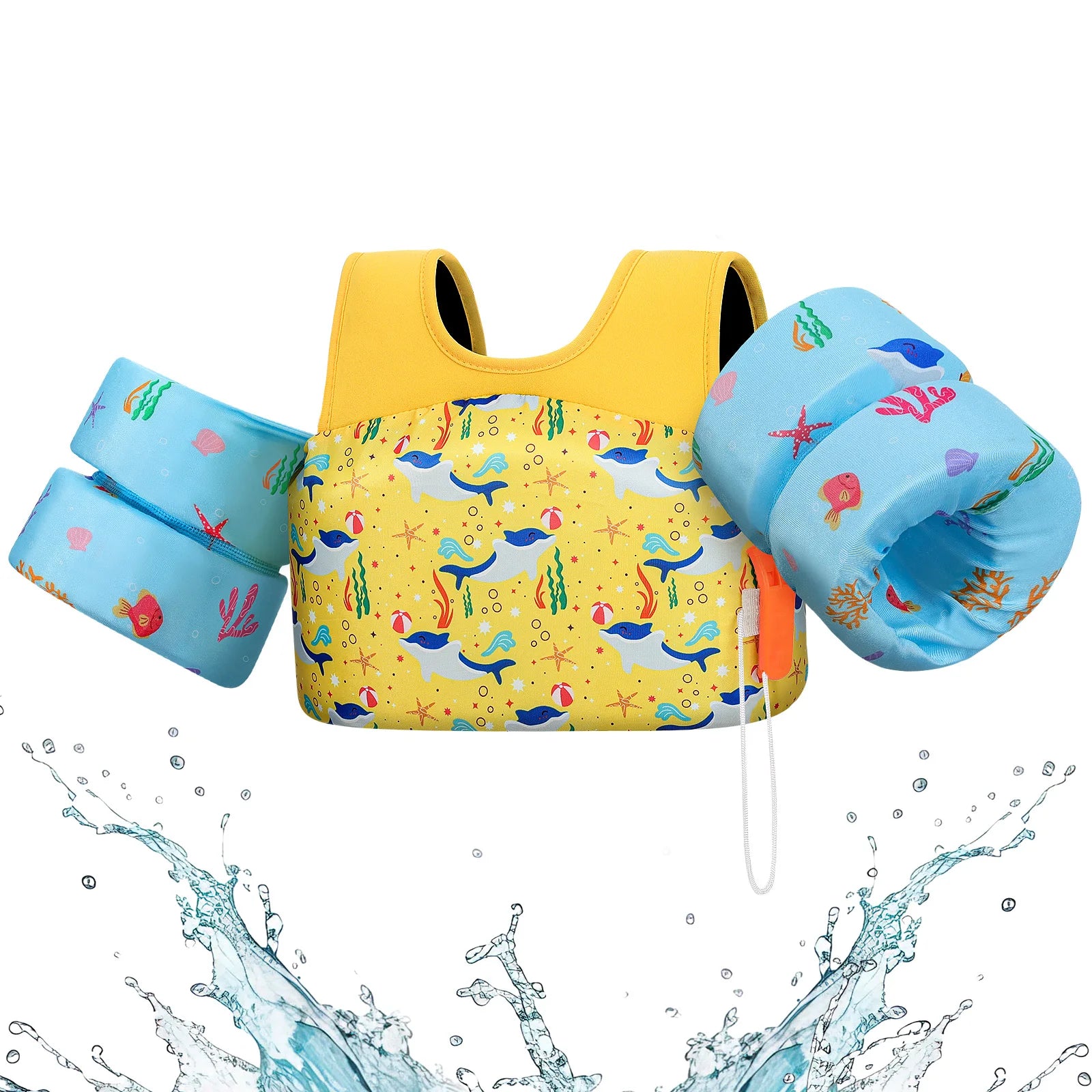
Do swim vests keep you afloat during early practice? 💡 See it in action
Water safety rules for preschoolers at home
Swim training aids children use are only effective when paired with clear water safety rules for preschoolers. Repetition builds habits that stick.
- No water play without an adult present
- Always enter feet first
- Stop immediately when called
- Rest breaks every 10–15 minutes
Many families reinforce routines using visual reminders from Baby Care Tips & Advice.
Step-by-step home swim practice routine
Consistency matters more than duration. Short, positive sessions help kids associate water with confidence.
- Put on swim vest and check fit
- Practice floating near pool edge
- Add gentle kicking games
- End with calm exit and towel-up routine
Parents report smoother routines when swim time is paired with calming items from Baby Bath Accessories.
Common mistakes parents should avoid
Even the best swim training aids children use can backfire if misused.
- Leaving children unattended
- Using aids in deep water too soon
- Over-tightening flotation gear
- Skipping verbal safety reminders
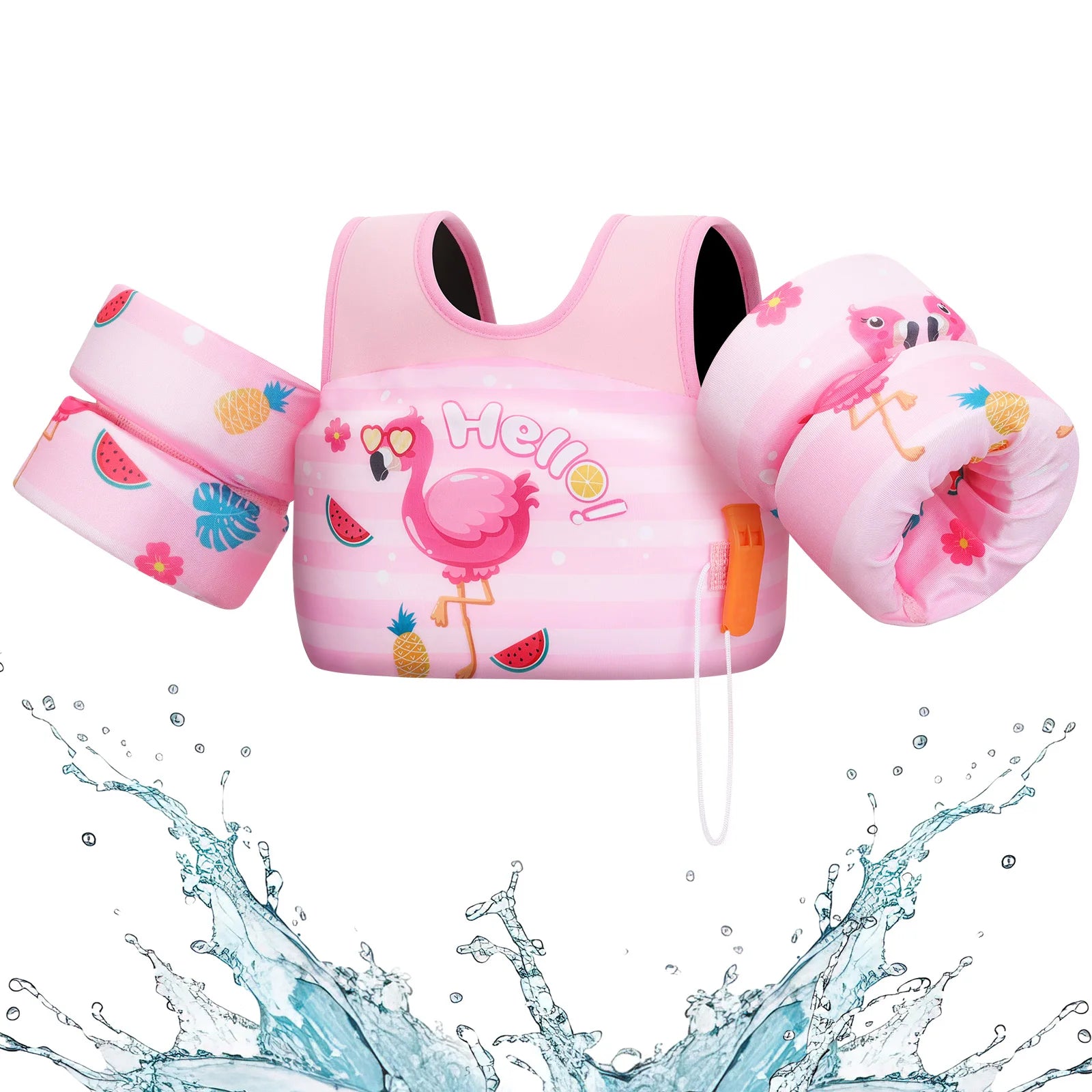
Water safety rules for preschoolers start with the right swim training aids children trust — 💡 See it in action
Quick questions parents ask
Can swim training aids replace swim lessons?
No. Swim training aids children use at home support learning but do not replace professional instruction or supervision.
At what age can kids use swim vests?
Most swim vests are suitable from ages 2–6, depending on size and manufacturer guidelines.
How long should home practice last?
10–20 minutes is ideal for preschoolers to prevent fatigue and maintain focus.
Related Guide: Learn to Swim Safely Step by Step for Young Kids





