

Teach Kids Water Confidence at the Pool Without Tears
How can parents teach kids water confidence without tears?
Teach kids water confidence by starting with calm, supported play that builds trust before skills. Gentle exposure, simple float-based swim balance drills, and consistent pool safety for preschoolers help children who are afraid of swimming feel secure. When kids feel balanced and safe, confidence follows naturally.
Teach Kids Water Confidence at the Pool Without Tears
⏱ 7 min read · Teaching kids water confidence doesn’t have to mean forced lessons or stressful mornings at the pool. If your child is afraid of swimming, the right approach can turn fear into curiosity, and hesitation into happy splashes. This guide walks you through gentle, proven ways to help kids feel safe, balanced, and confident in water—without pressure.
Many parents assume tears are “part of the process.” They’re not. Most fear comes from skipping body awareness and rushing skills. When you slow down and focus on balance, breathing, and safety, kids relax—and real progress begins.
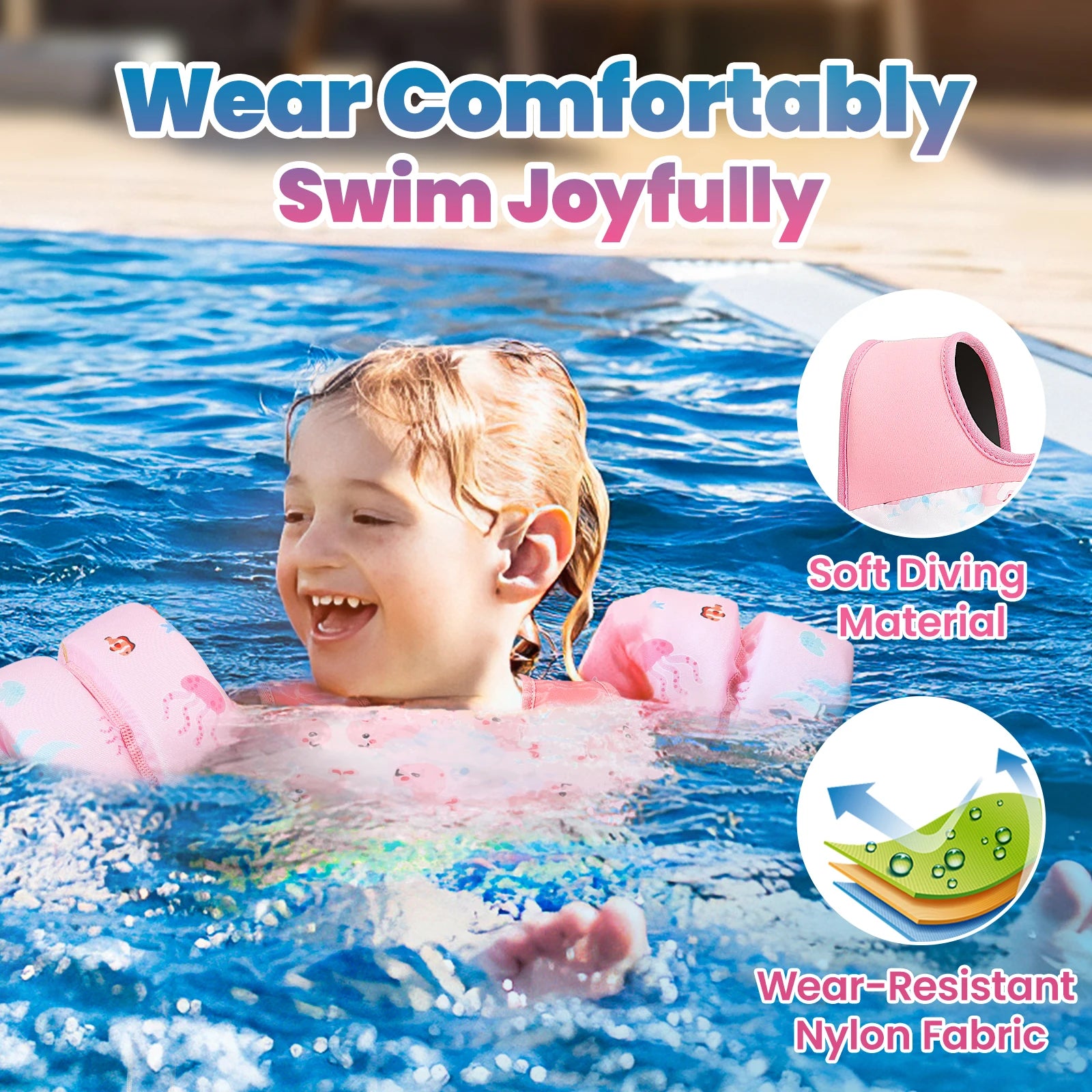
Teach kids water confidence with calm support and fear-free swimming 💡 See it in action
Why Many Kids Are Afraid of Swimming (And It’s Not What You Think)
Most children aren’t afraid of water itself. They’re afraid of losing control. Loud pools, slippery floors, and sudden submersion overwhelm young bodies that haven’t learned balance yet.
- Water feels unstable without float awareness
- Breathing patterns change suddenly
- Adults often hold too tightly—or let go too fast
- Early lessons may push skills before comfort
When kids don’t trust their body in water, fear is a natural response. The solution isn’t forcing bravery—it’s teaching balance and safety first.
What Does “Water Confidence” Actually Look Like?
Teach kids water confidence by focusing on how they feel in water, not how fast they learn strokes. Confident kids may still be beginners—but they’re calm, curious, and willing to try.
- Relaxed face and steady breathing
- Comfort floating with support
- Willingness to put ears or chin in water
- Trust in the adult guiding them
This foundation matters more than any swim badge.
How to Teach Kids Water Confidence Step by Step
Teach kids water confidence by breaking learning into tiny, success-filled moments. Each step builds trust and reduces fear for kids who are afraid of swimming.
- Start on the steps: Let kids sit, splash, and feel water movement.
- Practice supported floating: Hands under back, eyes up, slow breathing.
- Add gentle movement: Rock side to side to feel balance.
- Repeat often: Short, calm sessions work best.
Swim Balance Drills That Build Trust Before Skills
Swim balance drills help kids understand how their body works in water. This is the missing link for many children afraid of swimming.
- Starfish float: Wide arms and legs, adult support under back
- Back bubble breathing: Inhale nose, exhale mouth
- Gentle glides: Push off wall with hands held
- Side balance rolls: Roll from back to side slowly
Parents who use balance drills report fewer tears and faster comfort—often within a few sessions.
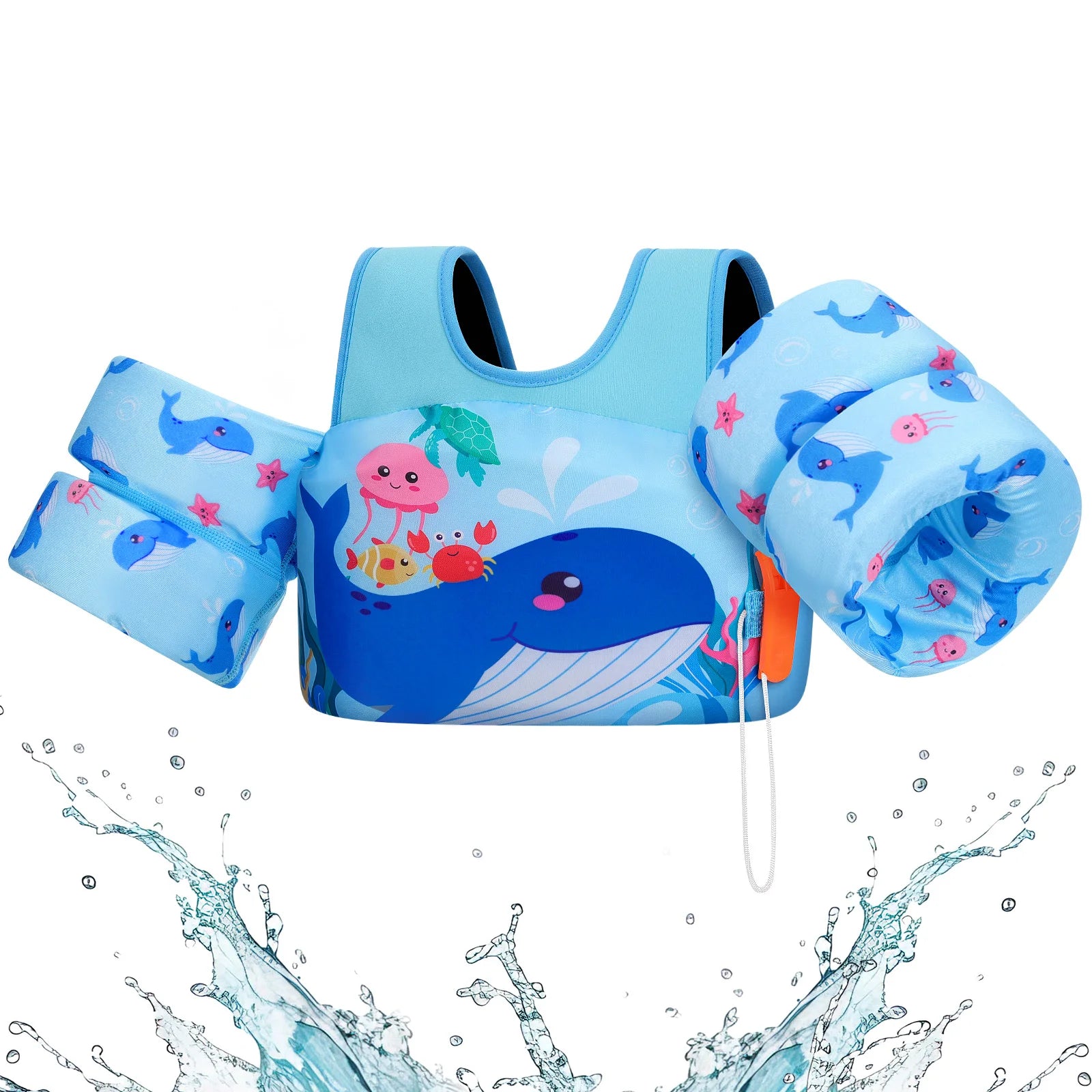
Swim balance drills help kids who are afraid of swimming feel secure 💡 See it in action
Pool Safety for Preschoolers in Real-Life Situations
Pool safety for preschoolers goes beyond rules. It’s about predictable routines and physical support that kids can trust.
- Enter and exit the pool the same way each time
- Stay within arm’s reach at all times
- Explain actions before doing them
- Use consistent safety gear
Many families pair calm teaching with supportive equipment from Health & Safety and movement-focused items from Mobility & Training to keep learning stress-free.
Support Tools That Help Kids Relax in Water
When teaching kids water confidence, the right support tool can make a big difference. The goal is assistance without restriction.
- Allows natural floating position
- Keeps face comfortably above water
- Doesn’t squeeze or tip the body forward
- Helps kids feel independent but safe
Many parents choose a supportive swim vest like Kids Swim Vest to reduce fear while practicing balance drills. It’s often paired with calming routines learned through Baby Growth & Learning activities.
The One Mistake Most Families Make First
The biggest mistake is rushing independence. Letting go before a child trusts their balance often reinforces fear of swimming.
Instead, fade support slowly. Confidence grows when kids feel successful—not surprised.
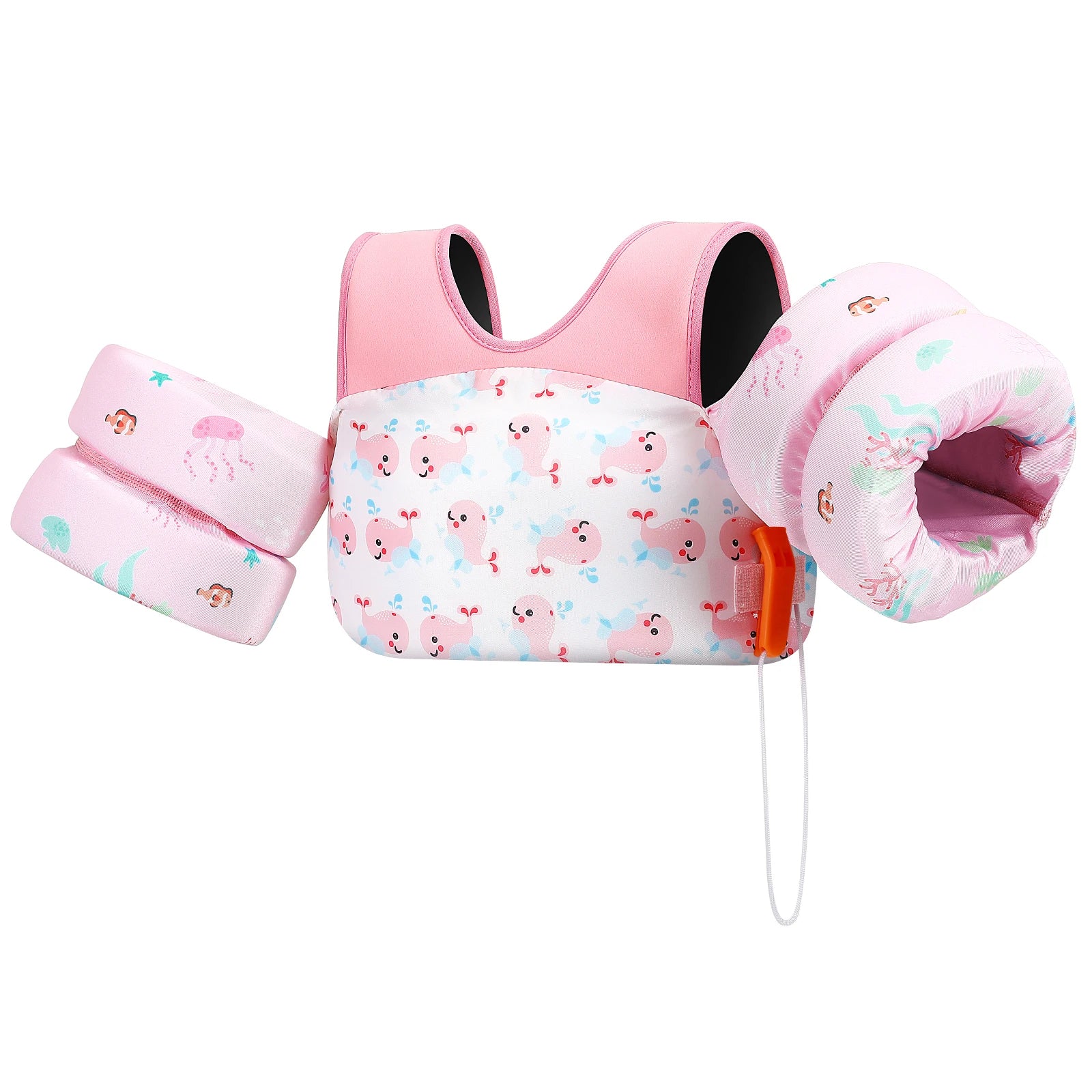
Teach kids water confidence with gentle progression and pool safety for preschoolers 💡 See it in action
Mini FAQ
At what age should I teach kids water confidence?
Many children can start gentle water confidence work as early as 2–3 years old, focusing on comfort, balance, and safety rather than swimming skills.
How long does it take for kids afraid of swimming to relax?
With calm sessions and swim balance drills, many kids show noticeable comfort within 3–5 pool visits.
Is pool safety for preschoolers different from older kids?
Yes. Preschoolers need closer supervision, predictable routines, and physical support that matches their balance development.
Should I enroll my child in lessons right away?
Starting with parent-led confidence building often makes formal lessons more successful and tear-free later.
Related Guide: Learn to Swim Safely Step by Step for Young Kids





