

Timed Soothing for Infants: How Long to Try Each Method
Does timed soothing for infants really work?
Timed soothing for infants works by testing one calming method for a set period—usually 2 to 10 minutes—before switching. This structured approach helps parents learn how to soothe newborn sleep without endless trial and error, especially when an infant hard to put to sleep keeps disrupting rest and deepening parents sleep deprivation baby cycles.
Timed Soothing for Infants: How Long to Try Each Method
Timed soothing for infants sounds rigid, but it’s often the gentle structure exhausted parents crave. Instead of guessing endlessly, this approach helps you learn how to soothe newborn sleep by giving each method enough time to work—without dragging the night on. If your infant hard to put to sleep leaves you drained, this guide shows exactly how long is “long enough.”
⏱ 7 min read

Timed soothing for infants can reduce stress and help soothe newborn sleep 💡 See it in action
What is timed soothing for infants?
Timed soothing for infants means choosing one calming technique and giving it a clear time window to work before changing strategies. Instead of cycling through rocking, feeding, and bouncing all at once, parents test each method intentionally, learning which actually helps their baby settle.
Why timing matters when soothing a baby
Many parents quit a soothing method too early—or stick with one too long. Both can make an infant hard to put to sleep even more frustrated. Timing gives your baby space to respond while protecting your own energy during long nights.
- Babies need repetition to feel safe
- Parents need limits to avoid burnout
- Consistent timing builds predictable routines
- Clear stop points reduce parents sleep deprivation baby stress
How long should you try each soothing method?
Timed soothing for infants works best when each method has a clear duration. Most experts suggest short, realistic windows that respect a baby’s attention span and nervous system.
| Soothing Method | Recommended Time | Why It Works |
|---|---|---|
| Gentle rocking or holding | 5–7 minutes | Allows body rhythm to slow |
| White noise or music | 3–5 minutes | Creates a sleep cue |
| Swaddling or repositioning | 2–3 minutes | Provides instant comfort |
| Feeding or pacifier | 8–10 minutes | Addresses hunger or suck reflex |
A step-by-step timed soothing plan you can use tonight
Timed soothing for infants doesn’t require strict schedules—just calm intention. Follow this simple plan when learning how to soothe newborn sleep.
- Start with the least stimulating method (sound or touch)
- Set a mental timer for the recommended window
- Observe breathing, eye movement, and tension
- Switch methods calmly if there’s no improvement
- Repeat the sequence once before a short break

Structured routines help with how to soothe newborn sleep 💡 See it in action
Tools that make timed soothing easier
The right environment can shorten soothing time and reduce overstimulation. Many parents find that consistent sleep cues—like gentle motion or sound—help their infant relax faster.
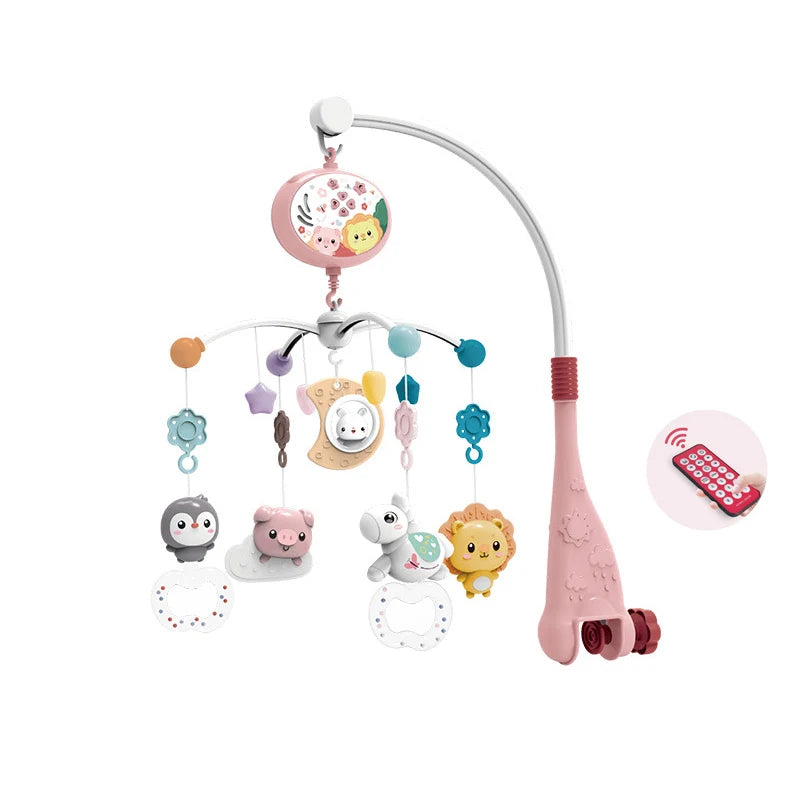
For example, a musical baby crib mobile provides visual focus and calming sound, making it easier to test sound-based soothing within a clear time frame.
Complementary comfort items can be found in the Sleep & Comfort collection, while gentle sensory options are available in Sensory Toys for awake-time regulation.
Common timed soothing mistakes to avoid
- Switching methods too quickly
- Using multiple techniques at once
- Ignoring your own stress signals
- Expecting instant results every night
Remember, timed soothing for infants is about learning patterns, not forcing sleep.
Consistent timing reduces infant hard to put to sleep struggles 💡 See it in action
Mini FAQ
How long should timed soothing for infants take overall?
Most parents see clearer patterns within 3–5 nights. Each soothing cycle may last 15–30 minutes, but the process becomes shorter as babies learn consistent cues.
Can timed soothing help with parents sleep deprivation baby issues?
Yes. By setting limits and reducing endless trial-and-error, parents conserve energy and regain confidence, which directly improves rest quality.
Is timed soothing safe for newborns?
Timed soothing is gentle and responsive. It focuses on comfort and observation, not leaving babies to cry, making it suitable for newborn stages when used calmly.
Related Guide: How to Soothe a Crying Newborn Step by Step





