

Toddler Motor Skill Development Boosted by Top Playpen Designs
Does playpen design really improve toddler motor skill development?
Toddler motor skill development improves faster when playpen design encourages movement, balance, and exploration. Thoughtful layouts with pull-up supports, open space for crawling, and visual cues help babies practice standing and coordination daily, safely reinforcing milestones tracked on a motor skill development chart.
Toddler Motor Skill Development Boosted by Top Playpen Designs
Toddler motor skill development can accelerate faster than most parents expect when everyday play is designed with intention. Smart playpen layouts encourage crawling, standing, and balance, while visual cues help parents track progress using a simple motor skill development chart. Features like playpen pull up rings turn practice into play, and choosing the right playpen for 6 month old babies supports safe early movement. What small design change could unlock your child’s next milestone?
⏱ 7 min read
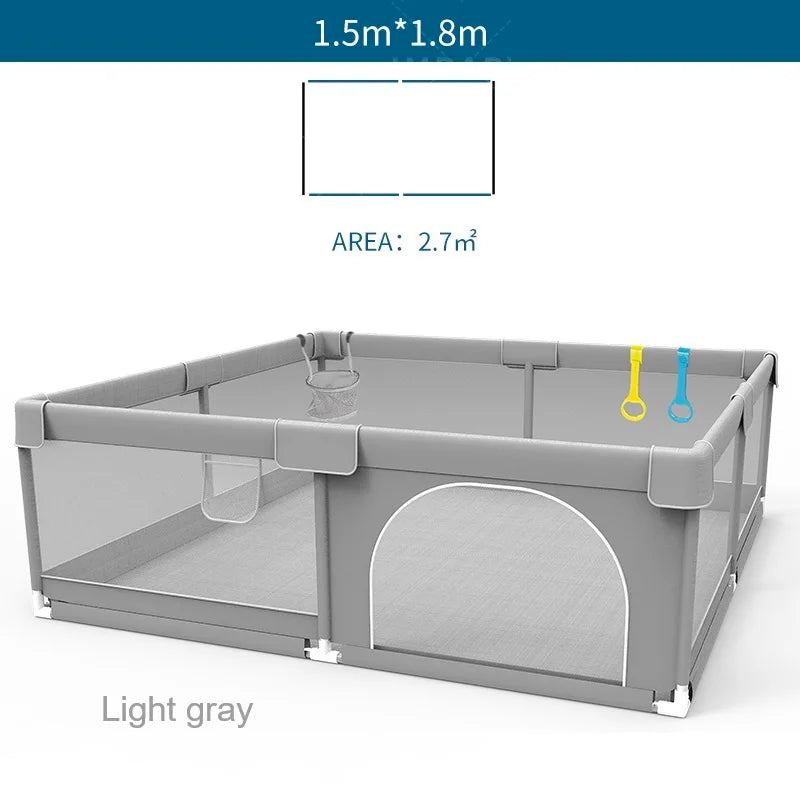
Toddler motor skill development starts with safe, engaging playpen design 💡 See it in action
Why early motor skills shape long-term confidence
The first years of movement set the foundation for balance, posture, and coordination later in childhood. When babies are given space and motivation to move freely, they naturally experiment with crawling, pulling up, and cruising.
Parents often worry about delays, but most progress happens through repetition in everyday environments. A well-designed playpen becomes a consistent practice zone rather than a passive container.
How playpens actively support toddler motor skill development
Toddler motor skill development improves when playpens are designed to invite movement instead of limiting it. Structured freedom helps babies practice core strength, leg stability, and balance multiple times a day without pressure.
Modern playpens combine safety with intentional movement prompts, making daily practice feel like play instead of exercise.
- Open layouts encourage crawling and rolling
- Stable walls allow safe pulling to stand
- Interactive elements reward movement attempts
- Clear visibility reassures parents during exploration
Many families pair playpens with tools from Baby Growth & Learning to create a complete early movement environment.
Playpen features that turn effort into progress
The difference between basic enclosures and growth-focused designs is in the details. Certain features repeatedly show stronger engagement and longer active play sessions.
Playpen pull up rings: small detail, big impact
Playpen pull up rings give babies a clear goal to reach, grip, and lift themselves. This strengthens arms, shoulders, and core muscles while boosting confidence with every successful stand.
Using a motor skill development chart at home
Parents who track milestones using a motor skill development chart often notice patterns earlier. When paired with consistent playpen use, progress becomes easier to observe without anxiety.
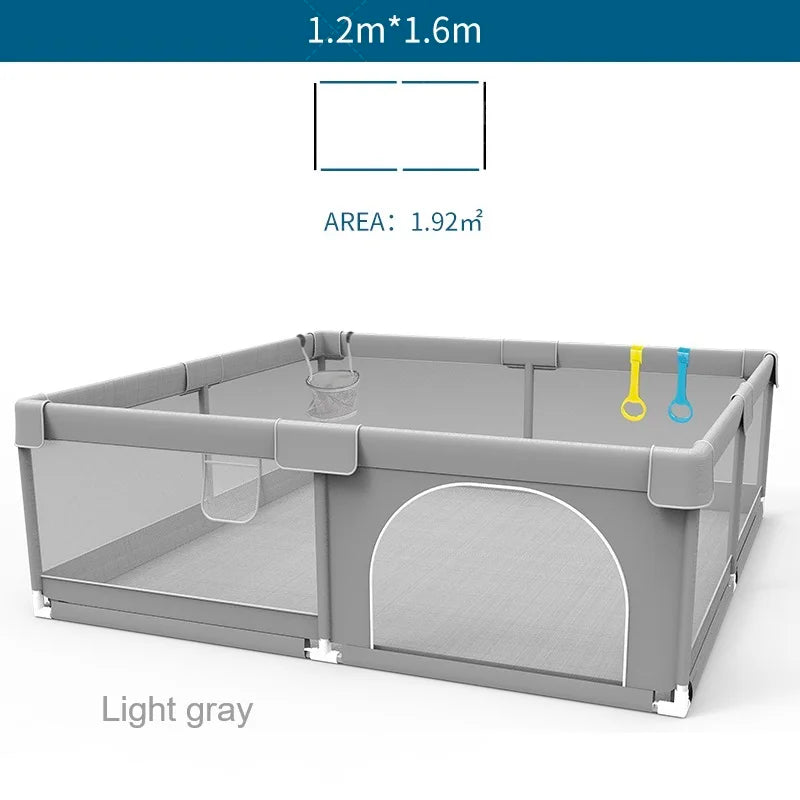
Playpen pull up rings support toddler motor skill development 💡 See it in action
What real parents notice after switching playpen designs
Families often report visible changes within weeks after upgrading to development-focused playpens. Babies spend more time standing, cruising, and attempting new movements.
- “My 7-month-old started pulling up within days.”
- “We saw better balance and fewer falls.”
- “She plays longer without frustration.”
Parents also appreciate peace of mind when combining playpens with safety-focused items from Health & Safety.
Comparing common playpen designs
| Feature | Basic Playpen | Development-Focused Playpen |
|---|---|---|
| Pull-up support | None | Integrated pull up rings |
| Floor stability | Soft only | Firm with grip texture |
| Movement encouragement | Limited | High |
| Parental visibility | Moderate | Clear panels |
For families prioritizing active play, pairing playpens with options from Mobility & Training supports smoother transitions between milestones.
Choosing the right playpen for a 6 month old
Toddler motor skill development starts earlier than many expect. A playpen for 6 month old babies should balance safety with freedom, allowing early pull-to-stand attempts without risk.
- Stable base with anti-slip flooring
- Rounded edges and breathable panels
- Height that supports standing without climbing
- Easy cleaning for daily use
Many parents explore complementary tools from Sensory Toys to keep engagement high during movement practice.
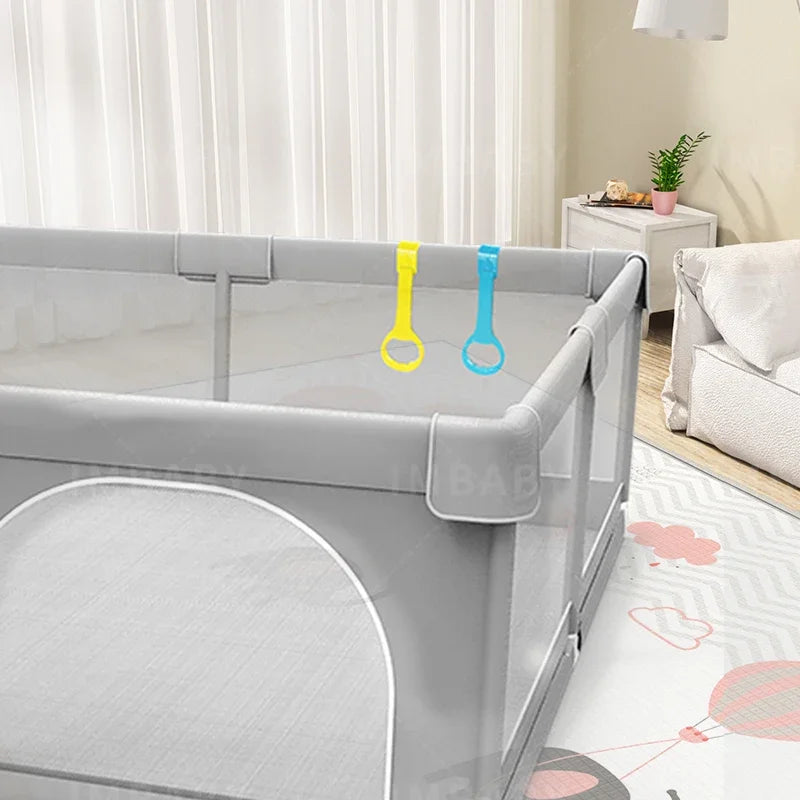
Safe playpen design boosts toddler motor skill development 💡 See it in action
Quick questions parents ask most
How much daily playpen time supports motor skills?
Short, frequent sessions work best. Many babies benefit from 3–5 play periods a day, even if each lasts only 10–15 minutes.
Can a playpen replace floor play?
No, but it complements it. Playpens provide controlled practice, while floor play offers variety and exploration.
When should pull-up features be introduced?
As soon as babies show interest in standing. Many start experimenting between 6–9 months when given safe support.
Related Guide: Interactive Infant Toys Reviewed by Parents Who Bought Them





