

Socks for Babies on Hardwood Floors That Actually Stay Grippy
Toddler Slipping on Floors: Which Gear Works Best?
Do socks for babies on hardwood floors really help prevent slips?
Yes. Toddler slipping on floors is common because smooth indoor surfaces provide less traction while babies are still developing balance and coordination. Quality non-slip socks, supportive knee pads, and safe play areas can improve stability, reduce minor falls, and encourage confident crawling and early walking without restricting natural movement.
⏱ 10 min read
Toddler slipping on floors is a common concern for families with hardwood, tile, laminate, or vinyl flooring. While occasional slips are a normal part of learning to move, the right combination of grip-friendly clothing, safe flooring, and thoughtful room setup can make everyday play safer and more comfortable. This guide explains when socks for babies on hardwood floors are effective, how they compare with barefoot walking, and how to choose gear that matches your child's stage of development.
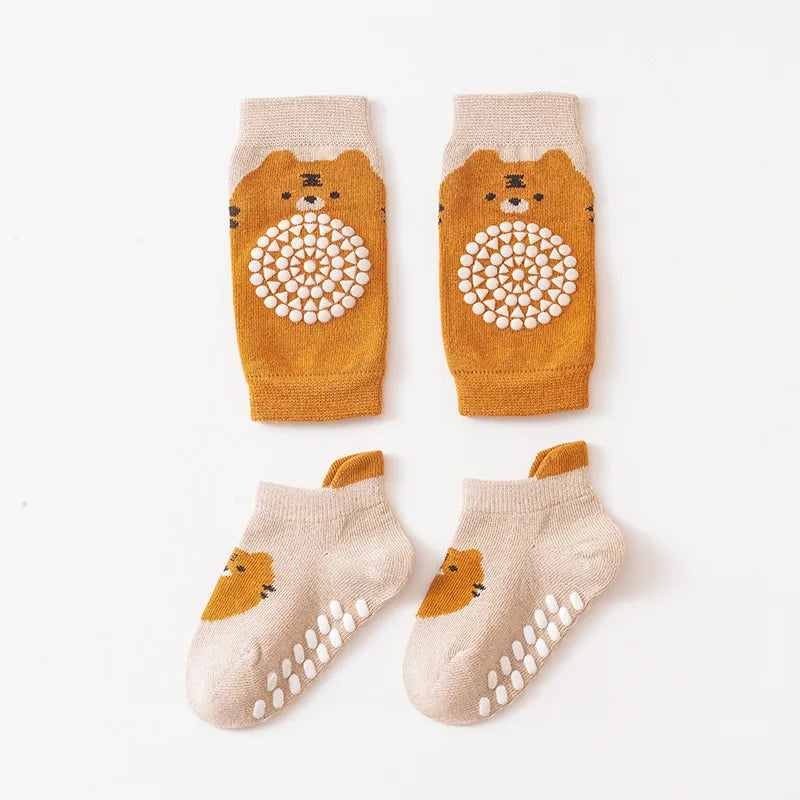
Toddler slipping on floors during early crawling stages — See it in action
Why Babies and Toddlers Slip on Hardwood Floors
Toddler slipping on floors usually reflects normal motor development rather than poor coordination. Babies learning to crawl, cruise, or take first steps are constantly shifting their center of gravity while building strength and balance. Smooth flooring offers less friction than carpet, making slips more noticeable.
Common causes of baby slipping while walking include:
- Developing balance and muscle control.
- Smooth socks without grip patterns.
- Highly polished hardwood, laminate, or tile flooring.
- Fast movements during play.
- Feet that are slightly oversized for current socks.
Most children improve naturally as strength and coordination develop. However, a simple baby slipping on floor solution such as properly fitted grip socks or knee pads may provide extra confidence during this learning period.
Is Crawling on Hardwood Floors Safe?
Baby crawling on hardwood floors is generally safe for healthy children when the floor is clean, dry, and free of hazards. Hardwood itself does not delay development, but its smooth surface may increase slipping and place more pressure on knees during extended crawling sessions.
Crawling Stage
Babies who crawl benefit most from comfortable knee protection and enough traction to push forward without constantly sliding backward. Knee pads are especially useful during long play sessions on hardwood or tile.
Cruising Stage
When babies begin pulling up and moving along furniture, grip socks can improve traction while allowing natural foot movement. Secure furniture and remove loose rugs that may slide.
Early Walking Stage
As toddlers begin independent walking, non-slip socks often work well indoors. Once walking becomes stable and confident, many children alternate comfortably between barefoot play and grip socks depending on the flooring.
| Surface | Grip Level | Impact Cushion |
|---|---|---|
| Hardwood | Low | None |
| Area Rug | Medium | Medium |
| Foam Play Mat | High | High |
Many parents combine floor protection with wearable grip gear for safer movement throughout open-plan homes.
Best Non-Slip Socks for Toddlers and Babies
Best Overall Grip Socks
High-quality cotton socks with silicone grip dots across the sole provide dependable traction, breathability, and flexibility. These work well for most toddlers transitioning between crawling and walking.
Best for Learning to Walk
Choose socks with full-foot grip coverage, stretchy ankle cuffs, and a secure fit that prevents twisting during standing and cruising.
Best for Crawling
Active crawlers often benefit from combined knee protection and grip socks that protect knees while improving forward traction.
Baby knee pads and socks with non-slip design provide both knee cushioning and traction, making them particularly useful in homes with hardwood or tile flooring.
Best Value Option
Multipacks made from breathable cotton blends offer excellent everyday performance, allowing parents to rotate clean pairs throughout the week.
Best Premium Option
Premium brands often feature reinforced grip patterns, softer organic materials, and better wash durability, making them suitable for frequent indoor use.
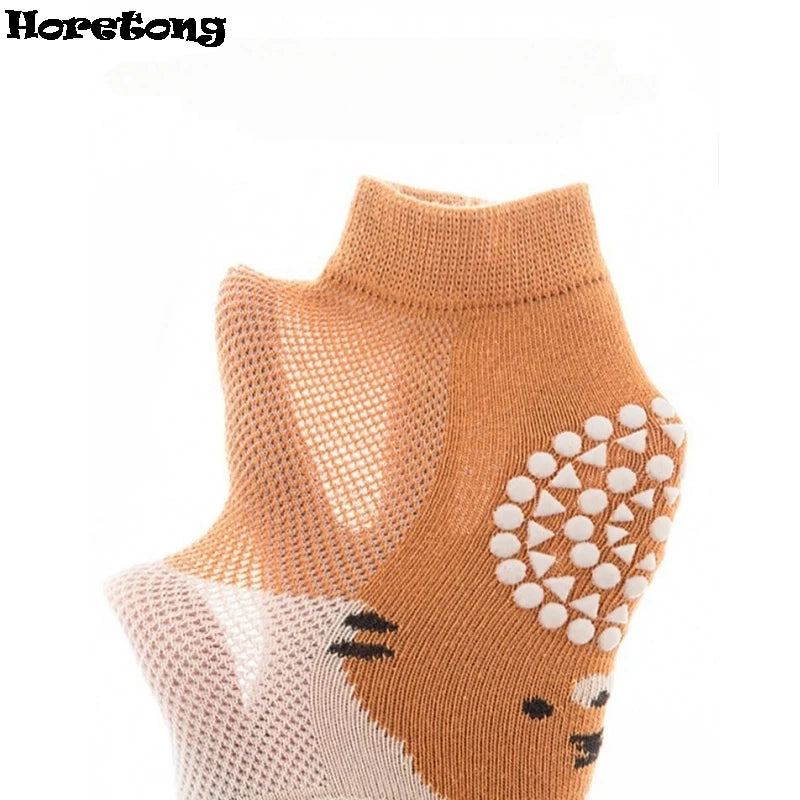
Crawling safety on hardwood floors with cotton infant socks — See it in action
Grip Socks vs Barefoot vs Soft-Soled Shoes
| Option | Indoor Traction | Foot Development | Best Use |
|---|---|---|---|
| Grip socks | High | Excellent | Hardwood, laminate, tile |
| Barefoot | Good on clean surfaces | Excellent | Safe, dry indoor areas |
| Soft-soled shoes | Moderate | Good | Mixed indoor and outdoor use |
Grip socks are often the best compromise between traction and natural foot movement. Barefoot walking may also support healthy foot development on clean, non-slippery surfaces, while soft-soled shoes are better suited to situations where children move between indoor and outdoor environments.
How We Evaluated the Best Baby Grip Socks
When comparing non-slip socks for toddlers, these factors matter most:
- Grip coverage across the sole.
- Traction performance on hardwood, laminate, and tile.
- Breathable cotton construction.
- Comfort during crawling and walking.
- Grip durability after repeated washing.
- Easy sizing for growing feet.
A quality pair should remain comfortable without becoming loose or allowing the foot to slide inside the sock.
How to Choose the Right Non-Slip Socks
Choosing the right baby slipping on floor solution depends on your child's age, activity level, and home flooring.
- Select the correct size. Socks should fit snugly without compressing the toes.
- Look for full-sole grip coverage. Larger grip areas generally provide better traction.
- Choose breathable materials. Cotton blends help reduce overheating during active play.
- Consider the season. Lightweight socks work well in warm weather, while thicker options provide extra comfort during cooler months.
- Replace worn socks. Grip dots gradually wear down with repeated washing and use.
Parents often pair movement gear with curated activity zones from Baby Growth & Learning to encourage safe exploration.
Simple Home Safety Tips to Reduce Indoor Slips
Even the best non-slip socks work best alongside a safe home environment.
- Clean floors regularly to remove dust that reduces traction.
- Wipe up spills immediately.
- Secure or remove loose rugs.
- Create dedicated play zones using foam mats where appropriate.
- Keep walking paths free of toys and clutter.
- Use area rugs near high-activity spaces.
- Explore additional safety guidance in Health & Safety .
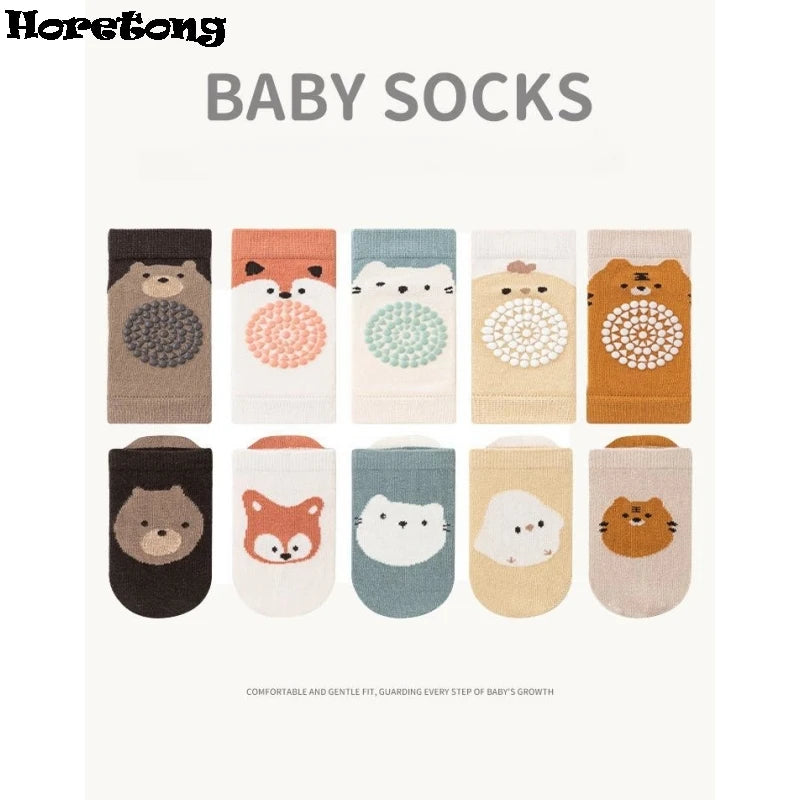
Reducing toddler slipping on floors with supportive gear — See it in action
Frequently Asked Questions
Are non-slip socks better than barefoot walking on hardwood floors?
For slippery hardwood, laminate, or tile, quality grip socks generally provide more traction than regular socks and may reduce slipping. Barefoot walking can also be appropriate on clean, dry surfaces where children already have good stability.
How often should baby grip socks be replaced?
Replace them whenever they become too small, develop holes, or the silicone grip begins wearing smooth. Regular inspection helps maintain traction.
Can worn grip dots become a safety hazard?
Yes. Worn grip patterns provide less traction and may allow more slipping than a newer pair. Replacing heavily worn socks helps maintain consistent grip.
Do toddlers need grip socks after they walk confidently?
Many confident walkers no longer require grip socks at all times, but they can still be helpful on polished hardwood or tile floors, especially during active indoor play.
How many pairs of non-slip socks should parents own?
Most families find that five to seven pairs provide enough rotation for everyday use while allowing time for regular washing.
Yes. Properly fitted grip socks allow natural foot movement while improving traction on smooth indoor surfaces. Avoid socks that are too loose or oversized.
Do non-slip socks work on laminate and tile floors?
Yes. Silicone grip patterns are designed to improve traction on hardwood, laminate, vinyl, and ceramic tile, although performance varies depending on how clean and dry the floor is.
What grip pattern provides the best traction?
Full-sole silicone coverage with evenly spaced grip dots generally offers more consistent traction than a few isolated grip patches.
How do I wash non-slip socks without damaging the grips?
Wash them inside out using a gentle cycle with mild detergent and avoid excessive heat when drying to help extend the life of the silicone grips.
Related Guide: Hardwood Floor Baby Safety Solutions That Fit Real Homes





