

Balance Bike for 2 Year Old: Find the Right Fit for Safe Riding
Are balance bikes for 2 year olds really safe and effective?
Yes, balance bikes for 2 year olds can be safe and effective when the bike matches a child’s height, confidence level, and riding ability. Unlike pedal bikes, they allow toddlers to focus on balance, steering, and coordination first, supporting early childhood motor development while building confidence through simple push-and-glide movement.
Top Balance Bikes for 2 Year Olds Compared by Safety, Fit, and Value
⏱ 7 min read
Finding the best balance bike for a 2 year old is about more than choosing a colorful design. The right bike should provide a comfortable fit, lightweight control, and safe learning experience that matches your toddler’s stage of development. This guide compares the best balance bikes for 2 year olds by safety features, sizing, durability, and value while explaining what parents should look for before buying.
Quick question: Is your toddler ready to explore riding but still struggling with coordination or confidence? Choosing a properly sized balance bike can make those first rides easier, safer, and more enjoyable.
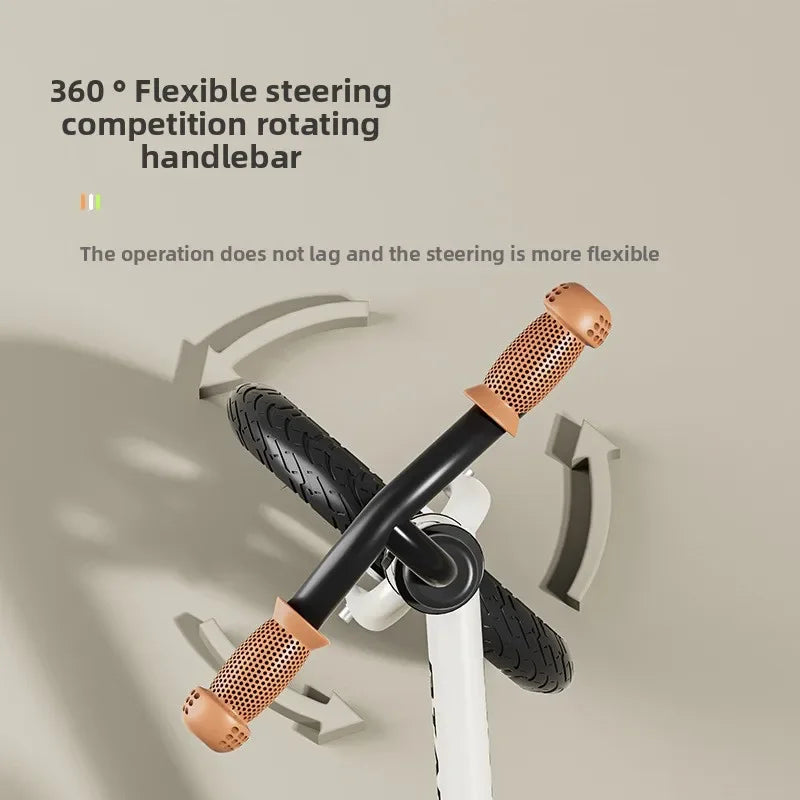
Balance bikes for 2 year olds support balance bike ages and early childhood motor development See it in action
Quick Comparison Table
Before choosing a balance bike for 2 year old riders, compare the features that affect safety, comfort, and long-term use. A lightweight frame, adjustable seat, and toddler-friendly controls usually matter more than extra accessories.
| Category | Best Choice For | Key Features | Best Value Factor |
|---|---|---|---|
| Best Overall | Most 2-year-olds learning balance | Adjustable seat, lightweight frame, stable handling | Balanced safety and growth potential |
| Best Budget | Occasional outdoor riding | Simple frame, basic controls, affordable design | Good beginner option |
| Best Lightweight | Small toddlers and beginners | Easy-to-carry frame, low center of gravity | Less fatigue and easier control |
| Best for Tall Toddlers | Growing children | Extended seat adjustment range | Longer usable lifespan |
| Best Premium | Daily riders | Higher-quality materials and smoother ride | Durability and comfort |
| Best Indoor/Outdoor | Flexible play spaces | Quiet tires and versatile design | Year-round use |
Our Top Picks at a Glance
- Best Overall: Adjustable balance bike with a lightweight frame and toddler-friendly fit.
- Best Budget: Simple balance bike that provides essential learning features without unnecessary extras.
- Best Lightweight: Ultra-light model for younger toddlers who need easy control.
- Best for Tall Toddlers: Bike with a wider seat-height range for longer use.
- Best Premium: Durable design with upgraded comfort and materials.
- Best Indoor/Outdoor: Flexible option for homes, sidewalks, parks, and play areas.
How We Tested the Best Balance Bikes for 2-Year-Olds
To identify a good balance bike for 2 year old riders, we focused on the factors that affect real-world toddler use. Each category was evaluated based on safety, comfort, ease of learning, and long-term value.
- Safety evaluation: Checked stability, steering control, rounded edges, and toddler-friendly design.
- Fit and adjustability: Compared seat height ranges, inseam compatibility, and growth potential.
- Durability: Considered frame strength, tire quality, and resistance to regular outdoor use.
- Ease of use: Evaluated whether toddlers could push, stop, and maneuver independently.
A reliable toddler bike should support confidence instead of making learning frustrating. Parents looking for more child development products can also explore Lifestyle options designed for everyday family activities.
Best Balance Bikes for 2-Year-Olds Reviewed
Best Overall
The best balance bike for a 2 year old should combine stability, easy adjustment, and comfortable handling. Models with low seats and lightweight frames help beginners place their feet down quickly while learning balance.
Pros:
- Easy for beginners to control
- Supports gradual skill development
- Adjustable for toddler growth
Cons:
- May cost more than basic beginner models
Best Budget
A budget balance bike can be a practical choice for families who want to introduce riding without a large investment. Look for essential safety features instead of focusing only on price.
Pros: Affordable, simple, beginner-friendly.
Cons: Usually has fewer adjustment options.
Best Lightweight
Lightweight balance bikes are ideal for younger toddlers because they are easier to push, lift, and steer. A lighter frame can help prevent frustration during early practice sessions.
Pros: Easier handling and less fatigue.
Cons: Some lightweight models may have fewer premium features.
Best for Tall Toddlers
Taller children benefit from balance bikes with extended seat-height adjustment. Choosing a bike with room to grow prevents children from outgrowing it too quickly.
Pros: Longer usable lifespan.
Cons: May feel too large if selected without measuring inseam height.
Best Premium
Premium balance bikes often include upgraded materials, smoother tires, and refined ergonomics. They are best suited for toddlers who ride frequently.
Pros: Excellent durability and comfort.
Cons: Higher upfront cost.
Best Indoor/Outdoor
Indoor-friendly balance bikes with quiet tires allow toddlers to practice safely at home while still being ready for outdoor adventures.
Families interested in indoor riding ideas can also read Balance Bike Indoor vs Outdoor .
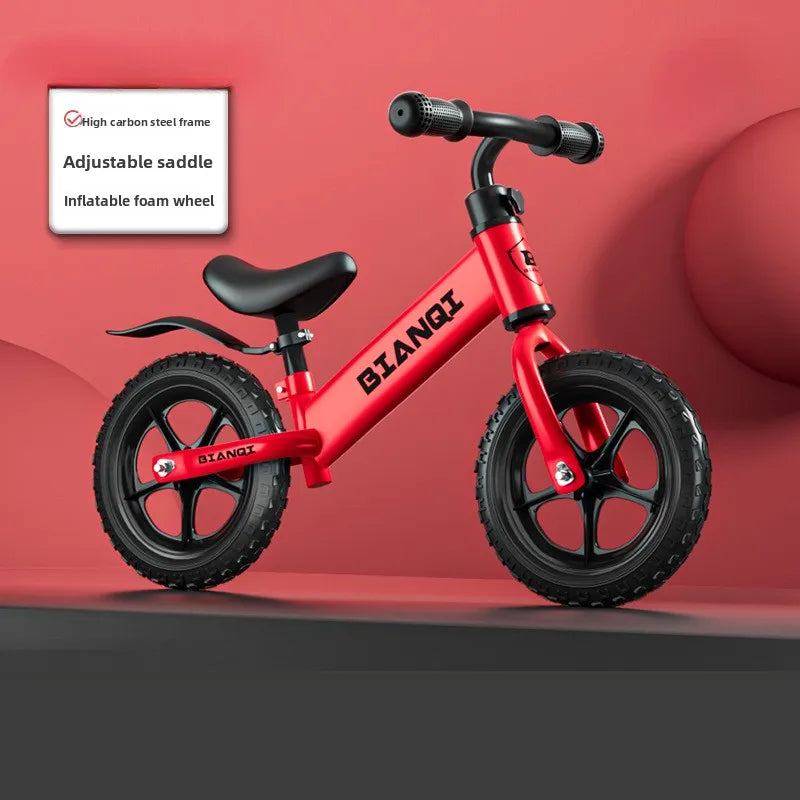
Comparing balance bike ages and fit improves early childhood motor development See it in action
Are Balance Bikes Safe and Effective for 2-Year-Olds?
Balance bikes are generally safe for 2 year olds when toddlers use the correct size bike and wear proper protective equipment. They are effective because they teach balance and steering before introducing the complexity of pedals.
Signs Your Toddler Is Ready
- Walks and runs confidently
- Can follow simple instructions
- Shows interest in riding toys
- Can sit comfortably on a low seat
Many parents wonder, “are balance bikes good for 2 year olds?” The answer depends on fit and readiness. A correctly sized bike can encourage independence while supporting coordination, confidence, and outdoor activity.
Why Balance Bikes Help 2-Year-Olds Learn Faster
A 2 year old balance bike removes pedals so children can focus on the most important early riding skill: balance. Toddlers learn by pushing forward, controlling speed, steering, and gradually lifting their feet to glide.
- Improves balance and body awareness
- Builds confidence through independent movement
- Develops coordination and steering skills
- Makes the transition to pedal bikes easier
Many parents exploring Baby Growth & Learning tools find balance bikes a smoother transition than traditional ride-ons.
What Size Balance Bike Does a 2-Year-Old Need?
The right balance bike size depends more on your toddler’s inseam than their exact age. A properly fitted bike allows both feet to touch the ground comfortably.
Seat Height Guide
- Small toddlers: approximately 10–12 inch seat height
- Average 2-year-olds: around 11–14 inches
- Taller toddlers: adjustable models with extended ranges
Wheel Size
Most balance bikes for two year olds use smaller wheels designed for stability. Larger wheels may provide speed but can make learning harder for beginners.
Measuring Your Child
- Measure your child barefoot.
- Measure inseam from floor to inside leg.
- Choose a seat slightly below inseam height.
- Confirm your toddler can place both feet flat.
Parents browsing Mobility & Training products often overlook seat height, which is the most important fit detail.
Key Safety Features Parents Should Look For
Frame Material
Lightweight aluminum, composite, or durable steel frames can provide different balances of weight and strength. For toddlers, easier handling is often more important than maximum weight capacity.
Tires
Choose tires that provide grip and stability on your usual riding surface. Air tires may offer a smoother ride, while foam tires require less maintenance.
Handlebar and Steering Limiter
A steering limiter can prevent sudden sharp turns that may cause beginners to lose balance. Comfortable grips also help small hands maintain control.
Footrest and Brakes
Many toddlers safely stop using their feet because they are still developing hand control. A footrest can help with gliding practice, while hand brakes are usually unnecessary for beginners.
For additional protection during outdoor play, many families pair bikes with items from Health & Safety .
How to Choose the Best Balance Bike for Your Toddler
- Match your child’s height: Measure inseam before buying.
- Check bike weight: Toddlers should be able to control the bike easily.
- Consider riding location: Choose features suitable for sidewalks, parks, or indoor spaces.
- Set a realistic budget: Prioritize fit and safety over unnecessary extras.
Parents focused on learning through play often explore Sensory Toys alongside balance bikes to support coordination indoors and outdoors.
Balance Bike vs Training Wheels vs Tricycle
| Option | Main Skill Learned | Best For Age 2? |
|---|---|---|
| Balance Bike | Balance, steering, coordination | Yes, for many toddlers |
| Training Wheels | Pedaling first | Usually later |
| Tricycle | Pedaling and stability | Good for some toddlers but less balance practice |
For many children, a balance bike creates a smoother path toward riding a pedal bike because balance develops before pedaling.
Learn more about differences in Balance Bike vs Tricycle .
Simple Balance Bike Tips for First-Time Riders
Start slowly and make the experience fun. Toddlers learn best through short, positive practice sessions.
- Always use a properly fitted helmet
- Begin on flat, safe surfaces
- Let your toddler walk before gliding
- Practice stopping before increasing speed
- Avoid forcing progress
Following these steps builds confidence and reduces falls. More toddler riding safety guidance is available in Toddler Bike Safety .
Frequently Asked Questions About Balance Bikes for 2-Year-Olds
What is the best balance bike for a 2-year-old?
The best balance bike for a 2-year-old is one that fits their inseam, feels lightweight, and allows both feet to touch the ground. Adjustable models usually provide the best long-term value.
Are balance bikes safe for 2-year-olds?
Yes. Balance bikes are safe for 2 year olds when used with the correct size, helmet protection, and adult supervision.
What size balance bike should a 2-year-old use?
Most 2-year-olds need a small balance bike with a low adjustable seat, but inseam measurement is more accurate than age alone.
How do I know if my toddler is ready for a balance bike?
Your toddler is likely ready if they walk confidently, show interest in riding, and can follow basic safety instructions.
Are balance bikes better than training wheels?
For many toddlers, balance bikes are better because they teach balance and coordination before pedaling. This can make transitioning to a pedal bike easier.
Do 2-year-olds need brakes on a balance bike?
Most beginners do not need hand brakes. Foot braking is usually easier and more natural for toddlers learning control.
Can a balance bike be used indoors?
Yes, some balance bikes can be used indoors on safe surfaces. Indoor practice can help toddlers build confidence before outdoor riding.
How long do toddlers typically use a balance bike?
Many children use balance bikes from around 18 months through 4 years old, depending on growth, confidence, and riding ability.
Related Guide: Best Balance Bike for Toddlers: Side-by-Side Comparison
Recommended Reading: Outdoor Toys for Toddlers





