

Toy Cashier Register Comparison Learning Value vs Fun
Does pretend play preschool really help children build social skills?
Pretend play preschool activities help children practice sharing, communication, and empathy by acting out real-life roles together. Through social pretend play, kids learn how to take turns, solve small conflicts, and understand others’ feelings, making toys for social development a powerful support for emotional growth in early childhood.
Pretend Play Preschool Toys Side by Side Social Benefits
⏱ 6 min read
Pretend play preschool experiences quietly shape how children learn to connect with others. Long before group projects or classroom rules, kids explore friendship through play. Side-by-side pretend play offers a safe space to practice cooperation, empathy, and communication while having fun. Could everyday playtime be the key to stronger social skills?
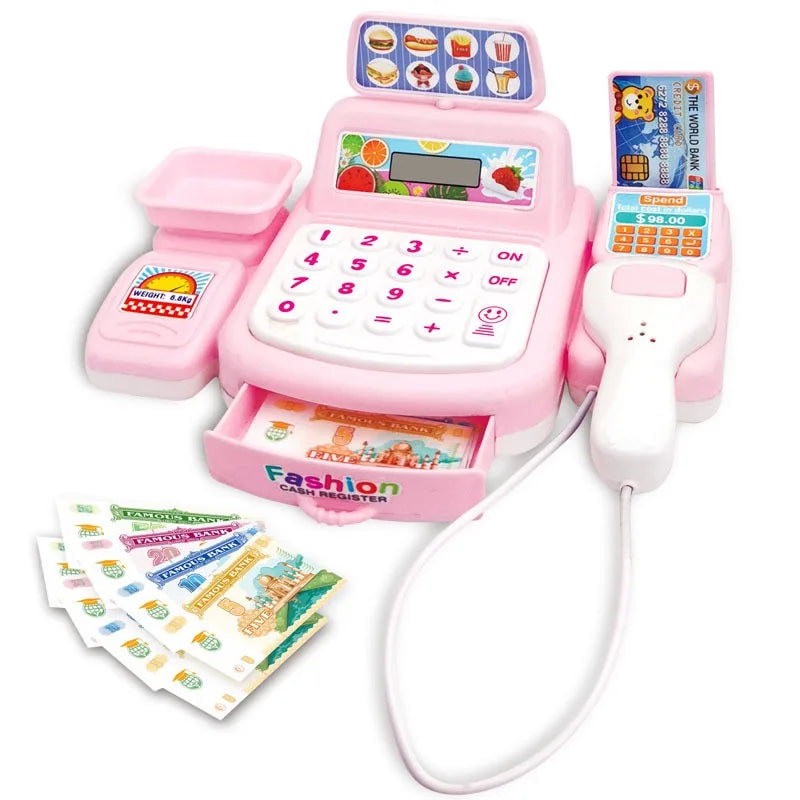
Pretend play preschool moments spark social pretend play and cooperation 💡 See it in action
Why Social Pretend Play Matters in Early Childhood
Pretend play preschool environments give children freedom to explore social roles. Whether playing “store,” “family,” or “restaurant,” kids experiment with language, emotions, and cooperation. This type of pretend play in early childhood supports confidence and helps children understand social expectations naturally.
- Encourages turn-taking and patience
- Builds empathy through role-switching
- Strengthens verbal and non-verbal communication
- Helps children manage small conflicts safely
Parents often notice that children who engage in social pretend play are more comfortable joining group activities later on.
How Side-by-Side Pretend Play Builds Connection
Pretend play preschool setups often start with children playing next to each other rather than directly together. Side-by-side play slowly evolves into cooperative play as kids observe, imitate, and respond to peers. This gradual process feels safe and natural.
For example, two children using a pretend cashier toy may begin independently, then start exchanging items or words. These small interactions lay the foundation for teamwork and friendship.
Key Social Benefits of Side-by-Side Play
- Reduces pressure for shy children
- Encourages observation and learning
- Supports shared attention and focus
- Builds confidence before direct interaction
Side-by-Side Comparison of Pretend Play Toys
| Toy Type | Social Benefit | Best For | Considerations |
|---|---|---|---|
| Pretend Cashier Sets | Turn-taking, communication | Small groups | Needs space for setup |
| Play Kitchen Toys | Cooperation, role-sharing | Group play | Multiple pieces to manage |
| Doctor or Tool Kits | Empathy, problem-solving | Paired play | Adult guidance helpful |
Each option supports pretend play preschool learning differently. The best choice depends on your child’s personality and play preferences.
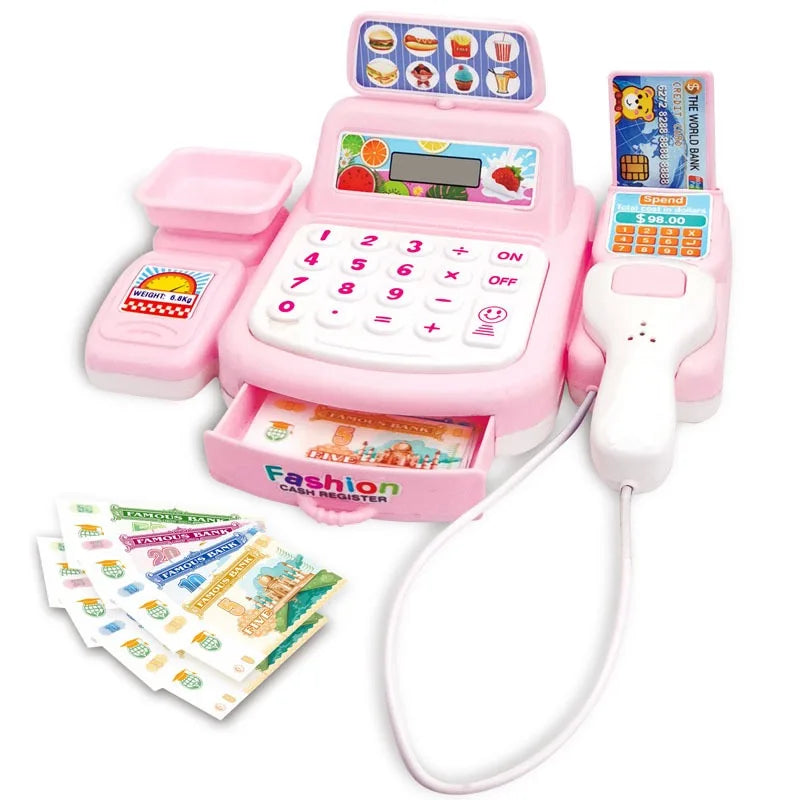
Social pretend play toys encourage sharing and teamwork 💡 See it in action
Choosing Toys for Social Development
When selecting toys for social development, look for open-ended designs. Pretend play preschool toys work best when they allow multiple roles and shared access. Simple features often invite more interaction than overly complex ones.
- Choose toys with multiple pieces for sharing
- Look for familiar real-life themes
- Ensure age-appropriate size and safety
- Encourage imagination over instructions
Collections like Baby Growth & Learning and Sensory Toys offer options that naturally support pretend play in early childhood.
Real-Life Preschool Play Scenarios
Imagine a preschool classroom during free play. One child scans pretend groceries while another bags items. At first, they play quietly side by side. Soon, they exchange smiles, words, and roles. This is social pretend play in action.
Parents often report improved sharing at home after introducing pretend play preschool toys. These moments build confidence that carries into everyday interactions.
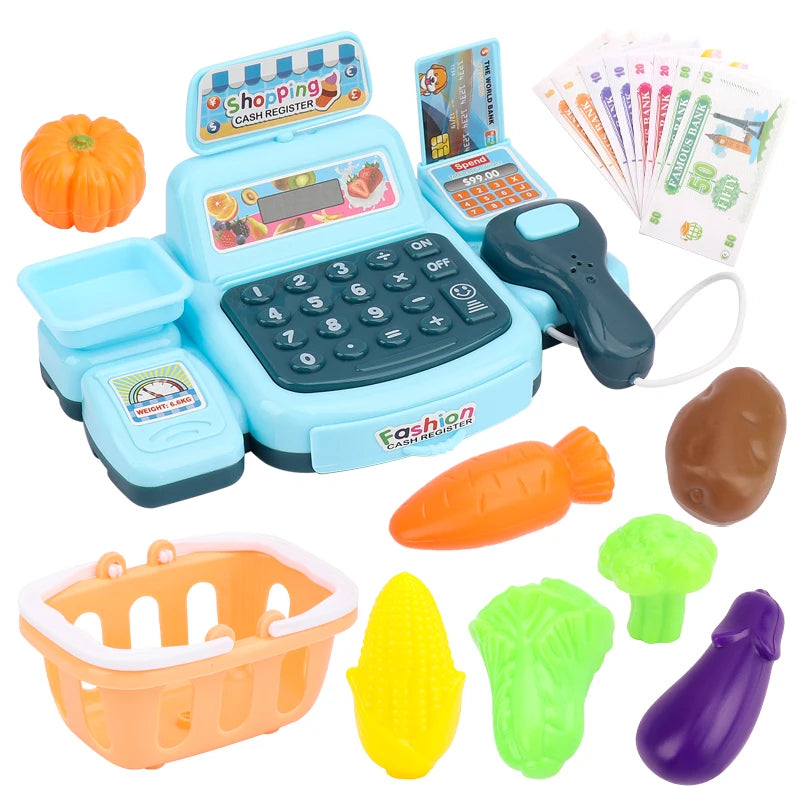
Pretend play in early childhood builds friendships 💡 See it in action
Mini FAQ
What age is best for pretend play preschool toys?
Most children begin enjoying pretend play preschool toys around ages 2–3, with social benefits increasing through ages 4–5 as cooperative play develops.
How long should children engage in social pretend play?
Short daily sessions of 15–30 minutes are often enough to support social growth without overwhelming young children.
Do pretend play toys work for shy children?
Yes. Side-by-side pretend play allows shy children to observe first, then join interactions at their own pace.
Related Guide: Interactive Toy Buying Guide for Smart Playtime Choices





