

Musical Toys vs Educational Toys: What Fits Your Child Best?
Do toy musical instruments really help children learn?
Toy musical instruments help children learn by combining music, movement, and hands-on exploration. They strengthen listening skills, rhythm, coordination, creativity, and early cause-and-effect understanding while making learning enjoyable. Compared with traditional educational toys, musical toys develop different but equally valuable developmental skills, making both important parts of a balanced play environment.
Toy Musical Instruments Compared: Fun vs Learning Value
⏱ 7 min read
Parents often wonder whether musical toys are simply entertaining or whether they genuinely contribute to early learning. While many educational toys focus on numbers, letters, puzzles, or problem-solving, musical toys develop listening, rhythm, coordination, creativity, and self-expression. Understanding these differences makes it much easier to choose toys that match your child's developmental stage and interests.
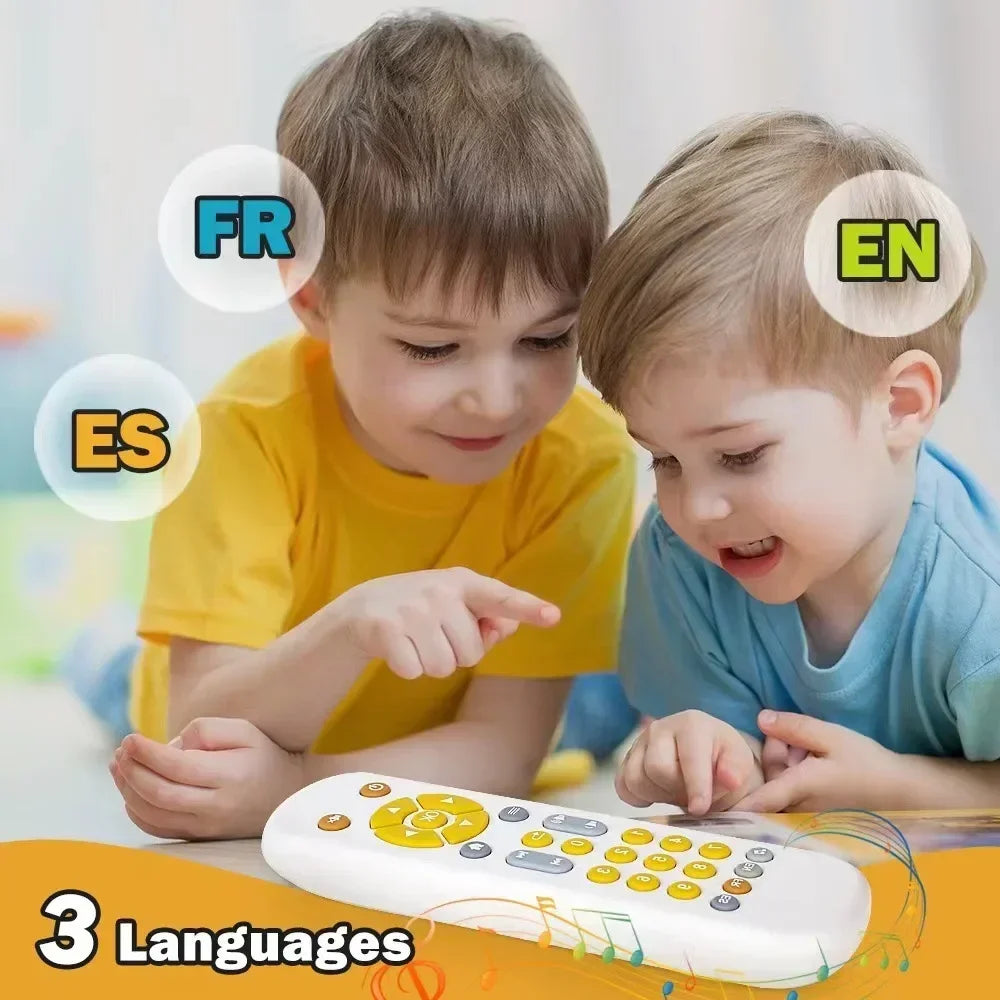
Toy musical instruments that blend sound and movement for auditory visual tactile learning — See it in action
Musical Toys vs Educational Toys: Which One Supports Better Learning?
Parents often compare musical toys vs educational toys when shopping for children. The truth is that both support healthy development, but they encourage different types of learning. Musical toys emphasize rhythm, listening, movement, and creative expression, while educational toys typically focus on language, early math, memory, logic, and structured problem-solving.
Instead of asking which category is "better," consider what skills your child is currently developing. A balanced toy collection allows children to practice creativity alongside cognitive learning, making play both engaging and educational.
Musical Toys vs Educational Toys: Key Differences
Learning Goals and Developmental Benefits
| Feature | Musical Toys | Educational Toys |
|---|---|---|
| Main learning focus | Rhythm, listening, coordination, creativity | Logic, language, memory, problem-solving |
| Learning style | Open-ended exploration | Structured activities |
| Sensory engagement | High (sound, movement, touch) | Varies by toy type |
| Best for | Creative play and expression | Academic readiness and cognitive skills |
Creativity, Imagination, and Problem-Solving
Musical instruments for kids encourage experimentation because there are no "right" or "wrong" ways to play. Children naturally invent rhythms, imitate sounds, dance, and pretend to perform. Educational toys often present specific challenges that encourage reasoning, sequencing, matching, or counting.
Hands-On Skills and Cognitive Growth
Both categories strengthen fine motor development through pressing, grasping, stacking, or turning objects. Musical toys additionally reinforce auditory visual tactile learning by connecting movement with immediate sound feedback, while many educational toys emphasize recognition, categorization, and independent thinking.
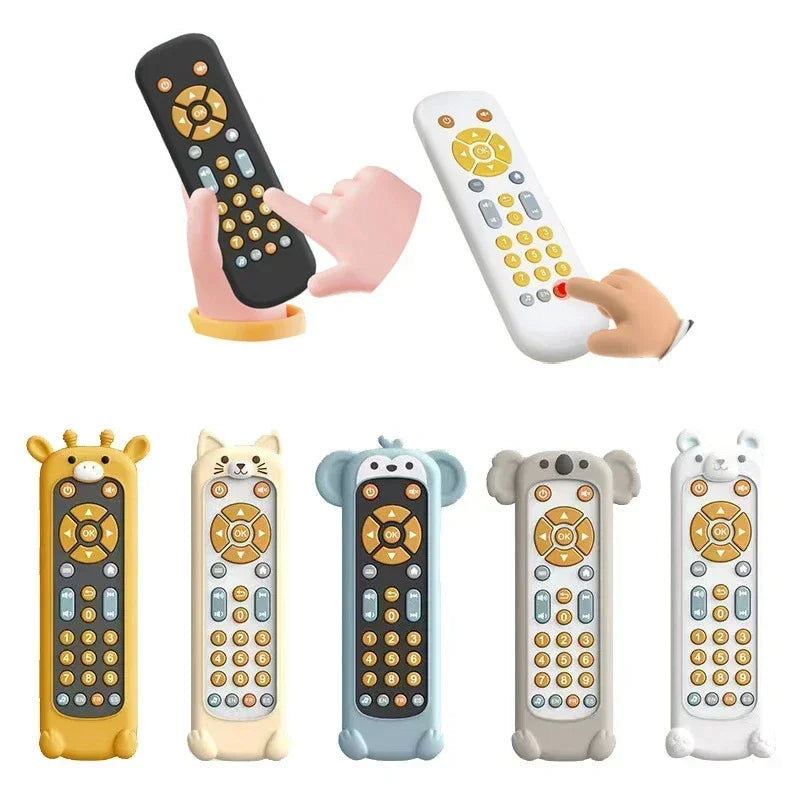
Comparing toy musical instruments for sensory based learning and focus — See it in action
What Are Musical Toys and How Do They Help Children Learn?
Musical toys include much more than miniature drums or keyboards. They also include interactive pretend-play toys that produce melodies, sing songs, introduce simple sounds, or encourage children to explore music through buttons, lights, and movement.
Examples of Musical Toys for Different Ages
- Soft rattles and shakers for babies
- Xylophones and hand drums for toddlers
- Interactive pretend-play musical toys with buttons and songs
- Mini keyboards and simple percussion sets for preschoolers
Benefits of Musical Toys for Child Development
- Develop listening and sound recognition
- Improve timing and coordination through repeated movement
- Encourage imagination and creative play
- Support early hand-eye coordination through pressing, tapping, and shaking
- Promote confidence as children create their own music and explore independently
Benefits of Educational Toys for Child Development
Cognitive Skills and Problem-Solving
Educational toys often introduce structured challenges that encourage children to observe patterns, solve puzzles, sort objects, and make decisions independently.
Language, Math, and STEM Learning
Many educational toys gradually introduce letters, vocabulary, counting, shapes, colors, and early STEM concepts. These activities complement the creative learning encouraged by musical play instead of replacing it.
Independent Learning Through Play
As children grow, educational toys help them practice concentration and persistence while working toward clear goals. Combining these experiences with musical play creates a well-rounded learning environment that develops both creative and cognitive abilities.
Musical Toys vs Educational Toys by Age Group
Babies (6–12 Months)
- Choose gentle musical toys with easy-grip controls.
- Look for secure construction and moderate sound levels.
- Simple cause-and-effect interactions encourage early exploration.
Toddlers (1–3 Years)
- Interactive musical toys build coordination and imitation.
- Educational toys introduce matching, sorting, and simple problem-solving.
- A combination of both provides balanced development.
Preschoolers (3–5 Years)
- Simple musical instruments encourage rhythm and creativity.
- Puzzles, building toys, and early learning games strengthen reasoning skills.
- Pretend-play musical toys combine imagination with learning.
Many parents explore curated options in Baby Growth & Learning and Sensory Toys collections to compare safe, age-appropriate designs in one place.
Can Musical Toys Also Be Educational?
Interactive Musical Learning Toys
Yes. Many modern toys combine music with numbers, colors, vocabulary, or pretend play. These hybrid designs encourage children to interact instead of passively watching or listening.
Combining Music, Creativity, and Skill Development
Interactive toys that respond only when children press buttons or complete actions help reinforce cause and effect while encouraging active participation. Features such as lights, textures, melodies, and responsive controls support sensory learning without overwhelming children.
One example is an infant TV remote control toy , which combines familiar everyday play with music, buttons, and interactive sounds that encourage exploration while supporting early coordination and pretend play.
Families browsing Smart Baby Gadgets often choose these interactive designs because they combine entertainment with meaningful learning opportunities.
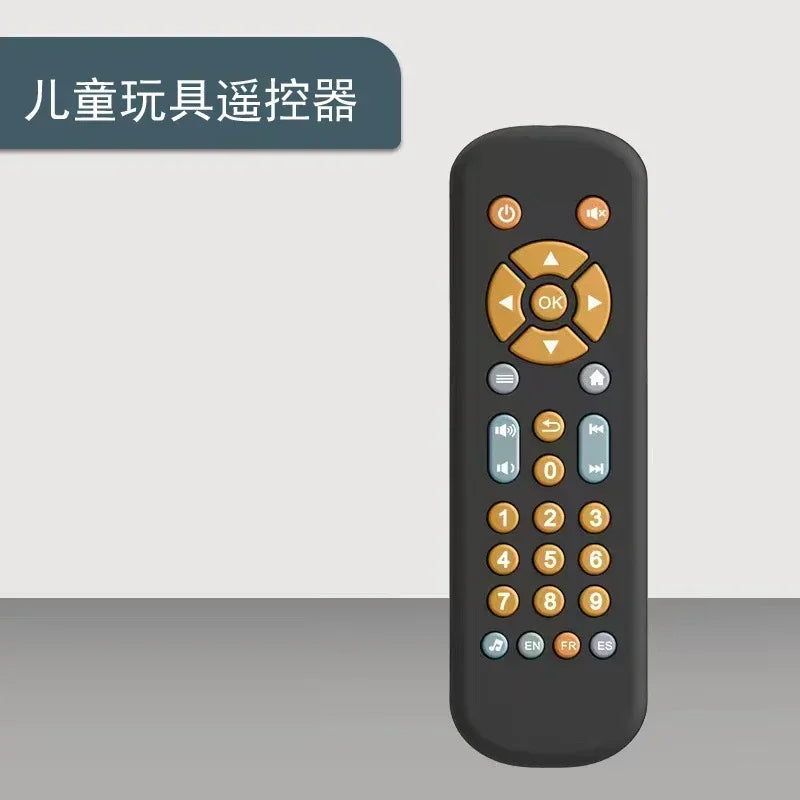
Interactive toy musical instruments that double as imaginative learning toys — See it in action
How to Choose Between Musical and Educational Toys
Consider Your Child's Interests
Children who naturally enjoy dancing, singing, or experimenting with sounds often stay engaged longer with musical toys. Others may prefer puzzles, construction toys, or matching games that present clear challenges.
Match Toys With Development Goals
If you want to encourage creativity, rhythm, listening, and movement, musical toys are an excellent choice. If your goal is building early academic skills, educational toys offer more structured learning opportunities.
Balance Fun and Learning Value
Rather than choosing one category over another, many child development specialists recommend offering a mix of musical, educational, and imaginative play toys. This balanced approach exposes children to a wider variety of experiences while keeping play enjoyable and engaging.
Quick FAQ
Are musical toys educational for children?
Yes. Musical toys teach listening, rhythm, coordination, creativity, and cause-and-effect learning. While they differ from traditional educational toys, they provide meaningful developmental benefits through active play.
Are educational toys better than musical toys?
Not necessarily. Educational toys and musical toys develop different skills. Educational toys emphasize structured learning, while musical toys encourage creativity, movement, and sensory exploration.
Can children benefit from both musical and educational toys?
Absolutely. Combining both categories gives children opportunities to develop cognitive, creative, motor, and social skills through varied play experiences.
What age is best to introduce musical toys?
Many babies begin enjoying age-appropriate musical toys around six months of age. Choose toys with gentle sounds, secure construction, and simple interactions that match your child's developmental stage.
Related Guide: Infant Interactive Toys: Best Options Compared for Safe Play





