

Toys for Fine Motor Skills for Preschool and Kindergarten Kids
What are toys for fine motor skills and why do they matter?
Toys for fine motor skills help children strengthen small hand muscles, improve hand-eye coordination, and practice precise movements needed for writing, dressing, and daily tasks. The best fine motor skill toys for preschoolers turn play into hands-on learning that supports focus, confidence, and independence at home or in the classroom.
Toys for Fine Motor Skills for Preschool and Kindergarten Kids
⏱ 7 min read
If you’ve ever watched a preschooler struggle with buttons, crayons, or scissors, you already know how important fine motor development is. Toys for fine motor skills can make a real difference by turning practice into play. The right choices support coordination, patience, and confidence—without screens or pressure.
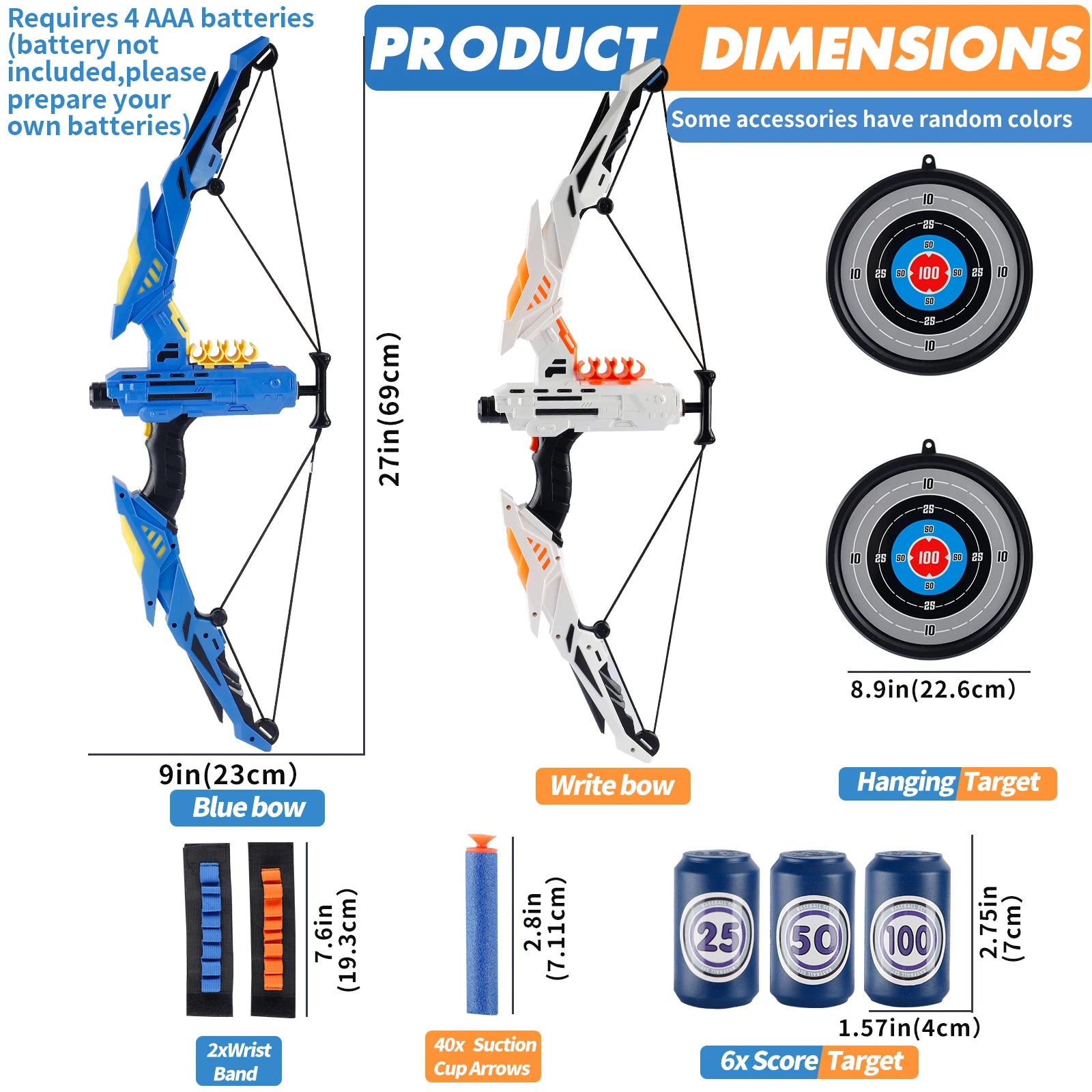
Fine motor skill toys for preschoolers that encourage focus and coordination 💡 See it in action
Why Fine Motor Skills Matter in Early Childhood
Fine motor skills involve the small muscles of the hands and fingers. These skills allow children to grip, pinch, twist, and control objects with intention. In preschool and kindergarten years, this development supports everyday milestones like drawing shapes, using utensils, and managing clothing fasteners.
- Better pencil control and early writing readiness
- Improved independence with self-care tasks
- Stronger focus and problem-solving through hands-on play
- Greater confidence when trying new challenges
Parents often notice that kids who practice these movements through play show more patience and persistence. That’s why educators frequently recommend pairing learning routines with Baby Growth & Learning toys designed for hands-on exploration.
How to Choose Fine Motor Skill Toys for Preschoolers
Toys for fine motor skills should feel fun, not forced. The best options invite repetition, creativity, and gradual challenge without frustration.
Look for toys that encourage precise movement
Threading, stacking, squeezing, and aiming activities all require controlled hand use. These movements strengthen finger muscles while keeping kids engaged.
Match difficulty to your child’s stage
Preschoolers benefit from toys that offer just enough resistance to feel rewarding. Adjustable or open-ended toys grow with your child instead of being outgrown quickly.
Choose durable, child-friendly materials
Smooth edges, sturdy construction, and age-appropriate sizing are key. Many parents explore options within Health & Safety collections to ensure peace of mind during play.
Indoor Activities for Kindergarten That Build Coordination
When outdoor play isn’t possible, indoor activities for kindergarten can still support fine motor growth. Simple setups at home or in classrooms make a big impact.
- Target games that involve aiming and releasing
- Building sets that require stacking and balancing
- Art activities using scissors, stickers, and clay
- Role-play toys that involve grasping and control
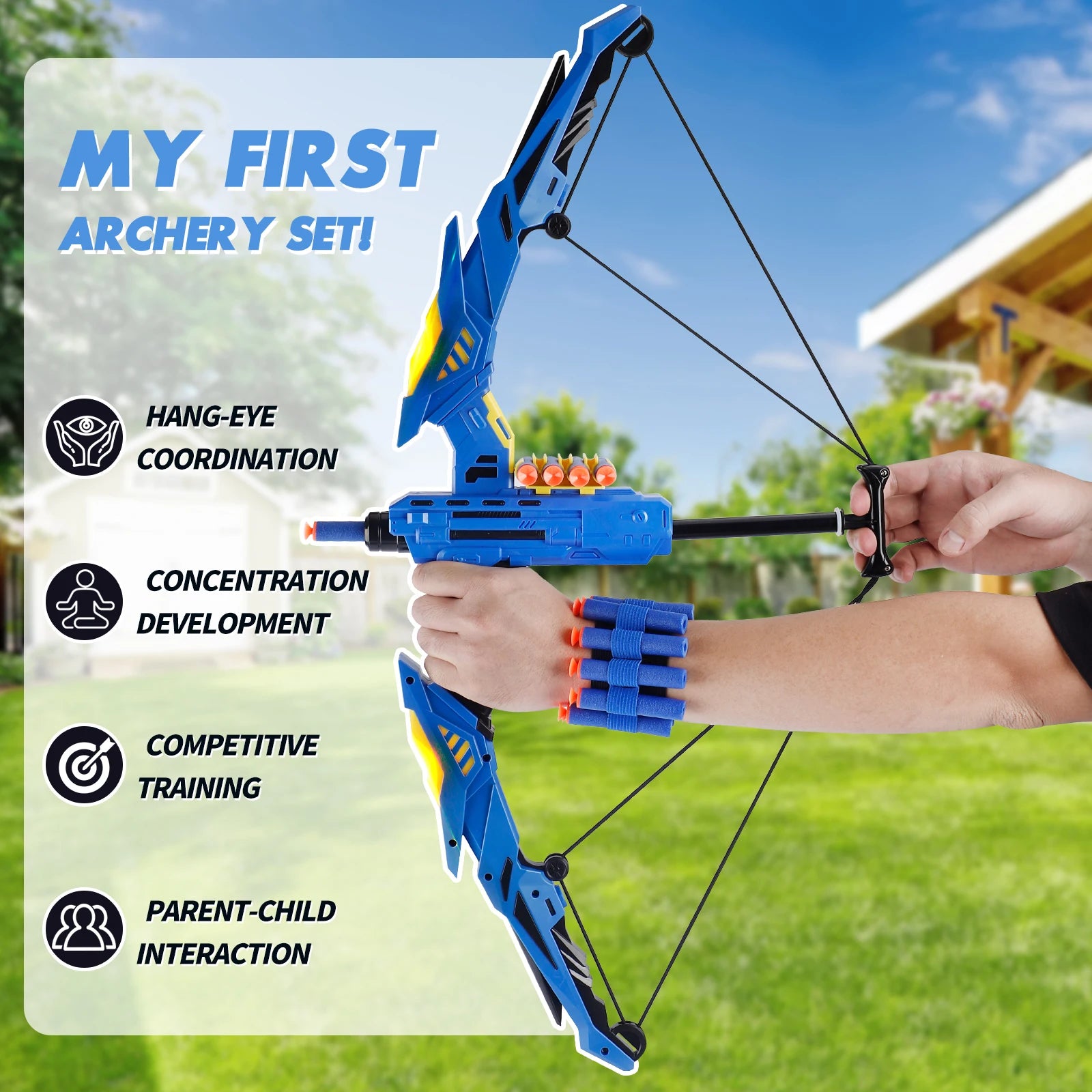
Indoor activities for kindergarten that keep little hands busy 💡 See it in action
Many families combine structured toys with sensory-based play from the Sensory Toys collection to support both focus and creativity during indoor routines.
What Makes Safe Toys for Preschoolers
Safety is non-negotiable when choosing fine motor toys. Preschoolers learn best when adults feel confident letting them explore freely.
- Non-toxic materials and finishes
- No sharp edges or small detachable parts
- Clear age recommendations
- Easy-to-clean surfaces for daily use
Toys that meet these standards allow children to practice skills independently, supporting trust and autonomy. Parents often pair playtime with items from Baby Care Essentials to create a well-rounded daily routine.
A Hands-On Play Example Kids Love
One engaging option for building coordination is a child-friendly archery-style game that focuses on aiming, gripping, and controlled release. These movements directly support fine motor development while keeping play exciting.
The Kids Archery Set encourages:
- Hand strength through repeated gripping
- Hand-eye coordination with target practice
- Focus and patience during turn-taking
- Confidence as accuracy improves over time
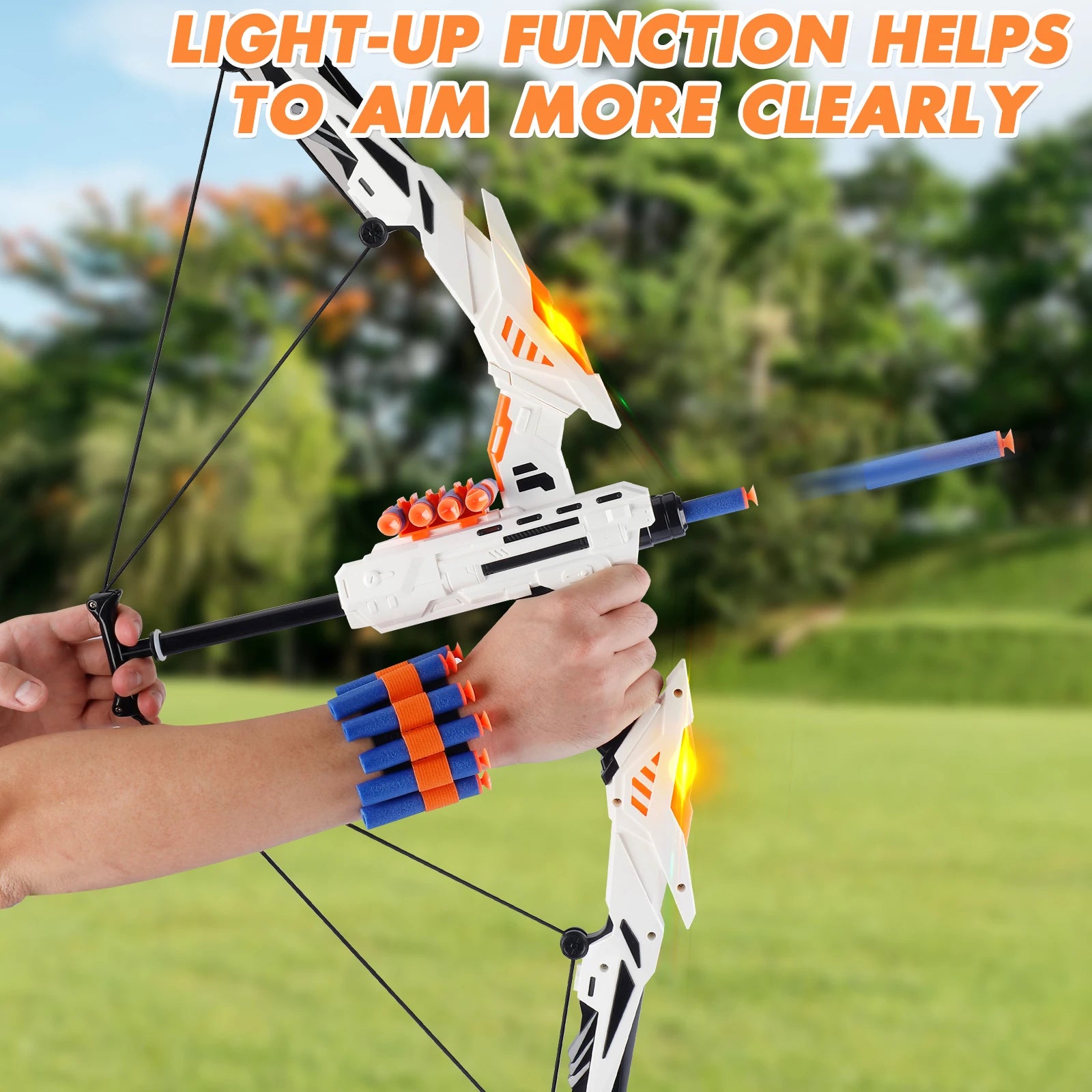
Safe toys for preschoolers that build coordination and confidence 💡 See it in action
Parents often share that activities like this become a favorite indoor option, especially when paired with movement-based play from Mobility & Training to balance fine and gross motor development.
Frequently Asked Questions
At what age should children start using fine motor toys?
Most children can begin simple fine motor activities around age two, with more complex toys introduced during preschool and kindergarten years as coordination improves.
How often should kids play with fine motor skill toys?
Short daily sessions are more effective than occasional long playtimes. Even 10–15 minutes a day can support steady progress.
Can fine motor toys replace worksheets or drills?
Hands-on toys often provide better engagement than paper-based practice. Play-based learning helps children develop skills naturally and with less frustration.
Related Guide: Toys That Promote Fine Motor Skills for Different Age Needs





