

Best Toys for Hand-Eye Coordination That Build Skills Faster
Why Hand-Eye Coordination Matters for Early Development
Toys for hand eye coordination help children connect visual information with purposeful movement. As babies and toddlers practice reaching, grasping, pressing, stacking, and releasing, they strengthen the brain pathways that support fine motor skills, visual tracking, balance, and everyday problem-solving. These early experiences become the foundation for writing, feeding, dressing, and many other daily tasks.
Well-designed fine motor skills toys for infants encourage repeated practice without feeling like work. Because children naturally enjoy interactive play, they develop coordination while building confidence and independence.
- Supports fine motor control needed for writing and drawing
- Improves visual tracking and object recognition
- Builds concentration and attention span
- Encourages independent exploration and play
- Develops confidence through repeated success
That’s why many parents explore Baby Growth & Learning tools alongside toys—they're looking for practical ways to encourage healthy development through everyday play.
Toys for Hand Eye Coordination Compared: Which Builds Skills Fast
⏱ 6 min read
The best toys for hand eye coordination combine fun with purposeful movement. Rather than relying on flashing lights alone, effective toys encourage children to reach, track, press, grasp, sort, and solve simple challenges. This guide compares popular toy types, explains how they build skills, and helps parents choose age-appropriate options that support healthy development.
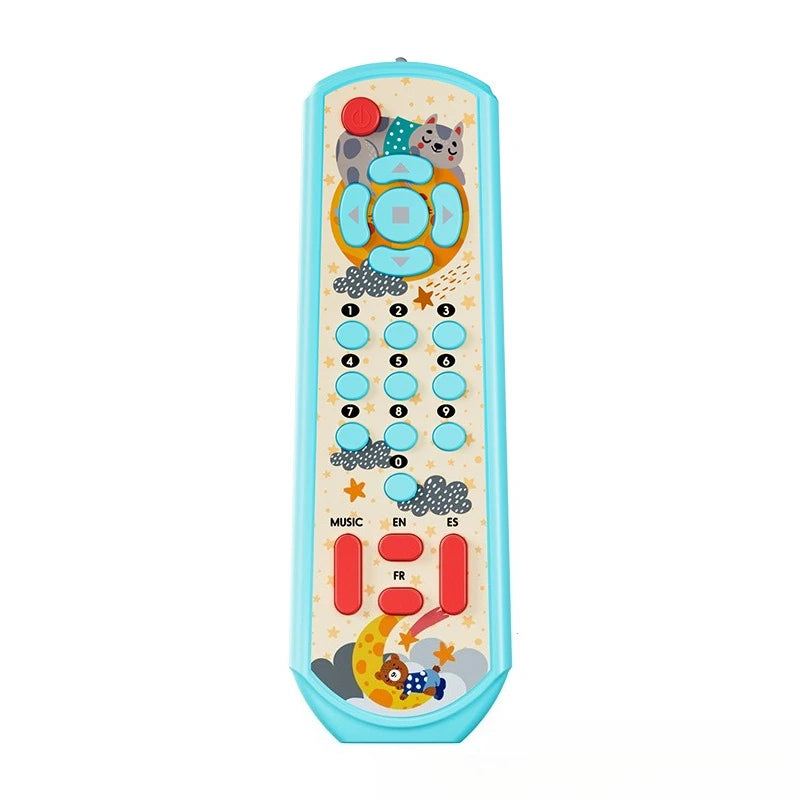
Toys for hand eye coordination that keep little hands engaged. See it in action.
Best Toys for Hand-Eye Coordination by Age
Best Baby Hand-Eye Coordination Toys (0–12 Months)
During the first year, babies learn to reach, grasp, shake, transfer objects between hands, and visually follow movement. The best baby hand eye coordination toys encourage simple, repeatable actions with gentle sensory feedback.
- Soft grasping toys
- High-contrast rattles
- Activity gyms
- Simple button-based early learning toy
Best Hand-Eye Coordination Toys for Toddlers (1–3 Years)
As toddlers gain mobility, they benefit from toys that combine movement with problem solving. Hand eye coordination toys for toddlers help refine finger control while introducing matching, sorting, and cause-and-effect play.
- Shape sorters
- Stacking blocks
- Ball ramps
- Interactive learning toys
Best Toys for Preschoolers (3–5 Years)
Preschoolers are ready for more challenging activities that combine planning with precision. Building toys, beginner puzzles, and construction sets encourage longer attention spans while strengthening coordination needed for school readiness.
How Toys Improve Hand-Eye Coordination
Toys that improve hand eye coordination work because they require children to match what they see with how they move. Every successful action strengthens neural connections involved in movement planning and visual processing.
Visual Tracking
Following moving objects with the eyes teaches children to predict movement and react accurately. Ball toys, rolling toys, and light-up interactive toys all encourage smooth visual tracking.
Grasping and Reaching
Picking up objects of different sizes develops finger strength, hand stability, and wrist control. These movements prepare children for holding crayons, using utensils, and fastening clothing later on.
When children discover that pressing a button activates lights or placing the correct shape into an opening produces success, they learn persistence, sequencing, and simple problem solving. Toys that promote hand-eye coordination combine these learning opportunities naturally through play.
Quick Comparison Table
| Toy Type | Recommended Age | Primary Skills | Difficulty | Best For |
|---|---|---|---|---|
| Stacking Blocks | 12+ months | Fine motor skills, balance | Easy | Patience and precision |
| Shape Sorters | 12–24 months | Problem solving, coordination | Moderate | Matching shapes |
| Rolling Balls | 6+ months | Visual tracking | Easy | Following movement |
| Interactive Button Toys | 6+ months | Cause and effect, finger control | Easy | Independent exploration |
| Building Toys | 3–5 years | Planning, precision | Advanced | Creative play |
Many parents also combine developmental toys with items from Sensory Toys collections to encourage tactile exploration alongside visual learning.
Best Hand-Eye Coordination Toys Compared
Stacking and Sorting Toys
Best for: Fine motor development and patience.
- ✅ Encourages precision
- ✅ Improves spatial awareness
- ❌ May become repetitive without variation
Shape Sorters and Puzzles
Best for: Problem solving and matching skills.
- ✅ Strengthens logical thinking
- ✅ Develops visual discrimination
- ❌ Can frustrate younger babies
Ball and Rolling Toys
Best for: Visual tracking and whole-body movement.
- ✅ Encourages crawling and reaching
- ✅ Improves reaction time
- ❌ Less focus on finger precision
Interactive Button Toys
Best for: Cause-and-effect learning and finger isolation.
- ✅ Immediate feedback keeps attention
- ✅ Builds independent play skills
- ❌ Choose designs without overwhelming lights or sounds
Parents exploring this interactive toy often appreciate its familiar remote-control design that encourages repeated button pressing, visual tracking, and simple cause-and-effect learning without introducing screen time.
Building and Construction Toys
Best for: Preschool children developing planning and precision.
- ✅ Encourages creativity
- ✅ Strengthens bilateral coordination
- ❌ Better suited to older toddlers and preschoolers
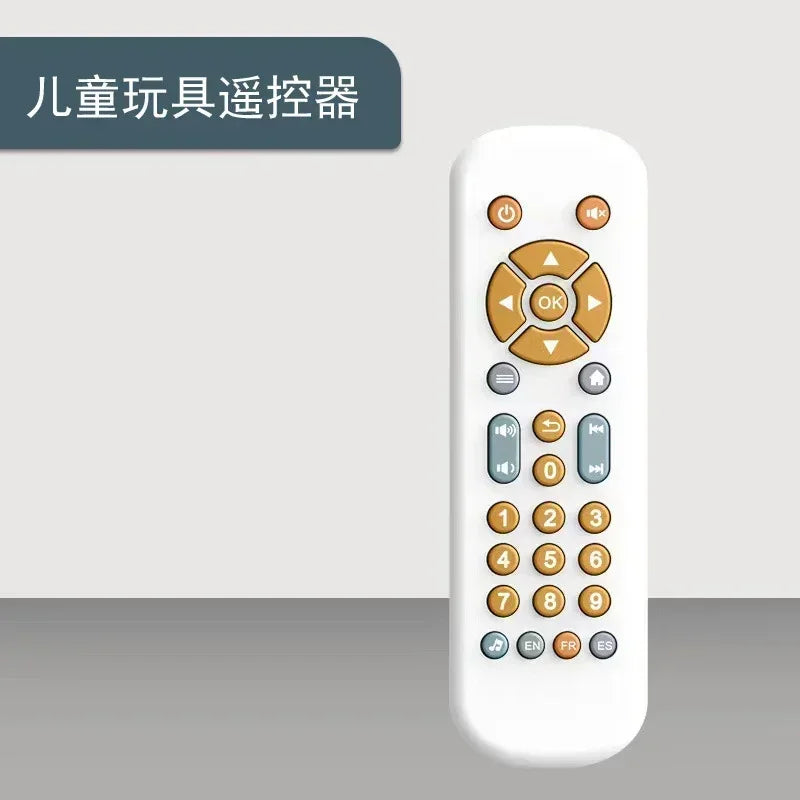
Comparing eye hand coordination toys during real play. See it in action.
How to Choose the Right Hand-Eye Coordination Toy
Choose by Age
Select baby toys for hand eye coordination that match your child's current developmental stage rather than simply choosing the most advanced option.
Choose by Skill Level
Look for toys that provide a manageable challenge. Children learn best when they can succeed with practice instead of becoming overwhelmed.
Safety and Material Checklist
- Choose toys sized for small hands.
- Look for smooth edges and durable construction.
- Select BPA-free, child-safe materials when appropriate.
- Encourage open-ended play rather than passive entertainment.
- Rotate toys regularly to maintain interest.
Many families pair developmental toys with tools from Mobility & Training to support balanced physical development.
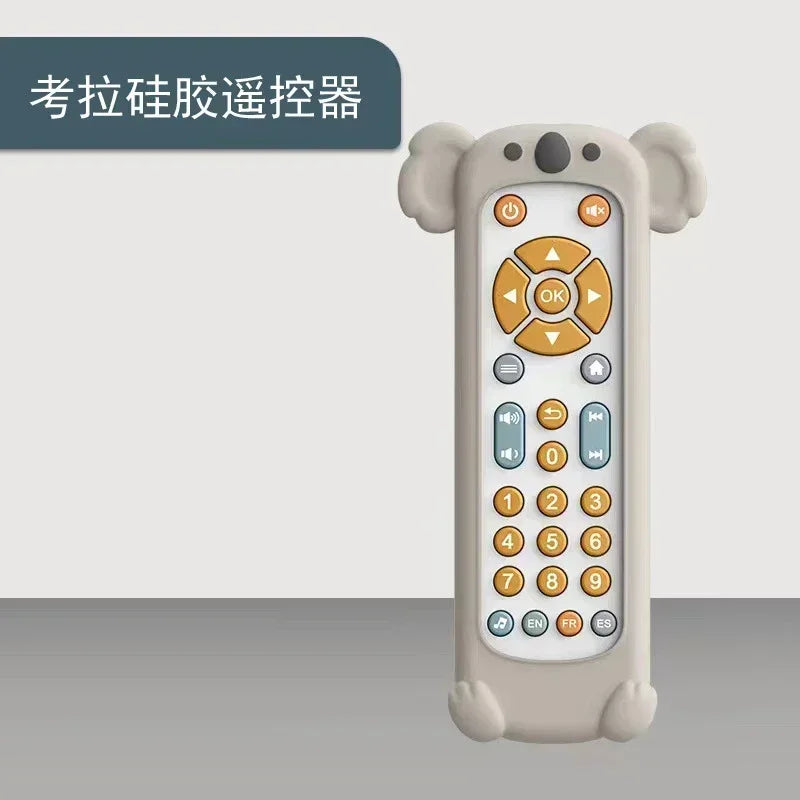
Fine motor skills toys for infants that grow alongside every developmental stage. See it in action.
Montessori vs Traditional Coordination Toys
Both Montessori-inspired and traditional developmental toys can strengthen hand-eye coordination when used appropriately.
| Montessori Toys | Traditional Toys |
|---|---|
| Simple, open-ended activities | Interactive features and feedback |
| Encourages independent discovery | Motivates through sounds and lights |
| Natural materials are common | Wide variety of learning experiences |
| Excellent for focused exploration | Great for cause-and-effect learning |
The best choice depends on your child's interests and developmental stage. Many families successfully combine both styles to create varied learning experiences.
Safety Tips for Choosing Developmental Toys
- Always follow the manufacturer's recommended age range.
- Avoid toys with small removable parts for babies and young toddlers.
- Inspect toys regularly for loose pieces or damage.
- Choose washable materials that are easy to clean.
- Supervise young children during play, especially when introducing new toys.
Frequently Asked Questions
What are the best toys for hand-eye coordination?
Some of the best toys include stacking blocks, shape sorters, rolling ball toys, simple puzzles, and interactive button toys that encourage reaching, pressing, and visual tracking.
What toys improve hand-eye coordination the fastest?
Toys that combine immediate cause-and-effect feedback with repeated fine motor actions often produce the quickest improvements because children naturally repeat successful movements.
What age should babies start using coordination toys?
Many babies begin benefiting from simple infant hand eye coordination toys around 6 months, when reaching, grasping, and transferring objects become more consistent.
Are Montessori toys better for hand-eye coordination?
Montessori toys support independent exploration and focused play, while traditional interactive toys can reinforce visual tracking and cause-and-effect learning. Both approaches can be highly effective.
Can electronic toys improve hand-eye coordination?
Yes, provided they encourage active interaction rather than passive watching. Simple electronic early learning toys with clear responses to button presses can strengthen finger control and visual attention.
How many developmental toys does a child need?
A carefully rotated collection of three to five high-quality developmental toys is usually enough to provide variety while preventing overstimulation.
Related Guide: Infant Interactive Toys: Best Options Compared for Safe Play





