

Toys for Hand Eye Coordination: What Makes Them Work
Do toys for hand eye coordination really work?
Toys for hand eye coordination strengthen the brain-body connection by training children to track objects, judge distance, and respond with precise movement. The best toys combine timing challenges, repetition, and active play, turning coordination improvement exercises into fun outdoor toss games and lawn games for families that build reflexes, focus, and confidence.
Toys for Hand Eye Coordination: What Makes Them Work
Toys for hand eye coordination do far more than keep kids busy—they quietly build focus, timing, and brain-body connection through playful challenges. The right hand eye coordination toy turns simple coordination improvement exercises into exciting outdoor toss games and lawn games for families that strengthen reflexes and confidence. But what exactly makes certain toys accelerate skill growth while others fall flat?
⏱ 7 min read
Many parents notice their child struggling to catch a ball, track fast-moving objects, or stay focused during play. These challenges often reflect developing motor skills rather than ability. The right play tools transform frustration into skill-building fun while encouraging healthy movement and cognitive development.
Which coordination games actually help kids improve skills while keeping them excited to play? Keep reading to discover the science behind why certain toys deliver stronger results.
Explore playful skill-building options inside the Baby Growth & Learning collection designed to support development through interactive play.
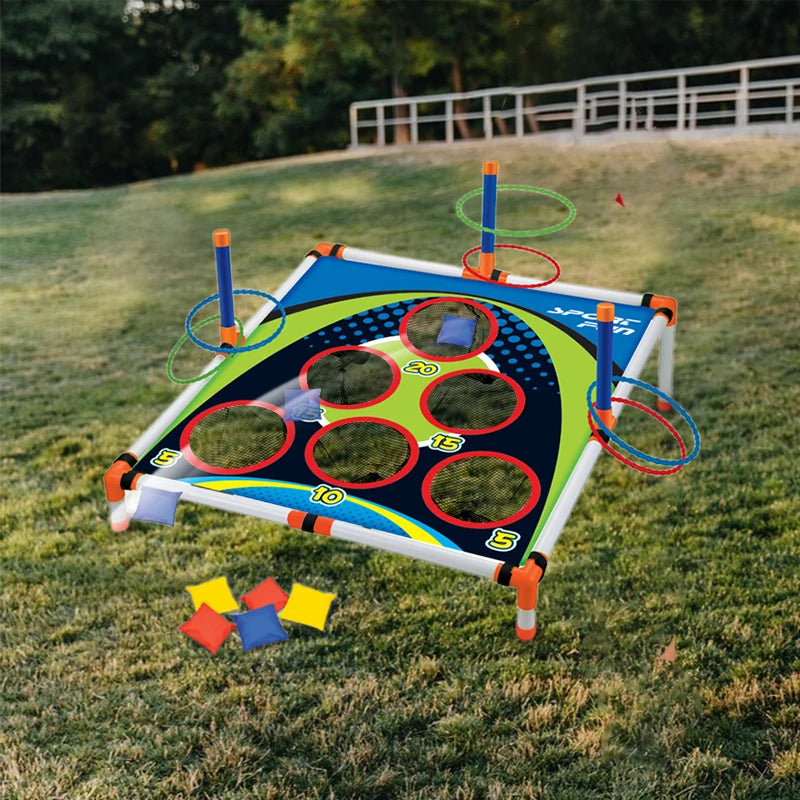
Toys for hand eye coordination help children master coordination improvement exercises through outdoor toss games 💡 See it in action
How Toys for Hand Eye Coordination Strengthen Brain and Body Connections
Toys for hand eye coordination improve how the brain processes visual information and converts it into precise physical movement. Repeated practice helps children improve timing, reaction speed, and motor planning. Active play also supports muscle development and concentration skills that transfer into sports, academics, and daily tasks.
- Improves reaction speed and visual tracking
- Builds muscle memory through repetition
- Strengthens spatial awareness and judgment
- Encourages focus and problem-solving abilities
- Promotes physical activity and healthy energy release
Parents looking to support motor skill development often combine coordination toys with sensory-based play tools available in the Sensory Toys collection to encourage balanced growth.
Which Features Make a Hand Eye Coordination Toy More Effective?
The most successful coordination toys share design elements that encourage skill progression rather than repetitive, low-impact play. These features increase engagement while gradually challenging children to improve accuracy and control.
Adjustable Difficulty Levels Build Long-Term Progress
Toys that allow distance changes, scoring targets, or adjustable obstacles grow with the child’s ability. This prevents boredom while encouraging consistent practice.
Visual Targeting Enhances Focus and Precision
Bright colors, contrast targets, and clearly defined scoring zones help children track movement more easily, improving accuracy during coordination improvement exercises.
Repetition Without Frustration Improves Confidence
Simple reset play mechanics allow children to repeat movements naturally, strengthening muscle memory while keeping play enjoyable and stress-free.
Safe, Durable Materials Support Active Play
Outdoor-friendly designs allow extended use across different environments, encouraging longer play sessions and skill reinforcement.
| Feature | Why It Matters | Skill Benefit |
|---|---|---|
| Target-based scoring | Encourages visual tracking | Improves aim and precision |
| Portable setup | Allows flexible play environments | Encourages frequent practice |
| Lightweight toss objects | Prevents frustration and injury | Builds confidence and repetition |
How Outdoor Toss Games Build Real-World Coordination Skills
Outdoor toss games naturally simulate real-life movement challenges. Children learn to judge distance, control strength, and react to movement speed. These skills translate into sports participation, classroom activities, and everyday coordination tasks.
Parents often notice improvements in:
- Ball-catching and throwing abilities
- Improved attention span during activities
- Stronger upper body control
- Better teamwork and social interaction
Explore skill-building play solutions inside the Mobility & Training collection designed to support safe movement development.
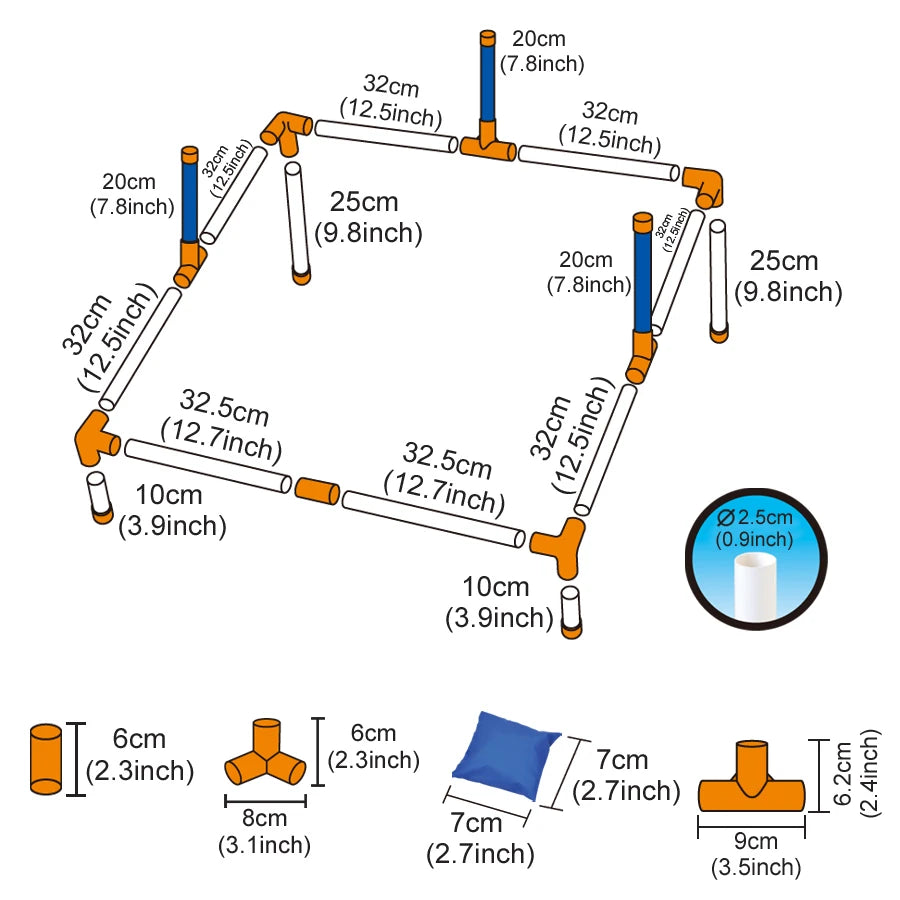
A hand eye coordination toy turns outdoor toss games into fun coordination improvement exercises 💡 See it in action
Why the Portable Cornhole Game Delivers Strong Coordination Results
Toys for hand eye coordination like portable cornhole games encourage children to develop precise throwing accuracy through structured target play. By combining distance control, repetition, and score-based motivation, these games transform simple coordination improvement exercises into engaging outdoor toss games and lawn games for families.
The portable cornhole game stands out because it balances fun competition with progressive skill-building challenges.
Lightweight Toss Bags Encourage Early Success
Children can easily grip and throw soft bags, reducing frustration while allowing repeated practice sessions.
Portable Design Supports Frequent Skill Practice
Families can set up the game indoors, outdoors, or during travel, increasing exposure to coordination exercises.
Scoring Motivation Encourages Goal Setting
Children naturally develop accuracy when tracking their scores and aiming for improvement over time.
Family Play Encourages Social Skill Growth
Playing together builds teamwork, patience, and communication while reinforcing learning through imitation.
Real Parent Feedback: Many families report children showing improved throwing accuracy and longer attention spans after consistent weekly play sessions with structured toss games.
Coordination Toys vs Passive Entertainment: What Drives Better Development?
| Play Type | Physical Activity | Focus Development | Motor Skill Growth |
|---|---|---|---|
| Coordination toys | High | Strong improvement | Active skill building |
| Passive screen entertainment | Low | Limited engagement | Minimal motor training |
| Unstructured free play | Moderate | Variable focus | Inconsistent skill growth |
Structured coordination games deliver measurable skill improvement because they combine repetition, challenge, and reward systems that motivate continued participation.
How to Use Coordination Improvement Exercises for Maximum Skill Growth
- Start with short 10–15 minute play sessions to prevent fatigue.
- Gradually increase toss distance to improve precision.
- Encourage score tracking to motivate improvement.
- Rotate game positions to train different muscle groups.
- Practice multiple times per week for steady progress.
Combining structured coordination toys with learning tools found in the Baby Growth & Learning collection supports overall developmental progress.
Why Lawn Games for Families Strengthen Confidence and Learning
Children learn faster when they observe and imitate family members. Lawn games create relaxed environments where kids practice coordination without performance pressure.
Family-based coordination play supports:
- Emotional bonding and confidence building
- Social skill development through teamwork
- Healthy outdoor activity habits
- Consistent motivation through friendly competition
The portable cornhole game makes group participation easy, encouraging children to practice skills repeatedly in a supportive environment.
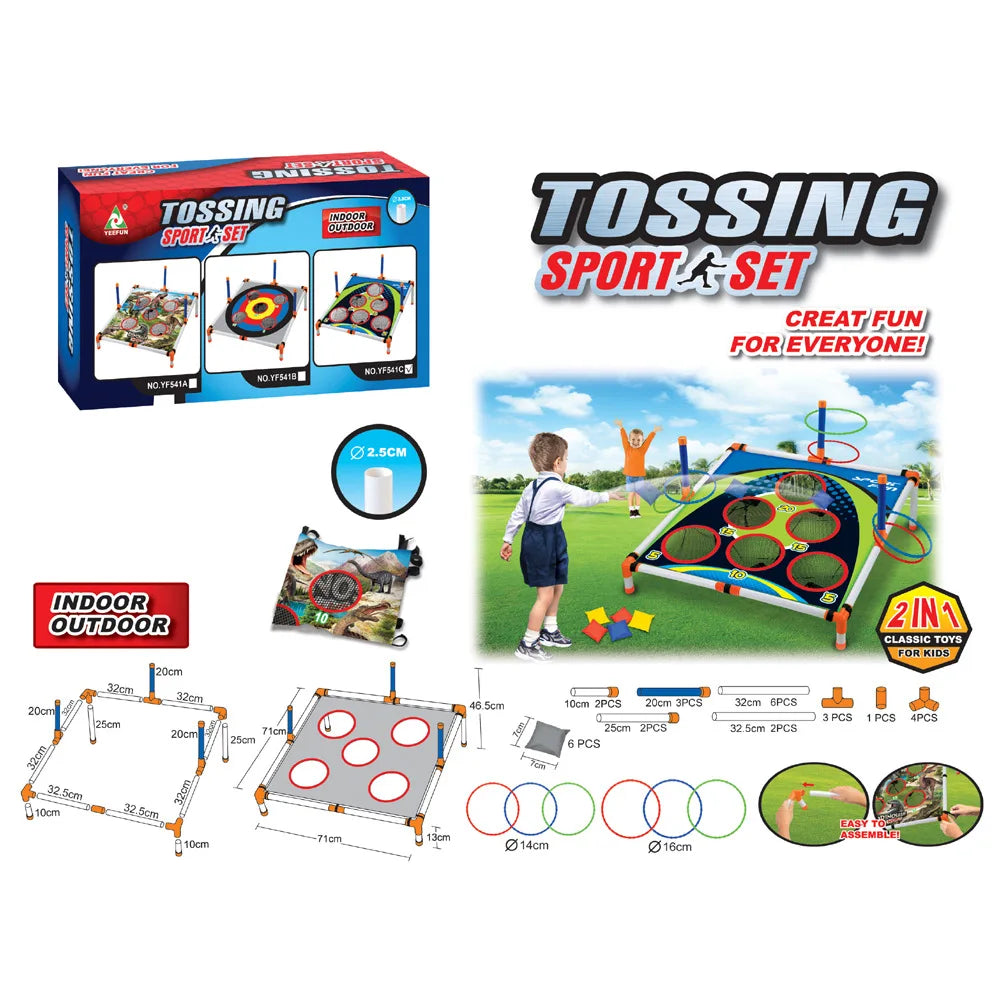
Outdoor toss games using toys for hand eye coordination build reflexes through lawn games for families 💡 See it in action
Support skill-building family fun with the portable cornhole game designed to make coordination improvement exercises engaging and rewarding.
Frequently Asked Questions
At what age should children start using toys for hand eye coordination?
Most children begin benefiting from coordination toys between ages two and three. Simple tossing and target-based games help develop visual tracking and motor planning during early developmental stages.
How often should children practice coordination exercises?
Practicing coordination games three to five times per week encourages consistent progress without overwhelming children. Short sessions with fun challenges produce stronger results than long, repetitive play.
Do outdoor toss games help improve sports performance later?
Yes. Toss games strengthen timing, accuracy, and reaction speed, which are foundational skills for sports like baseball, basketball, and tennis. These toys create skill pathways that support future athletic participation.
Related Guide: Motor Skills Activities: Key Features That Boost Growth





