

Toys That Build Fine Motor Skills Which Are Worth It
Do toys that build fine motor skills really work?
Toys that build fine motor skills help children strengthen hand control, finger coordination, and focus through repeated, playful movement. When designed well, they turn everyday hands on play into meaningful practice that supports writing readiness, self-care tasks, and early problem-solving—often faster and with less frustration than passive activities.
Toys That Build Fine Motor Skills Which Are Worth It
⏱ 6 min read
Toys that build fine motor skills can transform ordinary playtime into moments that quietly shape confidence, independence, and learning readiness. Many parents worry about weak grips, short attention spans, or toys that entertain briefly but teach little. The right options blend hands on play with purposeful challenges—making progress feel natural, not forced.
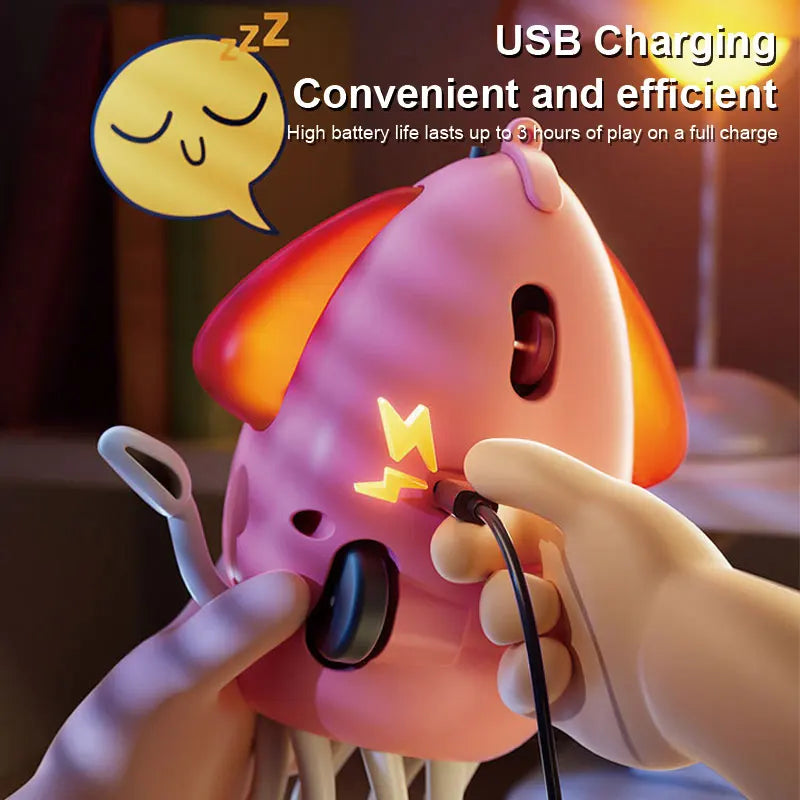
Hands on play with toys that build fine motor skills for curious learners 💡 See it in action
Why fine motor skills matter earlier than you think
Fine motor development affects more than handwriting. Strong fingers and coordinated hands help children button clothes, use utensils, build structures, and stay engaged during learning tasks. When these skills lag, frustration often follows—especially in preschool and kindergarten settings.
That’s why many families explore Baby Growth & Learning resources alongside toys. Play-based repetition helps skills stick without pressure.
Which play activities actually help small hands grow stronger? Keep reading to see what works best.
What makes toys that build fine motor skills truly worth it?
Toys that build fine motor skills are most effective when they invite repeated movement, problem-solving, and creativity. Flashy lights alone don’t do the job—purposeful design does.
- Resistance or precision: Turning, pinching, stacking, or pressing.
- Open-ended play: Multiple ways to interact keep attention longer.
- Age-appropriate challenge: Not too easy, not overwhelming.
- Durability & safety: Smooth edges, sturdy parts.
Side-by-side comparison of popular fine motor toys
| Toy Type | Best For | Main Skill Focus | Pros | Cons |
|---|---|---|---|---|
| Stacking & Sorting Sets | Ages 2–4 | Grip strength, coordination | Simple, repeatable | Limited long-term variety |
| Busy Boards | Ages 3–5 | Finger control, problem-solving | Real-life skills | Bulky for travel |
| Interactive Movement Toys | Ages 3+ | Timing, hand-eye coordination | High engagement | Needs supervision |
For sensory-driven engagement, many parents pair these with options from Sensory Toys to extend playtime variety.
Best interactive toys for 3 year olds through kindergarten
Toys that build fine motor skills for this age group work best when movement meets imagination. Children learn faster when they’re laughing, copying patterns, or responding to playful prompts.
Movement-based learning toys that keep hands busy
Toys that respond to touch or motion encourage repeated actions—twisting, pressing, clapping—that strengthen small muscles naturally.
Why they stand out: Interactive toys for 3 year olds often hold attention longer than static sets, making practice feel like a game.
One popular example is the Dancing Octopus Toy, which invites children to follow movements and interact rhythmically. Parents often notice improved coordination after just a few weeks of regular play.
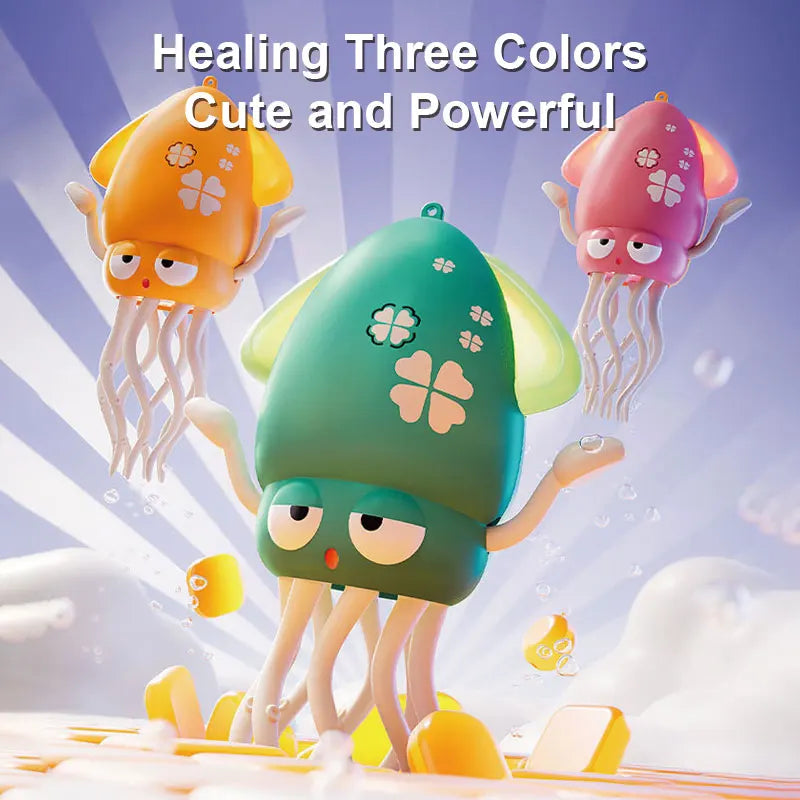
Interactive toys for 3 year olds that encourage hands on play 💡 See it in action
Quiet tabletop toys for focused practice
Not every child wants constant motion. Bead mazes, peg boards, and lacing cards offer calm, concentrated hands on play that builds endurance.
These pair well with daily routines and complement resources from Baby Care Essentials when creating balanced play spaces.
How to choose kindergarten learning toys without overwhelm
With so many options, choosing kindergarten learning toys can feel exhausting. A simple checklist helps narrow it down.
- Match the toy to your child’s current ability—not just age.
- Look for toys that grow with added challenges.
- Prioritize comfort and safety for small hands.
- Observe how your child naturally plays, then build on it.
Families often explore Baby Growth & Learning collections to compare styles and skill focus in one place.
What parents notice after regular fine motor play
Consistent hands on play leads to subtle but meaningful changes. Parents commonly report:
- Stronger pencil and crayon grip
- Less frustration with buttons and zippers
- Longer attention spans during quiet tasks
- More confidence trying new activities
Several families shared that adding one engaging toy—like the Dancing Octopus Toy—helped their child practice daily without reminders.
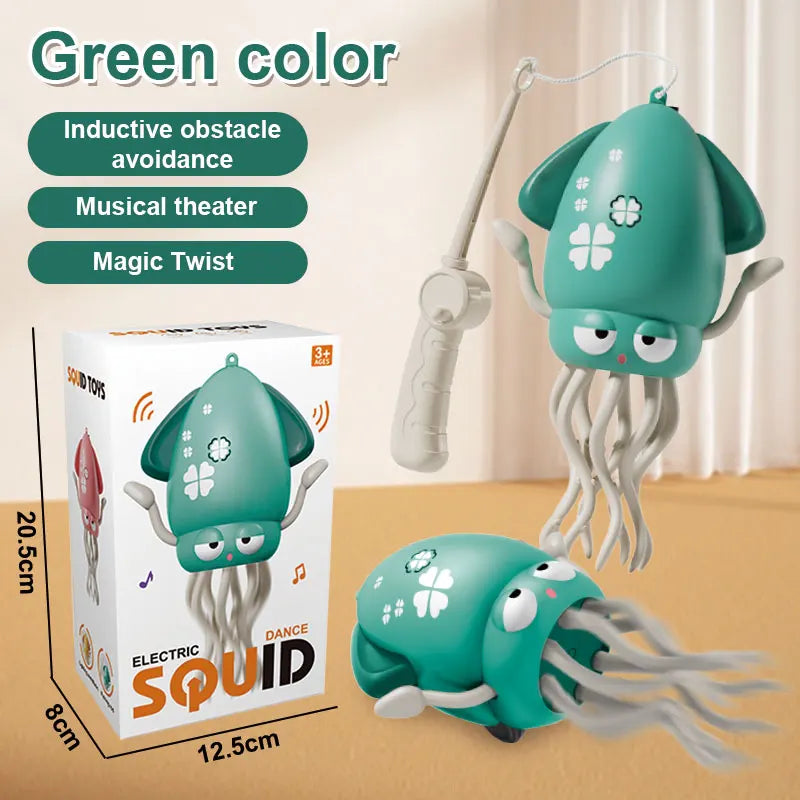
Kindergarten learning toys that make practice feel like play 💡 See it in action
Mini FAQ: quick answers parents want
How often should children use fine motor toys?
Short daily sessions of 10–20 minutes are usually enough. Consistency matters more than long play periods.
Are interactive toys distracting?
Well-designed interactive toys guide movement rather than overstimulate, especially when used in short, supervised sessions.
Can these toys replace worksheets?
They don’t replace learning activities, but they prepare hands and focus so children succeed more easily with early writing tasks.
Related Guide: Interactive Toys for 1 Year Olds Compared for Real Play Value





