

Toys to Develop Gross Motor Skills That Kids Love to Play With
Do toys that develop gross motor skills really help kids move better?
Toys that develop gross motor skills encourage children to run, crawl, balance, jump, climb, and reach while strengthening large muscle groups. The best movement toys make active play enjoyable, helping babies, toddlers, and preschoolers improve coordination, body awareness, balance, and confidence through everyday play.
Toys That Develop Gross Motor Skills: Complete Guide for Active Play
Choosing toys that encourage movement is about more than burning energy. The right gross motor toys help children practice essential physical skills that support everyday activities, sports, playground confidence, and lifelong healthy movement. This guide explains how to choose toys that develop gross motor skills, which options fit each developmental stage, and how to create engaging movement opportunities at home.
⏱ 9 min read
Whether your child loves climbing furniture, dancing around the living room, or chasing anything that moves, active play provides valuable opportunities for physical development. Selecting age-appropriate movement toys helps channel that energy into meaningful skill-building experiences.
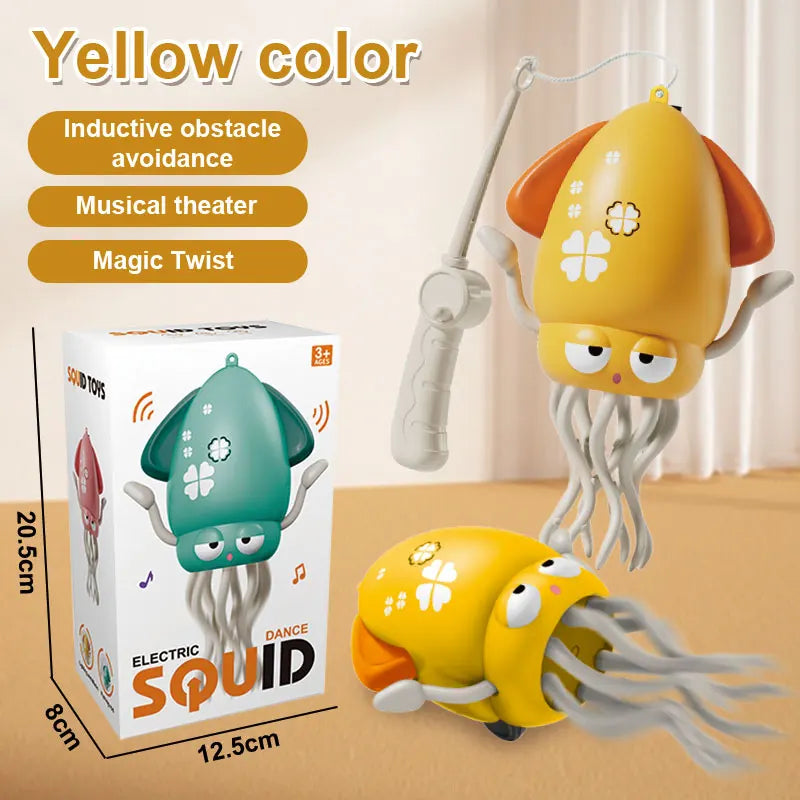
Toys that develop gross motor skills encourage active play and confidence. See it in action.
What Are Gross Motor Skills and Why Do They Matter?
Gross motor skills involve the large muscles of the arms, legs, back, and core. Children rely on these skills for walking, running, climbing, jumping, balancing, throwing, and maintaining posture. Toys to develop gross motor skills encourage repeated movement that strengthens these abilities while making exercise feel like play.
How gross motor skills develop
Development begins in infancy with lifting the head and rolling over before progressing to crawling, standing, walking, running, hopping, and coordinated playground activities. Each milestone builds on earlier movement patterns.
Fine motor vs. gross motor skills
Gross motor skills involve whole-body movement, while fine motor skills focus on smaller muscles used for tasks like drawing, buttoning clothes, or stacking blocks. Children benefit from practicing both throughout early childhood.
Benefits of active play
- Improves balance and coordination
- Builds core and leg strength
- Develops body awareness
- Supports healthy confidence
- Encourages emotional regulation through movement
- Promotes healthy daily physical activity
Gross Motor Development Milestones by Age
0–12 months
- Tummy time
- Rolling over
- Sitting independently
- Crawling and pulling to stand
Soft movement toys, activity gyms, and floor play encourage safe exploration during this stage.
1–2 years
- Walking independently
- Beginning to run
- Climbing low furniture
- Pushing and pulling toys
2–3 years
- Jumping with two feet
- Throwing large balls
- Kicking
- Improving balance
3–5 years
- Hopping
- Pedaling ride-on toys
- Balancing on one foot
- Completing simple obstacle courses
If your child consistently misses several movement milestones or avoids physical activities, discussing concerns with your pediatrician can help determine whether additional evaluation is appropriate.
How to Choose Toys That Develop Gross Motor Skills
Key features to prioritize
- Encourages full-body movement
- Matches your child's developmental stage
- Durable construction for active play
- Rounded edges and stable design
- Keeps children engaged through movement challenges
Choosing by developmental goal
Select toys that target the skill your child is currently developing. Balls improve coordination, balance toys strengthen stability, ride-on toys build leg strength, and climbing equipment develops full-body coordination.
Indoor vs. outdoor options
Indoor movement toys work well for apartments and rainy days, while outdoor toys usually allow larger movements and more vigorous physical activity.
Many parents find that pairing movement toys with options from Mobility & Training and Sensory Toys creates balanced daily play routines.
Best Toys for Gross Motor Skills by Category
| Toy Category | Primary Skill | Best Ages | Indoor/Outdoor |
|---|---|---|---|
| Balls and throwing toys | Hand-eye coordination | 2–5 years | Both |
| Ride-on toys | Balance and leg strength | 2–5 years | Both |
| Balance toys | Core stability | 3–6 years | Indoor |
| Climbing structures | Whole-body coordination | 3–6 years | Mainly outdoor |
| Jumping and hopping toys | Power and coordination | 3–5 years | Both |
Balls and throwing toys
Excellent for developing coordination, timing, catching, throwing accuracy, and bilateral movement.
Ride-on toys
Help strengthen the lower body while improving steering, balance, and spatial awareness.
Balance toys
Balance beams, stepping stones, and wobble boards encourage children to stabilize their bodies while moving.
Climbing and obstacle toys
Obstacle courses and climbing equipment challenge multiple muscle groups simultaneously while building confidence.
Jumping and hopping toys
These toys strengthen the legs, improve coordination, and help children practice controlled landings.
Best Toys by Age
Babies (0–12 months)
- Activity gyms
- Soft play mats
- Tummy time cushions
- Rolling toys that encourage crawling
Toddlers (1–3 years)
- Push-and-pull toys
- Ride-on toys
- Large balls
- Simple balance toys
Preschoolers (3–5 years)
- Obstacle course sets
- Mini climbing structures
- Jumping games
- Movement challenge toys
Families often combine these toys with supportive items from Health & Safety to create safer active play environments.
Which Gross Motor Skills Does Each Toy Improve?
Balance
Balance beams, stepping stones, and ride-on toys improve stability and posture.
Coordination
Throwing games, dance activities, and obstacle courses help children coordinate movements between the arms, legs, and eyes.
Strength
Climbing, crawling, pushing, and jumping develop muscles throughout the body.
Body awareness
Movement games teach children where their bodies are in space, making everyday activities easier.
Bilateral movement
Toys requiring both sides of the body to work together support smoother walking, climbing, and future sports skills.
How to Get More Learning from Active Play
Simple play ideas
- Create indoor obstacle courses
- Play follow-the-leader
- Add counting while jumping
- Practice animal walks
Parent involvement
Joining your child during active play encourages participation while modeling healthy movement habits.
Creating movement routines
Short daily sessions often provide better results than occasional long play periods. Consistent routines help children build confidence while maintaining enthusiasm.
Safety, Space, and Setup Tips
Indoor safety
- Use non-slip flooring
- Remove sharp furniture nearby
- Allow adequate movement space
Outdoor safety
- Choose impact-absorbing surfaces when possible
- Check equipment before use
- Provide appropriate supervision
Storage and supervision
Inspect toys regularly for loose parts and store larger equipment safely when not in use to reduce trip hazards.

Movement toys can fit comfortably into many indoor play spaces. See it in action.
When to Talk to a Pediatrician or Physical Therapist
Every child develops at their own pace, but professional guidance may be helpful if your child consistently avoids movement, struggles with balance far beyond expected milestones, frequently falls compared with peers, or shows noticeable delays in crawling, walking, or running. Early evaluation can identify whether additional support or individualized recommendations would benefit your child's development.
Frequently Asked Questions
What are the best toys for gross motor skills?
Ride-on toys, climbing equipment, balls, balance toys, obstacle courses, and movement games are among the best options because they encourage whole-body activity.
How do toys improve gross motor development?
Movement toys provide repeated opportunities to practice balance, coordination, strength, and body control while keeping children motivated through play.
What toys help children with balance and coordination?
Balance beams, stepping stones, ride-on toys, large balls, and simple obstacle courses all support stability and coordinated movement.
Which gross motor toys work well in small spaces?
Compact balance toys, movement cards, dance games, soft stepping stones, and lightweight balls provide plenty of activity without requiring large play areas.
Are outdoor toys better than indoor toys for physical development?
Both offer valuable benefits. Outdoor toys often allow bigger movements, while indoor toys make it easier to stay active year-round regardless of weather.
How much active play does a toddler need each day?
Toddlers benefit from several opportunities for active play spread throughout the day, combining structured activities with free movement.
Can sensory toys also improve gross motor skills?
Yes. Sensory toys that encourage crawling, reaching, balancing, or movement can support both sensory processing and gross motor development.
Are there bilingual toys that also support motor skill development?
Some interactive learning toys combine language activities with movement prompts, encouraging children to jump, dance, clap, or follow physical instructions while learning new words.
Related Guide: Interactive Toys for 1 Year Olds Compared for Real Play Value





