

Toys That Develop Motor Skills: Best Picks by Age and Play Type
15 Best Toys That Develop Motor Skills for Babies and Toddlers
Play is far more than entertainment during early childhood. It is one of the most powerful ways babies and toddlers develop essential physical abilities such as grasping, reaching, crawling, balancing, stacking, and throwing. The right toys naturally encourage these movements, helping children strengthen the muscles and coordination needed for everyday skills.
Parents searching for toys that develop motor skills often discover that the best options are simple, hands-on play tools that encourage movement and exploration. From stacking blocks that build finger strength to balance toys that support stability, many educational toys help children develop both fine motor skills and gross motor coordination.
This guide highlights the best toys that support early physical development, organized by developmental skill pathways such as grasping, stacking, threading, balancing, and hand-eye coordination. You'll also find a quick age guide to help choose the right toys for your child.
How Toys Help Develop Motor Skills in Early Childhood
Motor skills refer to the ability to control muscles to perform movements. During infancy and toddlerhood, children rapidly develop the coordination needed for grasping objects, sitting upright, walking, and manipulating tools.
Toys designed for active play can accelerate this process by encouraging repetition, exploration, and sensory feedback. Pediatric development research shows that repeated physical interaction with objects helps strengthen neural pathways responsible for movement control.
Fine Motor Skills vs Gross Motor Skills
Fine motor skills involve the small muscles in the hands and fingers. These skills allow children to pick up small objects, stack blocks, draw, and manipulate toys.
Gross motor skills involve larger muscles in the arms, legs, and core. Activities such as crawling, walking, pushing toys, throwing balls, and balancing fall into this category.
The most beneficial toys support both skill groups, allowing children to practice coordination across multiple movements.
Why Pediatric Occupational Therapy Recommends Skill-Based Play
Pediatric occupational therapists frequently use toys during therapy sessions because play naturally motivates children to practice movement patterns. Skill-based toys encourage:
- Grip strength development
- Pincer grasp formation
- Bilateral coordination (using both hands together)
- Hand-eye coordination
- Balance and body awareness
Because children repeat actions during play, toys can help reinforce these motor patterns in a fun and engaging way.
Quick Parent Guide: Choosing Motor Skill Toys by Age
6–12 Months: Grasping, Reaching, and Sensory Exploration
During this stage, babies begin learning to reach for objects and grasp them intentionally. Toys that encourage shaking, tapping, or gripping help strengthen early muscle control.
Examples include:
- Soft rattles
- Textured sensory balls
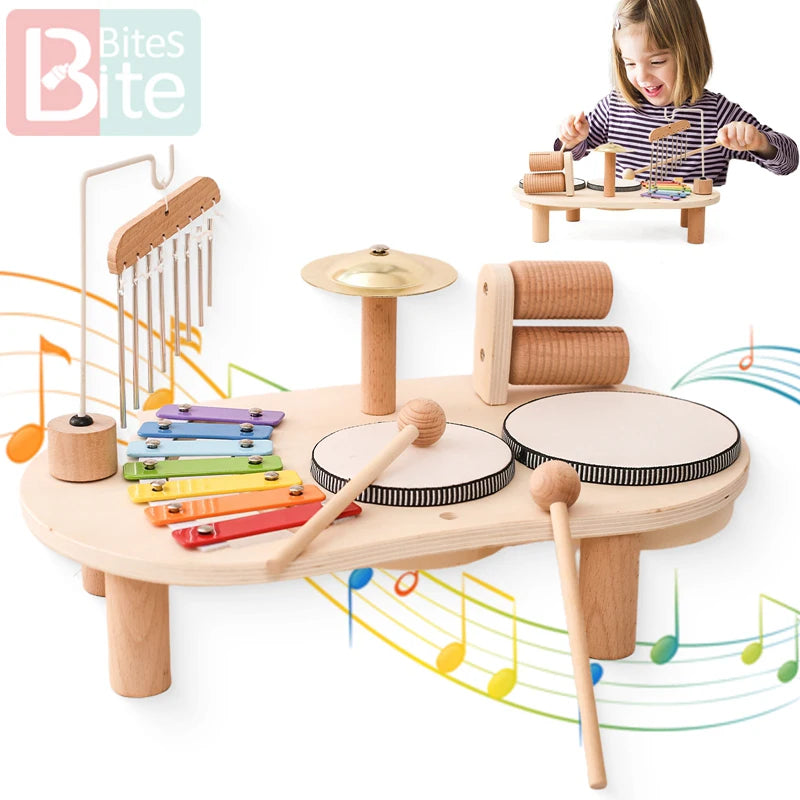
- Musical instruments
- Large stacking rings
1–2 Years: Stacking, Pulling, and Early Coordination
Toddlers begin experimenting with stacking, pulling, and pushing objects. These movements strengthen balance and help develop early walking coordination.
Helpful toys include:
- Stacking towers
- Push walkers
- Shape sorters
- Pull toys
2–3 Years: Bilateral Coordination and Manipulation
At this age, children start using both hands together to perform tasks such as threading beads or assembling puzzles. Toys that require two-hand coordination are particularly beneficial.
- Threading toys
- Simple puzzles
- Building blocks
- Pound benches
3–5 Years: Balance, Throwing, and Complex Movement
Preschoolers develop improved control over their bodies. Toys that encourage movement help strengthen large muscle groups.
- Balance boards
- Stepping stones
- Ball games
- Ride-on toys
Best Fine Motor Skill Toys for Grip Strength and Hand Control
Stacking Toys
Stacking toys help children practice hand control and spatial awareness. As children place pieces on top of one another, they develop finger strength and precise movement.
Stacking rings, wooden blocks, and nesting cups are all excellent examples of toys that improve fine motor coordination.
Threading and Lacing Toys
Threading toys require children to guide strings or laces through holes. This activity strengthens the pincer grasp and improves hand-eye coordination.
Threading beads or lacing boards also help develop concentration and bilateral coordination.
Shape Sorters and Puzzle Toys
Shape sorters combine cognitive problem-solving with physical movement. Children must rotate and position pieces to match the correct opening, reinforcing visual-motor integration.
Montessori-Inspired Manipulative Toys
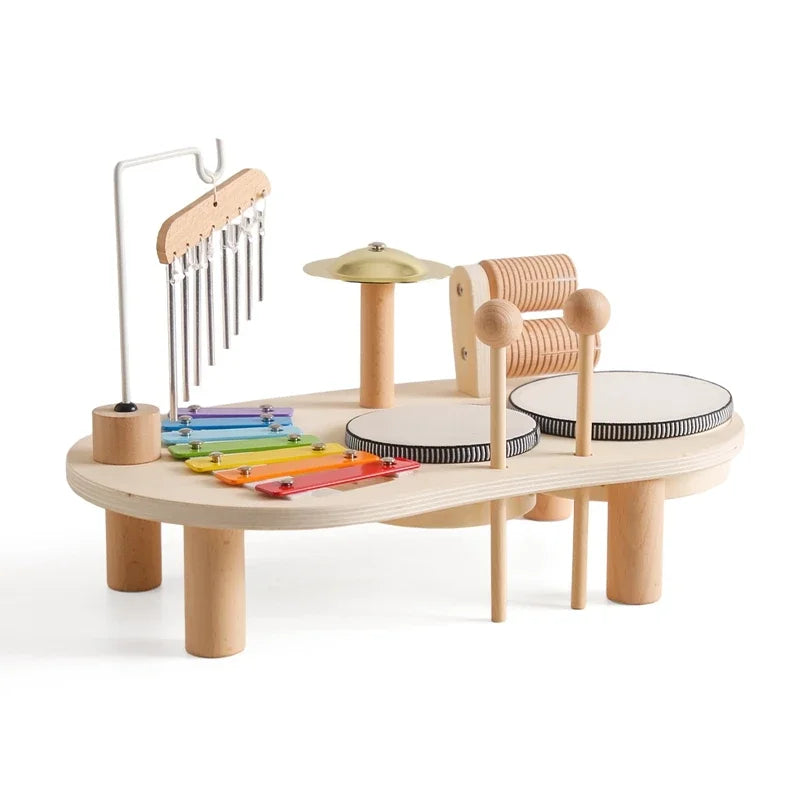
Montessori toys emphasize hands-on exploration. Toys such as wooden puzzles, stacking materials, and simple musical instruments allow children to practice precise movements independently.
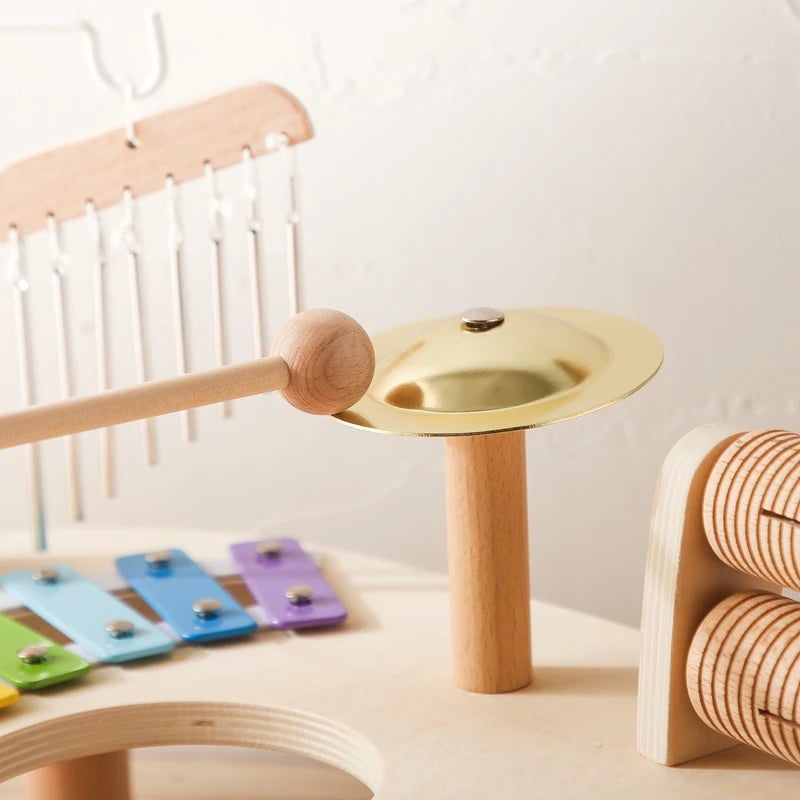
A good example is a wooden musical instrument like the Wooden Baby Xylophone Toy – Montessori Musical Learning. When children tap the bars with a mallet, they practice controlled hand movements while developing rhythm awareness and coordination.
Parents exploring development-focused play options can also browse educational toys in the Baby Growth & Learning collection.
Best Toys for Gross Motor Skills and Whole-Body Coordination
Balance Toys and Stepping Stones
Balance toys encourage children to stabilize their bodies while moving across surfaces. These activities help strengthen core muscles and improve spatial awareness.
Stepping stones, balance beams, and wobble boards are popular tools used in early childhood play environments.
Ride-On and Push Toys
Push walkers and ride-on toys are excellent for toddlers learning to walk. They help develop leg strength and coordination while encouraging independent mobility.
Many pediatric therapists recommend these toys because they promote natural movement patterns.
Throwing and Catching Games
Ball games help children develop timing and coordination. Activities like rolling, tossing, and catching strengthen both arm muscles and visual tracking abilities.
Soft balls or bean bags are ideal for young children because they are lightweight and safe.
For more active play products designed for early mobility development, parents can explore the Mobility & Training collection.
Toys That Improve Hand-Eye Coordination
Ball Drop and Cause-and-Effect Toys
Ball drop toys allow children to place balls into openings and watch them travel through ramps or tunnels. This activity teaches cause-and-effect relationships while strengthening visual tracking.
Repeated actions help children improve timing and control.
Hammering and Pound Toys
Pound benches require children to hit pegs using a hammer. This playful action strengthens arm muscles and improves precision.
Hammer toys also support bilateral coordination because children often hold the toy with one hand while striking with the other.
Motor Skill Development Toy Comparison
| Toy Type | Motor Skill Focus | Recommended Age | Development Benefits |
| Stacking Toys | Fine motor | 6–24 months | Grip strength, spatial awareness |
| Threading Toys | Fine motor | 2–3 years | Pincer grasp, bilateral coordination |
| Shape Sorters | Fine motor + cognitive | 1–3 years | Problem solving, hand control |
| Push Toys | Gross motor | 1–2 years | Walking coordination, balance |
| Balance Toys | Gross motor | 3–5 years | Stability, body awareness |
| Ball Games | Coordination | 2–5 years | Timing, hand-eye coordination |
How to Choose the Right Motor Skill Toy for Your Child
Look for Toys That Encourage Active Play
The best toys invite children to move, explore, and interact physically. Open-ended toys that allow multiple ways to play typically support deeper developmental learning.
Choose Age-Appropriate Challenges
Motor skill toys should provide a manageable challenge. If a toy is too difficult, children may lose interest. If it is too simple, it will not stimulate development.
Parents can explore development-focused toy collections like Sensory Toys to find options suited for different developmental stages.
Prioritize Safe and Durable Materials
Safety is critical when selecting toys for young children. Look for products made from non-toxic materials and smooth edges.
Many parents prefer wooden toys because they are durable and often comply with international safety standards such as ASTM and CPSC guidelines.
Educational wooden toys, including musical instruments, puzzles, and stacking sets, are excellent tools for supporting motor skill development while ensuring long-term durability.
Conclusion
Developing motor skills during early childhood is essential for a child's independence and physical confidence. Toys that encourage stacking, grasping, balancing, throwing, and coordinated movement provide valuable opportunities for children to strengthen both fine and gross motor abilities.
By choosing toys that promote active exploration, parents can transform everyday playtime into a powerful learning experience. Educational tools such as stacking toys, puzzles, push walkers, and musical instruments help children build coordination while having fun.
If you're looking for engaging developmental toys that support sensory exploration and coordination, explore options in the Baby Growth & Learning collection or discover musical play options like the Wooden Baby Xylophone Toy to add rhythm and movement to your child's playtime.
Pillar Article: 15 Best Musical Toys for Infants (0–12 Months) That Support Early Development





