

Toys That Teach Imitation: Features That Spark Real Learning
Do toys that teach imitation really work?
Toys that teach imitation work by encouraging babies to copy simple actions, sounds, and routines they see every day. When designed well, toys that teach imitation strengthen attention, early communication, and problem-solving by turning imitation activities for infants into natural, confidence-building play moments.
Toys That Teach Imitation: Features That Spark Real Learning
Toys that teach imitation help little ones learn faster by turning everyday play into powerful skill-building moments. When designed around imitation activities for infants, these toys naturally support language growth, social cues, and confidence. The right designs encourage pretend play while keeping attention longer and frustration lower, making them some of the best imaginative play toys parents can choose.
⏱ 6 min read
Why do some toys hold your baby’s attention while others end up ignored after a day or two? Many parents notice that babies are most engaged when a toy feels familiar—something they’ve seen you use before. That’s where imitation-focused play shines. Which toy features actually help babies learn by copying, not just pressing buttons?
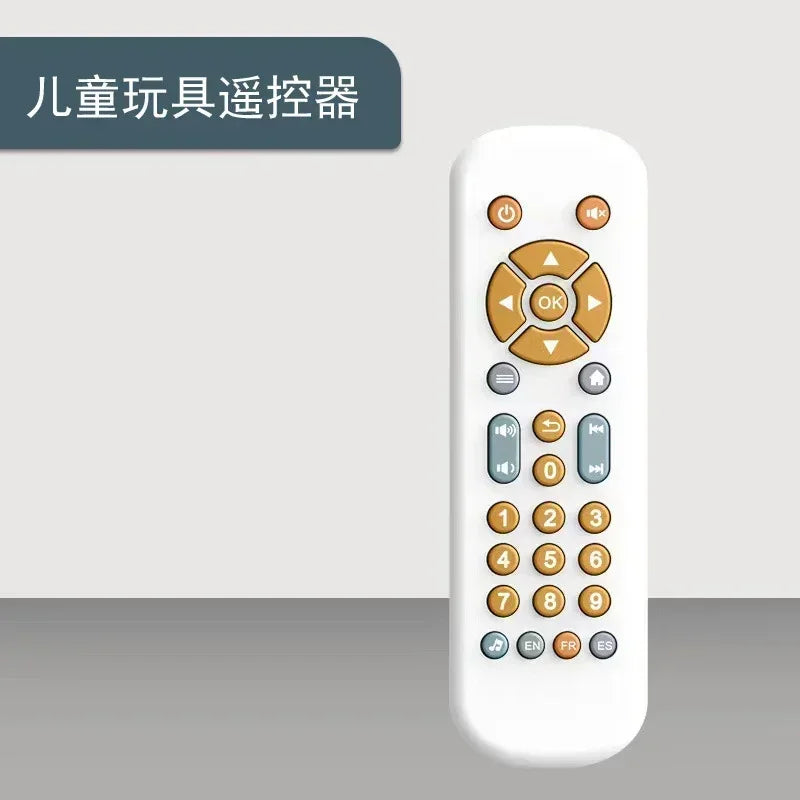
Toys that teach imitation turn everyday actions into imitation activities for infants. 💡 See it in action
What are toys that teach imitation?
Toys that teach imitation are designed to help babies copy simple, meaningful actions they see adults perform. Instead of overwhelming lights or random sounds, these toys mirror real-life objects and routines. This familiarity helps babies connect play with understanding.
Why imitation matters in early development
Imitation is one of the first ways babies learn. Long before they can speak, infants watch, copy, and repeat. This process builds the foundation for communication, emotional awareness, and independence.
- Supports early language by copying sounds and words
- Builds social awareness through turn-taking
- Improves memory by repeating familiar actions
- Encourages confidence through successful play
Because imitation activities for infants are rooted in daily life, babies feel less frustrated and more motivated to explore.
Key features that spark real learning
How realistic design makes learning feel natural
Toys shaped like everyday objects help babies instantly recognize purpose. When a toy looks like something they see you use, imitation becomes intuitive instead of confusing.
Simple cause-and-effect responses
Clear, predictable responses teach babies that their actions matter. Pressing a button and hearing a familiar sound builds understanding without overstimulation.
Encouraging pretend play early
Pretend play doesn’t start in preschool—it begins in infancy. Toys that encourage pretend play allow babies to practice routines, laying groundwork for imagination later.
- Familiar sounds and actions
- Easy-to-press buttons for small hands
- Repetition without sensory overload
- Safe materials for confident exploration
Many parents exploring Baby Growth & Learning products notice that simpler, imitation-based toys keep babies engaged longer than flashy alternatives.
Imitation toys vs. flashy toys: what works better?
| Feature | Imitation-Focused Toys | Flashy Electronic Toys |
|---|---|---|
| Learning style | Real-life copying | Passive stimulation |
| Attention span | Longer, focused play | Short bursts |
| Frustration level | Low | Often high |
| Skill transfer | Strong | Limited |
This is why many caregivers browsing Sensory Toys also prioritize imitation features for balanced development.
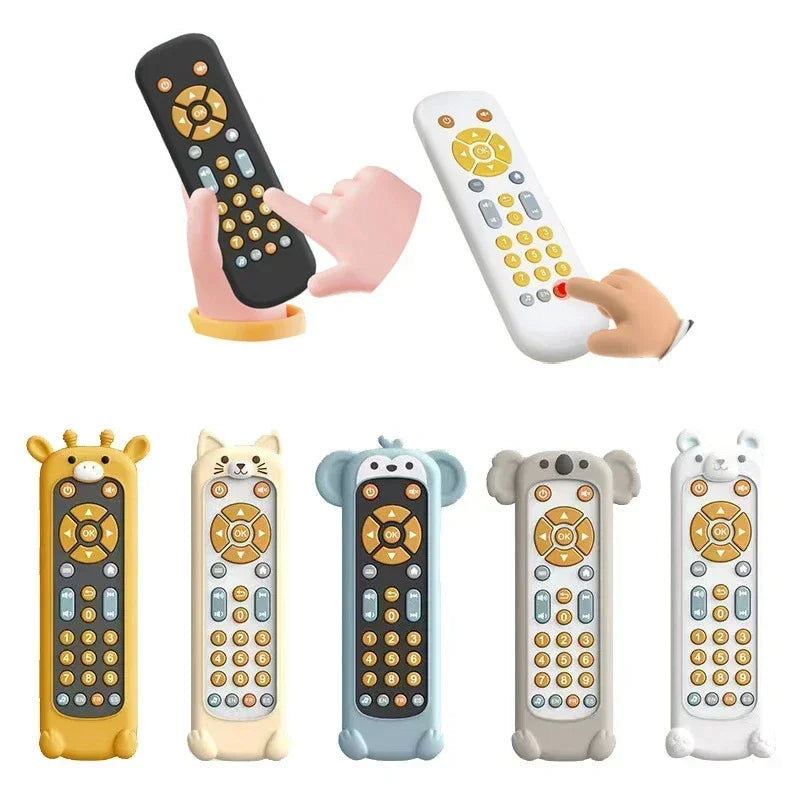
Imitation activities for infants feel more engaging when toys mirror daily routines. 💡 See it in action
A familiar-object toy that boosts learning
Why do toys that teach imitation stand out?
Toys that teach imitation stand out because they transform familiar actions into meaningful play. By copying everyday behaviors, babies stay engaged longer, practice early communication, and feel confident exploring. This approach supports learning outcomes better than random sounds or flashing lights.
A great example is a toy designed to look and feel like an everyday household object. The infant TV remote control toy helps babies copy actions they see adults do daily.
- Encourages button pressing with purpose
- Supports early sound imitation
- Promotes pretend play without overwhelm
- Feels familiar, reducing frustration
Parents often report longer independent play sessions and more confident exploration after introducing imitation-focused toys like this.
How to choose the right imitation toy
- Look for real-life inspiration in design
- Choose simple, repeatable actions
- Avoid overstimulation
- Prioritize safety and durability
Exploring collections like Smart Baby Gadgets can help parents find toys that blend learning with everyday familiarity.
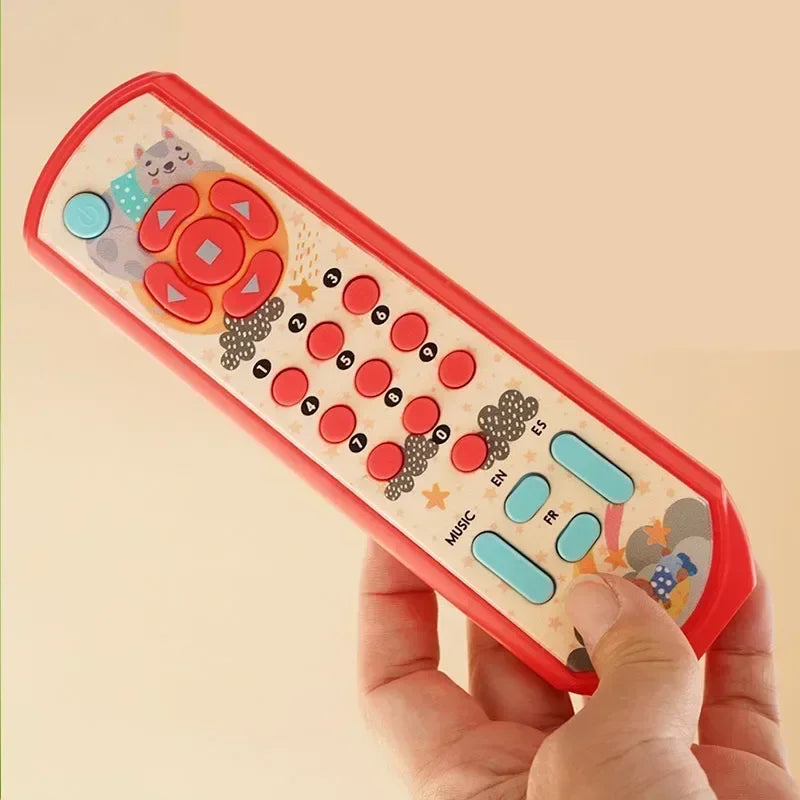
The best imaginative play toys help babies copy, explore, and grow. 💡 See it in action
Quick questions parents ask
At what age do imitation toys help most?
Imitation toys are helpful from around 6 months onward, when babies naturally begin copying sounds and actions.
Do imitation toys replace interactive play?
No. They work best alongside caregiver interaction, reinforcing what babies observe during daily routines.
Are imitation toys safe for teething babies?
Quality imitation toys use baby-safe materials and smooth edges, making them suitable for mouthing and exploration.
Related Guide: Fine Motor Skill Development Toys That Deliver Real Results





