

Toys to Improve Fine Motor Skills: Which Features Matter Most
Do toys to improve fine motor skills really work?
Toys to improve fine motor skills work best when they encourage repeated hand movements like grasping, aiming, pinching, and releasing. Well-designed fine motor skill toys for preschoolers strengthen hand muscles, improve coordination, and support daily tasks such as writing, dressing, and feeding—especially when they are safe toys for preschoolers used consistently through play.
⏱ 6 min read
Toys to Improve Fine Motor Skills: Which Features Matter Most
Every parent wants to support their child’s development—but when toy shelves are packed with flashy promises, it’s hard to tell what actually helps. Toys to improve fine motor skills aren’t about noise or screens. They’re about purposeful movement, focus, and confidence-building play that helps small hands master big life skills.
Which toy features truly support hand strength and coordination—and which ones just look educational?
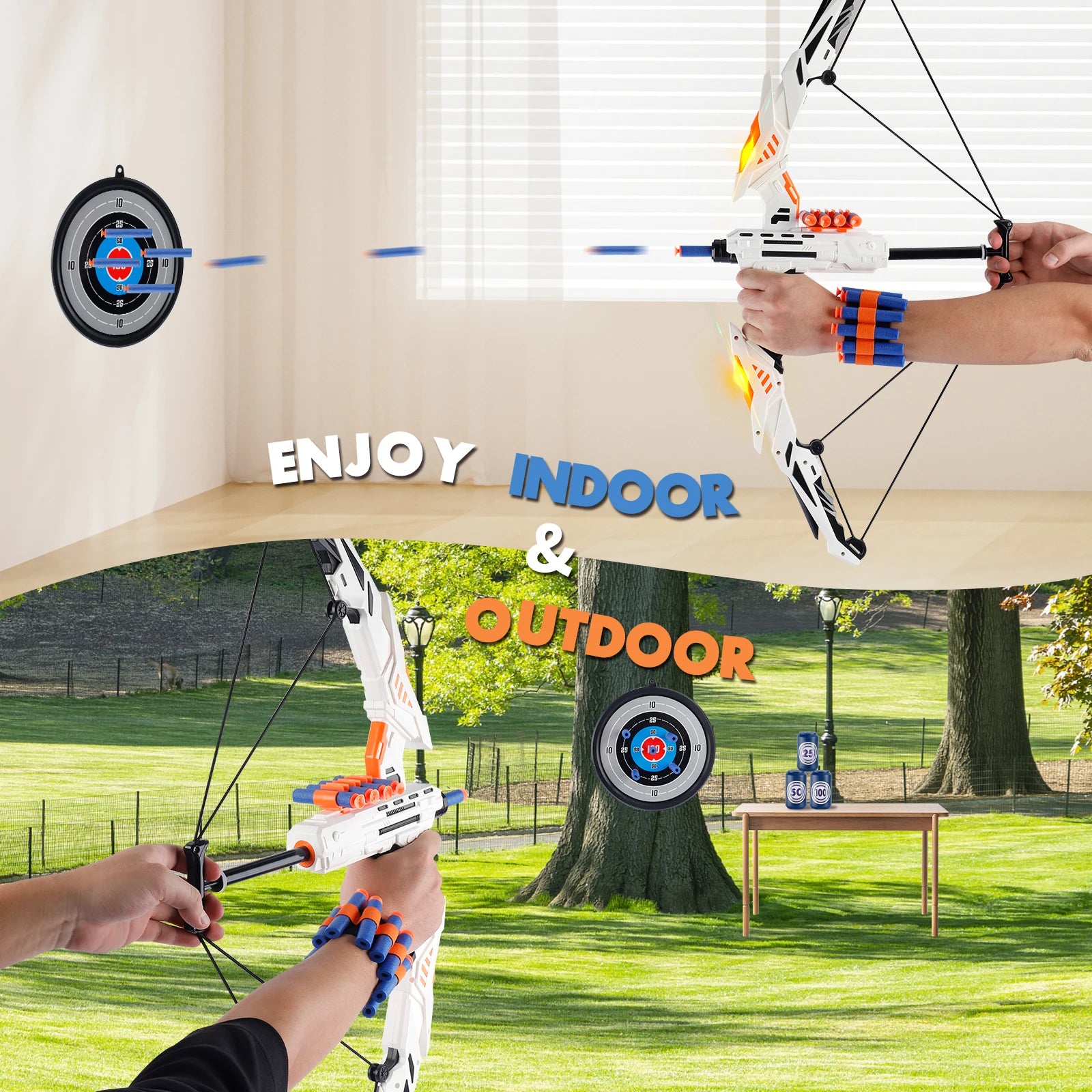
Fine motor skill toys for preschoolers that encourage grip, aim, and coordination — 💡 See it in action
Why Fine Motor Skills Matter More Than You Think
Fine motor skills power everyday independence. From holding a spoon to buttoning a shirt, these small movements shape confidence and school readiness. Toys for motor skill development help children practice these motions naturally—without pressure or frustration.
Parents often notice improvements in:
- Hand strength and finger control
- Hand-eye coordination
- Focus and patience during tasks
- Smoother transitions to writing and drawing
Pairing playtime with development-focused options from Baby Growth & Learning helps ensure toys support real progress—not just entertainment.
Which Features Matter Most in Toys to Improve Fine Motor Skills?
Toys to improve fine motor skills are most effective when they require intentional hand use rather than passive interaction. The best designs gently challenge children to coordinate movement, adjust pressure, and aim with purpose.
1. Grasp-Friendly Components
Look for handles, levers, or tools sized for preschool hands. Rounded edges and textured grips help children hold confidently without slipping.
2. Repetitive, Goal-Oriented Actions
Repetition builds muscle memory. Toys that encourage repeated pulling, aiming, or releasing help strengthen small muscles over time.
3. Hand-Eye Coordination Challenges
When kids align what they see with what their hands do, coordination improves. Aiming-based play naturally reinforces this connection.
4. Adjustable Difficulty
The best fine motor skill toys for preschoolers grow with the child—offering achievable challenges that boost confidence instead of causing frustration.
Why Aiming & Grasping Toys Deliver Strong Results
Toys that involve aiming, drawing back, and releasing—such as child-safe archery sets—engage multiple fine motor movements at once. These actions activate fingers, wrists, and forearms while reinforcing focus.
Parents often report improved control after consistent use of structured aiming toys like the Kids Archery Set, especially when play sessions are short and regular.
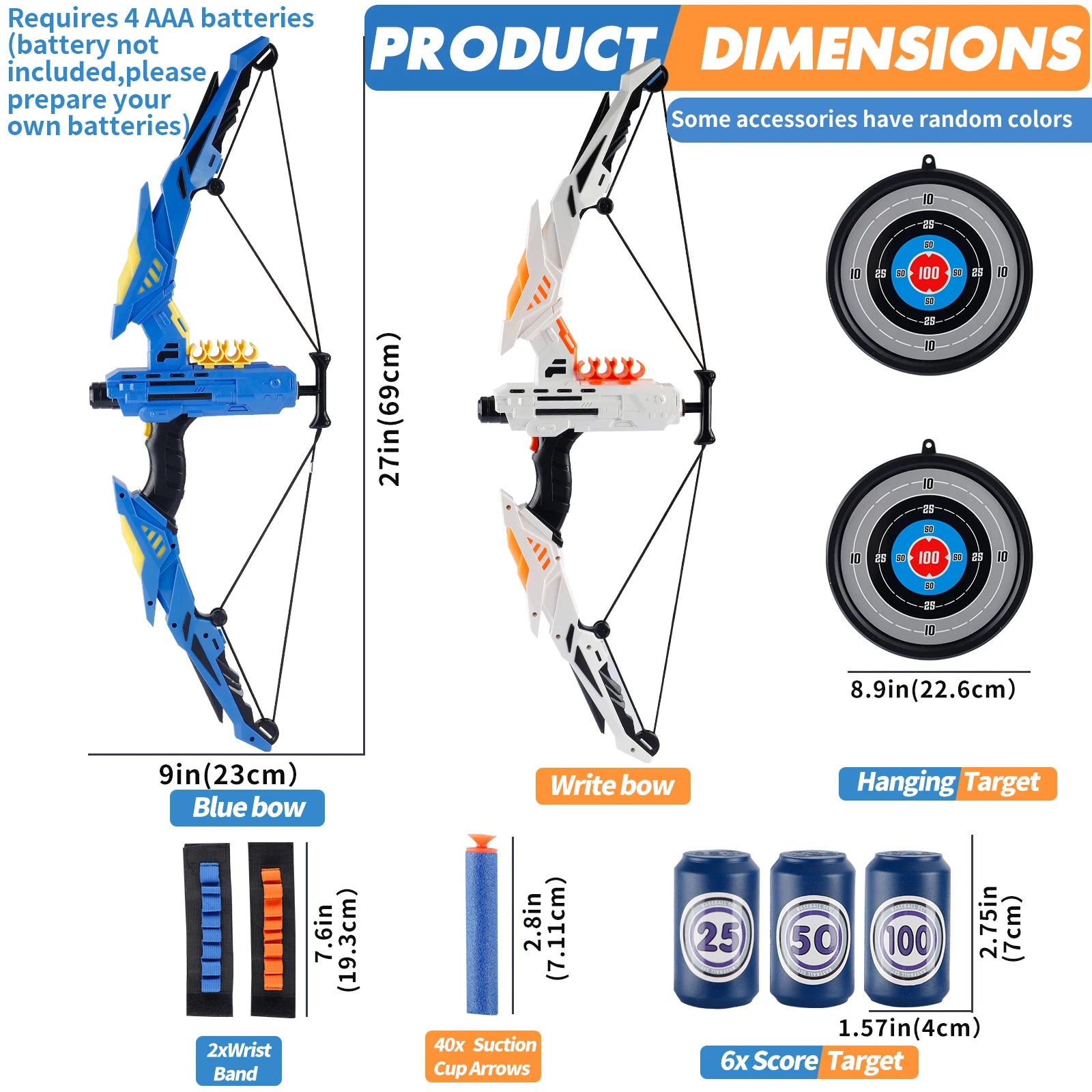
Toys for motor skill development that combine focus and fun — 💡 See it in action
What Makes Safe Toys for Preschoolers Truly Safe?
Safe toys for preschoolers go beyond labels. They’re designed to protect developing bodies while still encouraging movement and exploration.
- Soft or foam-tipped components to reduce impact
- Non-toxic materials suitable for frequent handling
- Lightweight construction for easy control
- No sharp edges or detachable choking hazards
Exploring safety-focused options within Health & Safety helps parents balance developmental benefits with peace of mind.
Feature Comparison: What Works vs What Distracts
| Feature | Supports Fine Motor Skills | Why It Matters |
|---|---|---|
| Aiming & releasing actions | ✅ Yes | Builds hand-eye coordination and grip control |
| Large push-button sounds | ❌ No | Encourages passive play, minimal hand use |
| Textured handles | ✅ Yes | Improves grasp stability and confidence |
| Overstimulating lights | ❌ No | Distracts from purposeful hand movement |
How to Use Toys for Maximum Skill Growth
Even the best toys work better with mindful use. Short, focused play sessions help children stay engaged without fatigue.
- Set up a simple, distraction-free play space
- Demonstrate the movement once, then let them try
- Encourage effort, not perfection
- Rotate toys weekly to keep interest high
Many families pair active toys with calming options from Sensory Toys to balance energy and focus.
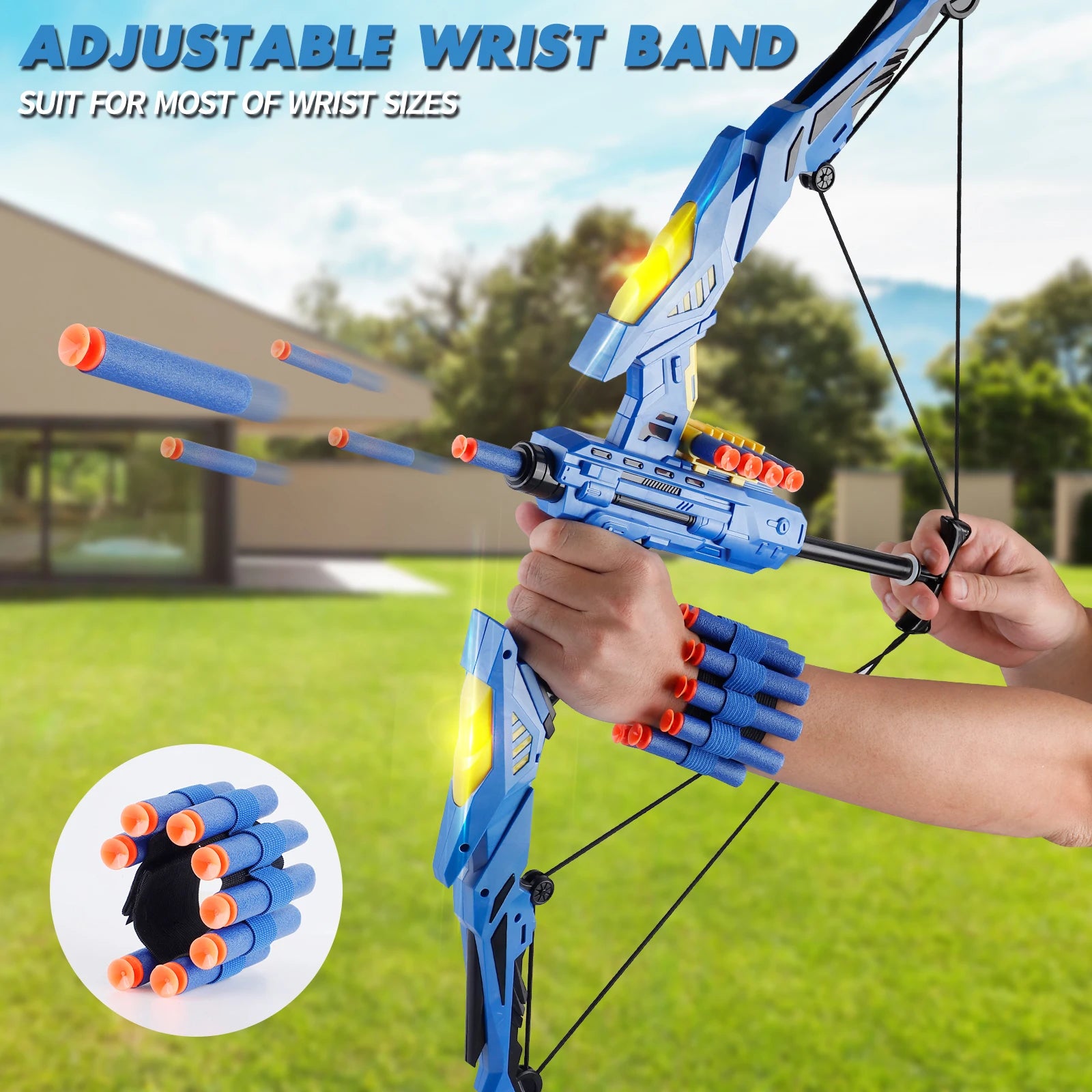
Safe toys for preschoolers designed for real skill-building — 💡 See it in action
Mini FAQ: Fine Motor Skill Toys
At what age should children start using fine motor skill toys?
Most children benefit from simple fine motor play as early as toddlerhood, with more structured fine motor skill toys for preschoolers becoming effective around ages 3–5.
How often should kids play with these toys?
Short daily sessions of 10–15 minutes are more effective than long, infrequent playtimes.
Are aiming toys safe for indoor use?
When designed with soft tips and lightweight materials, aiming toys can be safe for supervised indoor play.
Do these toys replace traditional learning tools?
No—they complement activities like drawing, puzzles, and building blocks by strengthening the hand skills those tasks require.
Related Guide: Fine Motor Skills Development Toys: Features That Drive Results





