

Training Wheels Not Working Toddlers Need a Better Option
Do training wheels really help toddlers learn to ride?
Training wheels not working toddlers often struggle because uneven wheels prevent natural balance and coordination. This delays confidence and slows early childhood motor development. Choosing the right balance bike ages instead helps children learn faster by building real balance skills from the very first ride.
⏱ 6 min read
Training Wheels Not Working Toddlers Need a Better Option
training wheels not working toddlers often face frustration, wobbling, and slow progress that steals the joy from learning to ride. When training wheels uneven designs throw off balance, kids miss a critical window for confidence building and coordination. Understanding balance bike ages and supporting early childhood motor development can completely change the experience, turning shaky starts into smooth success stories that grow independence fast.

training wheels not working toddlers and training wheels uneven issues — 💡 See it in action
Why Training Wheels Fail So Many Toddlers
Many parents assume training wheels are the safest starting point. But when training wheels uneven designs lift one side higher than the other, toddlers learn to lean instead of balance.
That creates bad habits that are hard to break later.
- Leaning instead of balancing
- Fear of tipping when wheels are removed
- Delayed confidence
- Slower coordination development
Parents often report that after months on training wheels, their child still can’t ride independently.
How Riding Impacts Early Childhood Motor Development
Early childhood motor development depends on whole-body coordination. Riding a bike is one of the most powerful ways to strengthen:
- Core muscles
- Leg strength
- Hand-eye coordination
- Spatial awareness
When training wheels not working toddlers rely on artificial support, the brain never learns true balance.
Balance-first riding activates natural reflexes and builds confidence faster.
Best Balance Bike Ages for Fast Learning
Balance bike ages typically start from 18 months and go up to 5 years.
This range covers the most important years for balance and coordination development.
| Age | Development Focus | Best Riding Tool |
|---|---|---|
| 18–24 months | Walking stability, leg strength | Mini balance bike |
| 2–3 years | Coordination, steering | Balance bike with foot rest |
| 3–5 years | Speed control, confidence | Advanced balance bike |
Kids who start on balance bikes often skip training wheels completely.
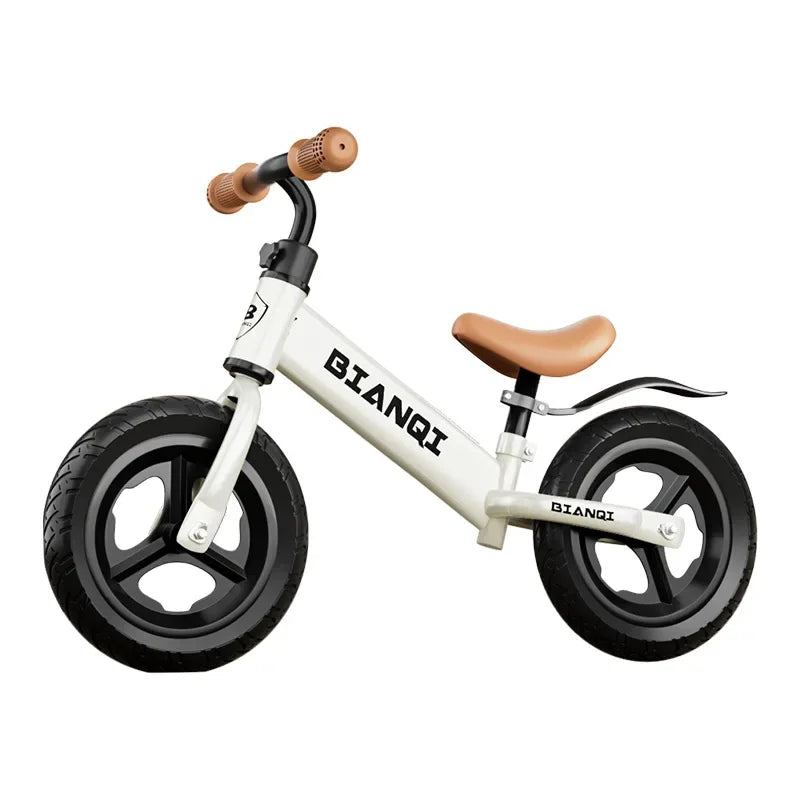
balance bike ages and early childhood motor development — 💡 See it in action
A Better Way to Learn to Ride
training wheels not working toddlers benefit from balance-first riding that teaches real coordination instead of dependence on side supports.
A quality balance bike allows toddlers to:
- Learn steering naturally
- Develop balance reflexes
- Build confidence quickly
- Transition easily to pedal bikes
One of the most trusted options is the Baby Balance Bike Learning Toddler, designed specifically for early riders.
Lightweight, stable, and perfectly sized for small legs, it helps toddlers progress safely and confidently.
Many parents pair riding time with other developmental tools from Baby Growth & Learning and Mobility & Training collections to support full-body development.
Real Parent Stories
Sarah, mom of 3-year-old Lucas:
“We tried training wheels for months. He kept tipping and crying. After switching to a balance bike, he was gliding on his own in one week.”
James, dad of 2-year-old Mia:
“She started walking early, but riding was hard with training wheels. The balance bike changed everything.”
Emily, mom of twins:
“They both learned to balance before pedaling. No fear, no tears.”
Families who focus on movement play with tools from Sensory Toys and Sleep & Comfort often notice faster skill growth and better confidence.
How to Choose the Right First Bike
- Measure your toddler’s inseam height
- Choose lightweight materials
- Look for adjustable seats
- Ensure soft-grip handles
- Prioritize safety-certified frames
Safety accessories from Health & Safety can add extra peace of mind during outdoor play.
For families focused on full wellness routines, Massage & Relaxation helps soothe muscles after active days.
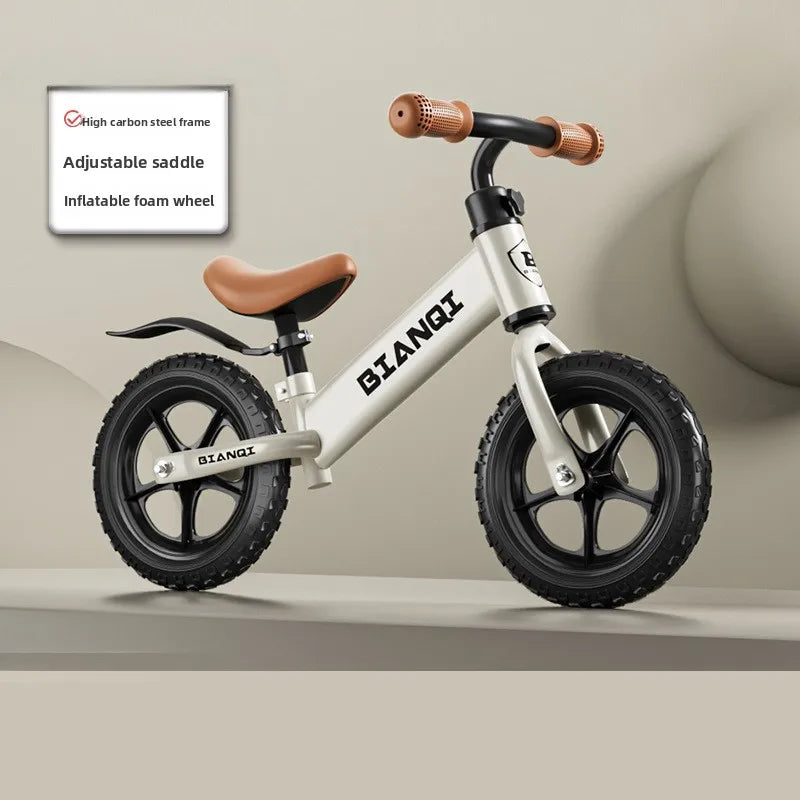
training wheels uneven problems solved with balance bike ages — 💡 See it in action
Mini FAQ
Why are training wheels uneven on many toddler bikes?
Many models use adjustable brackets that shift during riding, creating uneven wheel height and instability.
What age should a toddler start a balance bike?
Most toddlers can start between 18 months and 2 years, depending on walking stability.
Will a balance bike replace training wheels?
Yes. Most children transition directly from balance bikes to pedal bikes without needing training wheels.
Is a balance bike safe for toddlers?
With proper supervision and safety gear, balance bikes are one of the safest riding options for young children.
Related Guide: Balance Coordination Problems in Toddlers: Finding the Right Ride





