

Tummy Time Struggles for Babies How to Reduce Fussing
Why do tummy time struggles for babies happen, and how can parents reduce fussing fast?
tummy time struggles for babies often come from discomfort, low neck strength, or boredom. Short, playful sessions on a supportive surface can quickly reduce fussing. By improving motor skills newborn development, increasing infant sensory stimulation, and using a padded play mattress, many babies tolerate tummy time longer within days.
Tummy Time Struggles for Babies: How to Reduce Fussing
⏱ 6 min read
tummy time struggles for babies can feel overwhelming, especially when crying starts seconds after you place your newborn down. You’re told tummy time matters—but how do you make it tolerable, even enjoyable? The good news: small adjustments in setup, timing, and sensory input can turn resistance into progress faster than most parents expect.
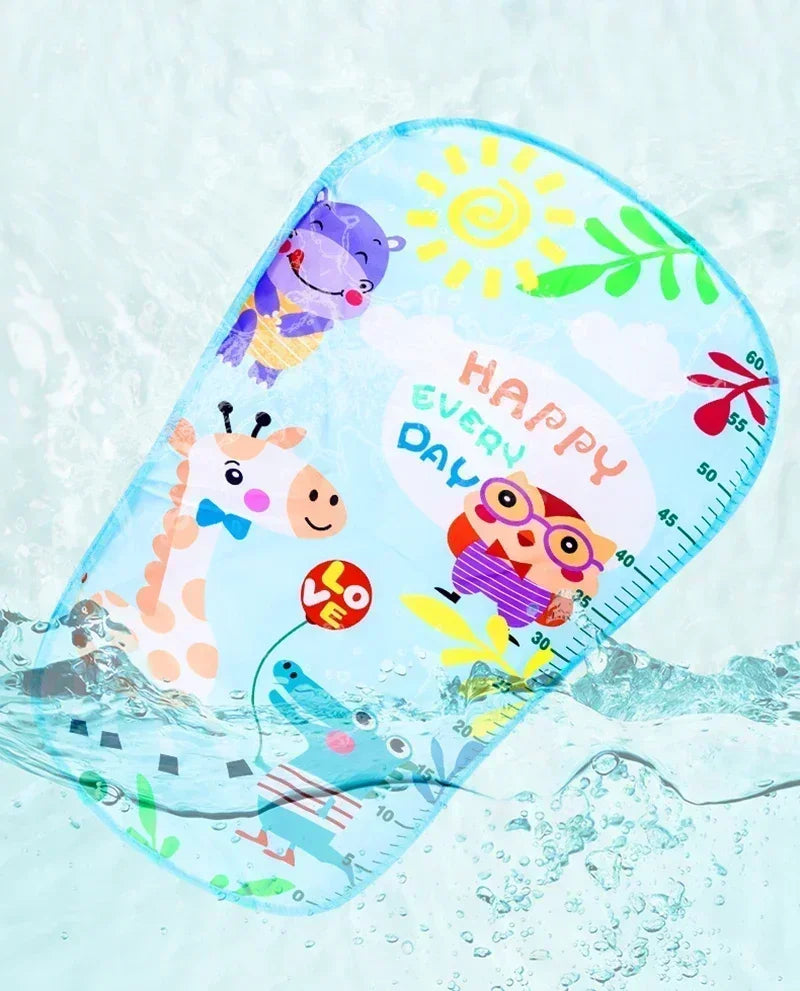
Supporting tummy time struggles for babies with comfort and infant sensory stimulation 💡 See it in action
Why Babies Fuss During Tummy Time
tummy time struggles for babies are common because the position is demanding. Babies must lift heavy heads with still-developing muscles while adjusting to new sensations. If the surface feels hard or cold, or if they’re tired or hungry, fussing escalates quickly.
Other contributors include:
- Limited neck and core strength in early weeks
- Overstimulation or, conversely, boredom
- Uncomfortable surfaces without cushioning
- Sessions that last too long at first
Understanding these triggers helps you adjust before frustration sets in.
How Tummy Time Builds Strength and Confidence
tummy time struggles for babies often ease when parents remember the “why.” This daily activity supports motor skills newborn development by strengthening the neck, shoulders, arms, and core—muscles needed for rolling, sitting, and crawling.
It also boosts infant sensory stimulation as babies explore textures, sounds, and visual cues at eye level. Over time, successful short sessions build confidence, reducing resistance.
Which setup helps your baby feel secure enough to try again? Read on.
Step-by-Step Ways to Reduce Fussing During Tummy Time
tummy time struggles for babies improve fastest with small, consistent changes. Start with these steps:
- Choose the right moment: Aim for when your baby is fed, rested, and alert.
- Start small: 30–60 seconds counts. Multiple short sessions work better than one long one.
- Get down to eye level: Your face is the most motivating toy.
- Add gentle sensory input: Soft sounds, mirrors, or textured toys keep attention.
- Use a supportive surface: A padded play mattress reduces pressure on the chest and arms.
Consistency matters more than duration. Even a few minutes spread across the day builds tolerance.
Tools That Make Tummy Time Easier
tummy time struggles for babies often decrease with the right tools. Comfort and engagement go hand in hand.
Why a Padded Play Mattress Helps
A padded play mattress cushions pressure points, making it easier for babies to lift their heads without strain. This comfort boost can extend tummy time sessions naturally.
- Reduces chest and arm pressure
- Provides warmth and stability
- Encourages longer, calmer play
Pairing a supportive surface with engaging toys amplifies results.
Explore options in Baby Growth & Learning and Sensory Toys to create a setup that grows with your baby.
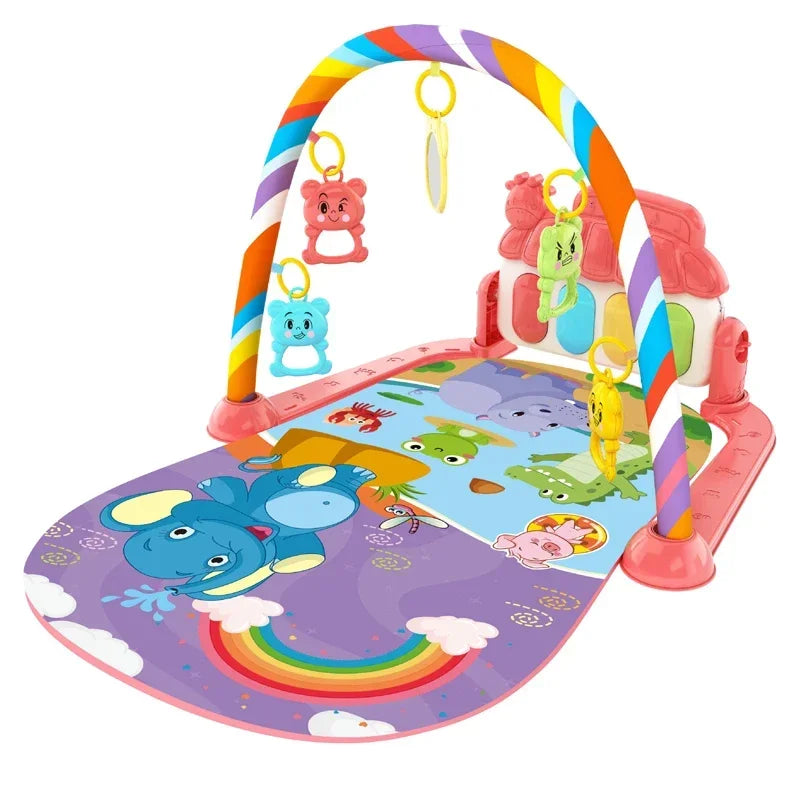
Reducing tummy time struggles for babies with motor skills newborn support 💡 See it in action
Activity Gyms and Visual Engagement
An activity gym can turn tummy time into discovery. Hanging toys encourage reaching, while mirrors promote head lifting and visual tracking.
Many parents integrate a baby activity gym into tummy time to keep sessions playful and predictable.
For added comfort and calm, items from Sleep & Comfort and Massage & Relaxation can support relaxed muscles before play.
Common Mistakes That Increase Fussing
Even well-meaning habits can worsen tummy time struggles for babies.
- Starting sessions when baby is overtired
- Placing baby on hard, slippery surfaces
- Expecting long sessions too early
- Leaving baby alone without interaction
Small tweaks—like adding padding or shortening sessions—often make a big difference.

Supporting infant sensory stimulation to ease tummy time struggles for babies 💡 See it in action
Quick Parent FAQ
How long should tummy time sessions be for newborns?
Start with 30–60 seconds, several times a day. Gradually increase as strength and comfort improve.
Can tummy time help reduce flat spots?
Yes. Regular tummy time relieves pressure on the back of the head and supports healthy head shape.
What if my baby still cries every time?
Reassess timing, comfort, and stimulation. Shorter sessions on a padded surface with interaction usually help.
When do tummy time struggles usually improve?
Many parents notice improvement within 1–2 weeks as motor skills newborn strength and confidence grow.
Related Guide: How to Improve Tummy Time Step by Step for Happier Babies





