

Waterproof Silicone Swim Cap: 3 Secrets to Drier Hair
Does a waterproof silicone swim cap really keep hair dry?
The waterproof silicone swim cap reduces water seepage by creating a tight, flexible seal that limits gaps around the hairline and ears. While no cap keeps hair 100% dry, a well-fitted waterproof silicone swim cap can significantly cut water exposure, helping prevent water logged hair during wet hair swimming sessions.
Waterproof Silicone Swim Cap Explained: What Keeps Hair Drier
⏱ 7 min read
If your child finishes swim lessons with dripping, tangled hair—or you dread post-lap-swim dryness and breakage—you’re not imagining things. Some swim caps truly protect better than others. Understanding how a waterproof silicone swim cap works can make the difference between manageable dampness and fully water logged hair.
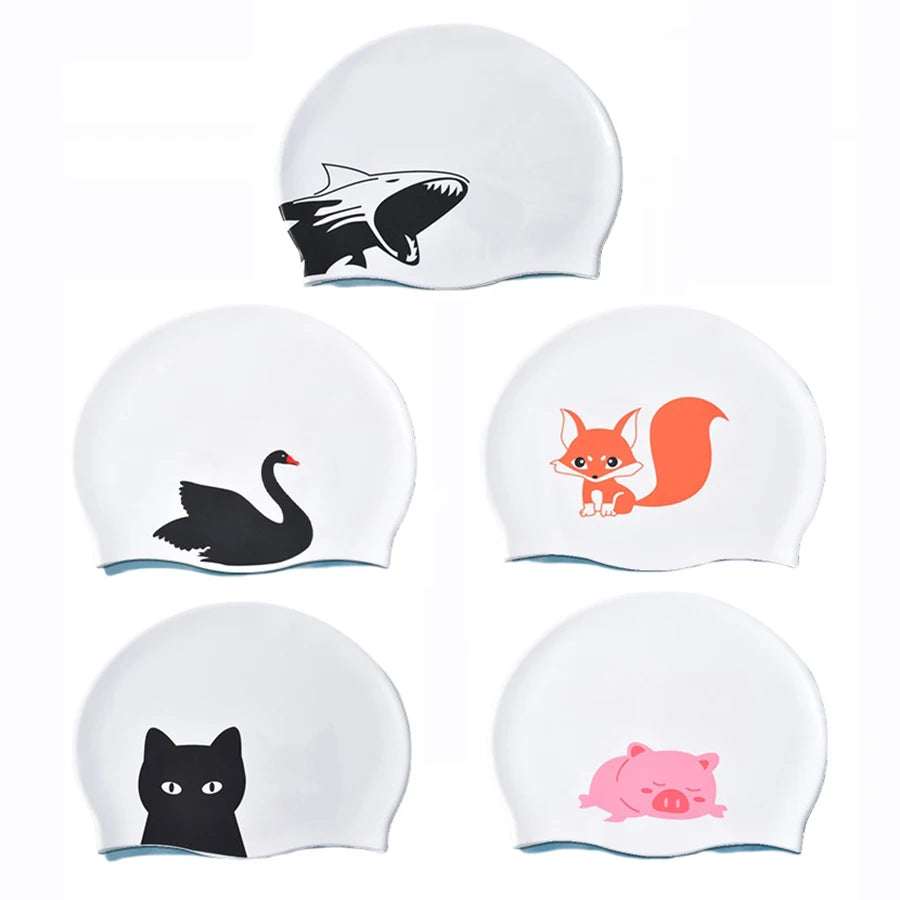
Waterproof silicone swim cap helps reduce water logged hair during wet hair swimming 💡 See it in action
Curious why some swim caps leak instantly while others actually help? Let’s break it down in plain terms—no hype, just what works.
👉 Want safer, smarter gear for daily routines? Explore essentials designed for comfort and protection in Health & Safety.
Why Hair Gets So Wet During Swimming
Water doesn’t just pour in from the top. It sneaks in through tiny gaps near the forehead, ears, and nape. Fabric caps absorb water immediately, soaking hair like a sponge. Once hair becomes water logged hair, it’s heavier, tangles faster, and takes longer to dry—especially tough for kids with lessons after school.
- Loose edges allow constant seepage
- Absorbent materials hold water against hair
- Thin caps stretch out over time
- Movement breaks weak seals
How a Waterproof Silicone Swim Cap Works
A waterproof silicone swim cap works by combining flexibility with density. Silicone doesn’t absorb water. Instead, it stretches smoothly over the head, hugging contours and forming a barrier that slows water entry—especially compared to fabric or polyester caps.
The key benefit of a waterproof silicone swim cap is reduced saturation. Hair may get slightly damp, but it’s far less likely to become fully water logged hair after wet hair swimming.
What Makes Silicone Different
- Non-porous surface repels water
- Elastic recovery keeps fit consistent
- Smooth interior reduces friction
- Thicker edges improve grip
👉 Looking for comfort-focused wellness tools? Browse calming, care-first options in Beauty & Wellness.
Polyester vs Silicone Swim Cap: Which Actually Performs Better?
When parents or lap swimmers compare polyester vs silicone swim cap options, the performance gap is clear. Polyester caps prioritize comfort and breathability—but sacrifice protection.
| Feature | Polyester | Silicone |
|---|---|---|
| Water Resistance | Low | High |
| Hair Dryness | Often water logged | Mostly dry/damp |
| Durability | Stretches out | Long-lasting |
| Best For | Casual dips | Lessons, laps, kids |
For families juggling swim lessons, school, and bedtime routines, silicone simply reduces hassle.
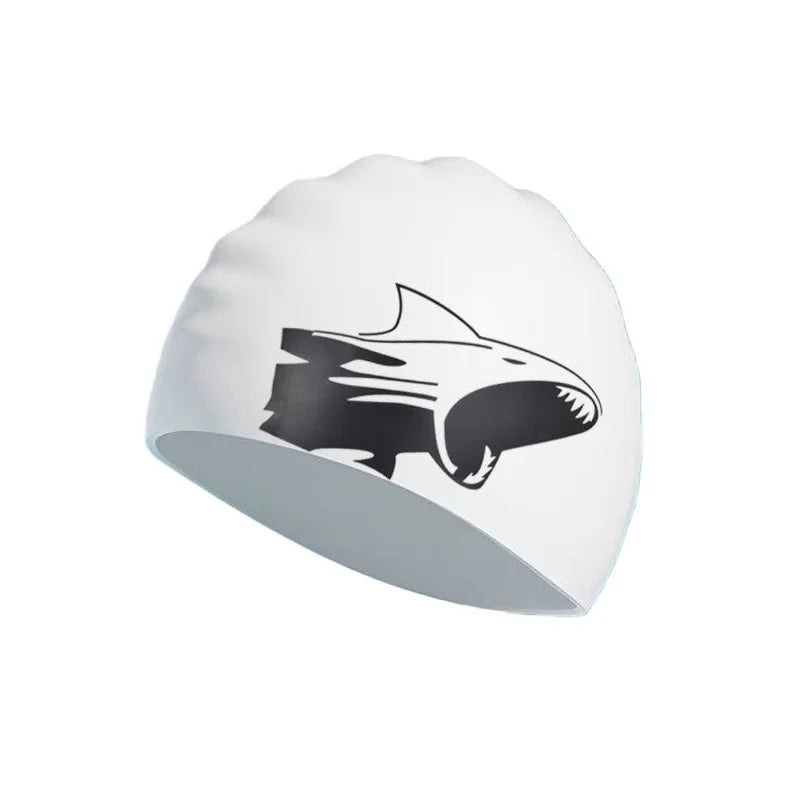
Polyester vs silicone swim cap comparison shows why silicone limits wet hair swimming 💡 See it in action
Fit, Thickness, and Edge Grip That Matter
Price alone doesn’t decide performance. A well-designed waterproof silicone swim cap focuses on three details that actually stop leaks.
1. Snug but Gentle Fit
Too tight causes discomfort; too loose lets water in. Quality silicone stretches evenly, making it easier for kids to put on without tearing.
2. Optimal Thickness
Thin silicone tears and leaks. Overly thick caps feel stiff. Balanced thickness maintains shape and seal over time.
3. Reinforced Edge Grip
Edges are where leaks start. A slightly rolled or textured edge helps the cap stay anchored during turns and play.
👉 Building smoother routines for little ones? Support daily care with practical finds in Baby Care Essentials.
Real-Life Results for Kids and Adults
Parents often report less post-swim detangling, fewer tears, and quicker transitions to homework or bedtime. Lap swimmers notice reduced chlorine exposure and less dryness over time.
- Hair dries faster after lessons
- Less conditioner needed
- Kids resist caps less when comfortable
- Consistent performance across sessions
Many families pair swim gear with gentle care routines from Baby Bath Accessories to keep hair soft after pool days.
How to Choose the Right Waterproof Silicone Swim Cap
- Measure head size, especially for kids
- Look for smooth, tear-resistant silicone
- Check edge design for grip
- Match use: lessons, laps, or casual play
For a reliable option designed for comfort and protection, many swimmers choose the waterproof silicone swim cap that balances stretch and seal.
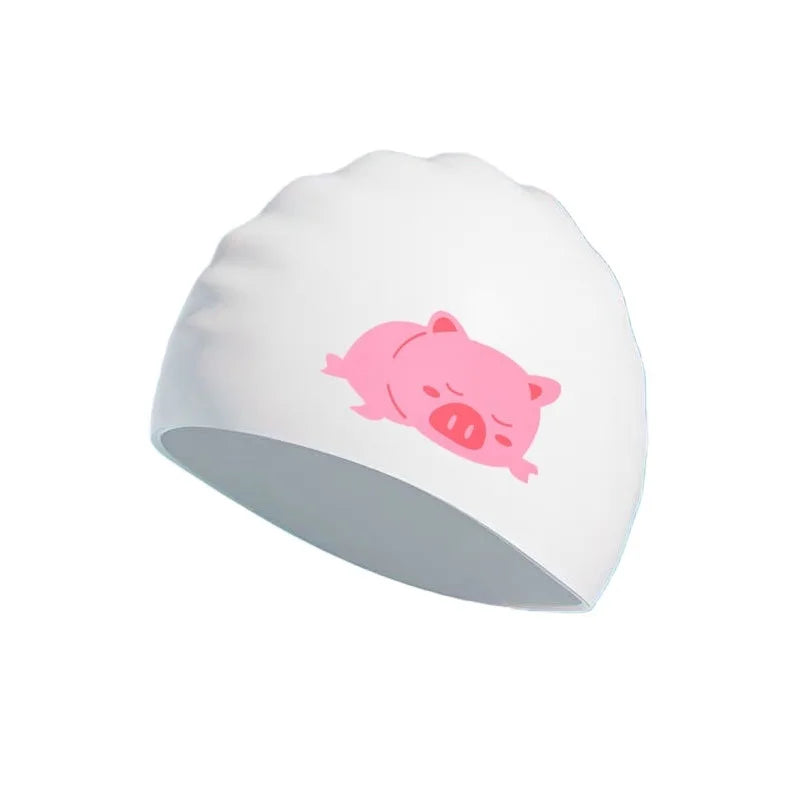
A well-fitted waterproof silicone swim cap reduces water logged hair after wet hair swimming 💡 See it in action
👉 Ready for easier swim days? A dependable cap can turn chaotic pool visits into smoother routines.
Quick FAQ
Will any swim cap keep hair completely dry?
No. Even the best waterproof silicone swim cap allows minimal moisture. The goal is reducing saturation, not total dryness.
Are silicone caps safe for kids?
Yes. High-quality silicone is gentle, latex-free, and commonly used in kids’ swim gear.
How long does a silicone cap last?
With proper care, a silicone cap can last months to years without stretching out.
Is silicone better for frequent swimmers?
Absolutely. For repeated wet hair swimming, silicone outperforms fabric by limiting water exposure and protecting hair.
Related Guide: Silicone Swim Cap Chlorine Protection That Actually Works





