

When Can Babies Use a Pool Float? Age, Safety & Readiness
What age baby float works best?
Most babies are ready to use a baby pool float between 6 and 12 months, provided they have good head and neck control, meet the manufacturer's weight requirements, and are comfortable in the water. Age alone isn't enough—developmental readiness, proper fit, and constant adult supervision are the most important factors for safe water play.
What Age Baby Float Works Best? A Practical Parent Guide
⏱ 7 min read
Wondering what age baby float options are actually appropriate? The answer depends on more than your baby's birthday. Physical development, weight, confidence in the water, and choosing the right flotation device all play a role. This guide explains when babies can safely use a pool float, what features to look for, and how to create safer first swimming experiences.
Which baby float truly supports safe, happy water play? Let's break it down step by step.
Explore safe, parent-loved options here
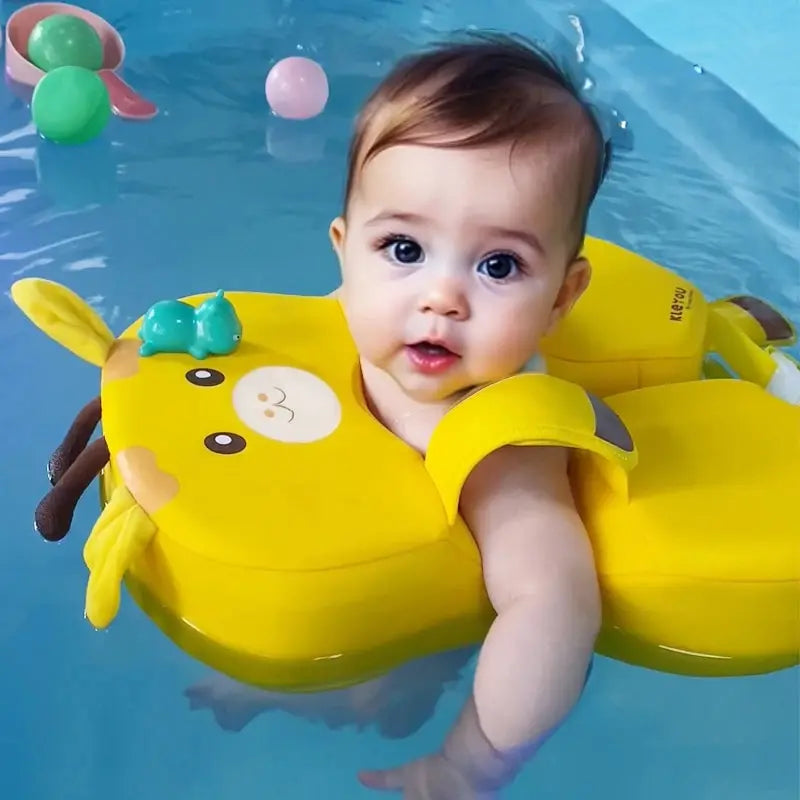
What age baby float works best depends on proper support, fit, and supervised water play.
What Age Is Suitable for Using a Baby Pool Float?
If you're asking what age is suitable for using a baby pool float, most manufacturers and pediatric swim professionals recommend beginning around 6 to 12 months. By this stage, many babies have stronger head and neck control and can maintain a more stable upright position while enjoying gentle movement in the water.
However, age should never be the only deciding factor. Before using any baby float, check that your child:
- Has steady head and neck control.
- Falls within the recommended weight range.
- Appears comfortable rather than distressed in the water.
- Will always remain within an adult's arm's reach.
Even the safest float is a flotation aid—not a life-saving device—and constant supervision remains essential.
Why Developmental Readiness Matters More Than Age
Every baby develops differently. Two babies of the same age may have very different levels of muscle strength, balance, and confidence in the water.
- Head and neck control: Reduces the risk of tipping or awkward positioning.
- Sitting stability: Helps babies remain comfortably supported inside the float.
- Comfort in water: Relaxed babies tend to move more naturally and enjoy longer sessions.
- Medical considerations: Premature birth, developmental delays, or certain health conditions may require guidance from your pediatrician before introducing flotation devices.
For this reason, many swim instructors focus on developmental milestones instead of using age alone as a baby float age recommendation.
Baby Pool Float Age Guide by Stage
| Age | Recommended Activity | What to Expect |
|---|---|---|
| 0–6 Months | Parent-held water play | Limited head control; newborns should not use unsupported pool floats. |
| 6–12 Months | Baby pool float with full-body support | Improved balance, stronger neck muscles, and growing comfort in water. |
| 12–24 Months | Age-appropriate swim vest or toddler flotation aid | More active kicking, greater independence, and increased mobility. |
0–6 Months
Most experts do not recommend pool floats for newborns. During this stage, babies benefit most from gentle parent-supported water activities that build familiarity without relying on flotation equipment.
6–12 Months
This is generally considered the best age for a baby swim float, provided your baby meets the product's weight and developmental recommendations. Full-support floats help keep babies upright while allowing gentle kicking and arm movement.
12–24 Months
As toddlers become more active, they often outgrow infant floats and transition to appropriately sized swim vests or other toddler flotation aids designed for increased movement.
Age vs Weight: Follow Manufacturer Guidelines
Many parents focus on age, but weight limits are equally important. Every baby float is designed to provide proper buoyancy within a specific size range.
- Always check both the minimum and maximum weight.
- Review recommended age ranges on the product label.
- Inspect straps and seating positions before every use.
- If your baby falls between sizes, prioritize fit rather than age alone.
Following manufacturer guidelines helps maintain balance, stability, and proper flotation performance.
Types of Baby Flotation Devices Explained
Infant Pool Floats
Designed for babies who have developed good head control, these floats typically include supportive seating and balanced buoyancy for relaxed water play.
Baby Swim Seats
Swim seats help babies remain upright but are intended only for supervised recreational use. They are not designed to teach swimming or prevent drowning.
Puddle Jumpers
Puddle jumpers are generally intended for older toddlers and young children who have outgrown infant floats. They provide arm and chest flotation but are not suitable for young infants.
Swim Vests
Swim vests are commonly introduced after infancy as children become more mobile and begin participating in structured swimming lessons or active water play.
Browse Baby Growth & Learning
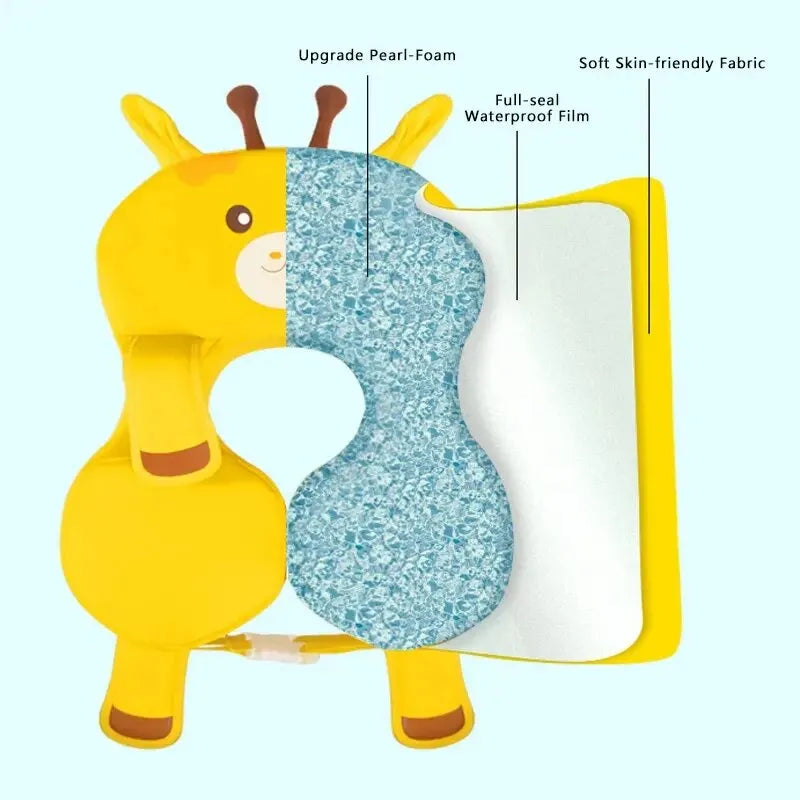
Balanced flotation supports comfortable movement during supervised water play.
How to Choose the Right Baby Pool Float
- Match both age and weight recommendations provided by the manufacturer.
- Look for stable, supportive designs that help keep babies comfortably upright.
- Choose adjustable safety straps that fit securely without restricting movement.
- Check for durable construction and quality materials designed for pool use.
- Select the right float for your pool environment, whether it's a backyard pool or a shallow splash area.
Parents often pair floats with other water routines from Baby Bath Accessories to help babies feel relaxed before pool time.
Pool Float Safety Rules Every Parent Should Follow
No baby float eliminates the need for direct supervision. Safe water play always begins with an attentive adult staying within arm's reach.
- Never leave your baby unattended, even for a few seconds.
- Remember that floats are not life-saving devices.
- Use only in calm, shallow water appropriate for babies.
- Inspect the float for leaks, damaged seams, or loose straps before every use.
- Keep pool sessions short to avoid fatigue or becoming chilled.
Many families combine floats with safety tools from Health & Safety collections to build safer routines.
View a parent-approved baby float here
Signs Your Baby Is Not Ready for a Pool Float
It's perfectly fine to wait a little longer if your baby isn't developmentally ready. Consider postponing pool float use if you notice any of these signs:
- Poor or inconsistent head and neck control.
- Strong fear, crying, or distress when introduced to water.
- Your baby falls below the recommended weight range.
- Your pediatrician has advised delaying water activities because of a medical condition.
- The float does not fit securely according to the manufacturer's instructions.
Waiting until your baby is physically and emotionally ready often creates a more enjoyable first experience in the water.
Frequently Asked Questions
What age is suitable for using a baby pool float?
For most babies, 6 to 12 months is the typical starting range, provided they have strong head control, meet the product's weight requirements, and are always closely supervised.
Can a newborn use a pool float?
Generally, no. Newborns usually lack the head and neck control needed for safe use. Parent-supported water play is recommended instead.
What developmental milestones should a baby meet before using a float?
Your baby should demonstrate steady head control, reasonable sitting stability with support, and comfort in the water while meeting the manufacturer's weight guidelines.
Are baby pool floats safe for infants?
They can support recreational water play when used correctly, but they are not safety devices and should never replace direct adult supervision.
Should I follow the age or weight limit on a baby float?
Always follow both. Weight limits help ensure proper buoyancy, while age recommendations reflect expected developmental abilities.
What's the difference between a baby pool float, swim seat, and puddle jumper?
Baby pool floats are generally intended for infants with good head control, swim seats provide upright support for supervised play, while puddle jumpers are designed for older toddlers and young children.
Can a baby learn to swim by using a pool float?
No. A float helps babies become comfortable in the water but does not teach swimming skills. Parent interaction and formal swim instruction remain the best way to develop water confidence.
Do babies still need constant supervision while using a pool float?
Absolutely. An attentive adult should remain within arm's reach at all times, regardless of the type of flotation device being used.
Get the baby float parents trust
Related Guide: :contentReference[oaicite:0]{index=0}





