

Wooden Baby Xylophone Toy: Safe Picks for Happy Early Learning
Wooden Baby Xylophone Toy: Safe Musical Fun for Infant Development
Music is one of the earliest ways babies explore the world around them. Long before they can sing or speak, infants learn by listening to different sounds, watching movement, and experimenting with simple actions like tapping and shaking objects. A quality musical toy encourages this natural curiosity while supporting important developmental milestones.
A wooden baby xylophone toy gives babies and toddlers an enjoyable introduction to rhythm, sound recognition, and creative play without relying on flashing lights or electronic sound effects. Instead of simply pressing buttons, children create real musical notes through their own movements, helping them build confidence, coordination, and problem-solving skills.
Choosing the right musical toy, however, means looking beyond appearance. Parents should consider material quality, non-toxic finishes, durable construction, and age-appropriate design to ensure every play session is both safe and educational.
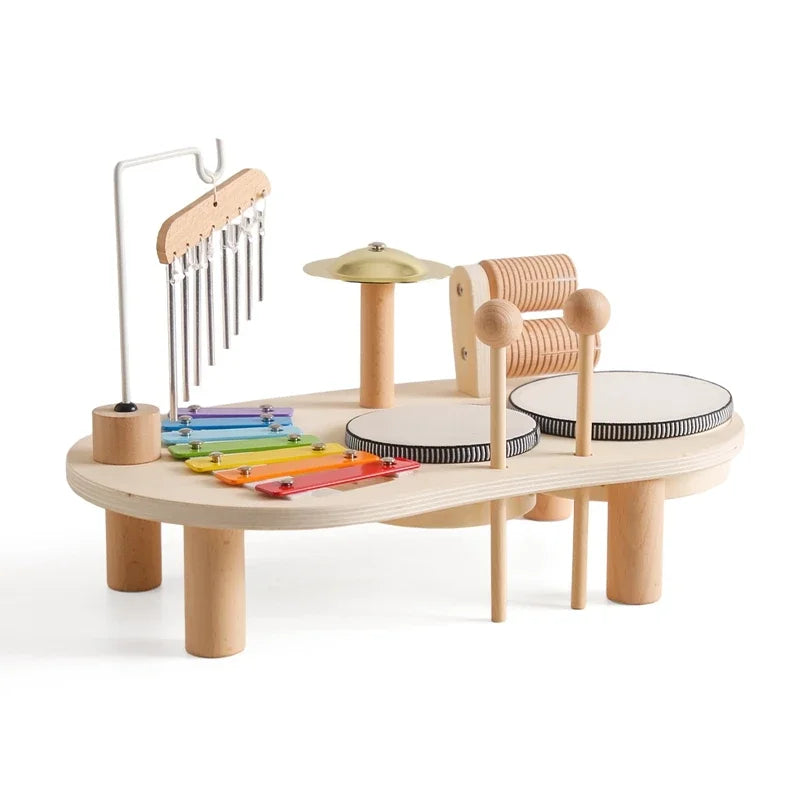
If you are looking for a thoughtfully designed first musical instrument, explore the Wooden Baby Xylophone Toy – Montessori Musical Learning , created to combine natural materials, child-safe construction, and meaningful early learning experiences.
Why a Wooden Baby Xylophone Toy Is a Safe First Musical Instrument
A baby's first musical toy should encourage exploration without introducing unnecessary safety concerns. Compared with many battery-powered toys, a safe wooden baby xylophone toy provides authentic sound, durable construction, and fewer components that may wear out over time. When selecting a wooden infant xylophone, parents should evaluate the overall build quality as carefully as the educational benefits.
What Makes a Safe Wooden Baby Xylophone
Well-made wooden xylophones are designed specifically for young children who are still developing grip strength and coordination. Look for products that include:
- Solid natural wood construction with a smooth finish
- Rounded corners and sanded edges that are gentle on little hands
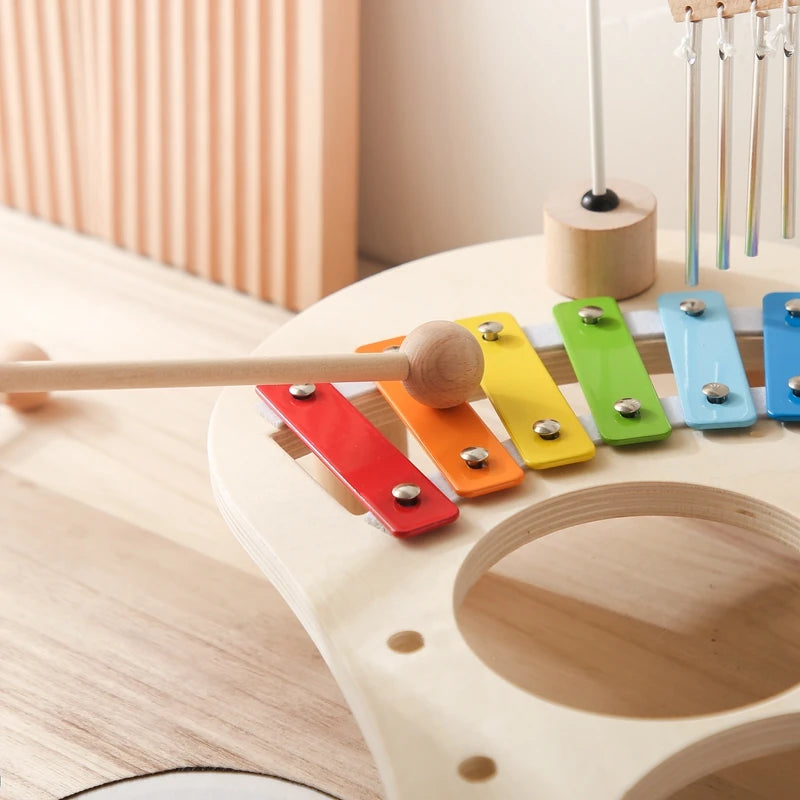
- Securely fastened metal sound bars that resist loosening during play
- A child-sized mallet that is comfortable to hold
- A stable base that stays in place while babies tap and explore
- A simple, battery-free design that lets children create real musical sounds
These design features help create a durable toy that encourages independent exploration while reducing common safety concerns.
Non-Toxic Paints and Child-Safe Finishes
Since babies frequently touch and mouth their toys, finishes matter just as much as construction quality. A non toxic wooden baby xylophone should use water-based or child-safe coatings that resist chipping while remaining free from harmful substances.
Bright colors can make a xylophone more visually engaging, but they should never come at the expense of safety. Choosing toys finished with child-safe paints gives parents additional peace of mind during everyday play.
Wood Types and Eco-Friendly Materials
Many premium wooden musical toys are crafted from sustainably sourced hardwood or other responsibly harvested woods. Quality wood offers excellent durability, stands up well to daily use, and is less likely than brittle plastic to crack after accidental drops.
Natural materials also provide a pleasant tactile experience that complements Montessori-inspired learning, encouraging children to interact with authentic textures while exploring music.
Safety Certifications Parents Should Check
Although designs vary between manufacturers, reputable brands typically manufacture toys to meet recognized safety requirements. Before purchasing, look for information indicating compliance with standards such as ASTM or CPSC guidance where applicable, along with clear age recommendations, durable assembly, and securely attached components.
These details demonstrate that the manufacturer has considered both material safety and long-term durability during product design.
How a Wooden Baby Xylophone Supports Infant Development
A quality wooden baby musical toy offers more than entertainment. Every tap, reach, and repeated movement helps babies practice skills that contribute to physical, sensory, and cognitive development. Because the instrument responds directly to a child's actions, it naturally encourages active learning through play.
Sensory Development
Babies learn by engaging multiple senses at once. A wooden xylophone combines colorful visual elements, smooth wooden textures, and distinct musical notes, encouraging infants to connect what they see, hear, and touch.
Repeated exposure to different tones supports auditory awareness while helping children distinguish changes in pitch and volume.
Fine Motor Skills
Holding a mallet, adjusting grip, and striking individual bars strengthen the small muscles of the hands and fingers. These movements help develop fine motor control that later supports everyday activities such as self-feeding, drawing, buttoning clothing, and writing.
Hand-Eye Coordination
As babies learn to aim the mallet toward each sound bar, they gradually improve visual tracking and movement accuracy. Repeated practice strengthens hand-eye coordination, an essential foundation for stacking blocks, catching balls, and many other developmental milestones.
Early Rhythm and Music Skills
Although infants are not learning formal music theory, regular exposure to rhythm introduces concepts such as repetition, tempo, and musical patterns. Listening and responding to different sounds encourages creativity while making music an enjoyable part of everyday learning.
Cause-and-Effect Learning
One of the greatest developmental benefits of a baby xylophone for infants is its immediate feedback. Babies quickly discover that every strike produces a different sound, reinforcing the understanding that their own actions create predictable outcomes. This simple cause-and-effect learning strengthens curiosity, concentration, and early problem-solving abilities.
Parents looking for additional developmental toys can explore other early learning options in the Baby Growth & Learning collection.
Product Overview: Wooden Baby Xylophone Toy
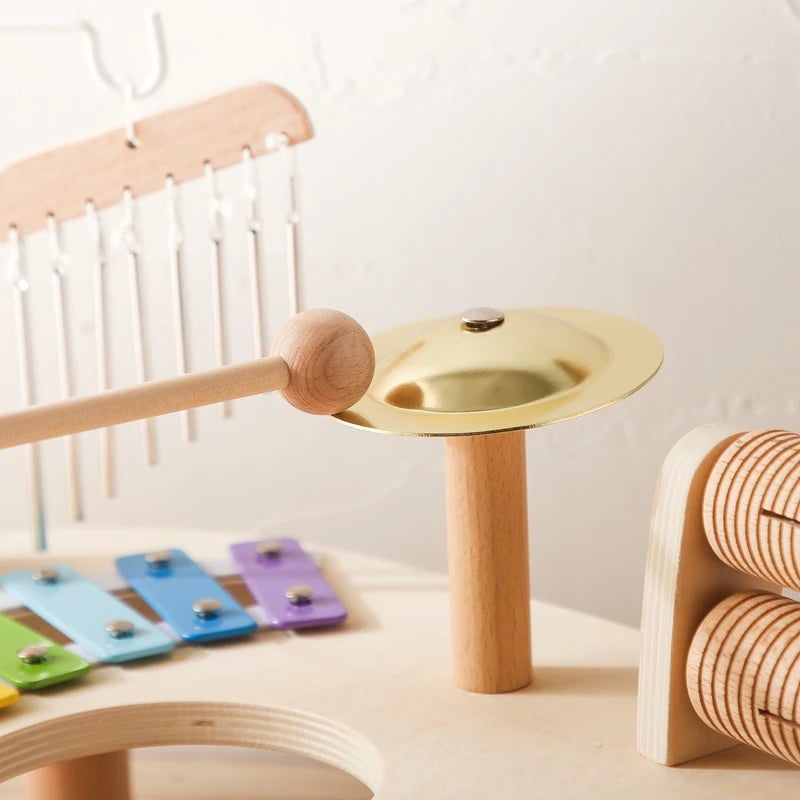
The Wooden Baby Xylophone Toy – Montessori Musical Learning is thoughtfully designed for babies and toddlers beginning to explore music through hands-on play. Combining natural wooden construction with a Montessori-inspired approach, this instrument encourages children to create their own sounds while building confidence through independent discovery.
Its sturdy frame, smooth finish, and colorful metal sound bars make it both engaging and practical for everyday use. Rather than relying on batteries or prerecorded music, the xylophone lets children experiment with authentic tones created by their own movements.
Key Features
- Natural wooden body with carefully rounded edges
- Brightly colored metal bars that encourage visual tracking
- Montessori-inspired design that promotes self-directed learning
- Durable construction built for everyday toddler play
- Clear, gentle musical tones suitable for young children
- Supports sensory exploration, fine motor development, and hand-eye coordination
Parents who enjoy wooden developmental toys may also appreciate the Sensory Toys collection designed to stimulate early learning.
Design for Small Hands
The included mallet is appropriately sized for little hands, helping babies develop a comfortable grip while encouraging repeated practice. The spacing between the sound bars makes it easier for young children to strike individual notes successfully, reducing frustration and supporting confidence as they learn.
Sound Quality
Each securely mounted metal bar produces a clear, pleasant tone when tapped. The consistent sound response helps babies recognize differences in pitch while encouraging repeated experimentation with rhythm and musical patterns.
Ease of Cleaning
The smooth wooden surface can be wiped clean with a soft, slightly damp cloth after playtime. Avoid soaking the toy or using harsh cleaning products to help preserve the wood finish and maintain long-term durability.
Wooden Baby Xylophone Toy Specifications
Materials
- Material: Natural wood
- Finish: Child-safe, non-toxic paint
- Sound Bars: Securely attached metal keys
- Design: Montessori-inspired wooden infant xylophone
- Construction: Smooth edges with durable craftsmanship
Dimensions and Weight
- Lightweight design that is easy for parents to carry
- Compact footprint suitable for nursery shelves, playrooms, and travel
- Solid wood frame designed for long-lasting use
- Stable base that remains secure during play sessions
Included Accessories
- One wooden baby xylophone
- One child-sized wooden mallet
- Integrated colorful metal sound bars ready for immediate play
Recommended Age
This xylophone infant wood musical toy is suitable for children aged 0–6 years . It is especially beneficial for babies between 6 and 24 months , when they are actively developing sensory awareness, grasping skills, and early hand-eye coordination through supervised play.
Wooden Baby Xylophone vs Plastic and Other Musical Toys
Musical toys come in many styles, from simple percussion instruments to feature-packed electronic toys. Choosing the right option depends on your child's age, developmental stage, and the type of play you want to encourage. A wooden baby xylophone stands out by combining authentic musical sounds with hands-on exploration and durable construction.
Wood vs Plastic
Wooden musical toys are valued for their sturdy construction, natural feel, and realistic acoustic tones. Unlike many plastic toys that rely on lightweight materials, a wooden xylophone provides a stable playing surface and produces clear notes that respond directly to a child's actions. Plastic toys may be lighter and less expensive, but they are often more prone to scratches, cracks, or wear after frequent use.
Xylophone vs Drum
Drums encourage gross motor development and rhythm through repetitive striking, while xylophones introduce children to individual musical notes as well as rhythm. A xylophone offers more opportunities for babies and toddlers to explore pitch, sound differences, and simple musical patterns during play.
Xylophone vs Piano Toys
Electronic piano toys often include lights, buttons, and prerecorded songs that entertain young children. A wooden xylophone, however, encourages active participation by allowing babies to create sounds themselves instead of simply activating electronic features. This hands-on experience supports creativity, concentration, and independent exploration.
Which Toy Fits Your Child?
If your goal is to introduce authentic musical play while supporting sensory exploration and fine motor development, a wooden baby musical toy such as a xylophone is an excellent first choice. Families seeking a battery-free toy with long-lasting durability and Montessori-inspired play will often find it offers greater long-term educational value than many electronic alternatives.
For additional Montessori-friendly baby products, explore the Baby Growth & Learning Tips section.
Pros and Cons of a Wooden Baby Xylophone Toy
Pros
- Made from durable natural materials with child-friendly construction.
- Encourages sensory exploration through authentic musical sounds.
- Supports fine motor skills, hand-eye coordination, and early rhythm development.
- Battery-free design promotes active, independent learning.
- Suitable for repeated daily play without relying on electronic components.
- Easy to maintain and designed for long-term use.
Cons
- Offers fewer built-in sound effects than electronic musical toys.
- Young infants should always play under adult supervision.
- Solid wood construction may weigh slightly more than comparable plastic toys.
- Acoustic sound volume depends on how firmly the bars are struck.
Who Should Buy One
A wooden baby xylophone toy is an excellent choice for parents who want a safe, screen-free musical toy that encourages developmental play. It is particularly well suited for babies beginning to explore cause-and-effect learning, toddlers developing coordination, and families who appreciate Montessori-inspired toys made from durable natural materials.
Comparison: Wooden Baby Xylophone vs Other Musical Toys
| Feature | Wooden Baby Xylophone | Plastic Musical Toys | Electronic Sound Toys |
| Material Safety | Natural wood with child-safe finish | Plastic construction | Plastic with electronic components |
| Sound Quality | Authentic musical notes | Basic tapping sounds | Pre-recorded music and sound effects |
| Durability | Excellent for everyday play | Moderate | Electronic parts may wear over time |
| Learning Style | Hands-on musical exploration | Simple sensory play | Button-activated entertainment |
| Developmental Value | High | Moderate | Low to moderate |
| Eco-Friendly | Yes | No | No |
How Parents Use a Wooden Baby Xylophone During Playtime
Independent Play
An infant wooden music toy encourages babies to experiment at their own pace. As children discover that different bars create different notes, they naturally practice concentration, coordination, and problem-solving while enjoying independent play.
Parent-Baby Music Time
Parents can make playtime more interactive by tapping simple rhythms and inviting their child to copy them. Singing familiar nursery rhymes while playing the xylophone also helps babies connect sounds with language, strengthening both communication and social interaction.
Simple Rhythm Games
Easy activities such as tapping slow and fast beats, alternating colors, or repeating short sound patterns help develop listening skills and rhythm recognition. These games keep sessions fun while supporting early cognitive development.
Tummy Time Activities
For babies who are still building upper-body strength, placing the wooden baby musical toy just within reach during supervised tummy time can encourage reaching, stretching, and controlled arm movements. Tapping the colorful bars rewards these movements with immediate musical feedback, making tummy time more engaging.
How to Choose the Best Wooden Baby Xylophone Toy
Material and Safety
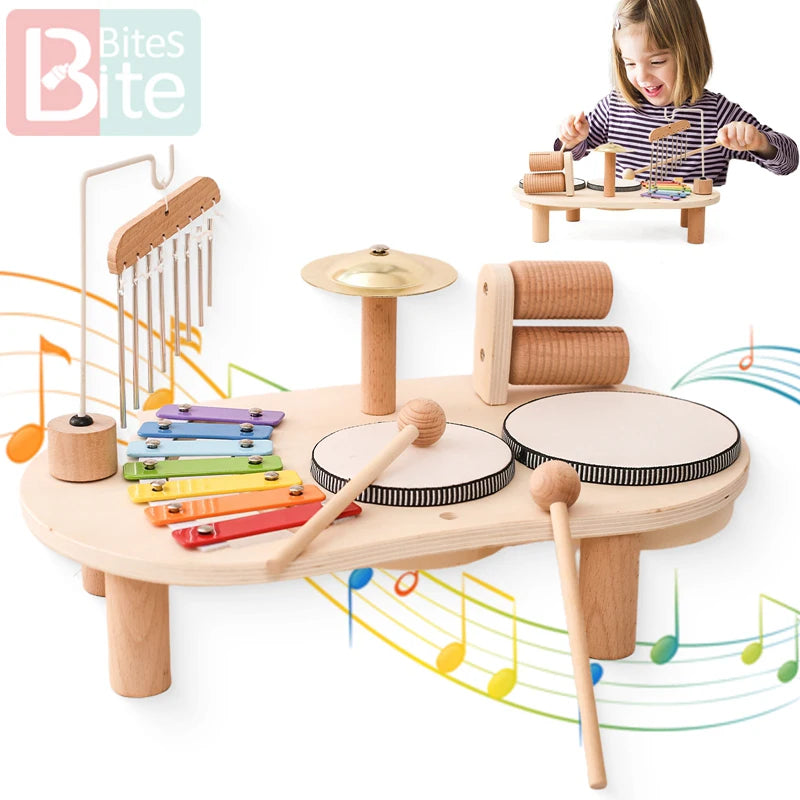
When selecting a wooden baby xylophone toy , prioritize safety above all else. Choose models made from solid wood with smooth, rounded edges, securely attached metal sound bars, and child-safe, non-toxic finishes. A well-built toy should withstand everyday play without developing loose components or rough surfaces.
Size and Weight
The best xylophones for babies are lightweight enough for parents to move easily while remaining stable during play. A compact design also fits comfortably on play mats, nursery shelves, and activity tables without taking up excessive space.
Musical Accuracy
Clear, consistent tones make musical exploration more rewarding for young children. Well-tuned sound bars encourage babies to distinguish different notes and help create a more enjoyable learning experience than toys that produce dull or inconsistent sounds.
Durability
Look for quality craftsmanship with a sturdy wooden frame, securely fastened hardware, and finishes designed to withstand repeated tapping. Durable construction allows the toy to remain part of your child's play routine throughout infancy and the toddler years.
Value for Money
A quality wooden xylophone offers lasting educational value by combining musical exploration, sensory play, and motor skill development in a single toy. Investing in a durable, well-designed instrument can provide years of engaging play without requiring batteries or electronic maintenance.
If you are building a safe toy collection for your baby, you can also browse helpful resources in the Health & Safety Tips section.
Frequently Asked Questions
What age is appropriate for a wooden baby xylophone toy?
Most wooden baby xylophones are most engaging for children between 6 and 24 months, although many quality models remain suitable for toddlers and preschoolers when used according to the manufacturer's recommended age guidelines.
Are wooden baby xylophones safe for infants?
Yes, provided they are made from child-safe materials, feature rounded edges, use non-toxic finishes, and are played with under appropriate adult supervision.
What should I look for in a non-toxic wooden baby xylophone?
Look for solid wood construction, water-based or child-safe paint, securely attached sound bars, smooth finishes, and information indicating compliance with recognized toy safety standards.
Is a wooden xylophone better than a plastic one for babies?
Many parents prefer wooden xylophones because they offer authentic musical sounds, durable construction, and battery-free play that encourages children to create music through their own actions.
Can a baby xylophone help with development?
Yes. A wooden xylophone supports sensory exploration, fine motor skills, hand-eye coordination, cause-and-effect learning, and early rhythm recognition through active play.
How do I clean a wooden baby xylophone?
Wipe the toy with a soft, slightly damp cloth and dry it thoroughly. Avoid soaking the wood or using harsh cleaning chemicals that may damage the finish.
Are Montessori wooden xylophones worth buying?
Montessori-inspired musical toys encourage independent exploration, hands-on learning, and creative play, making them an excellent choice for families seeking simple, screen-free educational toys.
Do wooden baby xylophones need safety certifications?
Choosing products manufactured to recognized toy safety standards and using child-safe materials provides additional confidence that the toy has been designed with infant safety in mind.
Conclusion: Choosing the Right Wooden Baby Xylophone Toy
A wooden baby xylophone toy offers much more than musical entertainment. It encourages babies to explore sound, strengthen coordination, develop fine motor skills, and build confidence through hands-on learning. With durable natural materials and a battery-free design, it can remain a valuable part of your child's play environment for years.
For parents looking for a thoughtfully designed first musical instrument, the Wooden Baby Xylophone Toy – Montessori Musical Learning combines child-safe construction, Montessori-inspired play, and lasting educational value. Choosing a high-quality wooden xylophone gives your child a safe introduction to music while supporting important developmental milestones every day.
Pillar Article: 15 Best Musical Toys for Infants (0–12 Months) That Support Early Development





