

Wooden Infant Walker Comparison: Which One Builds Balance?
How can parents learn how to teach infant to walk at home?
How to teach infant to walk becomes easier with short daily routines that strengthen balance, confidence, and coordination. Parents who follow age-appropriate play, support motor skills for 9 month old development, and introduce a stable walker push toy often see first steps appear within weeks, not months.
How to Teach Infant to Walk Step by Step at Home
Wondering how to teach infant to walk without stress or guesswork? This friendly guide breaks down simple, at-home routines that boost confidence, support motor skills for 9 month old, and match real month motor skills milestones. You’ll learn how a safe, fun walker push toy can encourage balance, coordination, and curiosity—while avoiding common mistakes most parents make. Ready to see how fast small changes can lead to big first steps?
⏱ 8 min read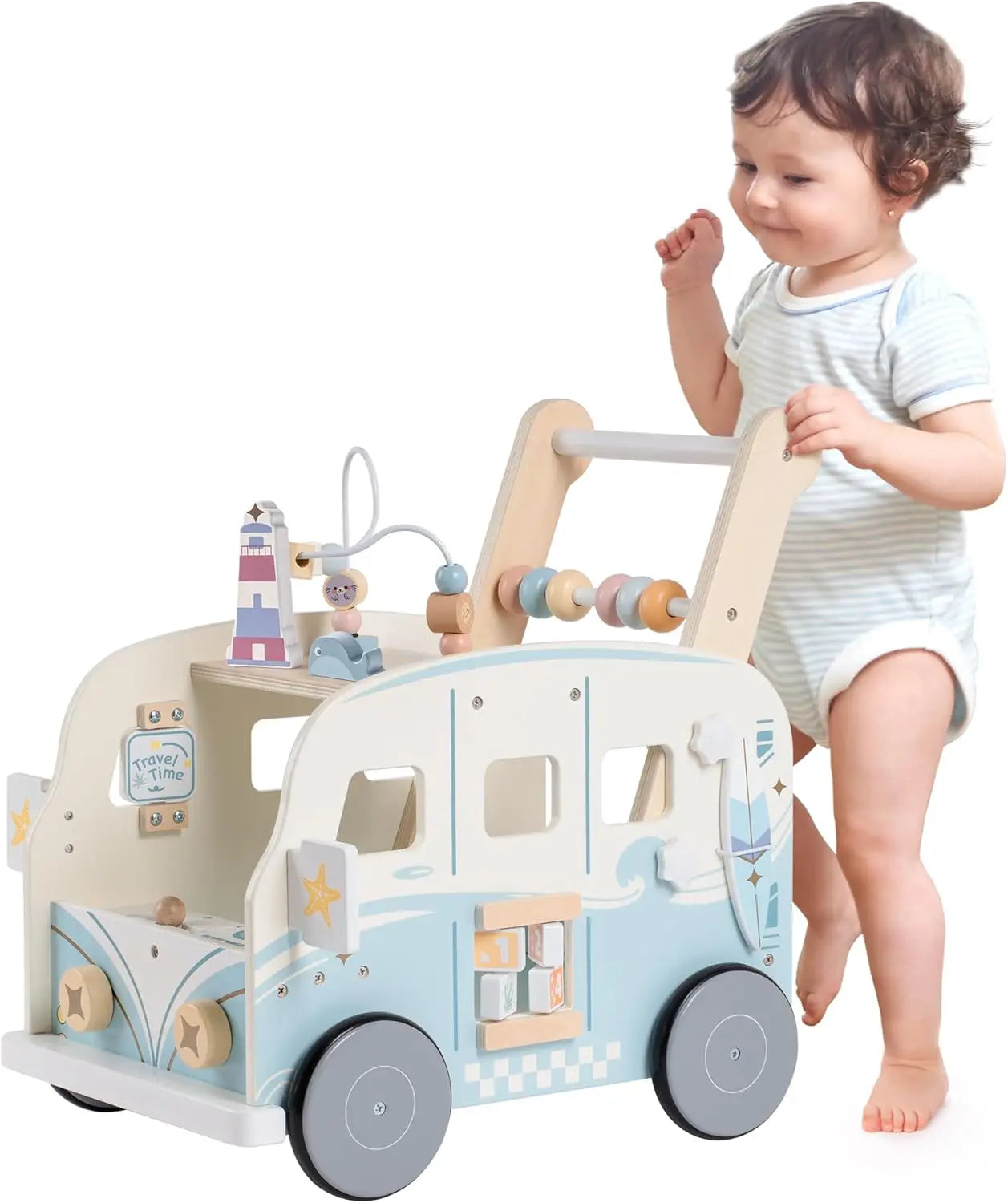
how to teach infant to walk with motor skills for 9 month old using walker push toy 💡 See it in action
Why Early Walking Skills Shape Your Baby’s Future
Walking isn’t just movement — it builds independence, confidence, and cognitive growth. Babies who practice early standing and cruising often develop stronger problem-solving and spatial awareness skills. Encouraging walking now supports long-term physical and emotional development.
How to Teach Infant to Walk (Step-by-Step)
How to teach infant to walk starts with daily floor play, safe support, and gentle encouragement. Begin with standing practice, move to cruising, and introduce short assisted steps. Consistency, positive reinforcement, and patience typically produce visible progress within two to four weeks.
- Encourage tummy time & crawling
- Practice standing with support
- Hold both hands and guide steps
- Introduce a walker push toy for independence
Families often combine these steps with items from Baby Growth & Learning to create engaging learning environments that motivate movement.
Month Motor Skills Milestones You Should Expect
- 7–8 months: sitting, crawling, pulling to stand
- 9–10 months: cruising furniture, assisted steps
- 11–12 months: independent steps emerging
Supportive tools from Mobility & Training often help bridge these stages safely.
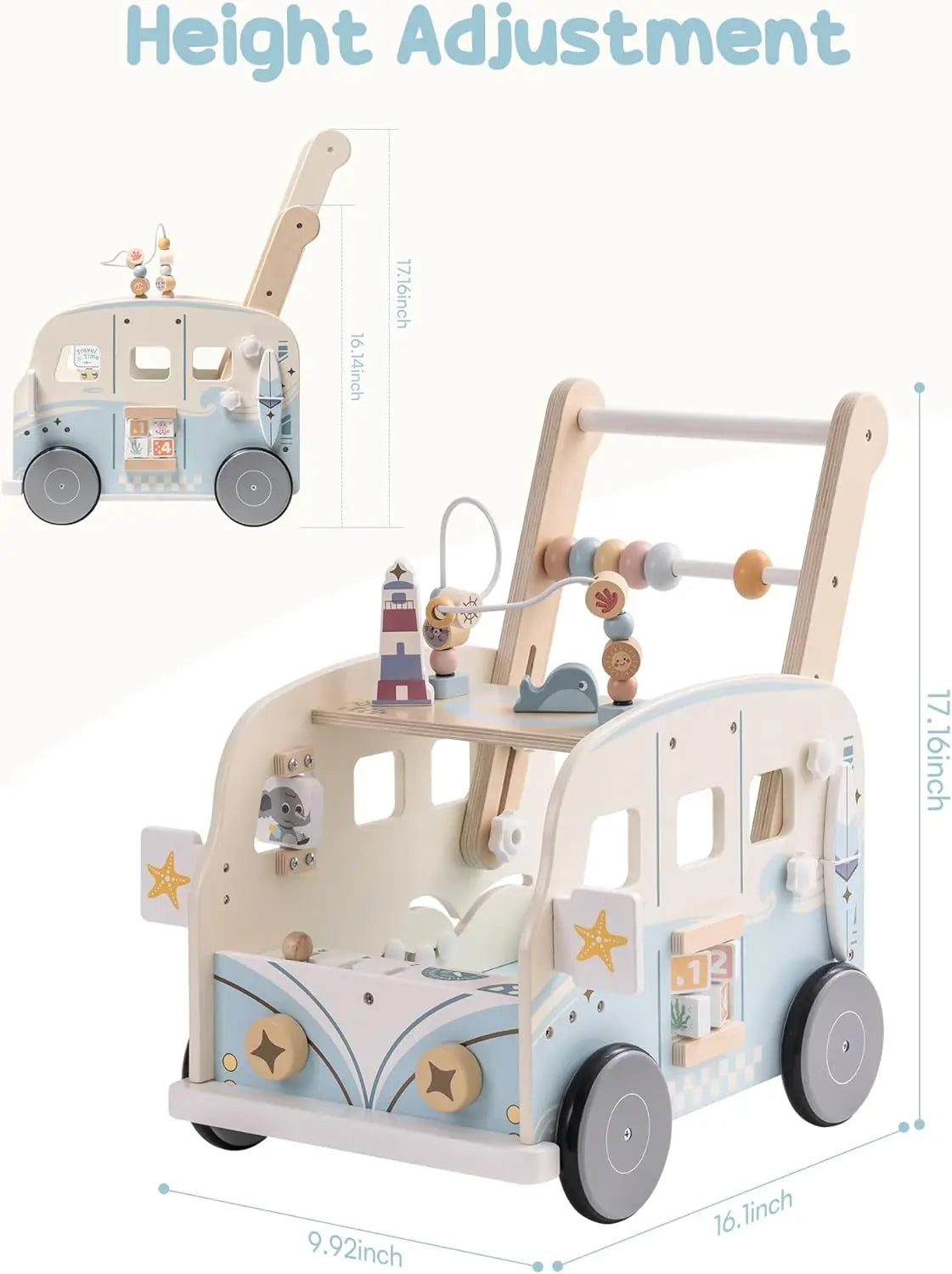
motor skills for 9 month old + walker push toy support confident steps 💡 See it in action
Why a Walker Push Toy Accelerates Learning
A stable walker push toy provides balance support while letting your baby control speed and direction. Parents report faster walking confidence when using structured play combined with independent movement tools.
Many parents choose natural wooden options like this wooden baby walker for its stability, weight, and grip-friendly design.
| Without Walker | With Walker Push Toy |
|---|---|
| Frequent falls | Improved balance control |
| Short practice time | Longer engagement sessions |
| Parent-dependent | Encourages independence |
Common Walking Mistakes Most Parents Make
- Starting too early before core strength develops
- Using unstable walkers or jumpers
- Skipping daily consistency
- Comparing to other babies’ timelines
Helpful safety resources from Health & Safety ensure every walking session stays protected.
Simple Daily Walking Routine That Works
Morning: 10 minutes cruising practice
Afternoon: 5–10 assisted steps
Evening: walker push toy play
Pair this with soothing support from Sleep & Comfort to help muscles recover and prevent overstimulation.
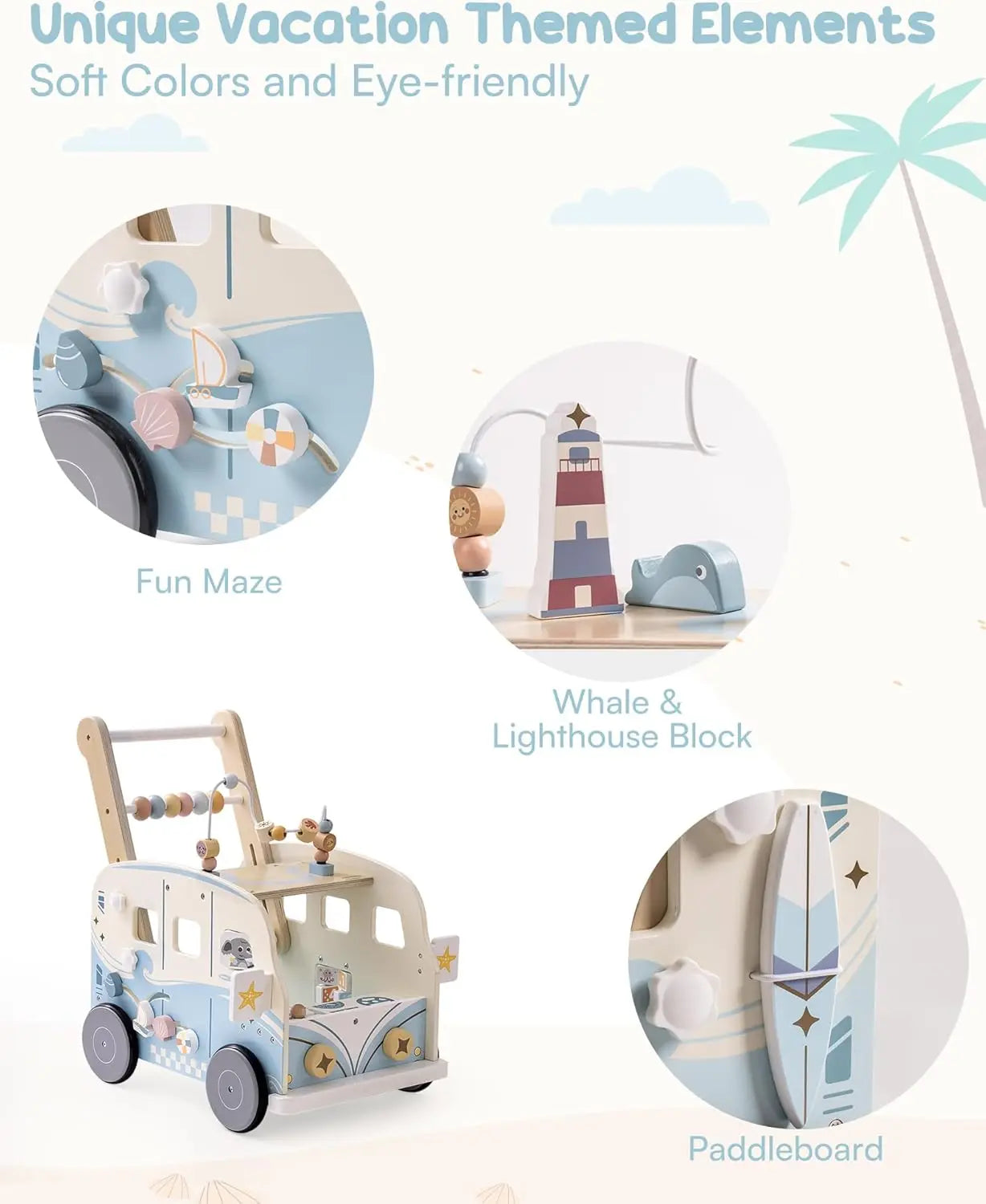
how to teach infant to walk faster using walker push toy & month motor skills 💡 See it in action
Mini FAQ
When should I start teaching my infant to walk?
Most babies begin showing readiness between 8–10 months with pulling up and cruising.
Is a walker push toy safe?
Yes, when it’s stable, weighted, and used under supervision on flat surfaces.
How long until my baby walks independently?
With consistent daily practice, many babies take independent steps within 4–8 weeks.
Related Guide: Choosing Safe Baby Walker: Best Options Compared





