

Wooden Magnetic Fishing Toy vs Puzzles for Focused Play
Does a wooden magnetic fishing toy help children focus better than puzzles?
A wooden magnetic fishing toy encourages longer attention spans by combining movement, challenge, and play. Unlike static puzzles, the wooden magnetic fishing toy uses colorful fish, a wooden toy fishing boat, and magnetic rods to build fine motor skills and hands on learning for preschoolers while keeping them actively engaged.
Wooden Magnetic Fishing Toy vs Puzzles for Focused Play
⏱ 7 min read
Wooden magnetic fishing toy activities often surprise parents by holding attention longer than expected, especially when compared to quiet table puzzles. With bright pieces and a playful wooden toy fishing boat setup, kids practice fine motor skills while staying fully engaged. This style of hands on learning for preschoolers encourages patience, coordination, and problem solving without screens. Even better, children feel like they’re playing freely while their focus quietly improves. Which type of play actually keeps young minds locked in longer?
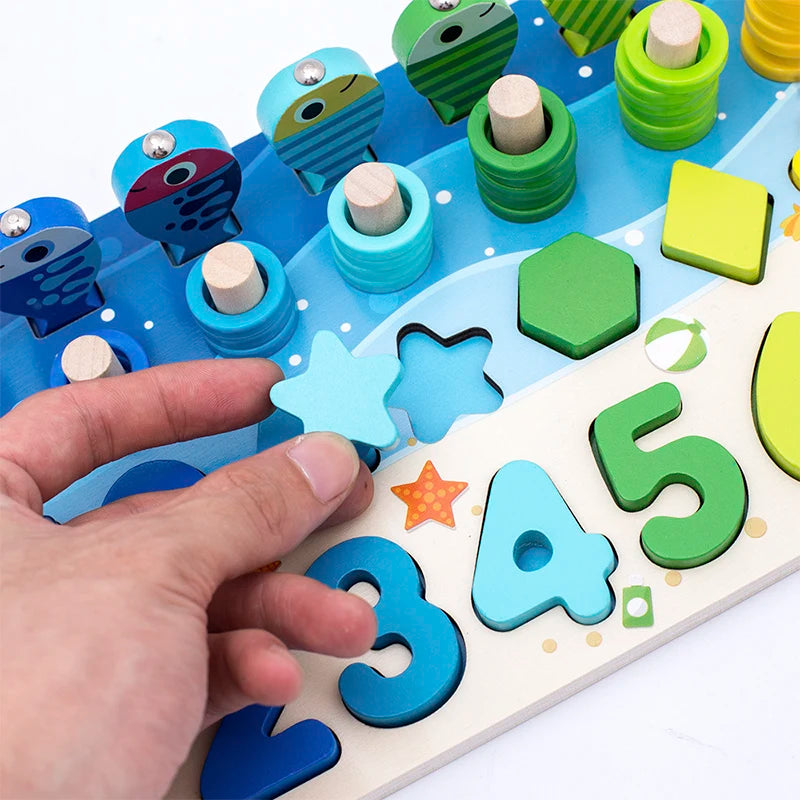
A wooden magnetic fishing toy encourages fine motor skills and hands on learning for preschoolers 💡 See it in action
Why Focused Play Matters in Early Childhood
Focus isn’t just about sitting still. For young children, focus means staying engaged long enough to solve a problem, complete a task, or follow a sequence. These early experiences shape confidence, patience, and learning readiness.
- Improves hand-eye coordination
- Strengthens emotional regulation
- Builds confidence through small wins
- Supports smoother transitions into structured learning
Parents often notice that toys encouraging active participation hold attention better than passive activities. That’s where hands-on toys shine.
How Does a Wooden Magnetic Fishing Toy Support Focused Play?
A wooden magnetic fishing toy supports focus by combining movement, challenge, and feedback. Children use a magnetic rod to catch fish from a wooden toy fishing boat or board, repeating the task with intention. This repetition strengthens fine motor skills and attention while keeping play light and enjoyable.
Key benefits include:
- Controlled hand movements that build coordination
- Clear goals that encourage task completion
- Bright visual cues that maintain interest
- Independent play without overstimulation
How Puzzles Help Build Concentration
Puzzles are a classic tool for quiet focus. They encourage children to slow down, observe shapes, and problem-solve. For some kids, puzzles offer a calming, structured activity that supports patience.
However, puzzles often require longer attention upfront. Younger preschoolers may lose interest if the challenge feels too abstract or repetitive without movement.
When puzzles work best
- For children who enjoy quiet table play
- For building visual-spatial reasoning
- For short, guided play sessions
Wooden Magnetic Fishing Toy vs Puzzles: A Clear Comparison
| Feature | Wooden Magnetic Fishing Toy | Puzzles |
|---|---|---|
| Engagement style | Active, hands-on movement | Quiet, seated play |
| Fine motor skills | High focus on grip and coordination | Moderate focus on placement |
| Attention span | Often sustained through play loops | Depends on difficulty and interest |
| Best age range | 2–5 years | 3–6 years |
Both options support learning, but the experience feels very different for children.
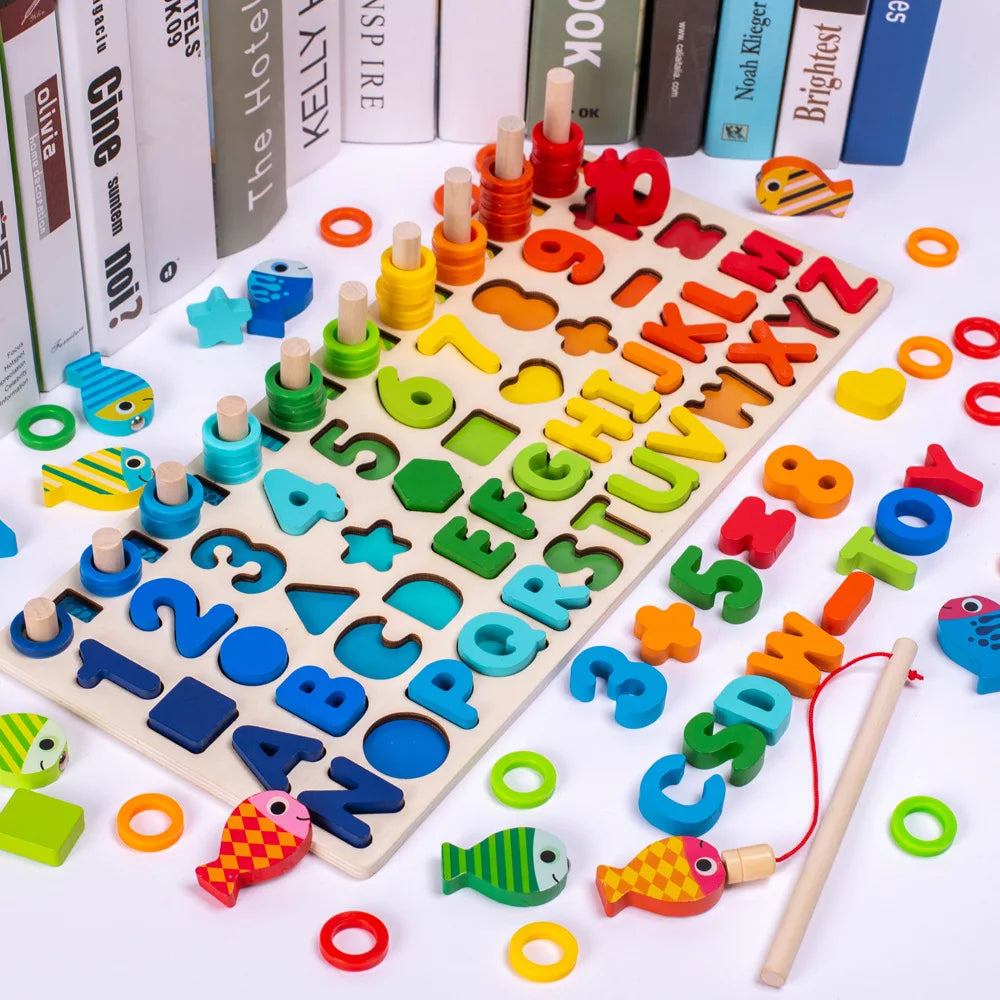
A wooden toy fishing boat turns practice into playful learning 💡 See it in action
Which Toy Is Better for Your Child’s Focus?
There’s no single right answer. The best choice depends on your child’s personality, age, and play style.
- Choose a wooden magnetic fishing toy if your child loves movement and repetition
- Choose puzzles if your child enjoys quiet problem-solving
- Combine both to balance active and calm play
Many parents find that starting with active toys builds confidence, making quieter activities easier later.
For more screen free play ideas, explore Baby Growth & Learning or browse engaging options in Sensory Toys.
What Parents Notice After Switching Play Styles
Parents often report longer independent play sessions after introducing hands-on toys. One common observation is smoother transitions between activities and fewer frustration moments.
- “My child stays engaged longer without reminders.”
- “We noticed better hand control within weeks.”
- “Playtime feels calmer and more intentional.”
These small changes add up, especially during the preschool years.
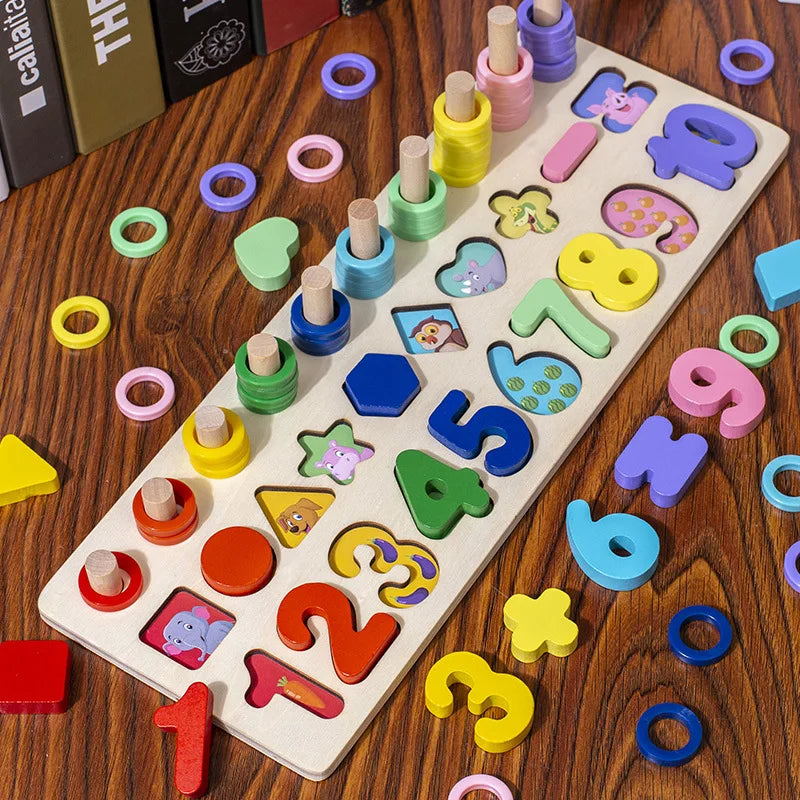
Hands on learning for preschoolers with a wooden magnetic fishing toy 💡 See it in action
Frequently Asked Questions
Is a wooden magnetic fishing toy safe for preschoolers?
Most wooden magnetic fishing toys are designed with smooth edges and securely embedded magnets. Always supervise play and choose age-appropriate designs.
How long should focused play sessions last?
For preschoolers, 10–20 minutes of engaged play is typical. Active toys often help extend this naturally without pressure.
Can fishing toys replace puzzles?
They serve different purposes. Fishing toys build movement-based focus, while puzzles support quiet concentration. Using both creates balance.
Related Guide: Montessori Educational Wooden Toy Compared for Preschool Math





