

Wooden Montessori Math Toy Comparison for Early Learners
What makes a wooden montessori math toy effective for early learners?
A wooden montessori math toy helps children grasp numbers through hands-on play that builds confidence and understanding. By combining counting, sorting, and problem-solving, these tools support montessori math activities for preschoolers and strengthen number concepts in early childhood through repetition, texture, and self-paced discovery.
Wooden Montessori Math Toy Comparison for Early Learners
Choosing a wooden montessori math toy can feel overwhelming when every option promises better learning. This comparison breaks down how popular wooden sets support montessori math activities for preschoolers, reinforce early childhood math concepts, and help children truly understand number concepts in early childhood—so you can pick with confidence, not guesswork.
⏱ 7 min read
Are you wondering which math toy actually helps your child understand numbers instead of just memorizing them? You’re not alone. Many parents want learning tools that feel like play, not pressure.
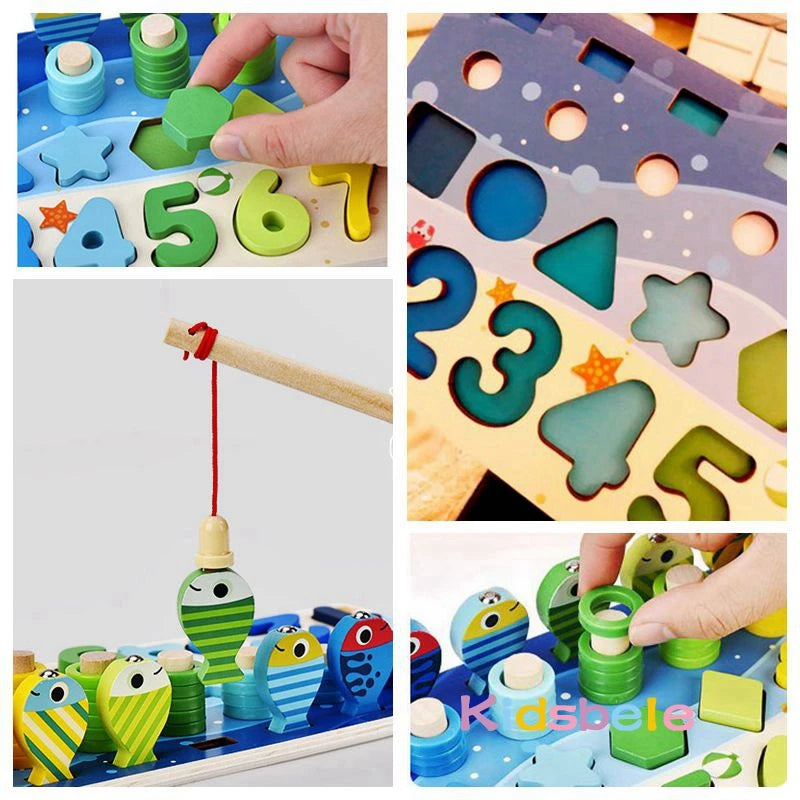
A wooden montessori math toy introduces early childhood math concepts through tactile play. 💡 See it in action
Why Wooden Math Toys Support Real Learning
A wooden montessori math toy encourages children to learn by doing. Instead of flashing lights or sounds, kids manipulate pieces, make mistakes, and self-correct—key parts of montessori math activities for preschoolers.
- Builds early childhood math concepts through repetition
- Strengthens fine motor skills alongside number learning
- Encourages independent play and focus
- Supports natural curiosity without overstimulation
Parents browsing Baby Growth & Learning often look for toys that balance durability with meaningful learning—and wooden math sets do exactly that.
Side-by-Side Comparison of Popular Wooden Sets
A wooden montessori math toy works best when it matches your child’s stage of learning. Some focus on basic counting, while others introduce addition, subtraction, or pattern recognition using concrete materials.
| Type | Best For | Key Strength | Possible Limitation |
|---|---|---|---|
| Counting Boards | Ages 2–3 | Number recognition | Limited challenge as skills grow |
| Number Puzzles | Ages 3–4 | Hands-on problem solving | Fewer open-ended activities |
| Math Rod Sets | Ages 4–5 | Visualizing quantity | Requires guidance at first |
Many parents pair these toys with complementary play ideas from Sensory Toys to keep learning fresh and engaging.
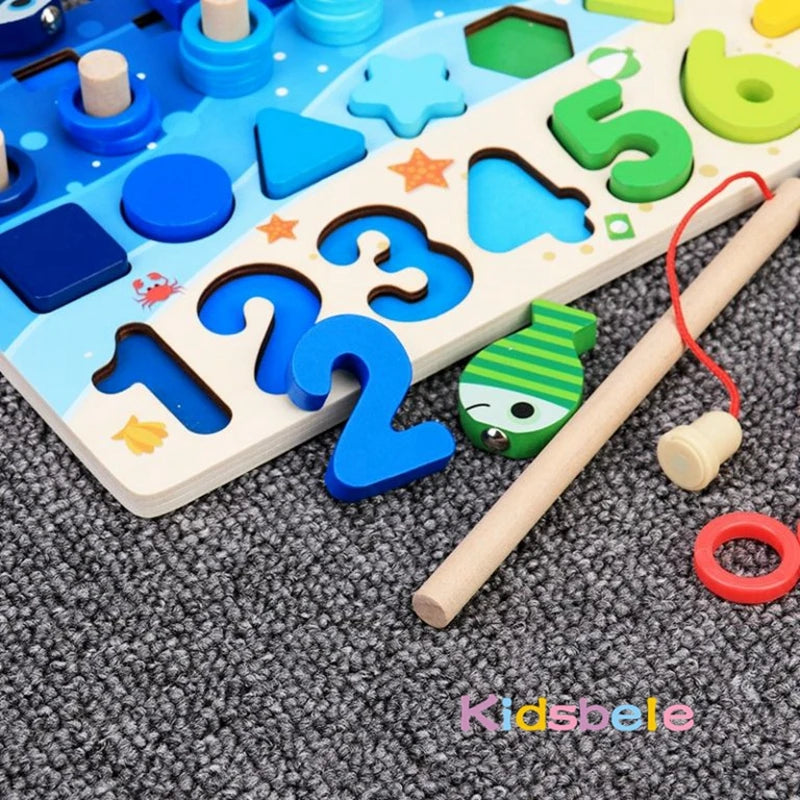
Comparing wooden montessori math toy styles helps parents choose the right fit. 💡 See it in action
Best Toys for Counting and Sorting Skills
A wooden montessori math toy designed for counting and sorting introduces numbers in a concrete way. Children physically move pieces, reinforcing number concepts in early childhood through touch and movement.
These toys often include:
- Number tiles or pegs for one-to-one correspondence
- Color-coded pieces for visual grouping
- Trays or boards that guide self-correction
- Expandable activities as skills improve
Parents report that kids who start with these tools show stronger confidence when transitioning to more advanced montessori math activities for preschoolers.
Options That Build Problem-Solving Confidence
A wooden montessori math toy that emphasizes problem-solving helps children think, not just count. These sets encourage experimentation and logical reasoning—core early childhood math concepts.
Look for toys that:
- Allow multiple solutions instead of one “right” answer
- Use real-world scenarios like sharing or grouping
- Grow with your child over time
- Encourage quiet focus and persistence
Many families integrate these toys into daily routines alongside items from Mobility & Training to balance physical and cognitive development.
Safety and Durability Parents Care About
A wooden montessori math toy should feel as safe as it is educational. Parents consistently prioritize smooth finishes, non-toxic paints, and solid construction.
- Rounded edges to protect small hands
- Chunky pieces that reduce choking risk
- Hardwood materials that withstand daily play
- Easy-to-clean surfaces for busy households
These features align with what caregivers often seek in Health & Safety collections focused on worry-free play.
Which Wooden Montessori Math Toy Fits Your Child?
A wooden montessori math toy isn’t one-size-fits-all. The best choice depends on age, interest, and learning style.
- Curious toddlers: Simple counting boards with large pieces
- Preschool explorers: Number puzzles that challenge matching skills
- Confident learners: Multi-step math sets for deeper exploration
One popular option parents mention is the wooden montessori math toy puzzle, praised for blending counting, sorting, and problem-solving in one set.
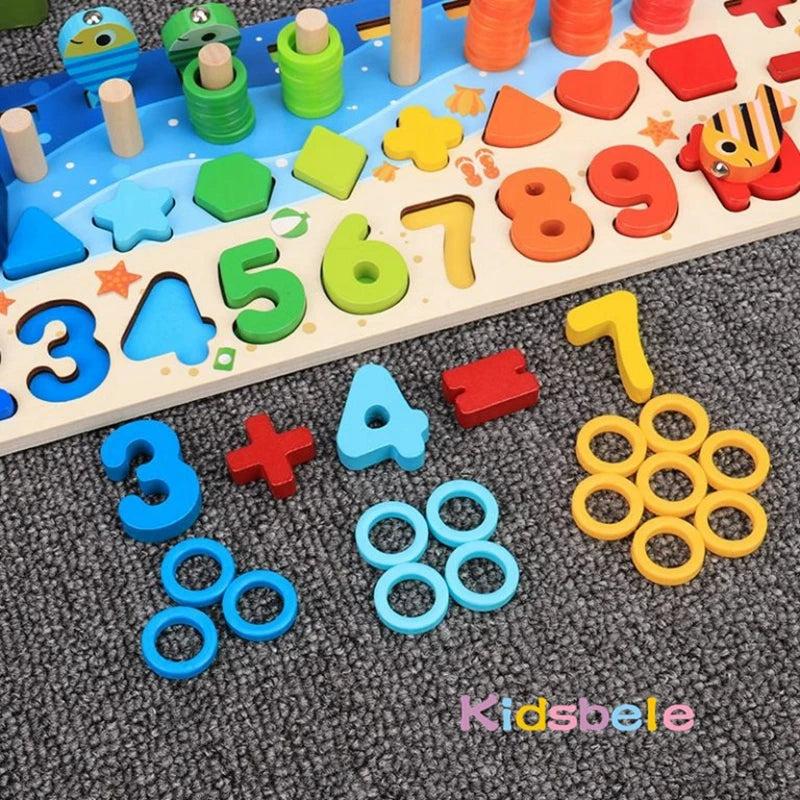
Choosing the right wooden montessori math toy builds confidence with number concepts in early childhood. 💡 See it in action
Frequently Asked Questions
What age is best for a wooden montessori math toy?
Most wooden montessori math toys are suitable from ages 2 to 5, depending on complexity. Simpler sets focus on counting, while advanced options support broader early childhood math concepts.
Do these toys really help with number understanding?
Yes. By using hands-on manipulation, children develop stronger number concepts in early childhood compared to passive learning methods.
How long will my child use a wooden math toy?
High-quality wooden sets often grow with the child, supporting multiple stages of montessori math activities for preschoolers over several years.
Related Guide: Preschool Math Manipulatives Compared: Best Picks for Play





