

Wooden Number Shape Matching Toy How to Use It Correctly
Does a wooden number shape matching toy really improve early math skills?
The wooden number shape matching toy builds number recognition, counting confidence, and coordination by combining physical play with visual learning. Children match shapes to numbers, strengthening hands on learning math while quietly developing 5 fine motor skills like grasping, control, focus, and problem-solving — making early math feel natural instead of forced.
Wooden Number Shape Matching Toy: How to Use It Correctly
Wooden number shape matching toy play transforms early math into joyful discovery while strengthening coordination, focus, and confidence. Instead of worksheets or screens, children learn through movement, sorting, and hands on learning math that feels like fun — building 5 fine motor skills naturally and supporting z preschool activities at home or in classrooms.
⏱ 6 min read
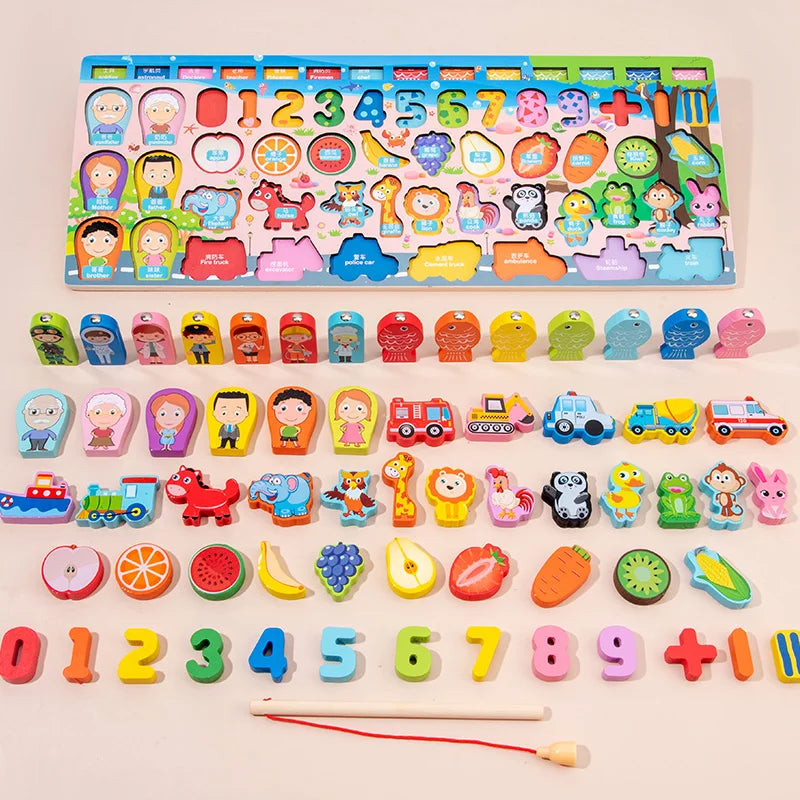
Hands on learning math made fun with a wooden number shape matching toy — 💡 See it in action
Ever feel frustrated trying to teach numbers when your child loses interest after two minutes?
Many parents worry their child is “falling behind” — when the real issue is learning style, not ability. Young children learn best when they can touch, move, and explore.
This is where a wooden number shape matching toy becomes a powerful everyday learning tool.
Why Parents Love This Toy for Early Learning
Unlike flashcards or apps, this toy turns math into active play. Children physically match numbers to shapes, creating strong brain connections through movement.
- Encourages independent learning
- Reduces screen dependence
- Builds focus naturally
- Makes numbers feel friendly
Many families pair it with other learning play from Baby Growth & Learning and sensory exploration from Sensory Toys for balanced development.
How to Use a Wooden Number Shape Matching Toy Correctly
The wooden number shape matching toy works best when introduced slowly and playfully. Let curiosity lead.
- Lay out all number pieces on the floor or table
- Show one number and its matching shape slot
- Let your child try independently
- Celebrate correct matches warmly
- Repeat with new numbers gradually
Short daily sessions of 5–10 minutes create stronger learning than long forced lessons.
Skills Your Child Builds While Playing
Parents often notice improvement within days — not just in counting, but in overall focus.
| Skill | How It Develops |
|---|---|
| Number Recognition | Matching visual shapes to numeric values |
| Hand Control | Picking up and placing pieces accurately |
| Problem Solving | Figuring out correct slots independently |
| Concentration | Completing each number challenge |
These benefits complement daily routines supported by Baby Growth & Learning Tips for parents guiding early education.
Fun Learning Games to Try
Turn everyday play into exciting number adventures:
- Number Hunt: Hide pieces and let kids find and match them
- Speed Match: Time how fast they complete 1–5
- Count Out Loud: Say numbers as each piece clicks in
- Shape Colors: Group by color before matching
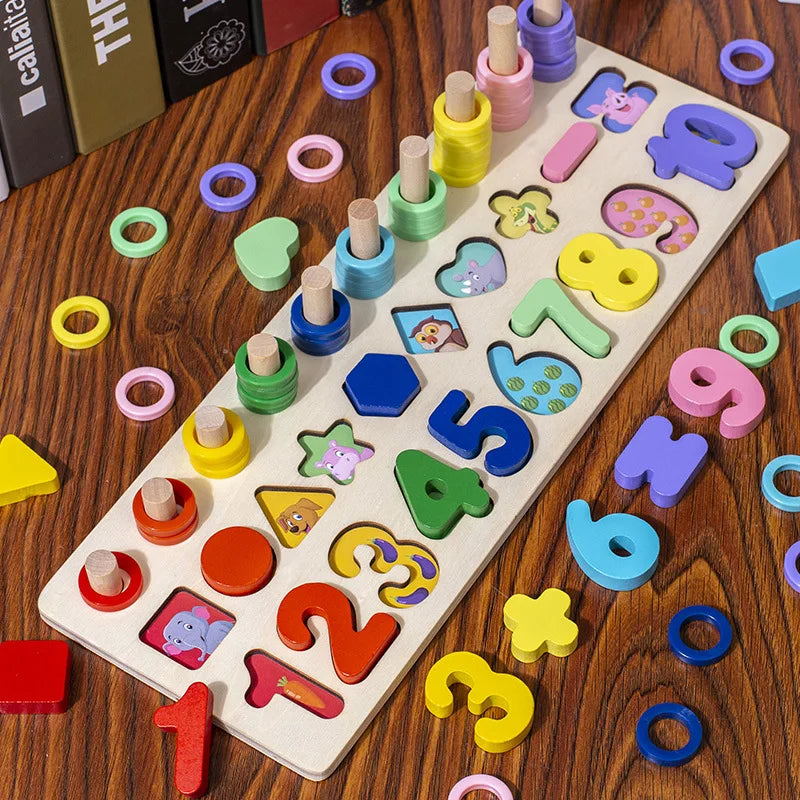
Building 5 fine motor skills through playful wooden number shape matching toy activities — 💡 See it in action
Many parents report kids choosing this toy over cartoons once they feel the success of matching correctly.
Common Mistakes to Avoid
To get the best results, avoid these common pitfalls:
- Rushing through all numbers at once
- Correcting harshly instead of encouraging
- Turning play into pressure
- Overloading long sessions
Keep learning light, fun, and curiosity-driven.
Best Ages and Learning Stages
This toy supports learning across early childhood:
- Ages 2–3: Shape recognition and hand control
- Ages 3–4: Number awareness and matching
- Ages 4–5: Counting, sequencing, confidence
It fits beautifully into z preschool activities at home or classroom settings.
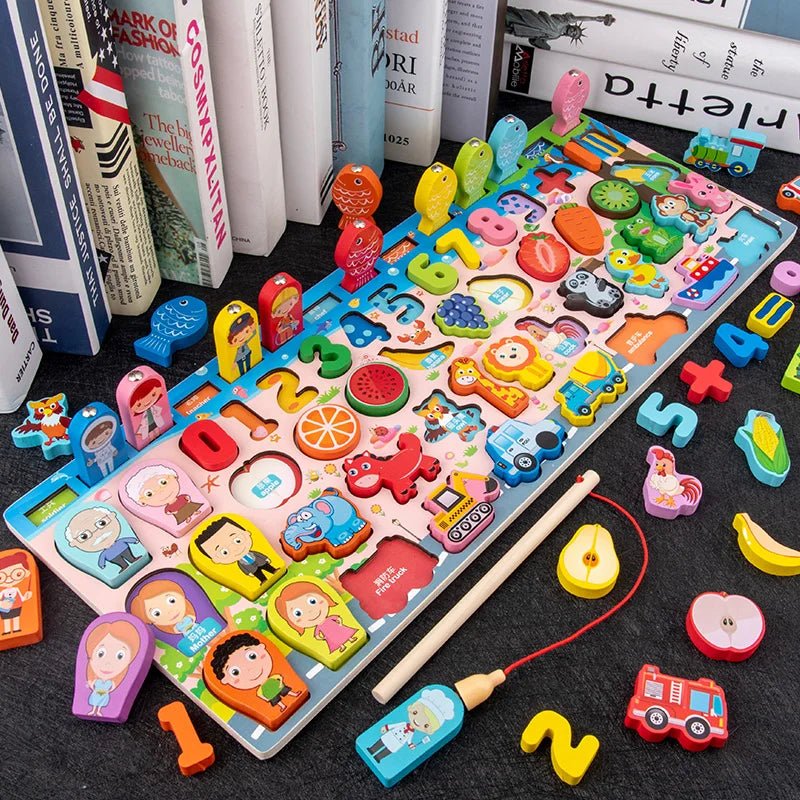
Confidence grows fast with hands on learning math using a wooden number shape matching toy — 💡 See it in action
Parents often combine this toy with calming routines from Sleep & Comfort and daily play structure for smoother learning days.
Mini FAQ
How long should kids play each day?
5–10 minutes daily is ideal for strong learning without overwhelm.
Is it safe for toddlers?
Yes, smooth wooden edges and sturdy pieces make it safe for supervised play.
Can it replace worksheets?
For early learners, hands on play often builds stronger understanding than paper drills.
Does it help with school readiness?
Absolutely — it improves number confidence, focus, and coordination needed for preschool success.
Related Guide: How to Teach Numbers Preschool With Simple Daily Steps





