

Wooden Toys Montessori That Keep Kids Learning Longer
Best Wooden Montessori Toys by Age and Development Stage
Choosing wooden toys montessori by your child's developmental stage helps create meaningful learning experiences. Rather than offering dozens of toys at once, Montessori environments encourage a small selection of purposeful materials that match a child's current abilities.
0–6 Months
- Wooden grasping rings
- Simple black-and-white wooden mobiles
- Smooth sensory rattles
At this stage, the goal is sensory exploration, visual tracking, and early hand control.
6–12 Months
- Object permanence boxes
- Wooden stacking rings
- Simple posting toys
These montessori learning toys encourage cause-and-effect understanding, coordination, and independent exploration.
Toddlers (1–3 Years)
- Shape sorters
- Wooden peg puzzles
- Simple counting boards
- Practical life activity sets
Toddlers benefit from activities that strengthen fine motor skills while encouraging concentration and problem solving.
Preschoolers (3–5 Years)
- Wooden math puzzles
- Alphabet boards
- Fraction puzzles
- Pattern blocks
These wooden educational toys for preschoolers build early literacy, logical thinking, and confidence before formal schooling begins.
Wooden Toys Montessori Review: What Parents Notice First
Parents often choose wooden toys montessori because they encourage independent learning without relying on lights, sounds, or batteries. High-quality montessori learning toys emphasize hands-on discovery, natural materials, and open-ended play that grows with a child's abilities. Instead of providing constant entertainment, they invite children to think, experiment, and solve problems at their own pace.
⏱ 6 min read
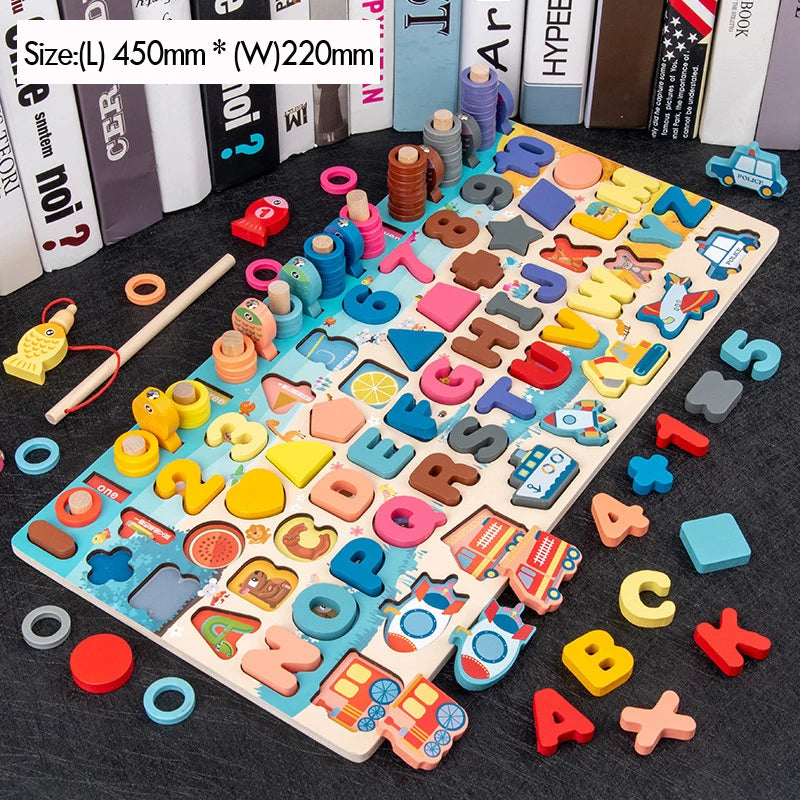
Wooden toys montessori that support calm play and early learning. See it in action.
Why Wooden Toys Fit Montessori Principles
What Makes a Toy Montessori?
Authentic Montessori toys are designed to help children learn through purposeful, self-directed activities. Rather than entertaining children with flashing lights or automated sounds, they encourage repetition, concentration, and independent problem solving.
Why Wooden Materials Matter
Wood naturally provides texture, weight, and durability that plastic often lacks. Many families prefer wooden materials because they feel pleasant to handle, withstand years of use, and support focused play without unnecessary distractions.
Common Marketing Myths
Not every wooden toy is automatically Montessori. A genuine Montessori-inspired toy should have a clear learning purpose, age-appropriate challenge, simple design, and opportunities for independent success. Bright branding alone does not make a toy educational.
Families browsing Baby Growth & Learning often discover activities that extend these Montessori principles into everyday routines.
Best Wooden Montessori Toys by Skill
Fine Motor Skills
Peg boards, threading toys, stacking blocks, and wooden puzzles strengthen hand muscles needed for writing, dressing, and daily activities.
Practical Life
Wooden dressing frames, simple kitchen tools, and sorting activities teach independence while improving coordination and confidence.
Sensory Play
Natural wood offers varied textures, temperatures, and weights that stimulate sensory development without overwhelming young learners. Many caregivers also combine these activities with products from Sensory Toys to create calming play environments.
Language & Math
Alphabet boards, counting puzzles, number rods, and sequencing activities help preschoolers develop foundational literacy and numeracy through hands-on learning.
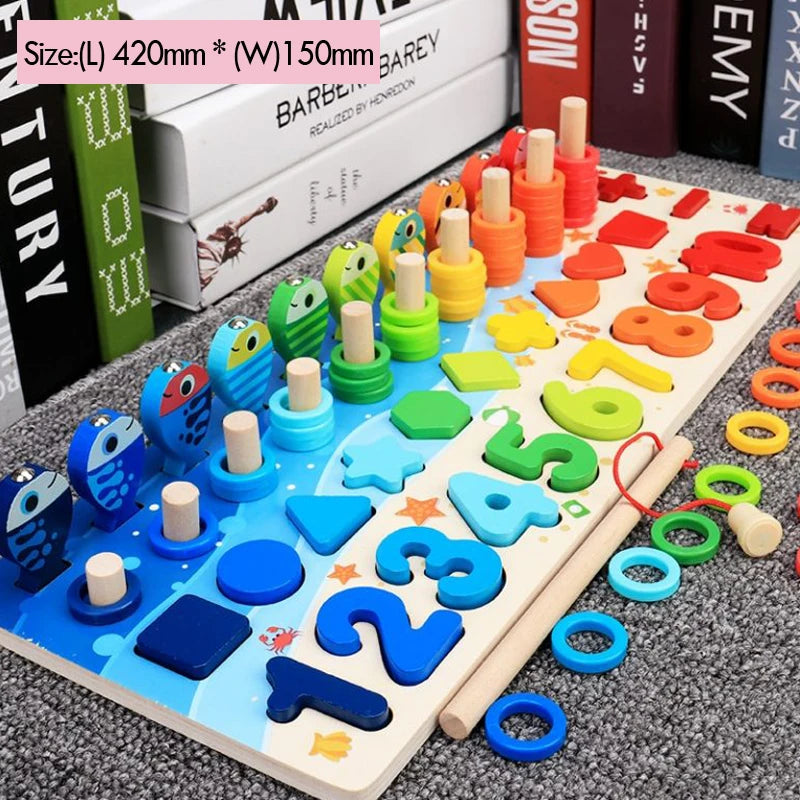
Montessori learning toys that grow with your child. See it in action.
Wooden Montessori Toys vs Plastic Toys
Learning Experience
Wooden Montessori toys emphasize exploration, concentration, and active learning, while many electronic plastic toys encourage passive button pressing and shorter attention spans.
| Feature | Wooden Montessori Toys | Plastic Toys |
|---|---|---|
| Learning experience | Open-ended, child-led exploration | Often guided by lights and sounds |
| Skill development | Fine motor skills, logic, independence | Entertainment-focused in many designs |
| Durability | Built for years of repeated use | May crack or wear more quickly |
| Safety | Quality non toxic wooden toys with safe finishes | Quality varies by manufacturer |
| Long-term value | Often passed to younger siblings | Frequently replaced as batteries or parts fail |
Safety
Safety depends on manufacturing quality rather than material alone. Choose products made from responsibly sourced wood with child-safe finishes and smooth edges.
Long-Term Value
Parents asking are montessori toys worth it often find that durable construction, timeless play value, and years of use offset the higher initial purchase price.
Many families exploring Health & Safety also prioritize durable materials that support safer everyday play.
How to Choose Safe Non-Toxic Wooden Montessori Toys
Materials and Finishes
Look for solid hardwood or high-quality plywood finished with water-based paints, food-safe oils, or non-toxic coatings.
Safety Certifications
Choose toys that comply with recognized toy safety standards appropriate for your region and age group.
Construction Quality
- Smooth edges without splinters
- Securely attached components
- Durable joinery
- Age-appropriate sizing to reduce choking risks
Care and Maintenance
Wipe wooden toys with a damp cloth, avoid prolonged soaking, and inspect them regularly for loose parts or damaged surfaces.
Pairing educational toys with healthy routines from Sleep & Comfort can help children establish calmer daily habits.
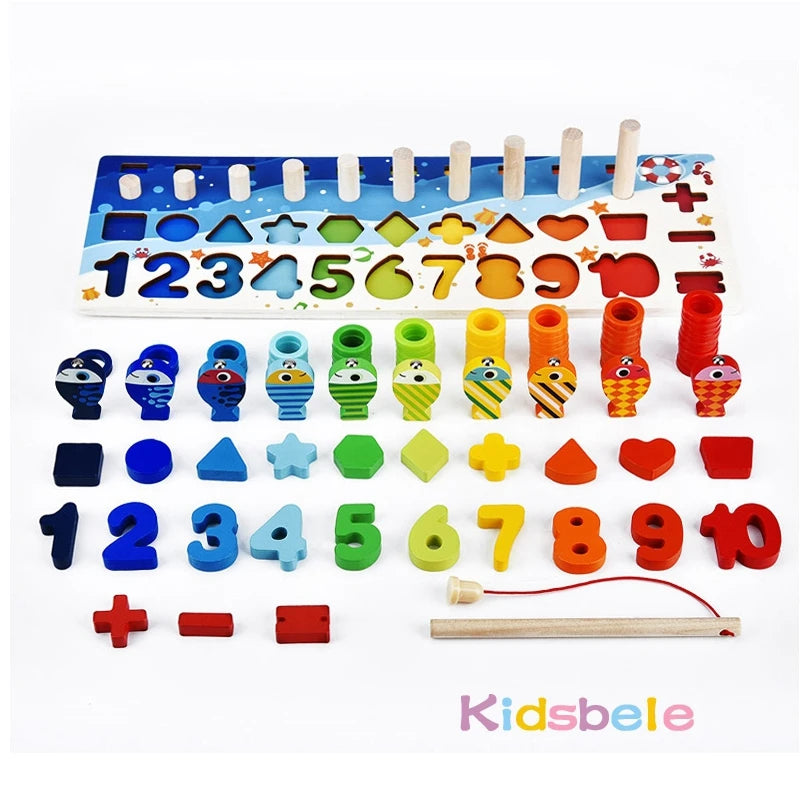
Wooden educational toys for preschoolers that inspire independent learning. See it in action.
Montessori Toys Reviews: What to Compare Before Buying
Quality
Examine the craftsmanship, wood quality, finish, and durability instead of focusing only on appearance.
Educational Value
Choose toys that teach one primary concept well rather than combining multiple distracting features into a single product.
Price
Higher prices do not always indicate better learning outcomes. Compare materials, construction, and developmental usefulness before purchasing.
Longevity
The best Montessori toys remain useful across multiple developmental stages and encourage increasingly complex play as children grow.
This Montessori wooden puzzle is a good example of a toy that supports counting, number recognition, and fine motor development while remaining engaging for preschool-aged learners.
Frequently Asked Questions
Are Montessori toys worth it?
For many families, yes. Well-designed Montessori toys often remain useful for years, encourage independent learning, and reduce toy clutter by supporting multiple types of play.
Why are wooden toys used in Montessori?
Wood provides natural texture, durability, and sensory feedback while minimizing unnecessary distractions, allowing children to focus on the activity itself.
Are non-toxic wooden toys safer?
Quality non toxic wooden toys made with child-safe finishes and appropriate safety testing are excellent choices. Always buy age-appropriate products from reputable manufacturers.
What are the best wooden educational toys for preschoolers?
Popular options include wooden math puzzles, alphabet boards, stacking toys, shape sorters, pattern blocks, and practical life activities that match a child's current abilities.
How many Montessori toys should a child have?
Many Montessori educators recommend offering a small rotation of carefully selected toys instead of keeping dozens available simultaneously. Rotating activities helps maintain interest and supports focused learning.
Related Guide: Preschool Education Toys Reviewed for Real Learning Results





