

Wooden Walker Safety Tips That Make Early Walking Safer
Fix Toddler Balance and Coordination Issues at Home
⏱ 7 min read
What helps improve toddler balance and coordination issues at home?
Toddler balance and coordination issues can often be improved at home through consistent movement play that builds core strength and body awareness. Using simple routines with motor development toys, an activity walker wood, or a wooden activity center helps toddlers practice standing, stepping, and reaching safely while boosting confidence and control.
Toddler balance and coordination issues can feel worrying, especially when your child seems eager to move but stumbles more than expected. Many parents wonder if they should step in more, change play routines, or look for better tools at home. The good news is that everyday play—done intentionally—can support stability, timing, and smoother movement without stress or pressure.
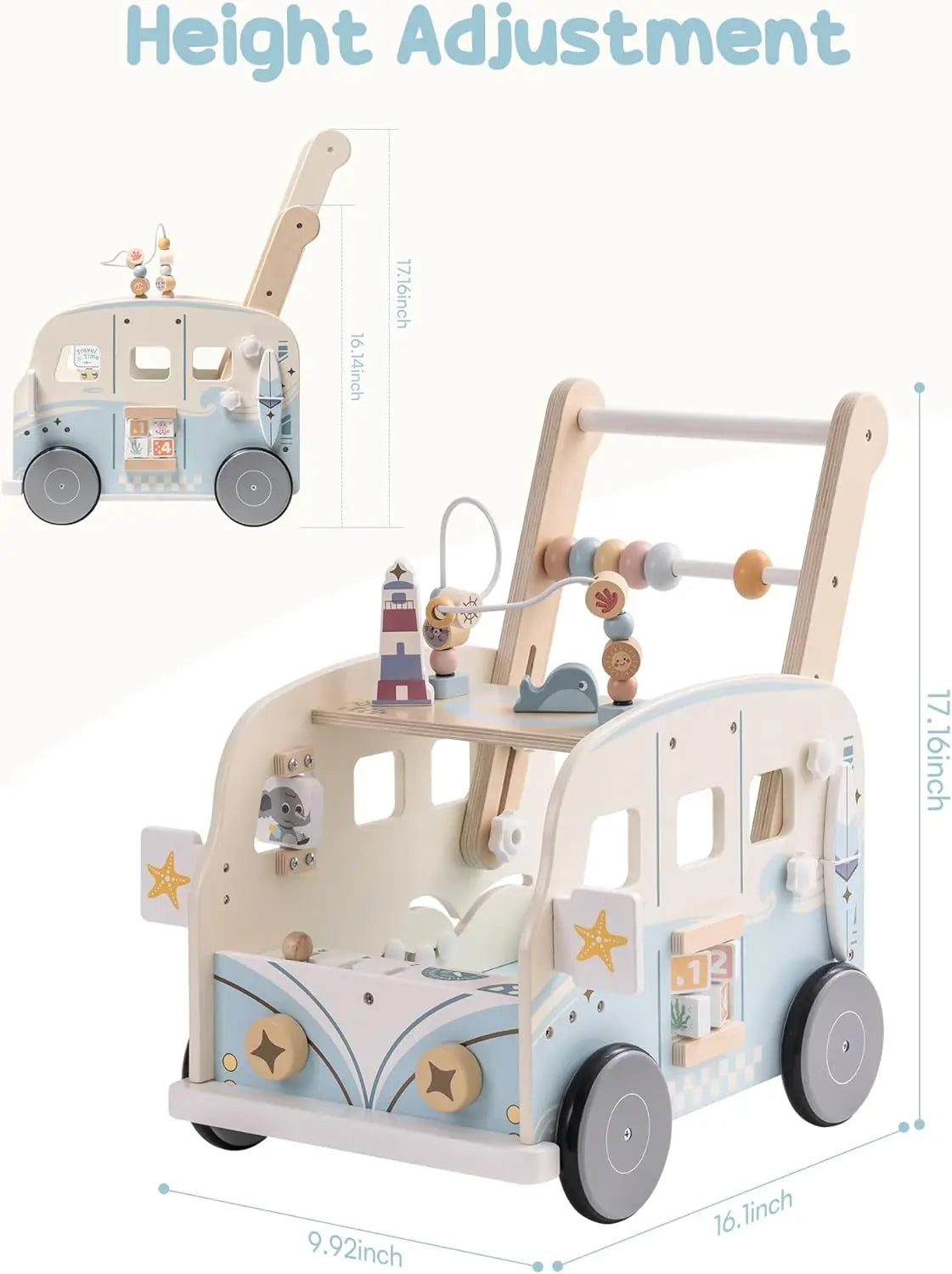
Motor development toys help toddler balance and coordination issues through play 💡 See it in action
Why Do Toddler Balance and Coordination Issues Happen?
Toddler balance and coordination issues are often part of natural development. Muscles, joints, and the nervous system grow at different speeds, so movement can look uneven for a while. Growth spurts, new walking stages, or limited movement opportunities indoors can all affect stability.
- Core muscles are still developing
- Brain-body communication is still forming
- Limited safe space to practice movement
- Too much passive sitting time
Supportive movement play gives toddlers the repetition they need to improve without forcing milestones.
Early Signs Parents Often Notice
Some toddlers walk early but struggle with control, while others hesitate to move. Common signs include frequent falls, wide-legged walking, difficulty turning, or avoiding climbing and pushing toys.
These signs don’t automatically mean something is wrong. They often signal a need for more guided movement experiences using tools designed for balance training.
Step-by-Step: Improve Balance at Home
How can parents help toddlers practice balance daily?
Toddler balance and coordination issues improve best with short, consistent activities that encourage standing, stepping, and reaching. Focus on safe repetition rather than perfection.
- Clear a small, safe play zone indoors
- Encourage standing play at chest height
- Use push-and-hold toys for support
- Practice slow movement, not speed
Many families find that combining free play with structured tools from Baby Growth & Learning helps toddlers gain confidence faster.
How the Right Toys Support Motor Skills
Do motor development toys really help coordination?
Toddler balance and coordination issues respond well to toys that invite active movement instead of passive entertainment. Motor development toys encourage toddlers to shift weight, engage core muscles, and coordinate hands and feet naturally.
| Toy Type | How It Helps |
|---|---|
| Wooden activity center | Promotes standing stability and reaching |
| Activity walker wood | Supports controlled stepping and balance |
| Sensory toys | Improves body awareness and coordination |
Exploring options from Mobility & Training can make at-home practice feel like play instead of exercise.
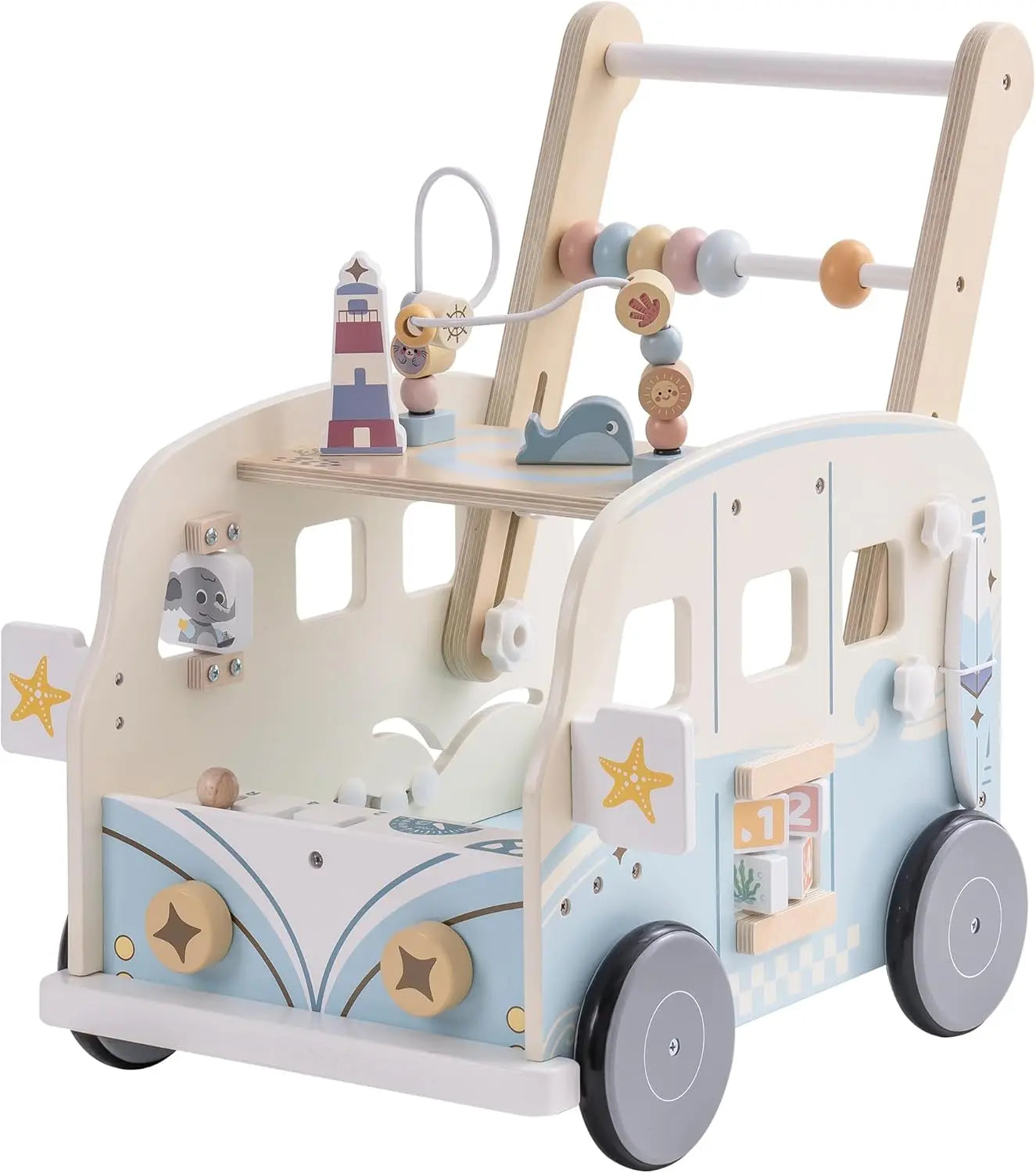
An activity walker wood supports toddler balance and coordination issues 💡 See it in action
Using a Wooden Walker Safely at Home
Is an activity walker wood safe for balance practice?
Toddler balance and coordination issues can benefit from an activity walker wood when used correctly. These walkers provide resistance and stability, helping toddlers practice stepping while staying upright.
- Choose walkers with wide, sturdy bases
- Use on flat, non-slip floors
- Supervise without constantly holding
- Limit sessions to short play bursts
A well-designed wooden walker like this option fits naturally into daily routines without overstimulation.
Build a Simple Daily Play Routine
Consistency matters more than duration. Just 10–15 minutes of focused movement play can support coordination development over time.
- Morning: standing play at a wooden activity center
- Afternoon: short push-walker sessions
- Evening: calm sensory play for body awareness
Parents often pair these routines with items from Sensory Toys to keep toddlers engaged without overwhelm.
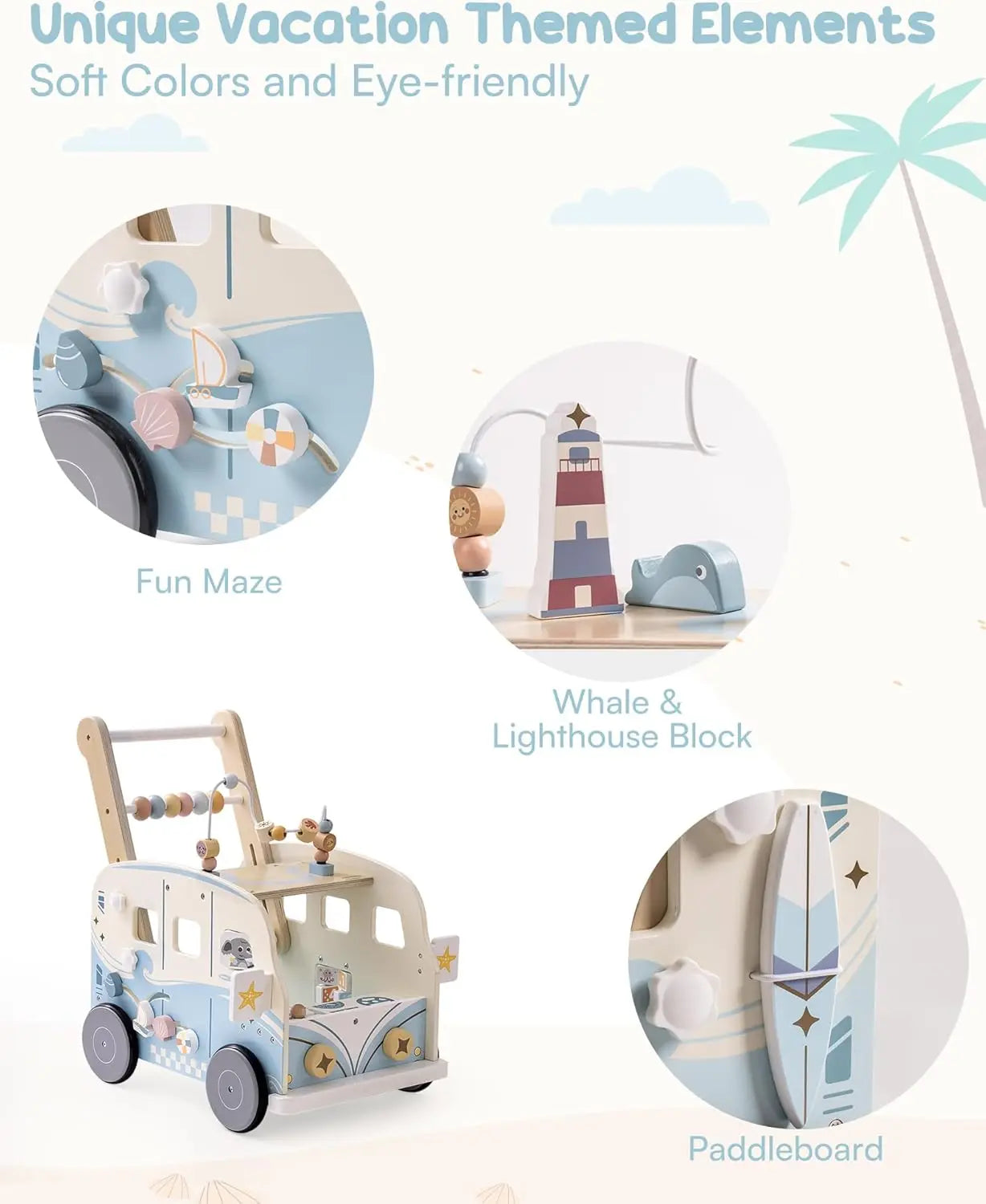
A wooden activity center helps reduce toddler balance and coordination issues 💡 See it in action
Safety Tips for Indoor Balance Practice
Safety builds confidence. Toddlers move better when they feel secure.
- Use non-slip socks or bare feet
- Remove sharp furniture edges
- Stay nearby without over-correcting
- Choose sturdy, tested wooden toys
Many families prioritize safer setups using essentials from Health & Safety.
Mini FAQ
Are toddler balance and coordination issues normal?
Yes. Many toddlers experience balance challenges as muscles and coordination develop. With consistent play and supportive tools, most improve steadily at home.
How long does it take to see improvement?
Small changes often appear within weeks when toddlers practice daily movement play for short, focused sessions.
Do wooden toys work better than plastic ones?
Wooden toys tend to be heavier and more stable, which can help toddlers practice controlled movement more safely.
Related Guide: Non Scratching Baby Walker Wheels That Protect Floors





