

Woodland Family Role Play for Kids Who Love Nature Stories
What is woodland family role play and why do kids love it?
Woodland family role play invites children into gentle forest stories where animals live, work, and care for one another. Using woodland family role play, kids practice language, empathy, and problem-solving through calm, screen-free storytelling that feels cozy, familiar, and endlessly flexible.
Woodland Family Role Play for Kids Who Love Nature Stories
⏱ 7 min read
Woodland family role play sparks curiosity from the very first moment, inviting kids into cozy forest stories that blend creativity with calm learning. These imaginative play activities for preschoolers quietly build language, empathy, and problem-solving while screens stay far away. Parents often overlook the real benefits of pretend play, especially when paired with miniature dollhouse furniture sets that feel real and open-ended. What unexpected skills might your child discover next?
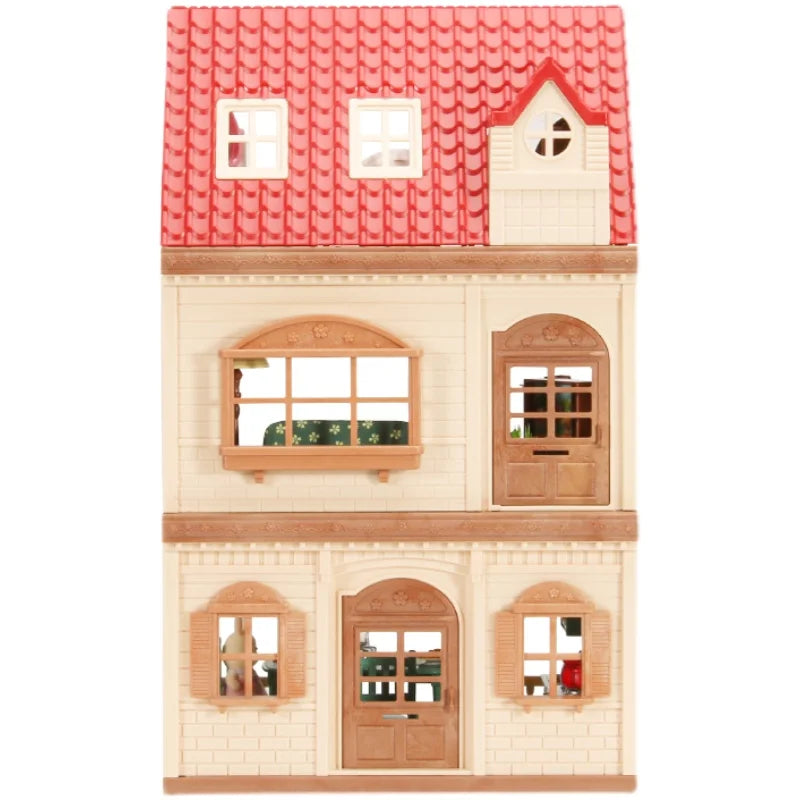
Woodland family role play inspires imaginative play activities for preschoolers — 💡 See it in action
Why Woodland Family Role Play Feels So Comforting
Woodland family role play creates a familiar emotional rhythm for young children. Forest homes, animal families, and shared meals reflect everyday life but remove pressure. There’s no “right” storyline, only space to explore feelings safely.
This style of play is especially helpful for children who feel overwhelmed by loud, fast toys. Soft narratives help them slow down and stay engaged longer.
- Stories feel predictable yet flexible
- Characters model cooperation and care
- Nature themes reduce overstimulation
- Children control the pace of play
What Are the Benefits of Pretend Play in a Woodland Setting?
Woodland family role play supports emotional growth, communication, and independent thinking through storytelling. When children act out forest-life routines, they practice empathy, sequencing, and flexible problem-solving in a low-pressure way that mirrors real social situations.
Key developmental gains parents often notice
- Stronger vocabulary from repeated storytelling
- Improved emotional expression through characters
- Longer attention spans during solo play
- Better cooperation during shared play
Many families pair pretend play with other calming activities found in Baby Growth & Learning to create balanced daily routines.
Imaginative Play Activities for Preschoolers That Grow With Them
Imaginative play activities for preschoolers work best when toys don’t dictate the story. Woodland family role play sets evolve as children grow, shifting from simple naming games to layered storytelling.
- Toddlers explore textures, colors, and names
- Preschoolers act out family routines
- Older kids build complex storylines
- Siblings collaborate across age levels
Because stories change daily, these sets stay relevant far longer than single-purpose toys.
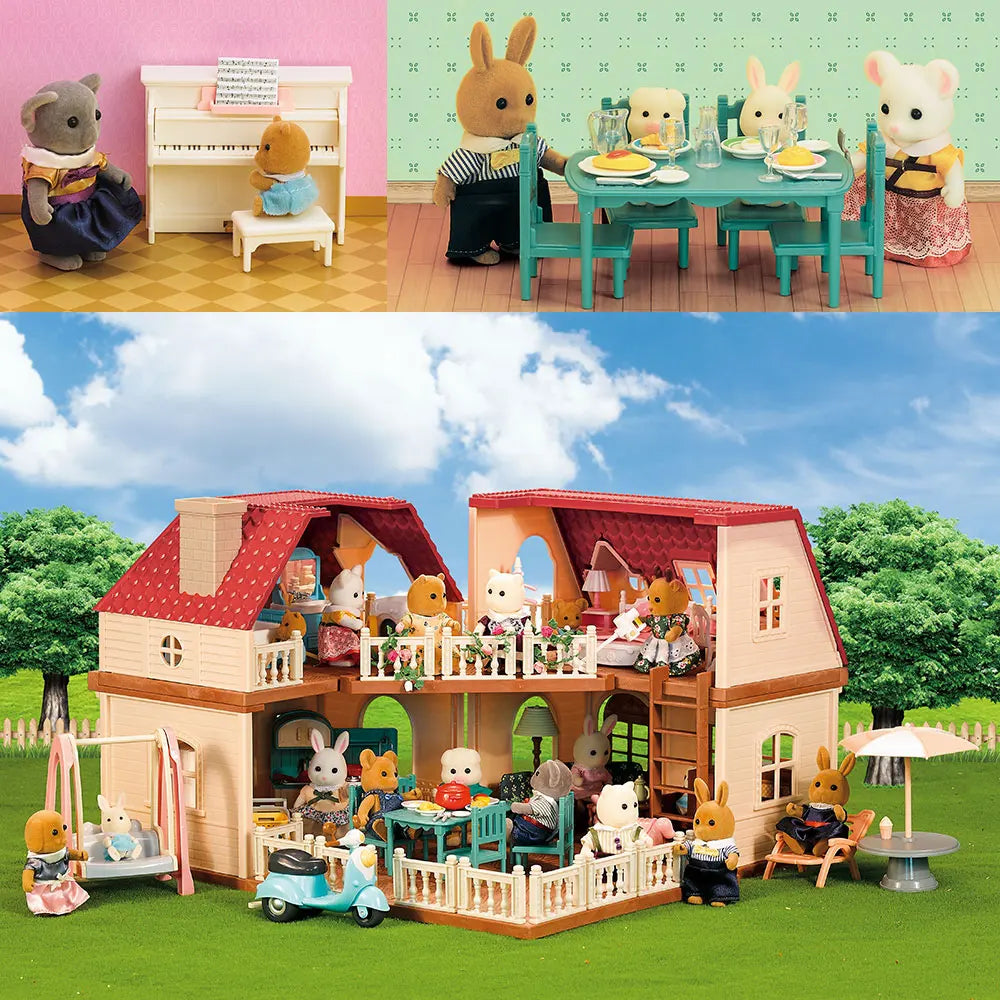
Imaginative play activities for preschoolers using woodland family role play — 💡 See it in action
Why Miniature Dollhouse Furniture Sets Make Stories Feel Real
Miniature dollhouse furniture sets anchor pretend play in reality. Tiny beds, tables, and kitchen pieces give children familiar reference points, helping stories flow naturally without adult guidance.
In woodland family role play, furniture becomes part of the narrative rather than decoration.
| With Furniture | Without Furniture |
|---|---|
| Clear story structure | Shorter play sessions |
| Independent play increases | More adult prompting needed |
| Daily routines reinforced | Less real-world connection |
The forest family dollhouse furniture set blends smoothly into existing play spaces, making it easy for kids to start stories on their own.
Turning Everyday Routines Into Forest Stories
One reason parents love woodland family role play is how naturally it mirrors daily life. Children rehearse real routines through animal characters, making transitions easier.
- Morning routines become forest breakfast scenes
- Cleanup turns into “tidying the woodland home”
- Bedtime stories reflect calming evening rituals
Families often combine role play with calming products from Sleep & Comfort to create smoother evenings.
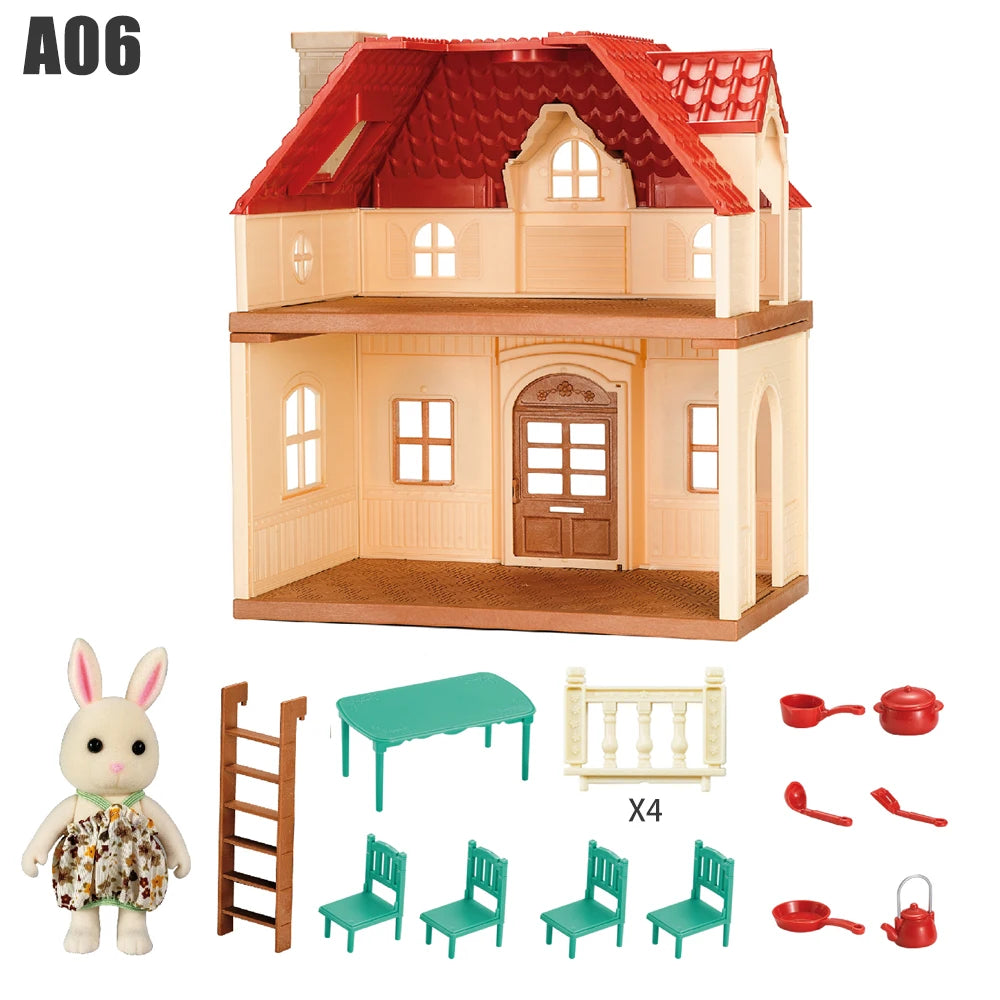
Miniature dollhouse furniture sets bring woodland family role play to life — 💡 See it in action
How to Choose the Right Woodland Family Role Play Set
Woodland family role play works best when materials feel durable, safe, and open-ended. Look for sets that encourage creativity without overwhelming children.
- Smooth, child-safe materials
- Neutral colors inspired by nature
- Furniture scaled for small hands
- Characters with gentle expressions
Parents exploring sensory-rich options often browse Sensory Toys alongside role play sets for balanced development.
What Parents Notice After a Few Weeks
Parents frequently share that woodland family role play becomes a daily anchor activity. Children return to the same characters to process new emotions or events.
Common feedback includes:
- More independent play time
- Improved storytelling skills
- Calmer transitions between activities
- Less reliance on screens
Many families say the forest family dollhouse furniture set quickly becomes a favorite because stories never feel finished.
Mini FAQ
Is woodland family role play suitable for solo play?
Yes. Woodland family role play encourages independent storytelling, helping children stay engaged without constant adult involvement.
What age benefits most from woodland role play?
Children ages 3–7 gain the most, though older kids often expand stories with more complex narratives.
How does pretend play support emotional growth?
Pretend play allows children to explore feelings safely through characters, strengthening empathy and communication.
Do miniature dollhouse furniture sets limit creativity?
No. They provide structure while still allowing endless story variations.
Related Guide: Imaginative Play for Children Who Need Structure and Creativity





