

Baby Led Weaning Utensil Guide for Stress Free First Meals
What is the best baby led weaning utensil guide for stress-free first meals?
The baby led weaning utensil guide helps parents choose safe, easy-to-grip tools that reduce mess and support independence. By using an infant spoon and fork set designed for small hands, a newborn messy eater can practice control, build confidence, and strengthen self feeding skills development from the very first bites.
Baby Led Weaning Utensil Guide for Stress Free First Meals
⏱ 6 min read — This baby led weaning utensil guide is designed for parents who want calmer, cleaner, and more confident first meals. Choosing the right tools can make a real difference for a newborn messy eater, especially when an infant spoon and fork set is sized for small hands and mouths. The right utensils don’t just reduce spills, they actively support self feeding skills development and independence.
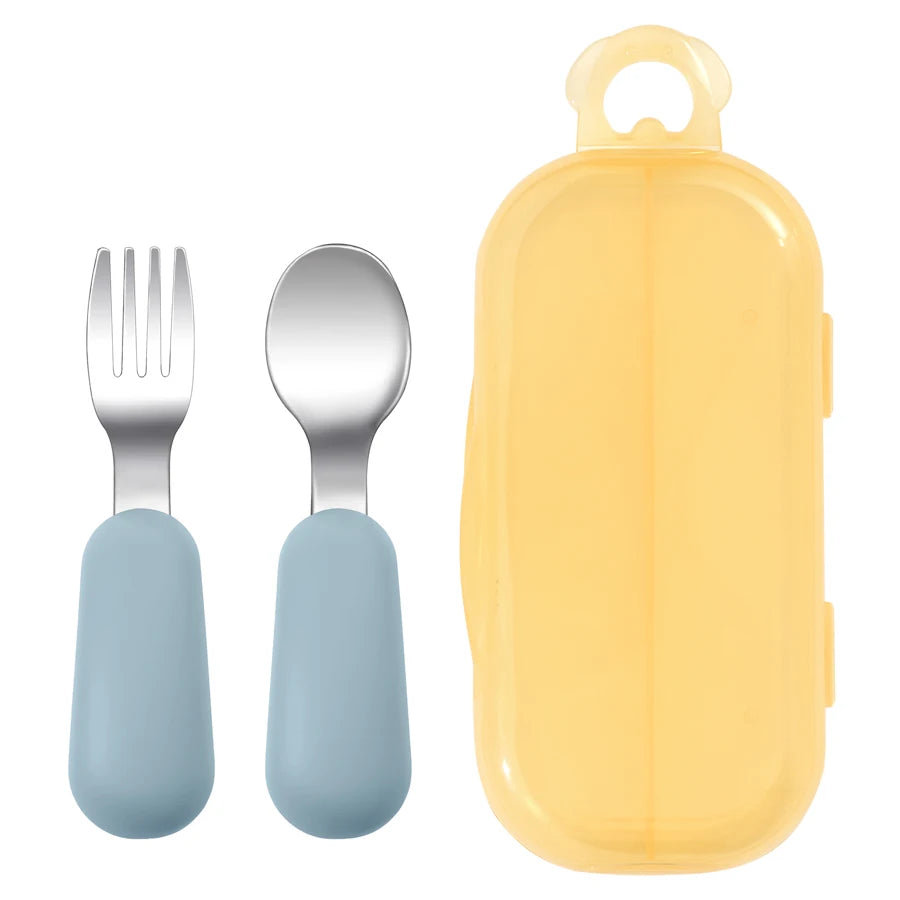
A closer look at a baby led weaning utensil guide in action with an infant spoon and fork set 💡 See it in action
Why the Right Utensils Matter for Baby Led Weaning
Baby led weaning is about more than letting your child explore food. The utensils you offer shape how confidently your baby learns to scoop, stab, and bring food to their mouth. Poorly designed tools can frustrate a newborn messy eater and turn meals into daily battles.
- Proper grip encourages natural hand movements.
- Soft, safe materials protect gums and early teeth.
- Balanced weight helps babies control motion.
- Simple shapes reduce spills and dropped food.
Many parents browsing Feeding Tools discover that utensils made specifically for baby led weaning dramatically reduce stress and cleanup time.
Common First-Meal Challenges Parents Face
Which feeding challenge sounds familiar? Slippery spoons, food flying everywhere, or a baby who wants to try but can’t quite get it right?
- Utensils too large for tiny hands.
- Hard edges that cause discomfort.
- Overwhelming choices that leave parents unsure.
- Fear around safety and choking.
These concerns often lead parents to delay utensil use, but the right baby led weaning utensil guide shows that early exposure builds skill, not chaos.
How to Choose the Best Infant Spoon and Fork Set
The baby led weaning utensil guide focuses on matching tools to your baby’s developmental stage. The goal is progress, not perfection.
Direct answer: A good baby led weaning utensil guide recommends an infant spoon and fork set with short handles, rounded tips, and non-slip grips. These features help a newborn messy eater practice control while safely building self feeding skills development.
| Feature | Why It Helps |
|---|---|
| Short, thick handles | Easier grip for small hands |
| Rounded fork tips | Safer food piercing |
| Soft silicone material | Gentle on gums |
| Lightweight design | Better control, less dropping |
Parents often pair utensils with supportive items from Baby Care Essentials to create a smoother feeding routine.
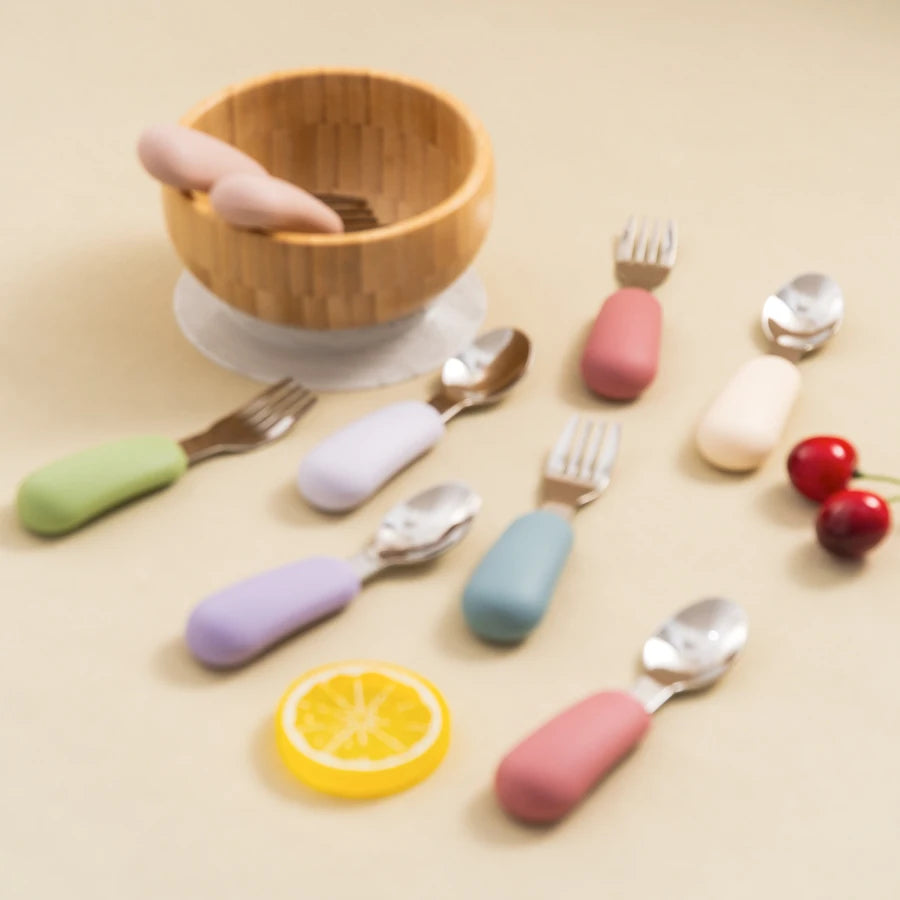
Mid-meal practice with an infant spoon and fork set supporting self feeding skills 💡 See it in action
Step-by-Step: Introducing Utensils the Stress-Free Way
Direct answer: The baby led weaning utensil guide suggests introducing utensils gradually, allowing babies to explore at their own pace. This approach reduces frustration, supports coordination, and helps a newborn messy eater gain confidence without pressure.
- Start with one utensil during a familiar meal.
- Demonstrate simple scooping or poking motions.
- Let your baby hold and explore freely.
- Celebrate attempts, not just success.
Consistency matters more than speed. Many parents notice improvement within weeks when utensils are always available.
Pairing Utensils With the Right Mealtime Environment
Utensils work best when combined with a supportive setup. Stable seating, calm pacing, and easy-to-clean surfaces all help.
- Non-slip bowls from Feeding & Nursing
- Comfortable seating from Baby Growth & Learning
Safety, Cleaning, and Daily Care Tips
Safety is a top concern for every parent starting baby led weaning. Choosing quality utensils simplifies daily care.
- Inspect utensils regularly for wear.
- Wash with warm, soapy water after each meal.
- Store in a clean, dry place.
- Use sterilization tools from Sterilization Devices if preferred.
Soft silicone utensils dry quickly and resist odors, making them ideal for busy households.
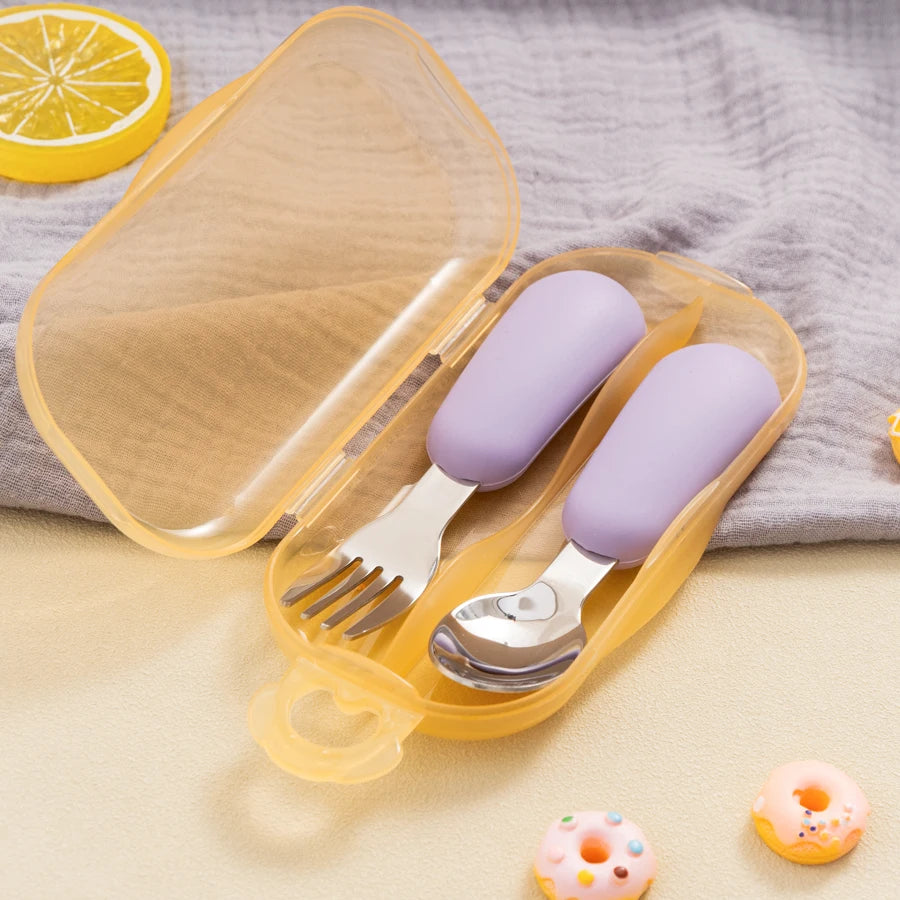
Easy cleaning and safe storage for a baby led weaning utensil guide 💡 See it in action
Real Parent Results and Everyday Wins
Parents often share that the right infant spoon and fork set turns stressful meals into bonding moments. One parent noted fewer tears and faster progress after just two weeks of consistent use.
- Less food dropped on the floor.
- More independent eating attempts.
- Shorter mealtimes.
- Greater confidence for both baby and parent.
Get yours now — limited stock!
Quick FAQ for New Parents
When should I introduce utensils during baby led weaning?
Most babies can explore utensils once they sit independently and show interest in food, often around six months.
How many utensils does my baby need?
One spoon and one fork are enough to start. Extras help during busy days or travel.
Are silicone utensils better for a newborn messy eater?
Yes, silicone is gentle, flexible, and easier for babies to control, making it ideal for early self feeding skills development.
What else supports successful baby led weaning?
Pair utensils with supportive items from Feeding & Nursing Tips to create a calm, consistent routine.
Related Guide: How to Teach Toddler Self Feeding Step by Step at Home





