

Do baby self-feeding struggles really get easier with the right tools?
Baby self-feeding struggles often improve faster when parents use age-appropriate tools designed for grip, safety, and mess control. Choosing an ergonomic baby feeder for self-feeding, paired with practical tips for baby self-feeding, helps an infant self feeder build confidence, reduce spills, and enjoy mealtime independence sooner.
Baby Self-Feeding Struggles: Best Products Parents Recommend
⏱ 5 min read
Baby self-feeding struggles can make even the most patient parents feel overwhelmed. One day your baby is curious about food, the next day it’s spills, gagging, and food everywhere. The good news? Parents who’ve been there agree that the right tools, paired with realistic expectations, can turn chaotic meals into confident learning moments.
Explore gentle feeding solutions trusted by families learning together.
Why Baby Self-Feeding Feels So Hard at First
Baby self-feeding struggles are completely normal. Babies are learning multiple skills at once: hand-eye coordination, chewing, swallowing, and sensory processing. Add slippery foods and oversized utensils, and frustration is almost guaranteed.
Many parents worry they’re doing something wrong. In reality, self-feeding is a developmental process that takes time, patience, and supportive tools that match small hands and sensitive mouths.

Baby self-feeding struggles are easier with the right tools — 💡 See it in action
What Are the Most Common Baby Self-Feeding Struggles?
Baby self-feeding struggles usually show up in predictable ways. Recognizing them helps parents choose smarter solutions instead of guessing.
- Food slipping out of baby’s hands
- Gagging on new textures
- Excessive mess and frustration
- Refusal to hold spoons or feeders
- Parents feeling anxious about choking
These challenges don’t mean your baby isn’t ready. They usually mean the tools aren’t designed for early independence.
Parent-Recommended Tools That Actually Help
Parents consistently recommend products that balance safety, grip, and exploration. The goal isn’t perfect eating — it’s confident practice.
Ergonomic Baby Feeder for Self-Feeding
An ergonomic baby feeder for self-feeding supports natural hand movements and limits how much food enters the mouth at once. This reduces choking anxiety and builds trust for both baby and parent.
Soft Silicone for Sensitive Gums
Soft silicone feeders are gentle on gums, especially during teething. Parents appreciate how these feeders allow babies to explore flavors without biting off more than they can handle.
Many families pair feeders with items from Feeding Tools to create a smoother mealtime routine.
Simple guidance can prevent frustration before it starts.
Why Parents Love This Silicone Fruit Feeder
Baby self-feeding struggles decrease when babies feel in control. Parents report that this silicone fruit feeder gives babies independence without overwhelming them, thanks to its easy-grip handle and controlled food flow.
This infant self feeder is especially popular for introducing fruits, steamed veggies, and frozen treats for teething relief.
Silicone Baby Fruit Feeder is frequently praised for:
- Easy cleaning and dishwasher-safe design
- Soft silicone that protects gums
- Ergonomic shape for tiny hands
- Reduced choking risk compared to loose finger foods
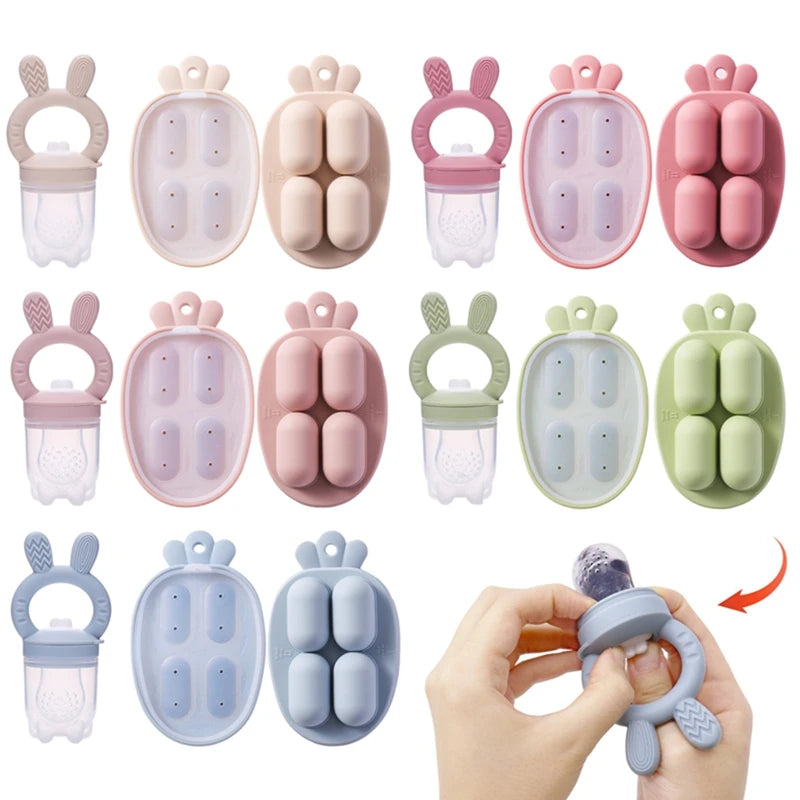
An ergonomic baby feeder for self-feeding builds confidence — 💡 See it in action
How Does It Compare to Other Self-Feeding Options?
| Option | Ease of Grip | Mess Control | Safety Level |
|---|---|---|---|
| Silicone Fruit Feeder | High | High | Very High |
| Traditional Spoon | Low | Low | Medium |
| Loose Finger Foods | Medium | Very Low | Low |
This comparison helps explain why parents dealing with baby self-feeding struggles often start with a feeder before moving to open foods.
Practical Tips for Baby Self-Feeding Success
Tools matter, but technique matters too. Parents who see the biggest improvements follow these tips for baby self-feeding:
- Start when baby can sit upright with support
- Offer one food at a time to avoid overwhelm
- Expect mess — it’s part of learning
- Eat together so baby can imitate
- Use calm encouragement, not pressure
Combining these habits with supportive items from Baby Growth & Learning helps babies develop motor skills alongside feeding independence.
Parents report less stress and happier meals with the right feeder.
Real Parent Stories & Results
Parents often share similar before-and-after experiences. One mom noted her baby went from refusing solids to actively reaching for the feeder within a week. Another parent shared that gagging episodes dropped noticeably once food portions were controlled.
Across dozens of reviews, families mention feeling more relaxed knowing their infant self feeder supports safe exploration instead of rushed eating.
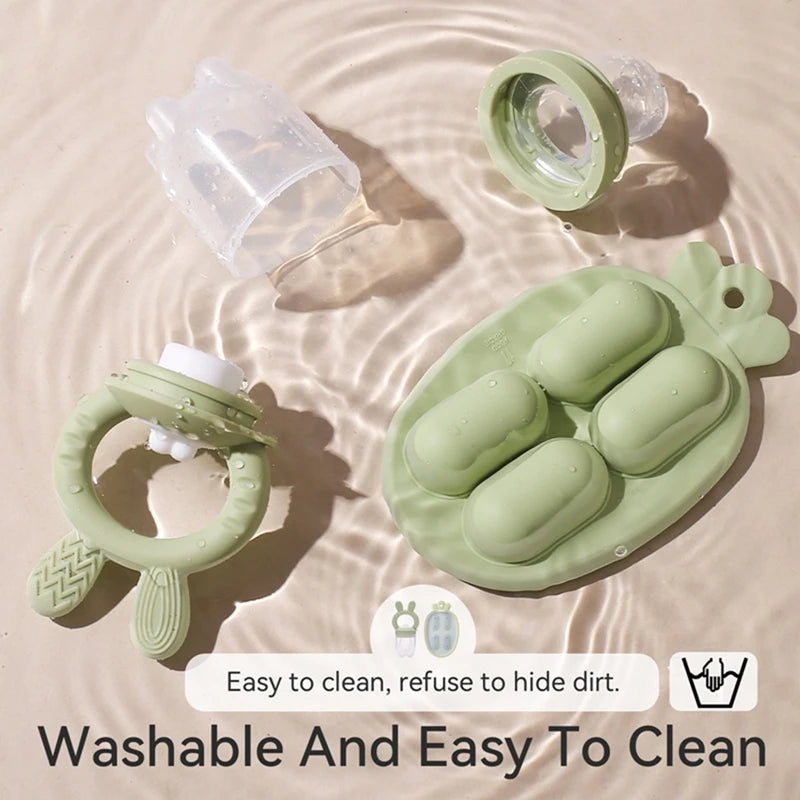
Infant self feeder moments that build independence — 💡 See it in action
Quick FAQs About Baby Self-Feeding
When should I introduce self-feeding?
Most babies show readiness between 6–9 months when they can sit with support and bring objects to their mouth.
Are feeders safer than finger foods?
For early stages, feeders often feel safer for parents because they limit food size while still allowing exploration.
How do I reduce mess during self-feeding?
Use controlled feeders, offer small portions, and expect mess as part of learning rather than a problem.
Final thought: Baby self-feeding struggles don’t last forever. With patience, realistic expectations, and parent-recommended tools like a well-designed silicone feeder, mealtime can become a moment of growth instead of stress.
Related Guide: Infant Choking Hazards: In-Depth Product Reviews and Safety Ratings





