

Best Self Feeding Tips Toddlers Can Master at Home
What are the best self feeding tips toddlers can master at home?
The best self feeding tips toddlers can master focus on simple routines, age-appropriate infant feeding utensils, and confidence-building practice. Using a silicone feeding set with easy-grip tools helps reduce frustration, support coordination, and solve common worries like a month old not feeding self, making mealtimes calmer and more independent.
Best Self Feeding Tips Toddlers Can Master at Home
⏱ 7 min read
Mealtimes can feel overwhelming when your toddler wants independence but lacks the coordination to self-feed confidently. Spills, refusals, and worries about a month old not feeding self are common concerns. The good news? With the best self feeding tips toddlers can truly master at home, small adjustments in tools and routines can transform chaos into calm, confident meals.
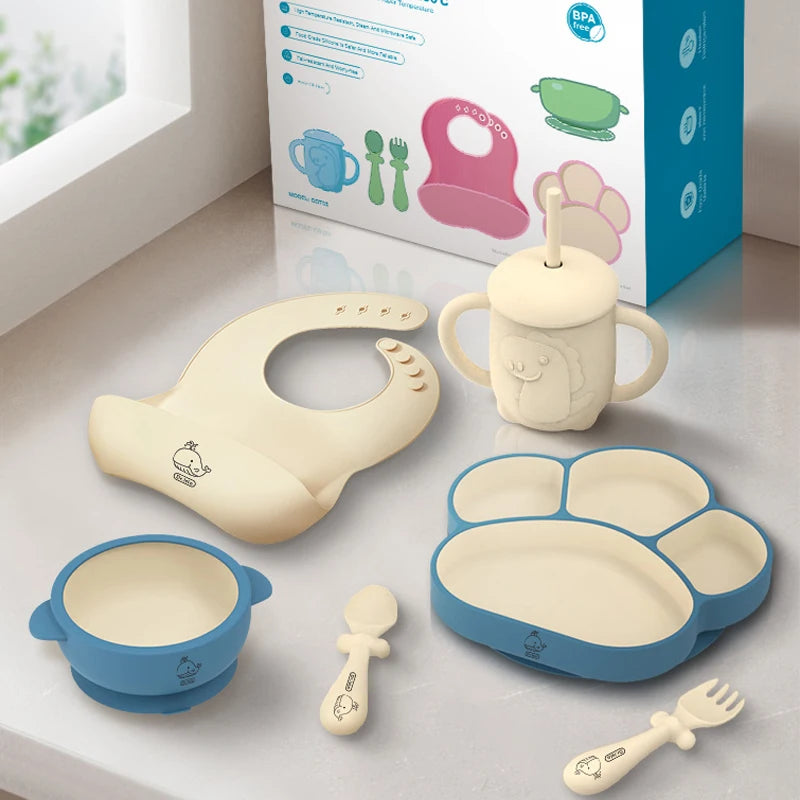
Best self feeding tips toddlers can practice daily using infant feeding utensils — 💡 See it in action
Why Self-Feeding Builds Confidence Early
Self-feeding is more than a milestone. It strengthens fine motor skills, hand-eye coordination, and decision-making. When toddlers control their bites, they feel proud and capable, which often leads to better eating habits and fewer power struggles.
Experts in Baby Growth & Learning emphasize that early independence supports emotional development just as much as physical skills.
Common Toddler Self-Feeding Challenges Parents Face
- Messy floors and clothes after every meal
- Utensils slipping from tiny hands
- Refusal to try new textures
- Concern about a month old not feeding self
These challenges are normal. The key is matching expectations with the right support and tools.
Best Self Feeding Tips Toddlers Can Practice Daily
The best self feeding tips toddlers benefit from focus on consistency, patience, and smart setup. Start with short meals, let your child explore food safely, and avoid rushing. Using stable dishes and easy-grip utensils builds confidence faster.
- Serve soft, easy-to-grab foods first
- Offer utensils designed for small hands
- Eat together to model behavior
- Praise effort, not perfection
How the Right Tools Make Self-Feeding Easier
Choosing proper infant feeding utensils reduces frustration. A well-designed silicone feeding set provides grip, stability, and safety, helping toddlers focus on eating instead of struggling.
Parents browsing Feeding & Nursing often notice that soft silicone bowls with suction bases prevent spills, while lightweight spoons encourage independent scooping.
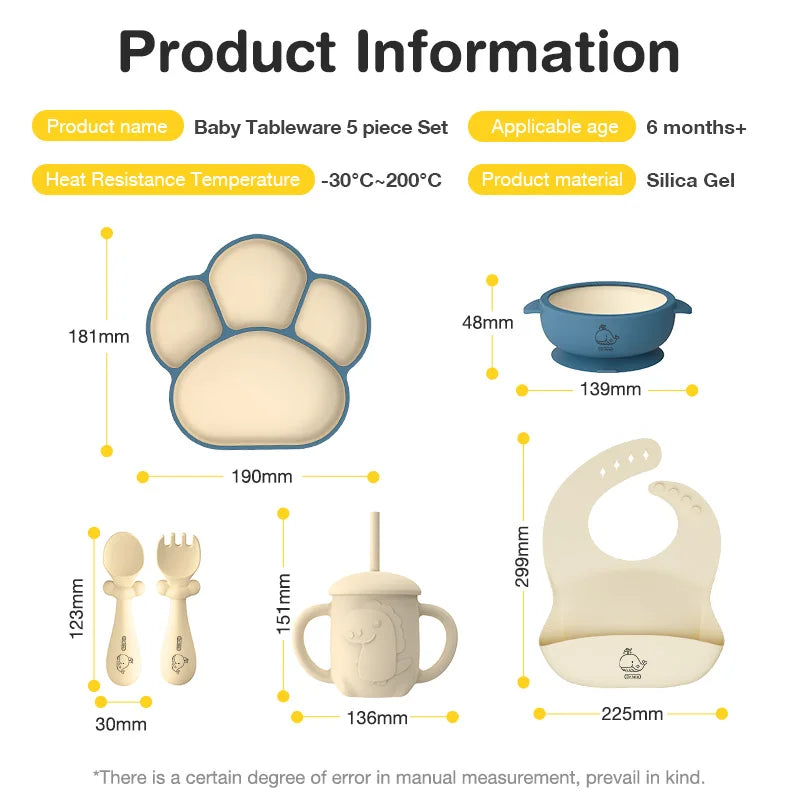
Using a silicone feeding set supports toddler self feeding — 💡 See it in action
Why Silicone Beats Traditional Plastic
- Gentle on gums and developing teeth
- Non-slip texture for better control
- Easy to clean and durable
- Free from harsh chemicals
Many families choose a complete set like the children’s silicone tableware set to keep everything consistent and toddler-friendly.
Step-by-Step Guide to Teaching Self-Feeding
- Start with one utensil and one food type
- Demonstrate slow, simple movements
- Allow exploration, even if messy
- Gradually introduce variety and textures
Short, positive practice sessions work better than long meals. Pairing feeding time with sensory play ideas from Sensory Toys can also improve comfort with textures.
Comparing Feeding Tool Options
| Feature | Silicone Feeding Set | Standard Plastic |
|---|---|---|
| Grip | Excellent | Limited |
| Safety | Soft, flexible | Hard edges |
| Durability | High | Medium |
Real Parent Experiences
“Once we switched to better infant feeding utensils, our toddler stopped throwing the spoon and actually finished meals,” shares a parent of a 14-month-old. Another notes fewer spills and calmer dinners within a week.
These stories reflect how small changes lead to big improvements.
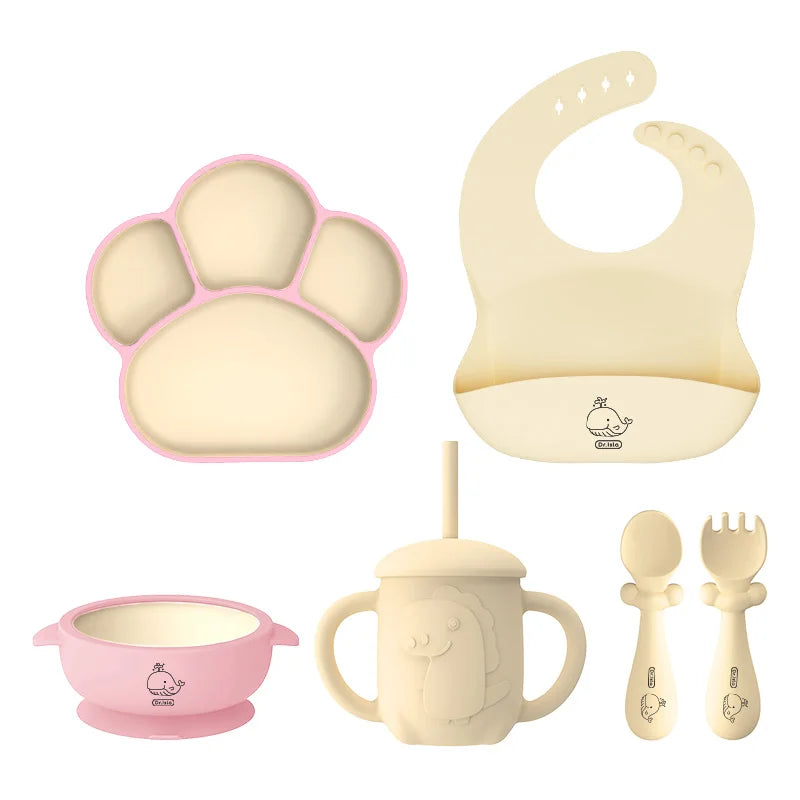
Toddler mealtime tips using the best self feeding tips toddlers love — 💡 See it in action
Self-Feeding FAQs
Is it normal for a month old not feeding self?
Yes. Very young babies rely on caregivers. Focus on exploration and safe exposure rather than independence at this stage.
How many utensils should I offer?
Start with one spoon or fork to avoid overwhelm, then add more as skills improve.
What helps reduce mess?
Suction bowls, bibs, and stable seating from Feeding Tools help contain spills while toddlers learn.
Related Guide: How to Encourage Toddler Eating Without Power Struggles





