

Cotton Muslin Burp Cloths Compared: Which Ones Are Worth Buying
Finding the perfect cotton muslin burp cloth can transform messy feeding moments into stress-free routines. From muslin baby bib and burp cloth sets to durable muslin baby feeding bibs, these soft essentials protect your clothes while keeping your little one comfortable. Many sets even come with 3 burp cloths for maximum convenience. But which brands truly deliver on quality and longevity, and which ones fall short of expectations? Keep reading to uncover the surprising winners that every parent swears by.
Does a cotton muslin burp cloth really make feeding easier?
A cotton muslin burp cloth is a soft, absorbent essential that keeps both baby and parent clean during feedings. Muslin baby bib and burp cloth sets, including durable muslin baby feeding bibs, provide comfort, easy cleanup, and long-lasting use, making everyday feeding routines simpler and less stressful.
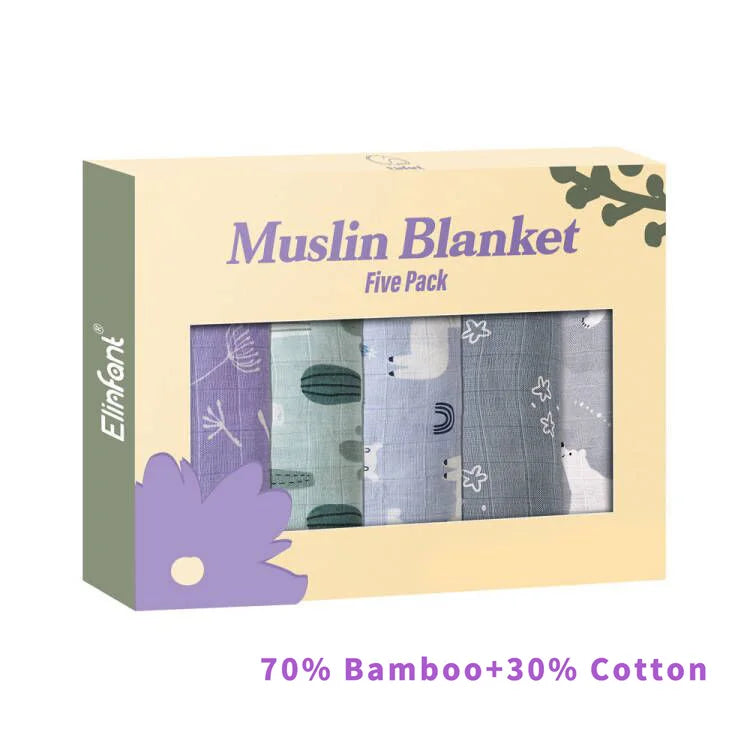
💡 Cotton muslin burp cloth and muslin baby bib and burp cloth in action
Why Choose Cotton Muslin Burp Cloths?
A high-quality cotton muslin burp cloth provides multiple benefits: it’s breathable, gentle on baby’s skin, highly absorbent, and easy to wash. Parents love the convenience of having 3 burp cloths in a set, ensuring a clean cloth is always at hand. Durable muslin baby feeding bibs also protect clothing during messy feedings and teething stages.
- Soft and gentle against sensitive skin
- Absorbs spills and drool efficiently
- Machine washable for easy cleaning
- Long-lasting with repeated use
- Lightweight and portable for travel
Key Pain Points Solved
- Messy feeding routines
- Clothing stains from drool or milk
- Frequent laundry needs
- Finding safe, non-irritating fabrics for baby
Top Muslin Baby Bib and Burp Cloth Sets
Here are some of the most reliable options for parents looking to invest in soft, absorbent, and durable cotton muslin burp cloths:
- Bamboo Cotton Baby Bib Set: Includes 3 burp cloths, breathable muslin, gentle on skin, and durable. See full product.
- Classic Muslin 3-Pack: Lightweight, highly absorbent, and perfect for everyday use.
- Premium Organic Cotton Set: Extra soft, chemical-free, and designed to last through multiple washes.
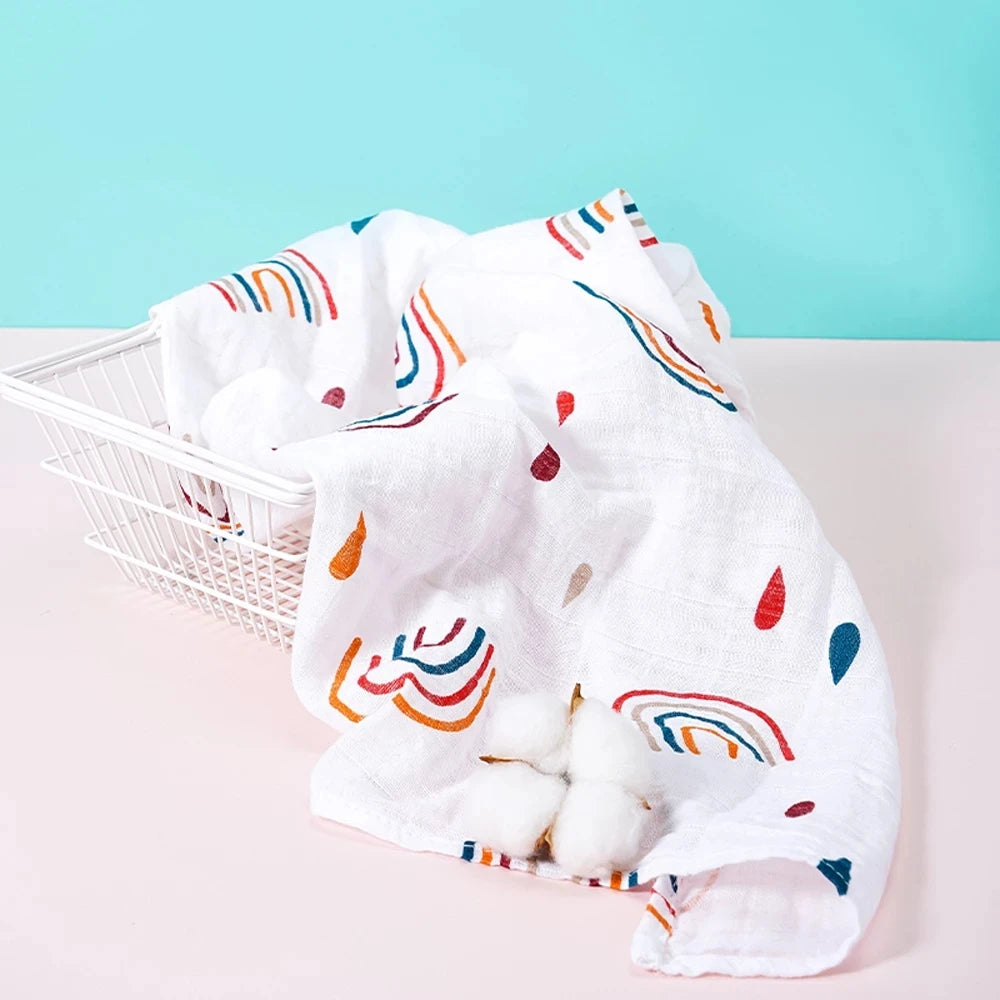
💡 Durable muslin baby feeding bibs and 3 burp cloths for stress-free feeding
How to Use and Care for Your Burp Cloths
Maximize the lifespan and effectiveness of your cotton muslin burp cloths with proper usage and care.
- Always fold under baby’s chin to protect clothing during burping.
- Rotate sets to ensure one is always clean and ready.
- Machine wash with gentle detergent; avoid bleach to preserve softness.
- Air dry or tumble dry low to maintain absorbency.
- Use as a bib during messy meals for dual-purpose functionality.
Side-by-Side Comparison of Popular Sets
| Set | Material | Pieces | Durability | Ease of Cleaning | Price |
|---|---|---|---|---|---|
| Bamboo Cotton Baby Bib Set | Muslin + Bamboo Cotton | 3 burp cloths + 2 bibs | High | Machine washable | $$$ |
| Classic Muslin 3-Pack | 100% Cotton Muslin | 3 burp cloths | Medium | Machine washable | $$ |
| Premium Organic Cotton Set | Organic Cotton Muslin | 3 burp cloths + 1 bib | High | Machine washable | $$$ |
Real Parent Reviews and Testimonials
Parents consistently report that high-quality cotton muslin burp cloths make feeding less stressful. Many appreciate sets that include 3 burp cloths, as they reduce laundry frequency. Durable muslin baby feeding bibs are praised for long-term use without losing softness or absorbency.
- "These burp cloths are lifesavers! Soft, absorbent, and easy to clean." – Emily R.
- "I love having 3 burp cloths in rotation. Makes nighttime feedings so much easier." – Mark S.
- "Durable muslin baby feeding bibs have saved my clothes from countless messes!" – Jessica P.
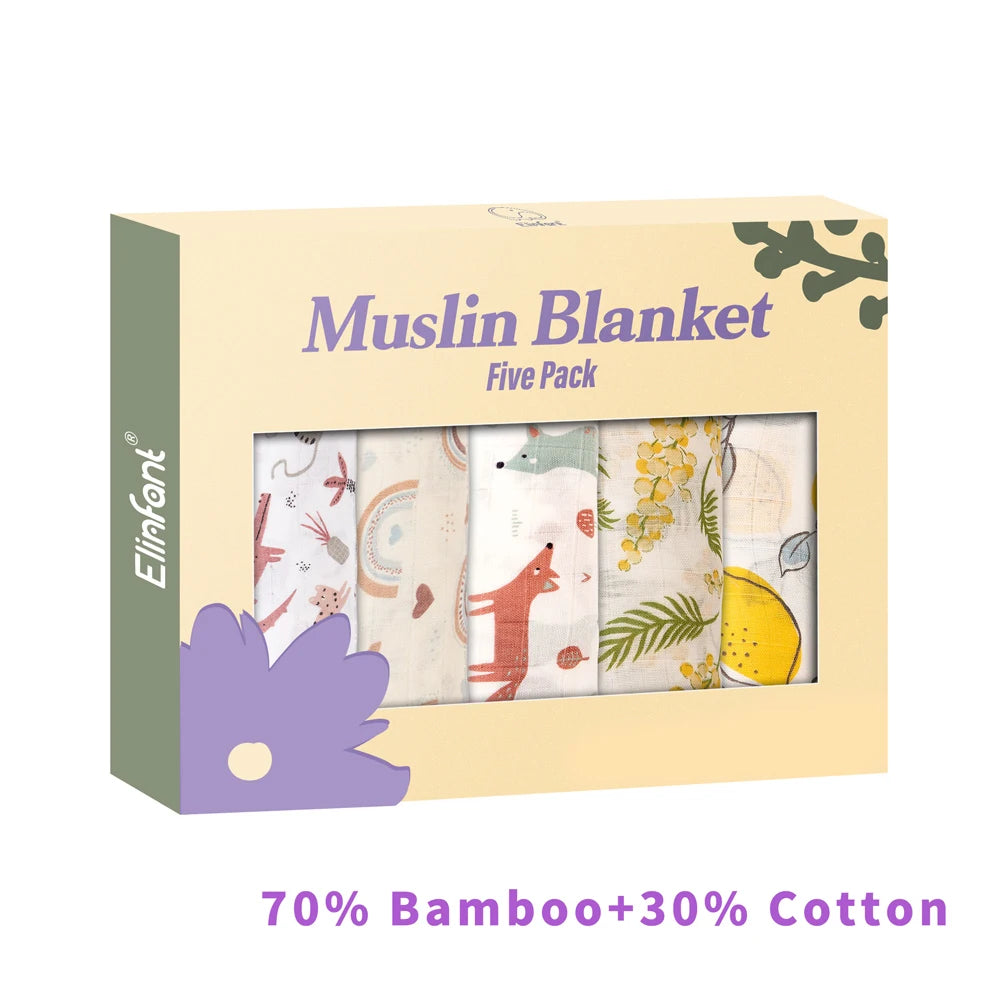
💡 Soft baby cloths and muslin baby bib and burp cloth combo ready for everyday use
Mini FAQ
What is the difference between a cotton muslin burp cloth and a regular burp cloth?
Cotton muslin burp cloths are softer, more breathable, and highly absorbent compared to standard cloths. They are gentle on a baby’s skin and durable for long-term use.
How many burp cloths should I keep on hand?
Having at least 3 burp cloths in rotation is ideal to ensure a clean cloth is always ready during feeding and burping sessions.
Can I use these cloths as both bibs and burp cloths?
Yes. Many sets include muslin baby bib and burp cloth combinations, allowing for versatile use during feeding, drooling, and teething.
How do I clean cotton muslin burp cloths?
Machine wash with gentle detergent and tumble dry low or air dry. Avoid bleach to maintain softness and longevity.
Are cotton muslin burp cloths safe for newborns?
Absolutely. They are breathable, soft, and non-irritating, making them suitable for even the most sensitive newborn skin.
Related Guide: Newborn Drool Bibs: Top Picks for Comfort and Protection





