

Does difficulty feeding infant get better?
Difficulty feeding infant concerns often improve when parents adjust feeding practices for infants to match readiness and comfort. Small changes in infant feeding methods—like pacing, texture, and positioning—can reduce stress, encourage intake, and support infant self feeder skills. With consistent routines, many babies show noticeable progress within weeks.
Difficulty Feeding Infant: How to Overcome Early Challenges
⏱ 7 min read
Difficulty feeding infant struggles can feel overwhelming, especially when every meal turns into a guessing game. If your baby resists the spoon, turns away from the bottle, or eats inconsistently, you’re not alone. The good news? Understanding why it happens—and how to respond—can transform mealtimes into calmer, more confident moments.
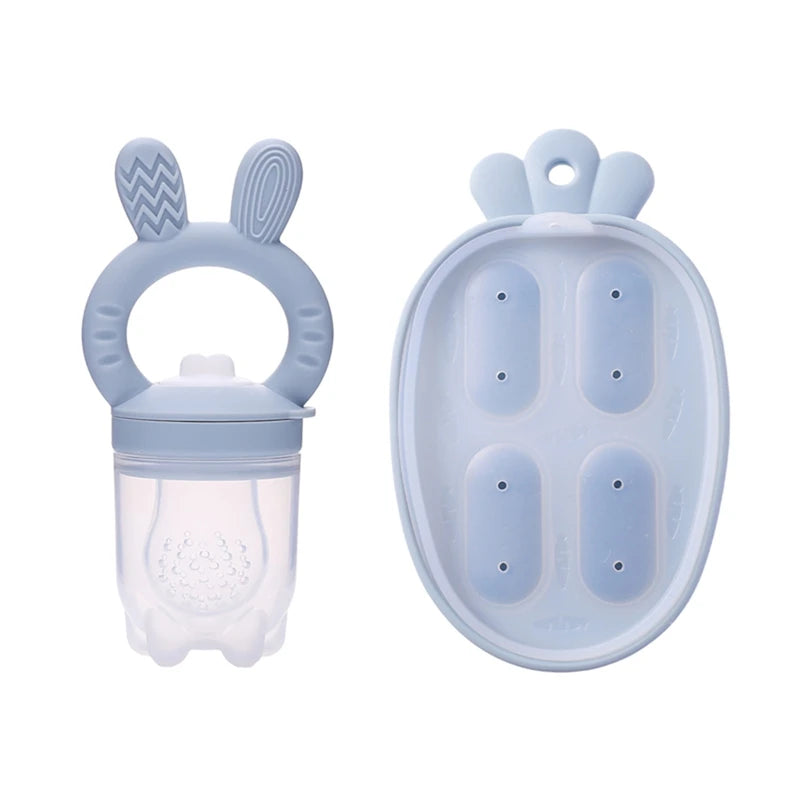
Difficulty feeding infant moments often ease with the right infant feeding methods. 💡 See it in action.
Why Feeding Feels So Hard Early On
Early feeding challenges are common because babies are learning multiple skills at once. Swallowing, coordinating breathing, and recognizing hunger cues all take practice. When expectations move faster than development, difficulty feeding infant patterns appear.
Other factors include:
- Growth spurts that change appetite overnight
- Sensitivity to textures or temperatures
- Overstimulation during meals
- Pressure to “finish” portions
Understanding these factors helps parents choose feeding practices for infants that support comfort rather than conflict.
Common Signs of Difficulty Feeding Infant
Difficulty feeding infant issues show up in different ways. Some babies eat very little, while others fuss or gag. Recognizing patterns early helps you respond before frustration builds.
- Turning head away or arching back during feeds
- Frequent gagging on new textures
- Long feeding times with little intake
- Messy meals that feel chaotic
Seeing one or two signs doesn’t mean something is wrong. It simply means your baby may need a different approach.
Infant Feeding Methods That Reduce Stress
Choosing the right infant feeding methods can dramatically change how meals feel for both parent and baby.
Follow Hunger and Fullness Cues
Babies communicate readiness through subtle signals like leaning forward, opening the mouth, or reaching for food. Respecting these cues reduces resistance.
Adjust Textures Gradually
Smooth to slightly textured foods help babies build skills without overwhelming them. Rushing textures often leads to refusal.
Create a Calm Environment
Lower noise, fewer distractions, and consistent timing help babies focus on eating.
Many parents find guidance and supportive products within Feeding & Nursing collections useful for building stress-free routines.
Supporting Infant Self Feeder Readiness
Encouraging infant self feeder skills builds confidence and curiosity around food. Self-feeding doesn’t mean abandoning guidance—it means offering safe opportunities to explore.
- Allow touching and tasting before swallowing
- Offer soft foods that dissolve easily
- Expect mess as part of learning
- Celebrate attempts, not amounts eaten
Parents often notice improved interest when babies feel in control.
Step-by-Step Guide to Easier Feeding
How can parents manage difficulty feeding infant day to day?
Difficulty feeding infant situations improve when routines are predictable and flexible. Consistency builds trust, while small adjustments address daily needs.
- Set regular meal times without forcing intake
- Start with small portions to reduce pressure
- Model eating to encourage imitation
- End meals on a positive note, even if little is eaten
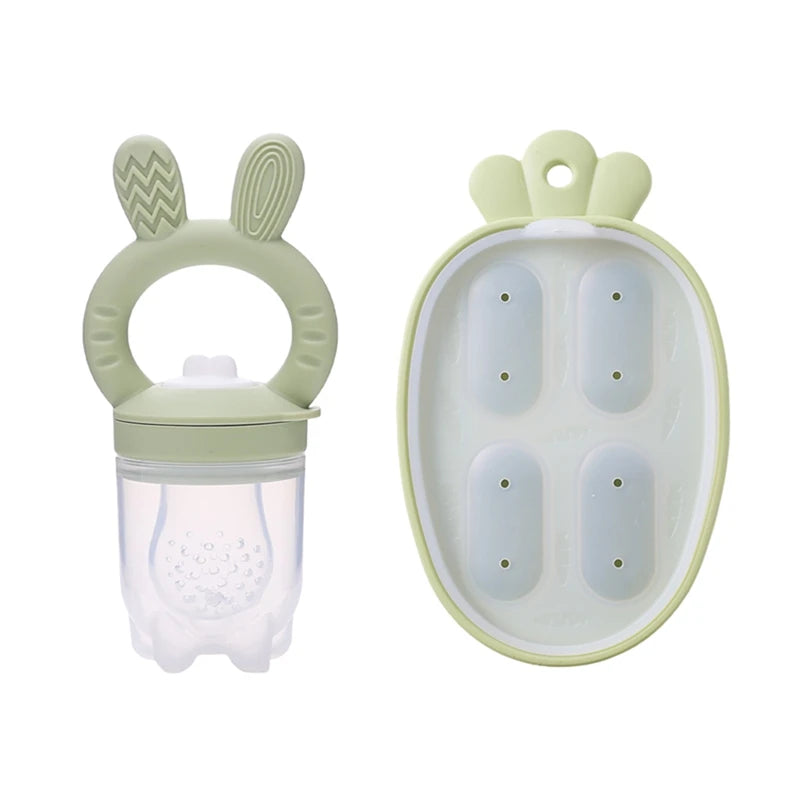
Infant self feeder practice supports independence and calmer meals. 💡 See it in action.
Tools That Make Feeding Simpler
The right tools can remove common barriers. Many parents dealing with difficulty feeding infant challenges prefer options that combine safety with exploration.
One popular choice is a silicone fruit feeder, which allows babies to taste safely without choking worries. It supports infant self feeder development while easing parental stress.
Explore supportive options in Feeding Tools to match your baby’s stage.
Parents often pair these with resources from Baby Growth & Learning to encourage skill development beyond the high chair.
👉 Discover a gentle way to introduce new flavors today.
Safety and Comfort Tips Parents Trust
Safety concerns often intensify feeding anxiety. Simple practices help parents feel confident.
- Always supervise meals
- Ensure upright seating
- Check food size and softness
- Clean feeding tools thoroughly
Helpful essentials can be found within Health & Safety and Baby Care Essentials for peace of mind.

Feeding practices for infants become easier with supportive tools and routines. 💡 See it in action.
Mini FAQ
Is difficulty feeding infant normal?
Yes. Many babies experience phases of difficulty feeding infant behavior as they grow and develop new skills.
When should I encourage self-feeding?
Most babies show infant self feeder readiness between 6–9 months, depending on coordination and interest.
Do tools really help with feeding challenges?
Supportive tools can reduce mess, improve safety, and encourage exploration, making feeding practices for infants more enjoyable.
Related Guide: How to Introduce Solids 4 Months: Step-by-Step Guide





