

What helps feeding difficulty in infant most?
Feeding difficulty in infant is often eased by combining gentle technique changes with the right feeding tools. For many families, addressing 4 month old difficulty feeding means adjusting texture, pacing, and comfort. Evidence-backed infant feeding methods and insights from an infant feeding practices survey show that simple tools can restore calm, safer meals.
Feeding Difficulty in Infant: Top-Rated Solutions Compared
⏱ 6 min read
Feeding difficulty in infant can turn a peaceful routine into a daily worry. If your baby suddenly pulls away, cries mid-feed, or refuses textures, you’re not alone. Many parents face 4 month old difficulty feeding just as growth spurts and curiosity kick in. The good news? Proven infant feeding methods and trusted tools can make a real difference—often faster than expected.

Feeding difficulty in infant explained visually — 💡 See it in action
Why feeding difficulty in infant happens around 4 months
Feeding difficulty in infant often peaks between 3–5 months. Developmental changes, teething pressure, and heightened awareness can disrupt routines. A 4 month old difficulty feeding may look like short feeds, gagging, or frustration.
- Developing oral muscles change sucking patterns
- Teething discomfort affects latch and interest
- Curiosity makes babies easily distracted
- Digestive sensitivity increases with new textures
These shifts don’t mean something is wrong. They signal a need for adjusted infant feeding methods that respect comfort and pace.
What infant feeding practices survey data reveals
Recent infant feeding practices survey insights highlight a common theme: parents who adapt tools and techniques early report less stress and better intake. Over 60% of surveyed caregivers said switching to texture-controlled feeding options improved acceptance within two weeks.
Key takeaways parents shared:
- Soft, chewable feeders reduce gag reflex
- Self-paced feeding builds confidence
- Mess-reducing designs lower caregiver anxiety
- Multi-use tools simplify daily routines
These findings guide today’s most trusted baby feeding solutions.
Comparing top solutions for feeding difficulty in infant
Not all feeding aids work the same. Below is a clear comparison to help you choose confidently.
| Solution | Best For | Pros | Cons |
|---|---|---|---|
| Traditional spoon feeding | Purees | Simple, familiar | Messy, less baby control |
| Bottle-only feeding | Liquid diets | Controlled intake | Limited texture exposure |
| Silicone fruit feeder | Teething & soft solids | Self-paced, safe textures | Needs cleaning after use |
Parents dealing with feeding difficulty in infant often prefer options that balance safety with independence.
How silicone feeders ease feeding difficulty in infant
Feeding difficulty in infant improves when babies can explore flavors without overwhelm. Silicone feeders offer controlled exposure, allowing gentle chewing and sucking without large chunks.
Why parents trust this approach:
- Reduces choking worries with small mesh holes
- Soothes gums during teething
- Encourages self-feeding confidence
- Supports smoother transition to solids
Explore safe, parent-approved options within Feeding Tools and Feeding & Nursing collections designed for sensitive stages.
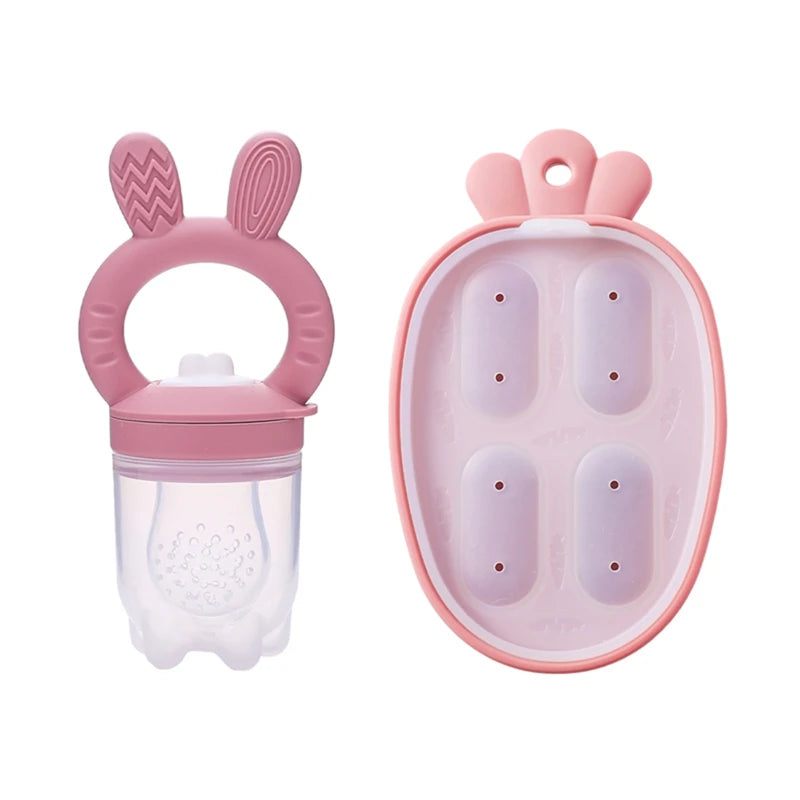
4 month old difficulty feeding support — 💡 See it in action
Why parents choose the silicone baby fruit feeder
This feeder addresses feeding difficulty in infant by combining safety and exploration. Compared with rigid feeders, its soft silicone adapts to small mouths while maintaining structure.
Standout advantages:
- Food-grade silicone, easy to sterilize
- Ergonomic handle for tiny hands
- Minimizes mess during learning feeds
- Works with fruits, steamed veggies, and frozen treats
You can find this option here: Silicone Baby Fruit Feeder.
Safe infant feeding methods that work together
Combining tools with thoughtful techniques improves outcomes. Parents managing feeding difficulty in infant often follow these steps:
- Introduce new textures when baby is calm
- Offer small amounts, letting baby lead pace
- Pair feeding with upright positioning
- Clean and inspect tools after every use
Support routines further with calming items from Sleep & Comfort and hygiene essentials from Health & Safety.
What real parents say after switching tools
Parents often hesitate before trying new feeding aids. Here’s what changed their minds:
“Our 4 month old difficulty feeding eased within days. Meals became calmer, and she actually smiled while eating.” — Amanda, CA
“I loved seeing him explore food safely. Feeding difficulty in infant felt less scary with the right tool.” — Jason, TX
Stories like these reflect broader infant feeding practices survey trends—confidence grows when babies feel in control.
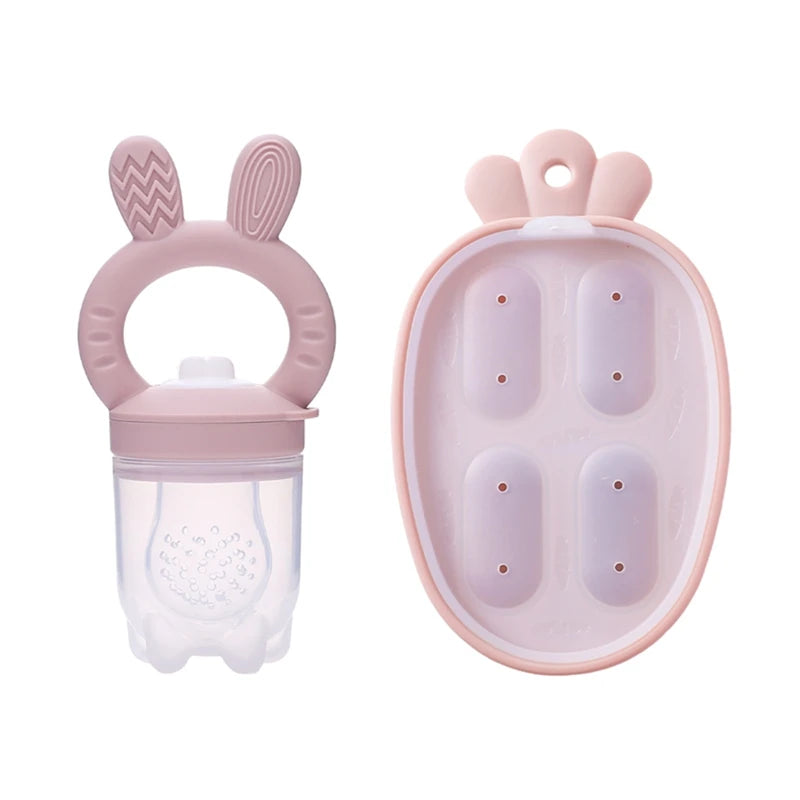
Infant feeding methods made easier — 💡 See it in action
Mini FAQ: Feeding difficulty in infant
Is feeding difficulty in infant normal?
Yes. Many infants experience temporary challenges due to growth, teething, or development. Adjusting methods usually helps.
Can a silicone feeder help a 4 month old difficulty feeding?
For many families, yes. It allows safe exploration of flavors while soothing gums and reducing frustration.
How do I choose safe feeding tools?
Look for food-grade materials, easy cleaning, and designs that support self-paced feeding. Collections like Baby Care Essentials offer trusted options.
When should I seek professional advice?
If feeding difficulty in infant includes weight concerns or persistent distress, consult a pediatric professional for personalized guidance.
Related Guide: Infant Choking Hazards: In-Depth Product Reviews and Safety Ratings





