

What is the safest option for everyday baby feeding bowls?
The guide to BPA-free baby bowls explains how choosing non-toxic materials helps protect your baby from harmful chemicals while supporting safe feeding for infants. The right infant plate set improves hygiene, reduces spills, and handles daily use, making it a reliable choice for modern families.
Guide to BPA-Free Baby Bowls for Everyday Use
This guide to BPA-free baby bowls helps parents cut through confusion and choose safer, smarter feeding essentials for daily meals. You’ll learn how the right infant plate set supports safe feeding for infants, reduces mess, and stands up to real-life use at home or on the go. We break down materials, design features, and what truly makes the best infant feeding set worth buying. Ready to make mealtime easier and safer at the same time?
⏱ 7 min read
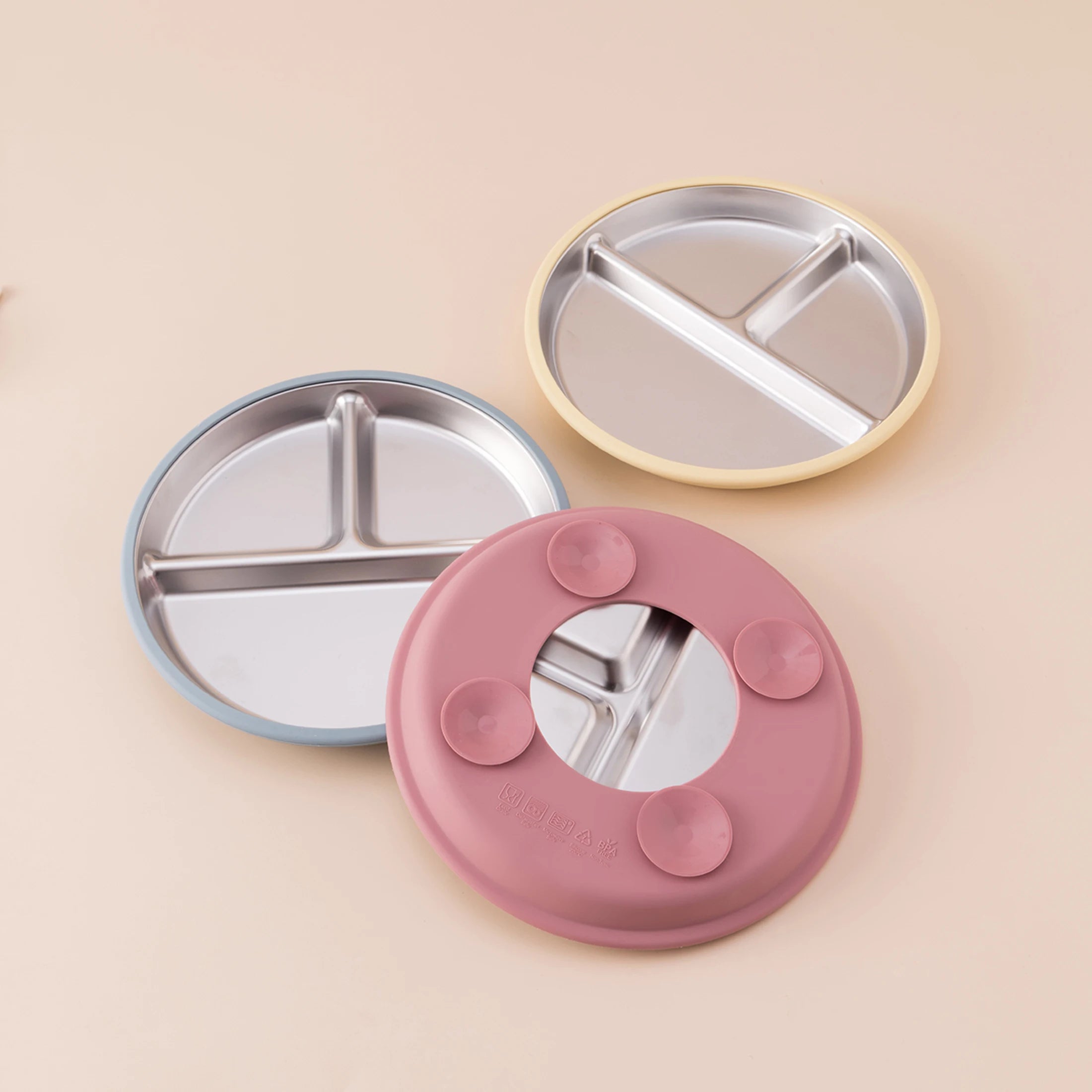
Guide to BPA-free baby bowls with a durable infant plate set — 💡 See it in action
Why BPA-Free Bowls Matter for Babies
BPA is a chemical once common in plastics. When babies eat, heat and repeated washing can cause low-quality plastics to break down. Parents often worry: is my child exposed during every meal?
Choosing BPA-free baby bowls removes that concern. These bowls are designed to support safe feeding for infants while giving parents peace of mind during a stage when health and development matter most.
Everyday problems parents face
- Bowls sliding or tipping during self-feeding
- Stains and odors after repeated use
- Unclear labeling around safety
- Products that crack or warp over time
Which feeding setup actually works for busy mornings and tired evenings? Keep reading to find out.
Comparing Materials Used in Baby Bowls
The guide to BPA-free baby bowls often starts with materials. Each option has strengths and trade-offs, especially for everyday use.
| Material | Pros | Cons |
|---|---|---|
| Plastic (BPA-Free) | Lightweight, affordable | May stain or scratch |
| Silicone | Flexible, heat-resistant | Can hold odors |
| Stainless Steel | Durable, hygienic, long-lasting | Slightly heavier |
Many parents lean toward stainless steel for its balance of durability and cleanliness, especially when paired with thoughtful design.
Key Features That Make Mealtime Easier
A well-designed infant plate set does more than hold food. It actively supports learning and independence.
- Non-slip bases to prevent spills
- Smooth edges gentle on gums
- Portion-friendly compartments
- Easy cleaning after messy meals
How to Choose the Right Infant Plate Set
The guide to BPA-free baby bowls can feel overwhelming. Break it down step by step:
- Check material safety and certifications
- Match size to your baby’s age and appetite
- Look for designs that reduce mess
- Consider how easy it is to clean and store
Parents often report that switching to a better infant plate set reduces cleanup time and helps babies focus more on eating than playing with the bowl.
Using BPA-Free Baby Bowls in Daily Life
From breakfast oatmeal to dinner veggies, everyday use puts feeding bowls to the test. Stainless steel options hold up well at home and while traveling, making them part of toddler mealtime essentials.
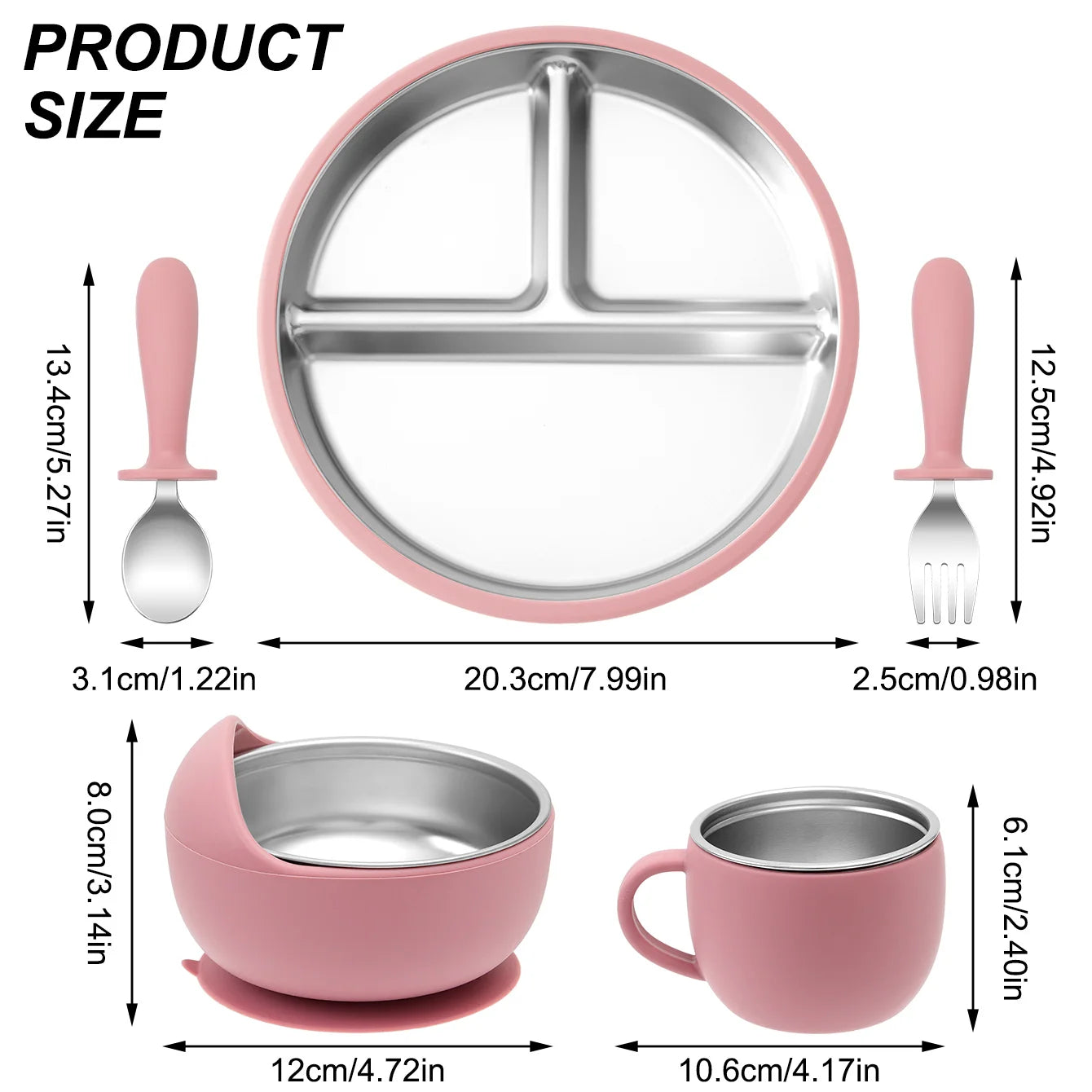
Safe feeding for infants made easier with a reliable infant plate set — 💡 See it in action
Parents sharing reviews often mention fewer spills, faster washing, and a calmer feeding experience overall.
A Practical BPA-Free Feeding Solution
The guide to BPA-free baby bowls points many families toward stainless steel sets designed for daily use. A well-made feeding set combines safety, durability, and simplicity.
One option parents appreciate is a thoughtfully designed stainless steel feeding set that supports safe feeding for infants while fitting seamlessly into busy routines. You can explore this solution here: stainless steel baby feeding set.
- Built for long-term use
- Easy to clean and store
- Supports self-feeding stages
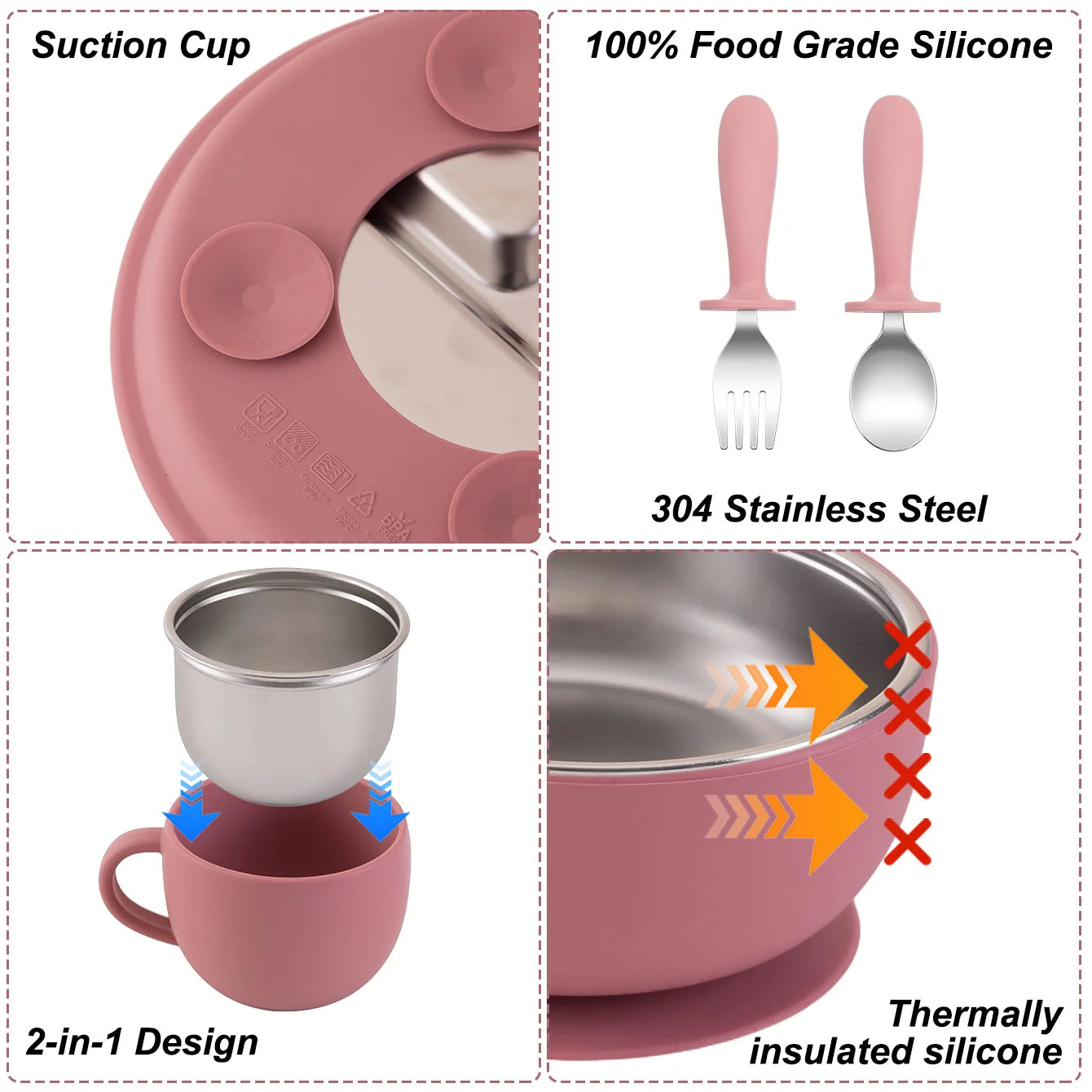
Best infant feeding set for everyday meals — 💡 See it in action
Frequently Asked Questions
Are BPA-free baby bowls safe for daily use?
Yes. BPA-free baby bowls are designed for repeated use and cleaning, helping parents support safe feeding for infants without worrying about chemical exposure.
What material lasts longest for baby feeding bowls?
Stainless steel often lasts the longest. It resists stains, odors, and damage, making it a practical choice for everyday feeding.
When should babies start using their own bowls?
Many babies begin using their own infant plate set around 6 months, especially during baby-led feeding stages when learning independence is encouraged.
Related Guide: Feeding Tips for Infants: Step-by-Step First Meals





