

How to Reduce Baby Mess During Everyday Meals
How can parents reduce baby mess during everyday meals?
How to reduce baby mess starts with choosing tools that work with a baby’s natural movements. Using a silicone feeding set with infant suction bowls, practicing portion control, and respecting silicone safe temperature limits can cut spills by up to half while helping babies learn self-feeding skills in a calmer, safer way.
How to Reduce Baby Mess During Everyday Meals
⏱ 6 min read
Food on the floor, stains on tiny shirts, and constant cleanup can turn mealtime into a daily stress point. If you’ve ever wondered how to reduce baby mess without stopping your child’s independence, you’re not alone. The good news? A few smart adjustments can make meals cleaner, calmer, and more enjoyable for everyone.
How to reduce baby mess isn’t about perfection. It’s about setting up a feeding environment that supports learning while limiting spills. From choosing the right silicone feeding set to understanding silicone safe temperature features, this guide walks you through practical steps you can start using today.
A silicone feeding set designed to help reduce spills and support self-feeding 💡 See it in action
Quick question: Is your baby learning to self-feed but leaving more food on the floor than in their mouth? Keep reading for step-by-step solutions that really help.
Why Baby Mess Happens at Mealtime
Messy meals aren’t a sign of bad habits. They’re a natural part of development. Babies explore food with their hands, practice coordination, and test boundaries. Traditional plates and bowls simply aren’t designed for these stages.
- Lightweight dishes slide easily
- Large portions overwhelm small hands
- Hot or cold food causes discomfort and rejection
- Hard materials make noise and distractions
Understanding these causes makes it easier to choose solutions that actually work.
How to Reduce Baby Mess Step by Step
How to reduce baby mess starts with a few intentional changes. You don’t need to overhaul your entire routine—just focus on tools and habits that support your baby’s stage.
- Start with smaller portions: Less food means less waste and fewer spills.
- Use suction-based dishes: Infant suction bowls stay in place even during enthusiastic grabbing.
- Choose flexible materials: Silicone bends instead of tipping.
- Serve food at a comfortable temperature: Respecting silicone safe temperature ranges keeps babies calm and focused.
For a full range of practical feeding solutions, explore Feeding Tools designed for everyday use.
Why Silicone Feeding Sets Make a Difference
A silicone feeding set is often the turning point for families struggling with mess. Unlike plastic or ceramic, silicone grips surfaces, absorbs impact, and feels gentle in tiny hands.
- Non-slip texture reduces sliding
- Soft edges protect gums and teeth
- Durable for daily use and drops
- Easy to clean and quick to dry
Many parents pair these sets with supportive items from Feeding & Nursing collections to build a complete mealtime setup.
Explore practical options that fit your baby’s stage and routine.
How Infant Suction Bowls Prevent Spills
Infant suction bowls are designed to stay put, even when babies push, pull, or swipe. This single feature dramatically reduces flipped bowls and thrown food.
| Feature | Standard Bowl | Infant Suction Bowl |
|---|---|---|
| Stability | Slides easily | Locks onto surface |
| Mess Level | High | Significantly reduced |
| Baby Independence | Limited | Encouraged |
Pairing suction bowls with items from Baby Care Essentials helps create a consistent, mess-aware routine.
Infant suction bowls in action for mess-free feeding 💡 See it in action
Understanding Silicone Safe Temperature
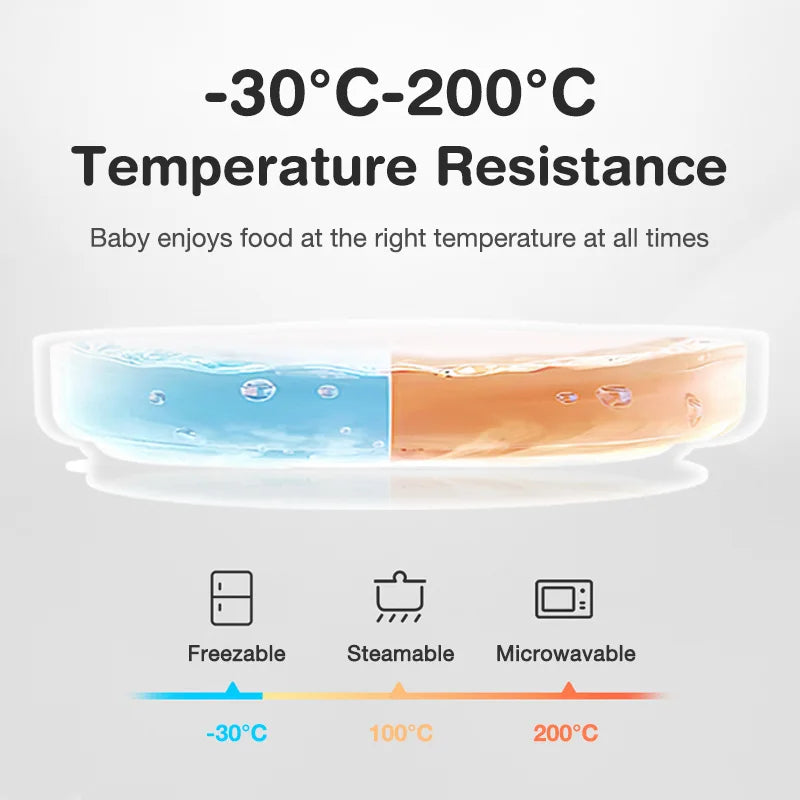
How to reduce baby mess also depends on comfort. Food that’s too hot or too cold often leads to sudden pushing or throwing. Silicone safe temperature design helps maintain a stable, baby-friendly feel.
- Handles heat without warping
- Doesn’t retain extreme temperatures
- Protects sensitive mouths and hands
- Supports smoother transitions between foods
Temperature-aware feeding pairs well with tools from Temperature Tools to ensure every bite feels just right.
Routine Tips for Mess-Free Feeding
Even the best tools work better with simple habits. Consistency builds confidence for both parent and baby.
- Seat baby at the same height and position each meal
- Offer one food at a time
- Model calm eating behavior
- Use a washable mat for easy cleanup
Over time, these habits reduce chaos and support healthier self-feeding skills.
Learn how parents combine smart tools for easier daily feeding.
What Real Parents Notice After Switching
Parents who move to a silicone feeding set with infant suction bowls often report noticeable changes within the first week.
- Less food on the floor
- Shorter cleanup time
- Babies stay focused longer
- More enjoyable shared meals
One parent shared that cleanup time dropped from 15 minutes to under 5 after switching to a suction-based setup. Small wins like this add up fast.
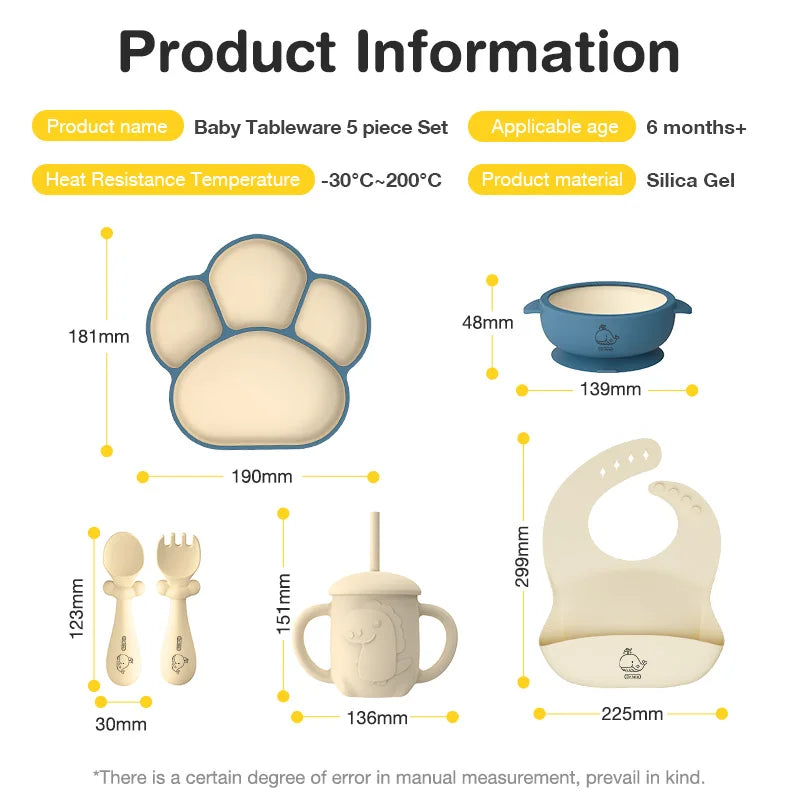
Many families find everything they need in one place with the children’s silicone tableware set, designed specifically to support cleaner, calmer meals.
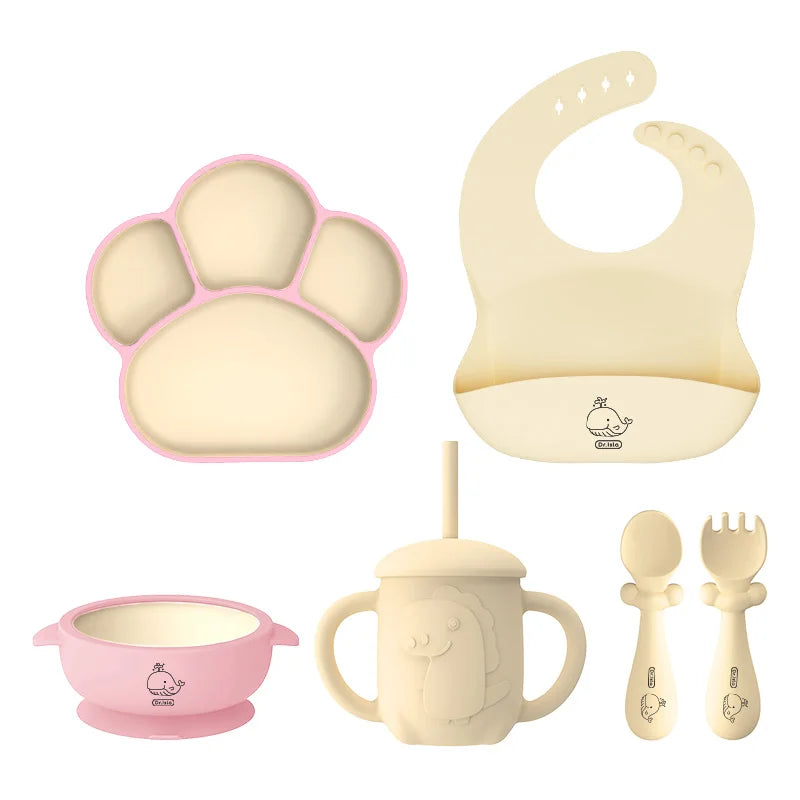
A complete silicone feeding set supporting self-feeding 💡 See it in action
Discover a feeding set designed to support your baby’s independence today.
Mini FAQ
At what age should I focus on reducing baby mess?
Mess increases around 6 months when self-feeding begins. That’s the ideal time to introduce suction bowls and silicone feeding tools.
Are silicone feeding sets safe for daily use?
Yes. High-quality silicone is durable, gentle, and designed to handle repeated washing and everyday meals.
Do suction bowls work on all surfaces?
They work best on smooth, flat surfaces like high-chair trays and tables.
Can reducing mess slow down learning?
No. The right tools reduce frustration while still allowing exploration and skill development.
Related Guide: How to Encourage Toddler Eating Without Power Struggles





