

Does an ergonomic baby feeder for self-feeding really help babies eat independently?
An ergonomic baby feeder for self-feeding helps babies gain control faster by matching small hand grips, reducing spills, and supporting safe chewing. Designed for an infant self feeder, it eases baby self-feeding struggles while encouraging progress through infant motor skills milestones with less frustration and more confidence.
Ergonomic Baby Feeder for Self-Feeding: Why It Works Best
An ergonomic baby feeder for self-feeding changes how little hands learn to eat, turning frustration into confidence from the very first bite. Designed to support an infant self feeder, it encourages safer grips, better control, and progress through infant motor skills milestones while easing common baby self-feeding struggles like spills and refusal.
⏱ 7 min read
Is mealtime messy, stressful, or ending in tears? Many parents wonder if there’s a way to help babies learn to eat independently without constant spills or food refusal. The good news: thoughtful design can make a real difference—especially when self-feeding skills are just beginning.
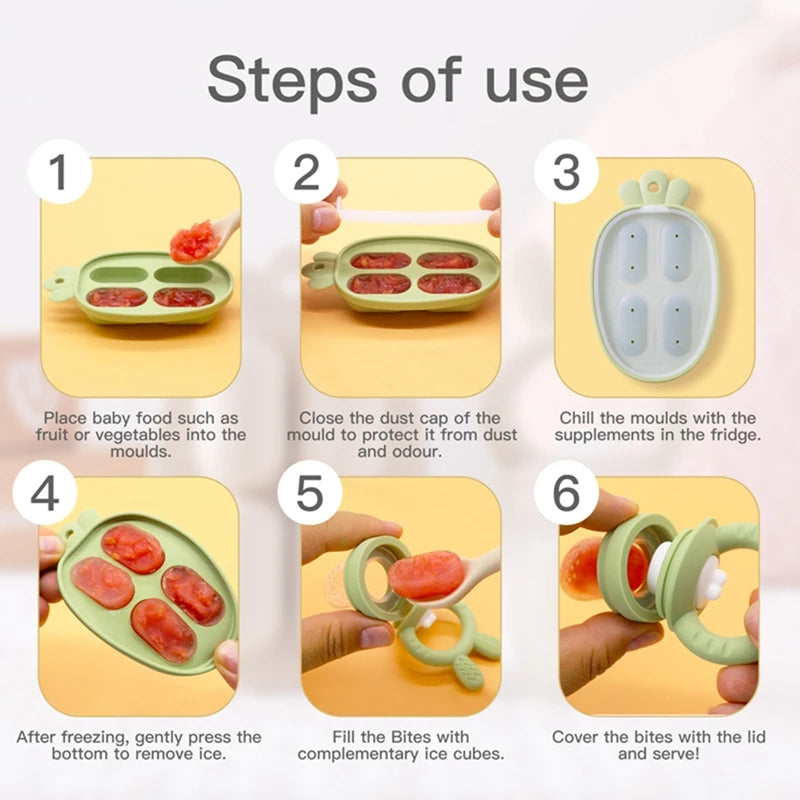
Ergonomic baby feeder for self-feeding helps infant self feeder skills grow 💡 See it in action
Why Ergonomic Design Supports Self-Feeding
An ergonomic baby feeder for self-feeding works because it matches how babies naturally move. Instead of forcing awkward wrist turns or tight grips, the shape encourages a relaxed hold that feels intuitive—even for first-time eaters.
For an infant self feeder, comfort equals confidence. When the feeder fits the hand, babies focus on exploring food rather than fighting the tool.
- Curved handles reduce wrist strain
- Balanced weight improves control
- Soft textures feel safe on gums
- Non-slip surfaces prevent drops
These details seem small, but together they remove barriers that often slow early independence.
How Does an Ergonomic Baby Feeder for Self-Feeding Improve Motor Skills?
An ergonomic baby feeder for self-feeding strengthens hand-eye coordination by letting babies guide food to their mouth with less effort. It supports infant motor skills milestones by encouraging grasping, wrist rotation, and controlled movement—key steps that help babies progress from assisted feeding to confident, independent eating.
Self-feeding isn’t just about eating—it’s practice for life skills. Each successful scoop or bite reinforces:
- Fine motor control
- Bilateral hand use
- Spatial awareness
- Cause-and-effect learning
Pairing feeding time with tools designed for development aligns well with items found in Baby Growth & Learning, creating a more supportive daily routine.
Solving Common Baby Self-Feeding Struggles
Many parents face the same challenges: food on the floor, frustration, or refusal after a few attempts. These baby self-feeding struggles often come from tools that are too big, slippery, or rigid.
An ergonomic baby feeder for self-feeding addresses these issues directly:
- Less mess: Controlled flow reduces spills
- Less frustration: Easier grip means quicker success
- More interest: Babies stay engaged longer
- Safer exploration: Soft materials protect gums
When mealtime feels manageable, babies are more willing to try new textures—especially helpful during baby-led weaning.
Key Features That Make This Feeder Work Better
Easy-Grip Handle Designed for Small Hands
Short, rounded handles allow a natural grasp without overextending fingers. This is crucial for an infant self feeder still learning how much pressure to use.
Soft Silicone for Comfort and Safety
Gentle on gums and emerging teeth, silicone reduces hesitation and supports longer practice sessions.
Balanced Shape for Better Control
Weight distribution helps babies guide food accurately, reinforcing confidence with every bite.
Simple Cleaning for Busy Parents
Easy-to-clean materials reduce daily stress and fit seamlessly into routines supported by Baby Care Essentials.
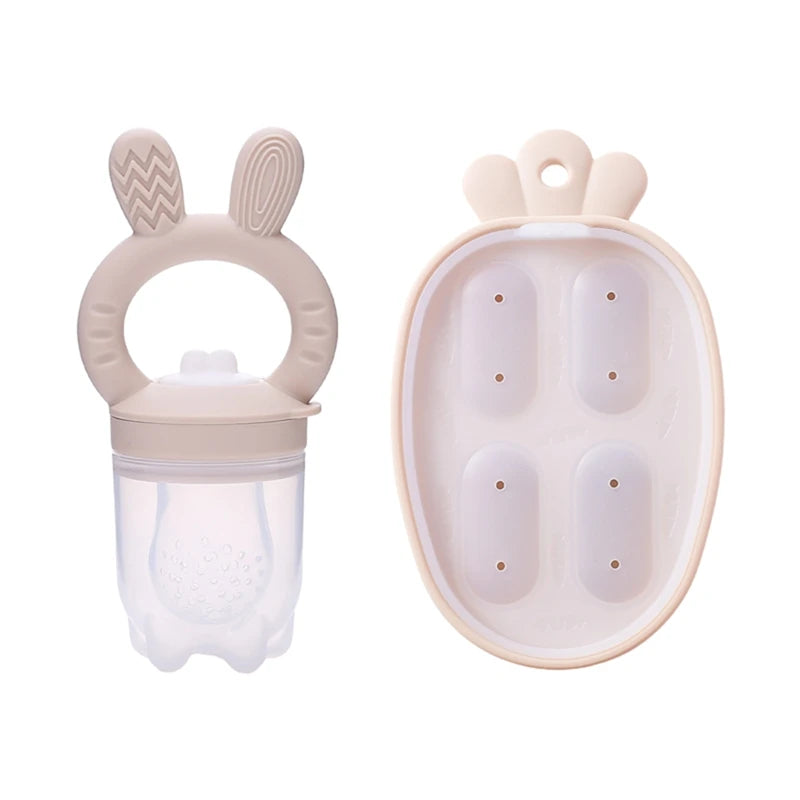
Designed for infant motor skills milestones and smoother self-feeding 💡 See it in action
Ergonomic Feeder vs Traditional Options
| Feature | Ergonomic Baby Feeder | Traditional Feeder |
|---|---|---|
| Grip Comfort | Designed for small hands | Often bulky or slippery |
| Motor Skill Support | Encourages natural movement | Limited developmental focus |
| Mess Control | Improved accuracy | Frequent spills |
| Baby Engagement | Higher interest and confidence | Frustration common |
This clear difference helps comparison shoppers understand why design matters more than price alone.
How to Use an Ergonomic Baby Feeder Safely
- Introduce during calm, seated mealtimes
- Start with soft foods or fruit pieces
- Allow exploration without pressure
- Supervise and clean after each use
Combining proper use with supportive routines from Health & Safety ensures a positive experience for both parent and child.
What Parents Notice After Switching
Many parents report noticeable changes within days:
- Babies reach for the feeder willingly
- Shorter, calmer mealtimes
- Improved coordination by week two
- Less cleanup stress
One parent shared that their baby progressed from assisted feeding to confident self-feeding in under a month, simply by switching to an ergonomic design.
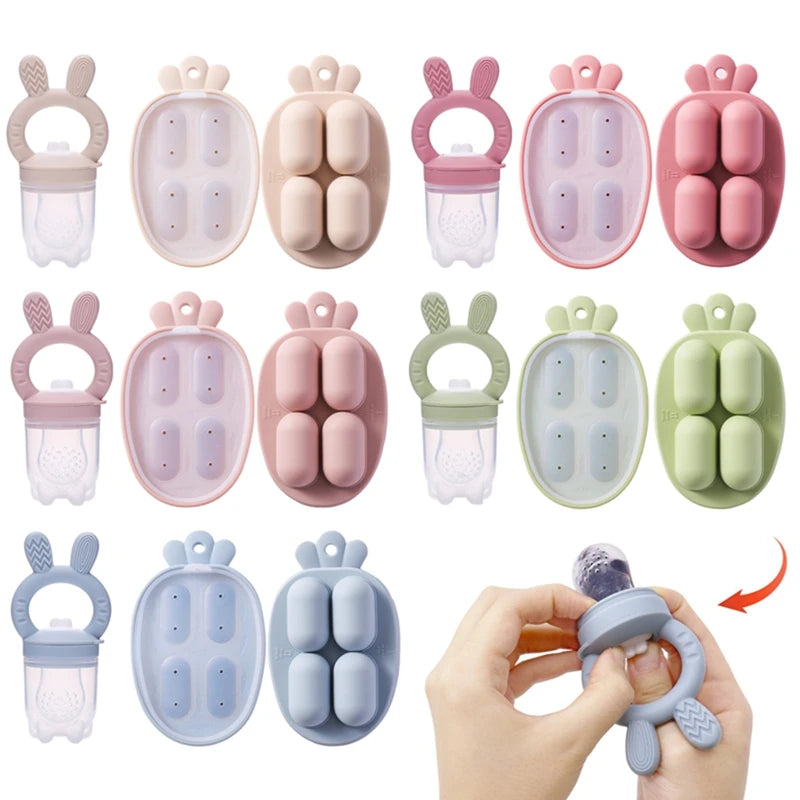
From baby self-feeding struggles to confident bites 💡 See it in action
Mini FAQ: Ergonomic Baby Feeder for Self-Feeding
When can babies start using an ergonomic feeder?
Most babies can begin around 6 months, once they show readiness signs like sitting with support and bringing objects to their mouth.
Does it replace parent-assisted feeding?
No. It complements assisted feeding by gradually building independence while parents remain involved.
Is it suitable for baby-led weaning?
Yes. The design supports safe exploration of textures, making it a helpful tool during baby-led weaning stages.
How does it compare to spoons?
Ergonomic feeders offer better grip and control for early stages, while spoons may come later as skills advance.
Related Guide: How to Introduce Solids 4 Months: Step-by-Step Guide





