

Portable Baby Travel Utensils Compared for Meals on the Go
Are the best utensils for baby self feeding really important?
The best utensils for baby self feeding help babies learn independence faster while reducing frustration and mess. Designed with bpa free utensils materials and an infant spoon and fork set sized for small hands, they support grip, safety, and comfort. The right design directly improves self feeding skills development during early meals.
Best Utensils for Baby Self Feeding Compared for Easy Learning
Best utensils for baby self feeding can turn daily meals into confident learning moments instead of stressful cleanups. When babies feel comfortable gripping an infant spoon and fork set made from bpa free utensils, they explore food with curiosity, build coordination, and enjoy mealtime more. Choosing wisely supports safer, happier self feeding skills development for your little one.
⏱ 8 min read
Messy hands, dropped spoons, and food everywhere—does this sound familiar? Many parents wonder if the right utensils can truly make a difference. The answer is yes. Thoughtfully designed baby feeding tools reduce frustration, support learning, and help babies feel proud of feeding themselves.
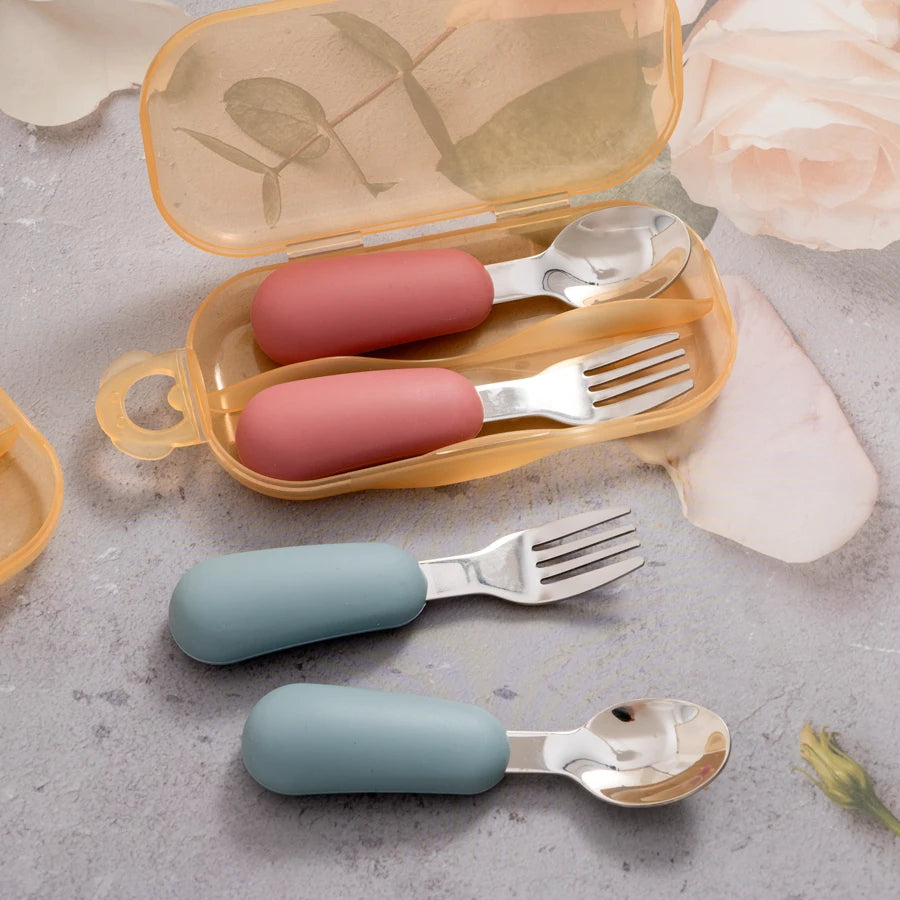
Bpa free utensils and an infant spoon and fork set designed for early self feeding skills development 💡 See it in action
Why Utensils Matter for Self Feeding Confidence
Babies are eager to imitate adults, especially at the table. When utensils are too heavy, slippery, or unsafe, they give up quickly. Properly shaped baby feeding tools support hand-eye coordination and help babies succeed sooner.
Self feeding is more than eating—it builds independence, patience, and fine motor skills. Parents often notice fewer tears and more smiles when utensils are designed for little hands.
Pairing utensils with supportive routines from Baby Growth & Learning products can further encourage confidence and curiosity during meals.
What Makes the Best Utensils for Baby Self Feeding?
The best utensils for baby self feeding balance safety, comfort, and learning support. They are not just smaller versions of adult cutlery. Instead, they are thoughtfully engineered for early development.
Direct answer: The best utensils for baby self feeding are lightweight, bpa free utensils with soft edges and short, ergonomic handles. An infant spoon and fork set with textured grips helps babies control movement, reduce spills, and build self feeding skills development safely and confidently.
- Rounded edges to protect gums
- Non-slip handles for tiny hands
- Shallow spoon bowls for easier scooping
- Durable, bpa free utensils materials
For families prioritizing hygiene and safety, pairing utensils with items from Health & Safety ensures peace of mind.
Side-by-Side Comparison of Common Baby Utensil Types
| Type | Best For | Limitations |
|---|---|---|
| Silicone Infant Spoon and Fork Set | Early learners, sensitive gums | May bend with thicker foods |
| Plastic Toddler Utensils | Older babies with stronger grip | Less gentle on gums |
| Metal Training Utensils | Advanced self feeders | Not ideal for beginners |
Most parents start with silicone sets before transitioning as skills improve. Complementing utensils with mealtime solutions from Feeding & Nursing helps create smoother routines.
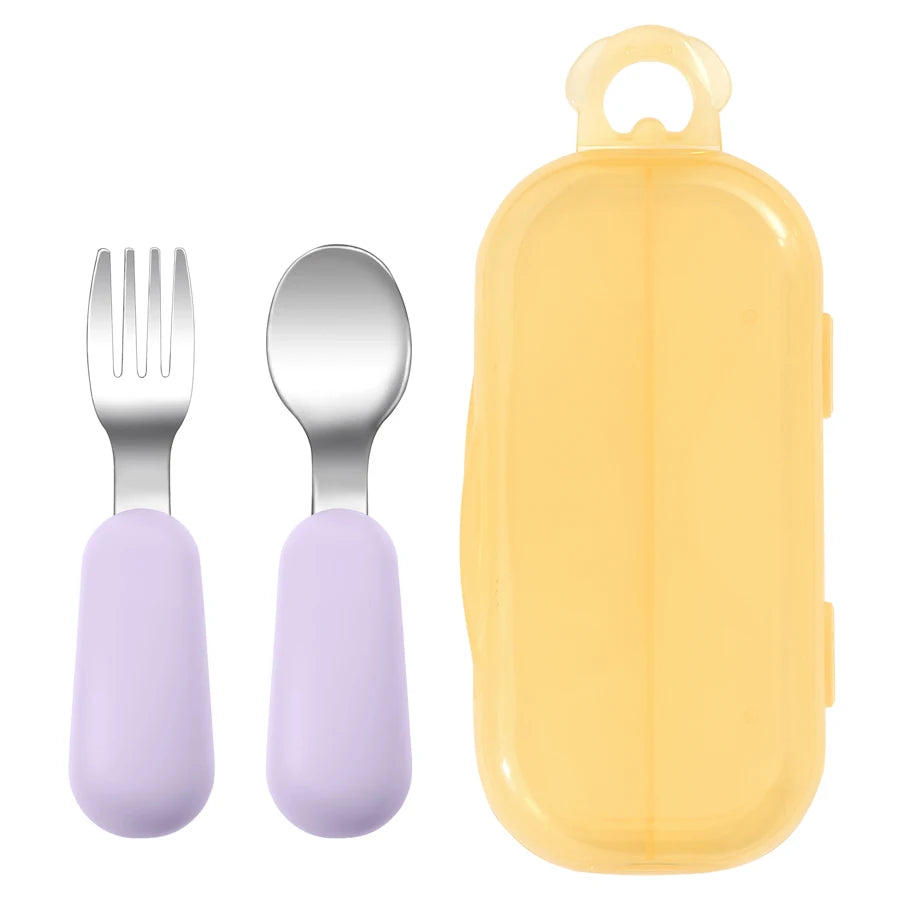
Comparing infant spoon and fork set options for safer self feeding skills development 💡 See it in action
Pros and Cons Parents Notice First
Every baby is different, but patterns emerge from real-world use.
Common Benefits
- Less frustration during meals
- Improved grip and coordination
- Safer exploration with bpa free utensils
- More interest in self feeding
Potential Drawbacks
- Some babies outgrow sets quickly
- Softer materials may stain
- Requires regular cleaning
Parents often balance these factors with other essentials from Baby Care Essentials to simplify daily routines.
Real-Life Mealtime Scenarios Parents Relate To
Imagine your baby gripping a spoon confidently instead of dropping it repeatedly. Meals become calmer, and cleanup is faster. Many parents report that once babies feel successful, they stay engaged longer.
During travel or daycare, lightweight utensils fit easily into bags alongside items from Feeding Tools, making consistency easier across environments.
How to Choose the Right Infant Spoon and Fork Set
- Check for bpa free utensils materials
- Look for ergonomic, short handles
- Choose soft edges for early stages
- Match the set to your baby’s current skills
Growth-focused parents often combine utensils with supportive play items from Sensory Toys to reinforce coordination.
A Trusted Choice for Everyday Self Feeding
Direct answer: This infant spoon and fork set stands out because it combines bpa free utensils materials with an ergonomic shape that supports early self feeding skills development. Designed for comfort and safety, it helps babies gain confidence while parents enjoy less mess and smoother mealtimes.
The Baby Silicone Fork & Spoon set is designed with soft silicone tips, balanced handles, and easy-to-clean surfaces, making it ideal for daily use.
- Gentle on gums
- Easy grip for small hands
- Durable and travel-friendly
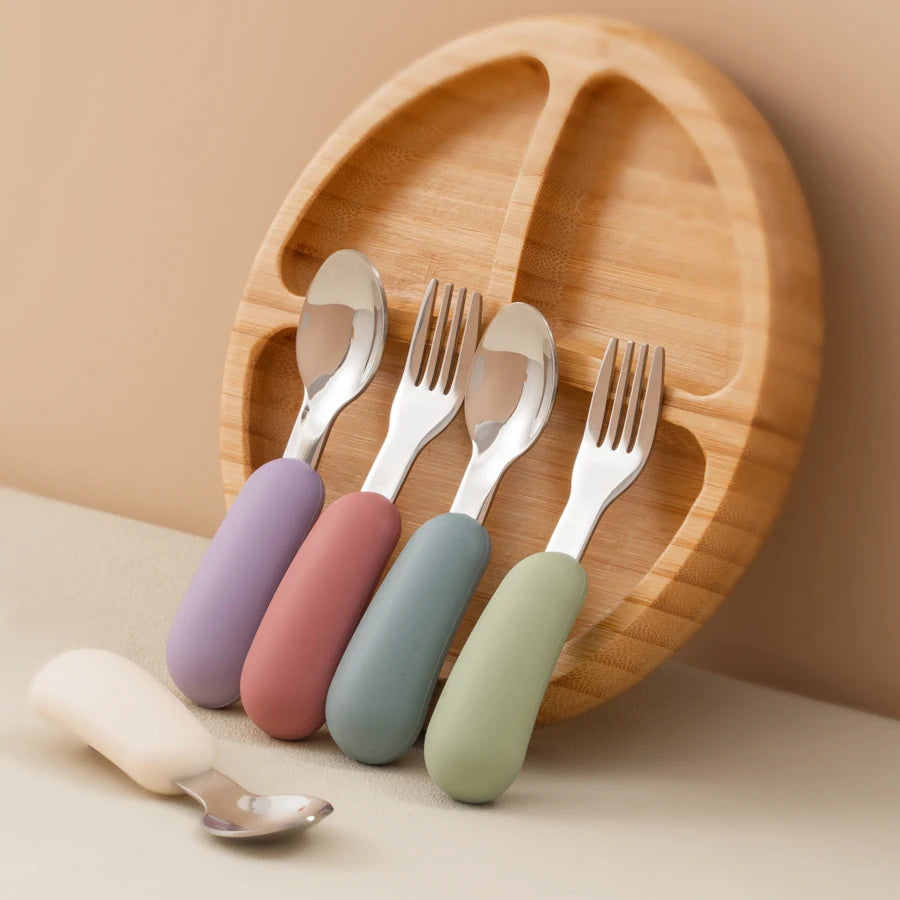
Best utensils for baby self feeding using bpa free utensils 💡 See it in action
Mini FAQ
When should babies start using self feeding utensils?
Most babies show interest between 6–9 months. Starting early with safe utensils supports gradual self feeding skills development.
Are bpa free utensils really safer?
Bpa free utensils reduce exposure to harmful chemicals and are widely recommended for baby feeding products.
How many utensil sets do parents need?
Many families keep two sets—one for home and one for travel—to maintain consistency and hygiene.
Related Guide: Best Utensils for Baby Self Feeding Compared for Easy Learning





