

Are Metal Spoons Bad for Babies? Silicone vs Metal
Silicone Versus Metal Baby Spoons: Which Is Better for Babies?
Silicone versus metal baby spoons differ most in comfort, taste, and safety. Silicone spoons are softer on gums, reduce sensitivity to metal spoon taste in mouth, and support early self-feeding. Metal spoons offer durability and precision for older babies. Choosing depends on age, sensitivity, and feeding style.
Silicone Versus Metal Baby Spoons Which Is Better for Babies
⏱ 7 min read
Silicone versus metal baby spoons might seem like a small choice, but it can shape how calm, comfortable, and enjoyable mealtimes feel. From how babies react to metal spoon taste in mouth to why silicone vs metal utensils affect gum comfort and mess levels, this guide breaks down what truly matters so you can feed with confidence.
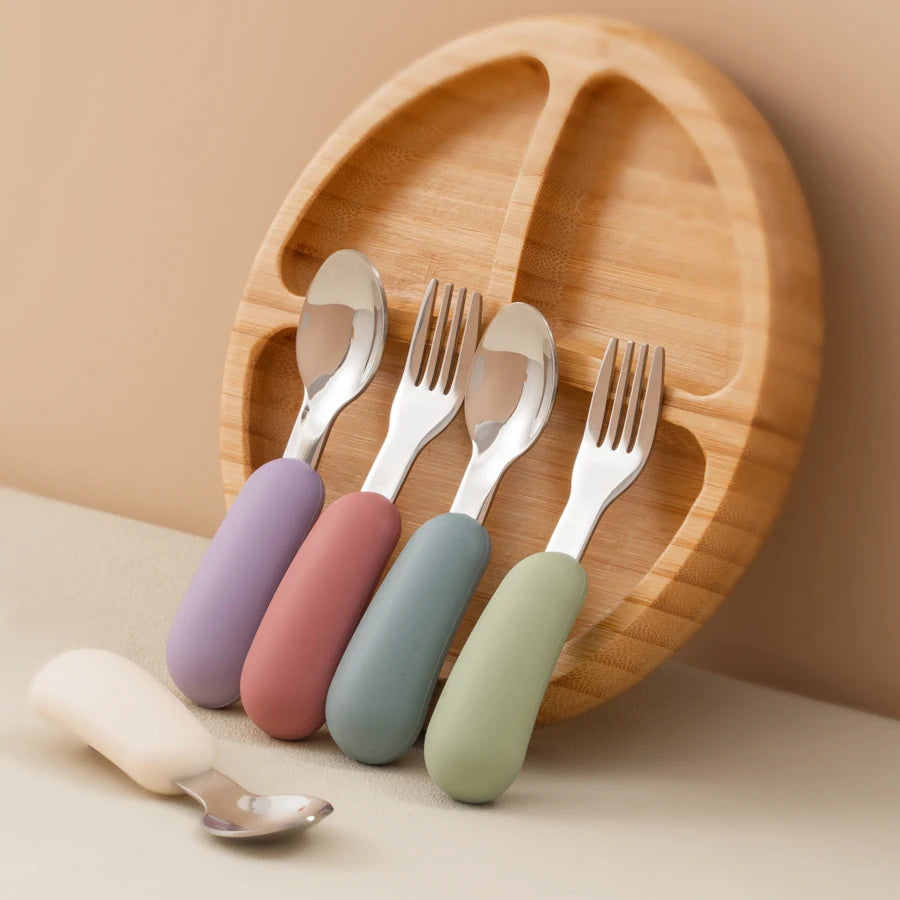
Silicone versus metal baby spoons compared for comfort and control 💡 See it in action
Why Spoon Choice Matters for Babies
Babies experience food with their whole mouth. Texture, temperature, and taste all register instantly. A spoon that feels too hard or tastes unfamiliar can trigger refusal, while the right one supports smoother transitions to solids.
That’s why many parents compare options within Feeding & Nursing tools early on—to avoid unnecessary stress and keep routines positive.
Silicone vs Metal Utensils at a Glance
Silicone versus metal baby spoons serve different purposes depending on age and sensitivity. Silicone focuses on comfort and safety, while metal emphasizes durability and precision. Understanding these differences helps you match the spoon to your baby’s needs.
Which Spoon Is Gentler on Gums?
Silicone versus metal baby spoons differ greatly in how they feel against tender gums. Silicone’s soft, flexible tip cushions pressure during early feeding, while metal stays firm and unyielding.
- Silicone helps soothe teething discomfort
- Metal can feel cold and hard for younger babies
- Soft tips reduce accidental pokes during self-feeding
- Rounded edges improve overall mouth comfort
For families prioritizing safety, many pair silicone spoons with other Health & Safety essentials for daily routines.
Does Metal Spoon Taste in Mouth Affect Feeding?
Metal spoon taste in mouth is a real sensory factor. Some babies detect a metallic flavor, especially with acidic foods, which can distract or discourage eating.
Silicone is taste-neutral, letting food flavors shine through. Parents often report fewer grimaces and better acceptance when switching from metal to silicone during early stages.
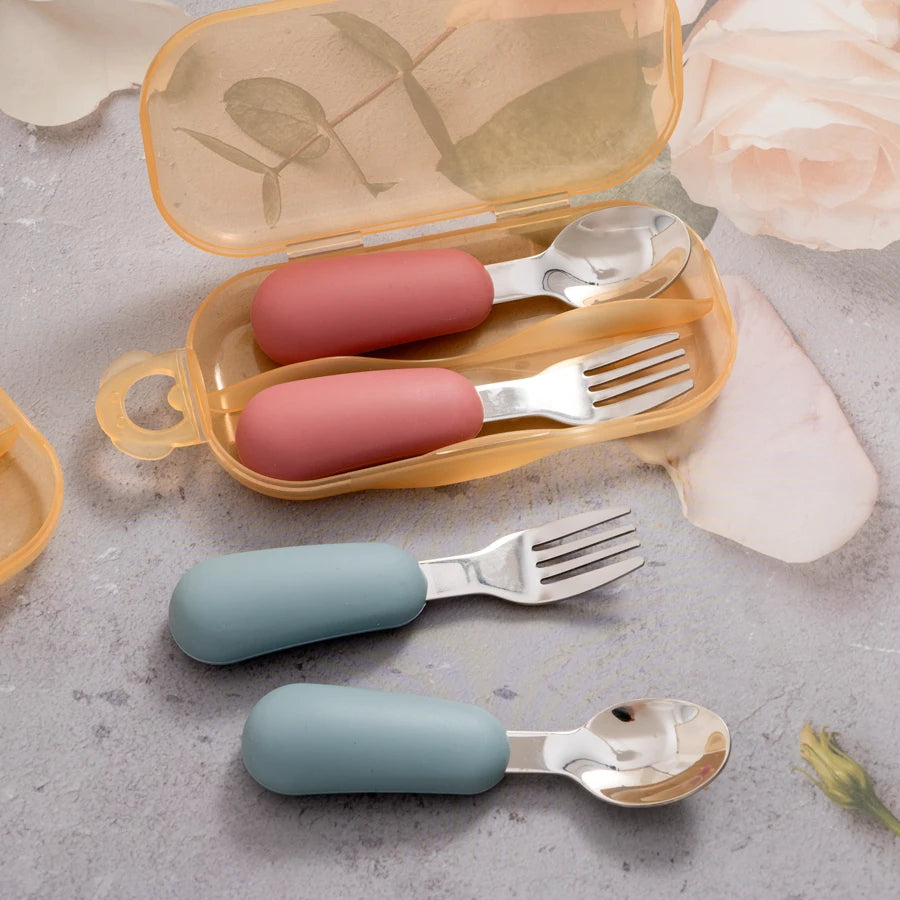
Silicone vs metal utensils during real feeding moments 💡 See it in action
Mess Control and Self-Feeding Skills
Grip and balance matter when babies learn independence. Silicone handles are often thicker and textured, helping little hands stay in control.
Metal spoons usually have slimmer handles, better suited once coordination improves. Many parents introduce silicone first, then transition later while exploring other Feeding Tools.
Silicone Versus Metal Baby Spoons Compared
| Feature | Silicone Spoon | Metal Spoon |
|---|---|---|
| Gum Comfort | Soft and flexible | Firm and rigid |
| Taste Impact | Taste-neutral | Possible metal spoon taste in mouth |
| Self-Feeding Grip | Easy for small hands | Better for older toddlers |
| Durability | Long-lasting, chew-safe | Highly durable |
Which Spoon Fits Your Baby’s Stage?
Silicone versus metal baby spoons aren’t about one being better overall—they’re about timing.
- Early solids (4–8 months): Silicone for gum protection
- Developing coordination (8–12 months): Silicone for self-feeding practice
- Toddler stage (12+ months): Gradual metal introduction
Supporting development often goes hand in hand with tools from Baby Growth & Learning collections.
Cleaning, Durability, and Daily Use
Both spoon types are easy to clean, but silicone resists stains and remains gentle even after frequent sterilizing. Metal handles high heat well but can feel cold straight from washing.
Busy parents often appreciate silicone’s forgiving nature during rushed meals and travel days.
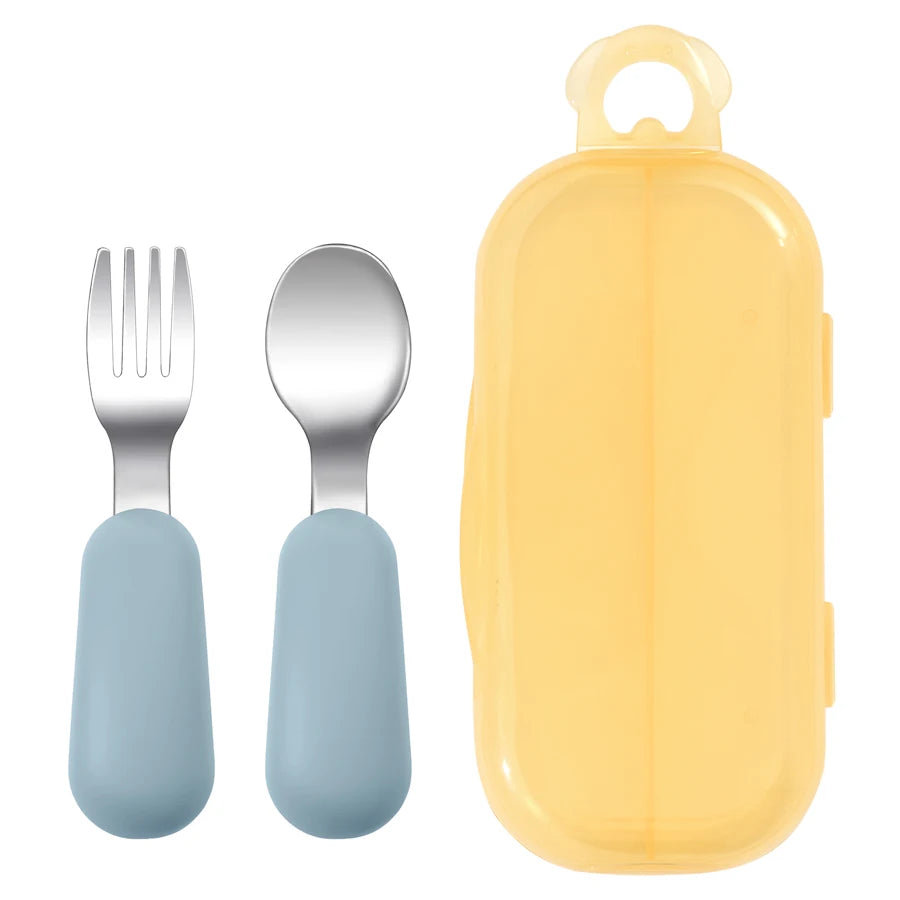
Choosing silicone versus metal baby spoons for everyday ease 💡 See it in action
Try a spoon designed for comfort and control today
What Parents Notice After Switching
Many parents share similar observations after choosing silicone:
- Less resistance during feeding
- Reduced gagging and fussing
- Improved confidence during self-feeding
- Calmer, cleaner mealtimes
These small wins add up, especially during long feeding phases.
Quick Answers Parents Ask
Are silicone baby spoons safe for teething?
Yes. Food-grade silicone is soft, flexible, and designed to be gentle on sore gums while remaining durable for daily use.
When should I introduce metal spoons?
Many families wait until toddlers have stronger coordination and less gum sensitivity, usually after the first year.
Do babies really notice metal spoon taste in mouth?
Some do. Sensory-sensitive babies may react to metallic flavors, which is why silicone can feel more familiar early on.
Related Guide: Best Utensils for Baby Self Feeding Compared for Easy Learning





