

⏱ 7 min read
Are soft newborn feeding bibs better than durable muslin options?
Soft newborn feeding bibs are ideal for protecting delicate skin during early feeds, while durable muslin baby feeding bibs offer better absorbency and longevity as babies grow. Choosing the right option depends on skin sensitivity, feeding frequency, and cleanup needs, making material and fit key factors for comfort and value.
Soft Newborn Feeding Bibs vs Durable Muslin Options: Which to Choose
Milk dribbles, spit-ups, and constant outfit changes are part of daily life with a newborn. Many parents reach for soft newborn feeding bibs first—but are they always the best choice as feeding routines evolve? Understanding how different bib materials affect comfort, skin health, and cleanup can save time, laundry, and frustration while keeping your baby happy.
Which feeding bib truly fits your baby’s needs right now—and in the months ahead?
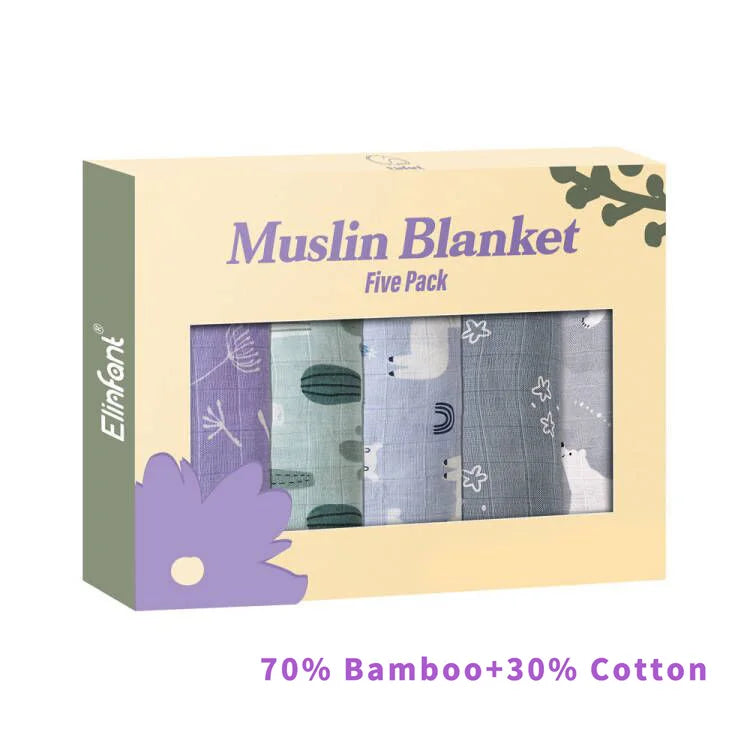
Soft newborn feeding bibs for gentle early feeds 💡 See it in action
Why Soft Newborn Feeding Bibs Feel So Gentle
Soft newborn feeding bibs are designed to sit lightly against fragile skin, reducing friction and irritation during frequent feeds. Their plush textures help absorb small milk dribbles without rubbing the neck or chin, making them especially comforting in the first weeks.
- Lightweight feel that doesn’t pull on the neck
- Gentle fabrics suited for newborn skin
- Easy to change between feeds
- Ideal for short, frequent feeding sessions
Parents often pair these bibs with essentials from Feeding & Nursing to streamline early routines.
How Durable Muslin Bibs Handle Messy Feeds
Durable muslin baby feeding bibs excel as feeding volumes increase. Their layered weave absorbs more liquid while remaining breathable, helping prevent dampness from lingering on skin during longer feeds or teething phases.
- Higher absorbency for heavier spills
- Quick-drying fabric reduces odor buildup
- Holds shape after repeated washes
- Suitable for babies transitioning to solids
Many families find muslin bibs practical alongside tools from Baby Care Essentials for everyday mess management.
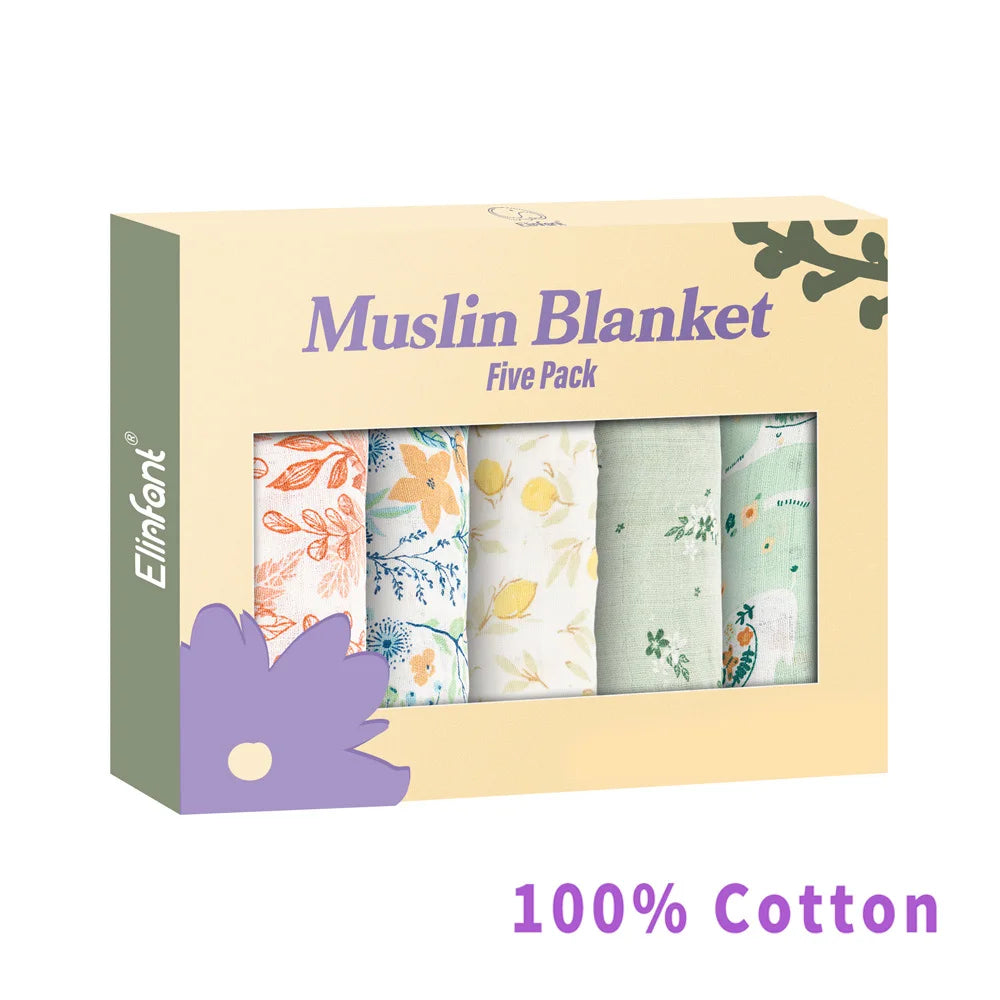
Durable muslin baby feeding bibs for growing appetites 💡 See it in action
Soft vs Muslin: A Clear Comparison
| Feature | Soft Newborn Feeding Bibs | Durable Muslin Baby Feeding Bibs |
|---|---|---|
| Skin Comfort | Very gentle, plush feel | Soft but structured |
| Absorbency | Light to moderate | High |
| Best Age Range | Newborn to early months | Infant to toddler |
| Durability | Moderate | Excellent |
Choosing the Best Bibs for Sensitive Skin
The best bibs for sensitive skin minimize friction, wick moisture quickly, and avoid harsh seams. Soft baby bibs for newborns are often preferred early on, while muslin options work well once skin tolerance improves.
- Look for smooth stitching around the neckline
- Avoid overly stiff closures
- Change bibs promptly after heavy spills
- Wash with mild, fragrance-free detergent
Supporting skin care routines may also include items from Health & Safety collections.
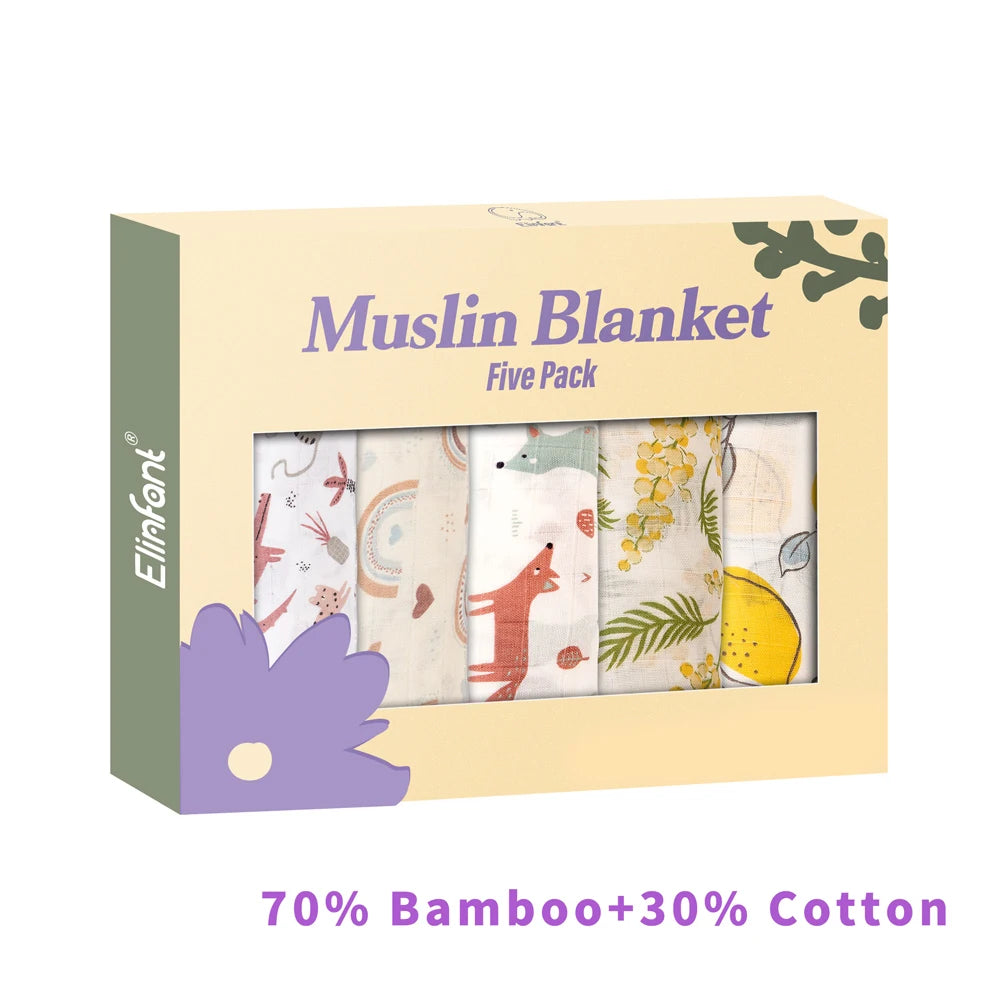
Soft baby bibs for newborns and muslin options compared 💡 See it in action
Which Bib Works Best for Daily Feeding?
Many parents keep both styles on hand. Soft newborn feeding bibs shine during calm milk feeds, while durable muslin baby feeding bibs handle messy moments, teething drool, and longer wear.
Pairing the right bib with feeding tools from Feeding Tools can make routines smoother and less stressful.
Frequently Asked Questions
Can newborns use muslin bibs?
Yes, as long as the fabric is soft and the fit isn’t bulky around the neck.
How many bibs should I keep on hand?
Most parents find 6–10 bibs useful to rotate through daily feeds and laundry cycles.
Do bib materials affect rashes?
Yes. Breathable, absorbent materials help reduce moisture buildup that can irritate skin.
Related Guide: Newborn Drool Bibs: Top Picks for Comfort and Protection





