

Stressful Baby Feeding Time What Actually Makes It Easier
Does stressful baby feeding time really get easier?
Stressful baby feeding time can become calmer and more predictable with the right setup and tools. Parents who switch to a silicone feeding set made from silicone non toxic materials often see less mess, fewer mealtime tears, and better acceptance from babies dealing with infant feeding refusal.
⏱ 5 min read
Stressful Baby Feeding Time What Actually Makes It Easier
Stressful baby feeding time can turn even calm parents into anxious problem-solvers searching for real answers. If you’re dealing with infant feeding refusal, the right tools and setup can completely change the experience. From choosing a smart silicone feeding set to understanding why silicone non toxic materials matter for safety and comfort, small upgrades create big wins. Discover how tiny changes can reduce mess, shorten mealtimes, and help your baby actually enjoy eating — ready to see what makes feeding finally feel easy?
Explore essentials designed to reduce mess and stress for you and your baby.
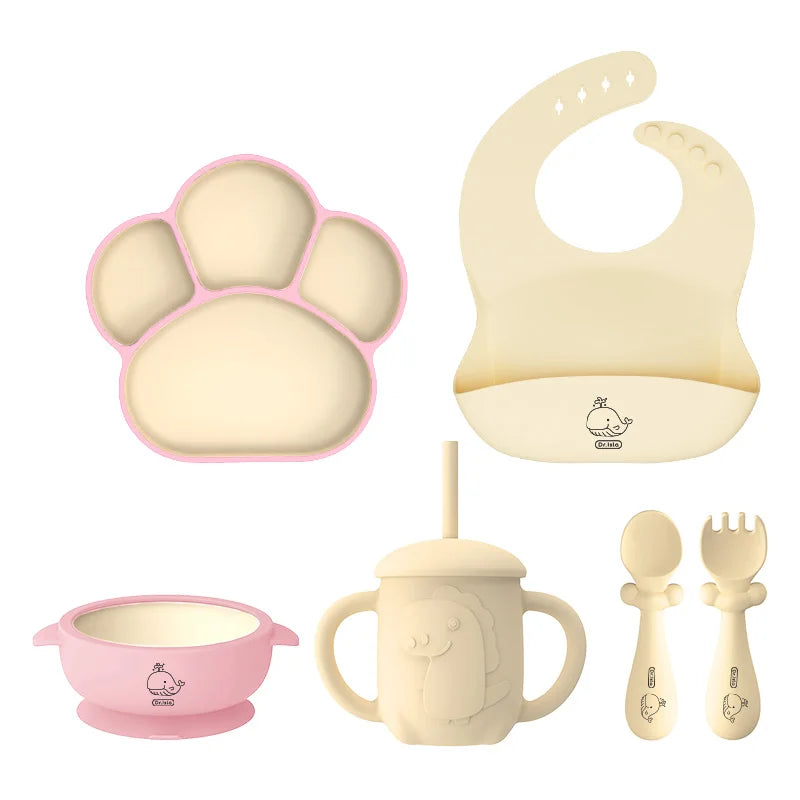
Stressful baby feeding time made easier with a silicone feeding set — silicone non toxic and parent-approved. 💡 See it in action
Which feeding setup helps babies eat with less fuss and more smiles? Read on!
Why Feeding Feels So Hard for So Many Parents
Stressful baby feeding time is one of the most common frustrations new parents share. You prepare healthy meals, sit your baby down, and within seconds there’s food on the floor, tears in their eyes, and tension in the room.
It’s not because you’re doing anything wrong. Feeding is a complex skill for babies, and small obstacles can turn curiosity into resistance.
Common struggles include:
- Food pushed away or thrown
- Babies refusing to open their mouth
- Spills and slippery bowls
- Parents feeling rushed or overwhelmed
Over time, this can create a cycle where baby associates eating with pressure, and parents associate meals with stress.
What Causes Infant Feeding Refusal
Infant feeding refusal is rarely about the food itself. Often, it’s the environment, textures, or discomfort that trigger resistance.
Here are the most common reasons:
- Sensory overload: Bright colors, loud sounds, or cold utensils can overwhelm sensitive babies.
- Uncomfortable utensils: Hard plastic or metal can feel harsh on gums.
- Slippery dishes: Bowls that slide cause frustration and loss of control.
- Temperature issues: Food that cools too fast or feels too hot creates mistrust.
When babies feel unsafe or uncomfortable, they protect themselves by refusing food.
How the Right Tools Change Everything
Stressful baby feeding time often improves dramatically when parents switch to baby-friendly tableware designed for tiny hands and mouths.
The right tools provide:
- Stability so bowls don’t slide
- Soft textures that protect gums
- Easy-grip handles for self-feeding
- Portion control to prevent overwhelm
This is where a well-designed silicone feeding set becomes a game changer.
Simple upgrades that make daily meals smoother and happier.
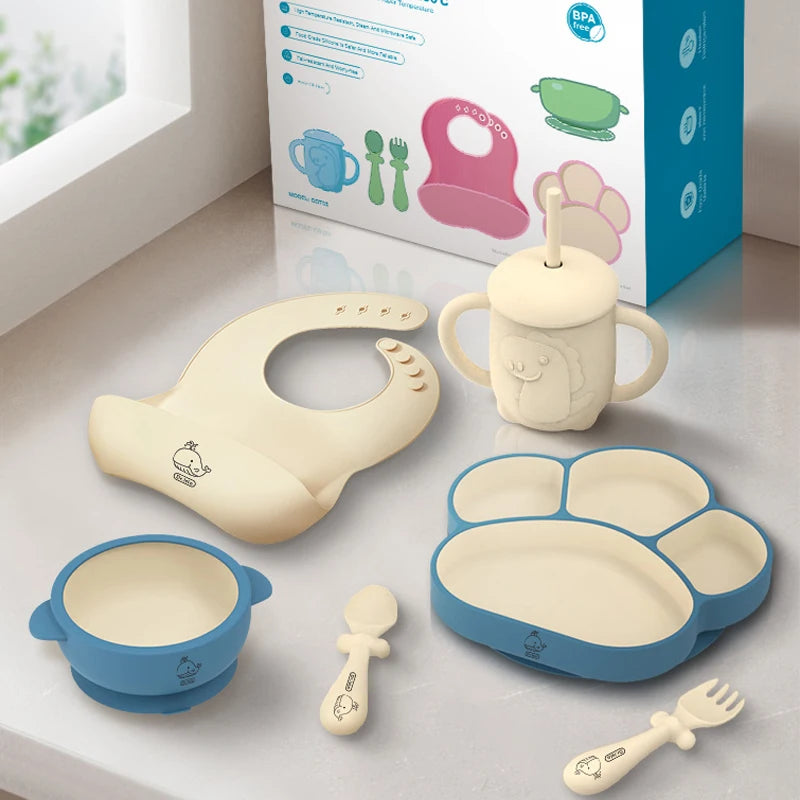
Infant feeding refusal fades when babies feel comfortable and in control with a silicone non toxic feeding set. 💡 See it in action
Why Silicone Non Toxic Materials Matter
Babies explore the world with their mouths. That means every spoon, bowl, and cup becomes a teether at some point.
Choosing silicone non toxic materials ensures:
- No harmful chemicals touching your baby’s mouth
- No strange plastic smells or tastes
- Safe chewing during teething phases
- Peace of mind for parents
Medical-grade silicone is soft, flexible, heat-resistant, and built for repeated use.
It’s also dishwasher-safe, stain-resistant, and durable enough to survive daily drops.
Benefits of a Silicone Feeding Set for Daily Meals
A silicone feeding set helps reduce stressful baby feeding time by giving babies stable, soft, and easy-to-use tableware. Silicone non toxic materials protect sensitive gums while suction bases prevent spills. For parents dealing with infant feeding refusal, this setup creates a calmer, more positive eating experience.
A complete silicone feeding set usually includes:
- Suction bowl or plate
- Soft-tip spoon and fork
- Training cup with handles
- Waterproof bib with food catcher
Each piece supports independence and reduces frustration.
Parents often notice:
- Shorter mealtimes
- Less food wasted
- More interest in self-feeding
- Fewer tears at the table
Real Parent Stories: Before and After
Emily, mom of 10-month-old Noah:
“Every meal ended with food on the floor and Noah screaming. After switching to a silicone feeding set with suction bowls, he actually stays focused. He loves holding the spoon himself now.”
Jason, dad of 1-year-old Ava:
“Ava refused solid food for weeks. We realized her metal spoon was too cold. The soft silicone spoon made a huge difference. She finally eats without pushing it away.”
Maria, mom of twins:
“I needed something that could survive drops and dishwasher cycles. These silicone sets still look new after months of daily use.”
Step-by-Step: How to Make Mealtimes Easier
- Create a calm space: Turn off loud distractions and sit face-to-face.
- Use stable tableware: Choose suction bowls and plates.
- Offer soft utensils: Gentle on gums and easy to grip.
- Let baby explore: Touching and playing builds trust with food.
- Keep portions small: Avoid overwhelming your baby.
- Stay patient: Progress comes in tiny steps.
Consistency builds confidence for both baby and parent.
Product Spotlight: Children’s Silicone Tableware Set
The Children’s Silicone Tableware Set stands out by combining suction stability, soft-touch utensils, and silicone non toxic materials. Designed to reduce stressful baby feeding time, it helps babies self-feed safely while minimizing mess and frustration for parents dealing with infant feeding refusal.
What parents love:
- Strong suction base prevents tipping
- Soft spoons safe for teething gums
- Microwave and dishwasher safe
- Made from food-grade silicone
Explore the full set here: Children’s Silicone Tableware Set
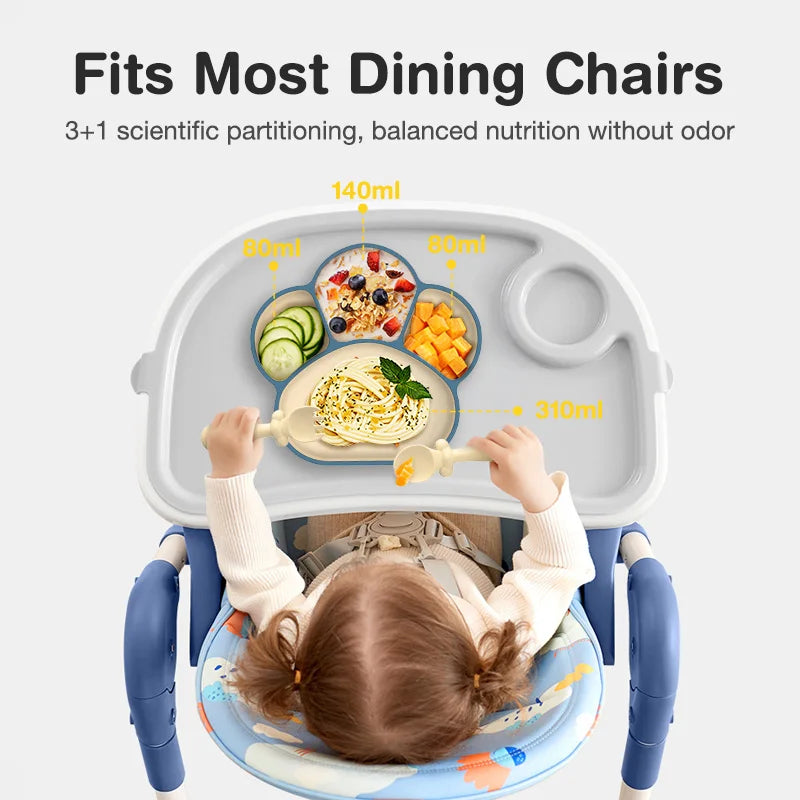
Make stressful baby feeding time easier with a silicone feeding set made from silicone non toxic materials. 💡 See it in action
Comparison: Traditional Dishes vs Silicone Feeding Set
| Feature | Traditional Baby Dishes | Silicone Feeding Set |
|---|---|---|
| Material Safety | Plastic or metal, may contain chemicals | Silicone non toxic, food-grade |
| Stability | Slides easily | Suction base prevents spills |
| Comfort | Hard and cold | Soft and gentle on gums |
| Durability | Cracks or chips | Flexible and long-lasting |
For families dealing with stressful baby feeding time, the difference is immediate.
For more feeding support, explore helpful tools from Feeding & Nursing and safety-focused essentials from Health & Safety.
Looking for baby-friendly accessories? Visit Baby Care Essentials and Feeding Tools for mealtime upgrades.
Upgrade your baby’s mealtime with a safer, smarter silicone feeding set.
Mini FAQ
Is silicone feeding set safe for babies?
Yes. A high-quality silicone feeding set made from silicone non toxic materials is safe for daily use, gentle on gums, and free from harmful chemicals.
How do I stop my baby from throwing bowls?
Use suction-based bowls and plates. They stick firmly to smooth surfaces and prevent tipping during self-feeding.
Can a silicone feeding set help with infant feeding refusal?
Many parents see improvement because soft utensils, stable dishes, and baby-friendly textures create a calmer eating experience.
How do I clean silicone baby dishes?
Most sets are dishwasher safe and stain resistant, making cleanup fast and simple.
Related Guide: Baby Self Feeding Difficulties Solutions for Every Stage





